Scientists discover a rare Neptune-sized exoplanet that leaves a mark on its host star
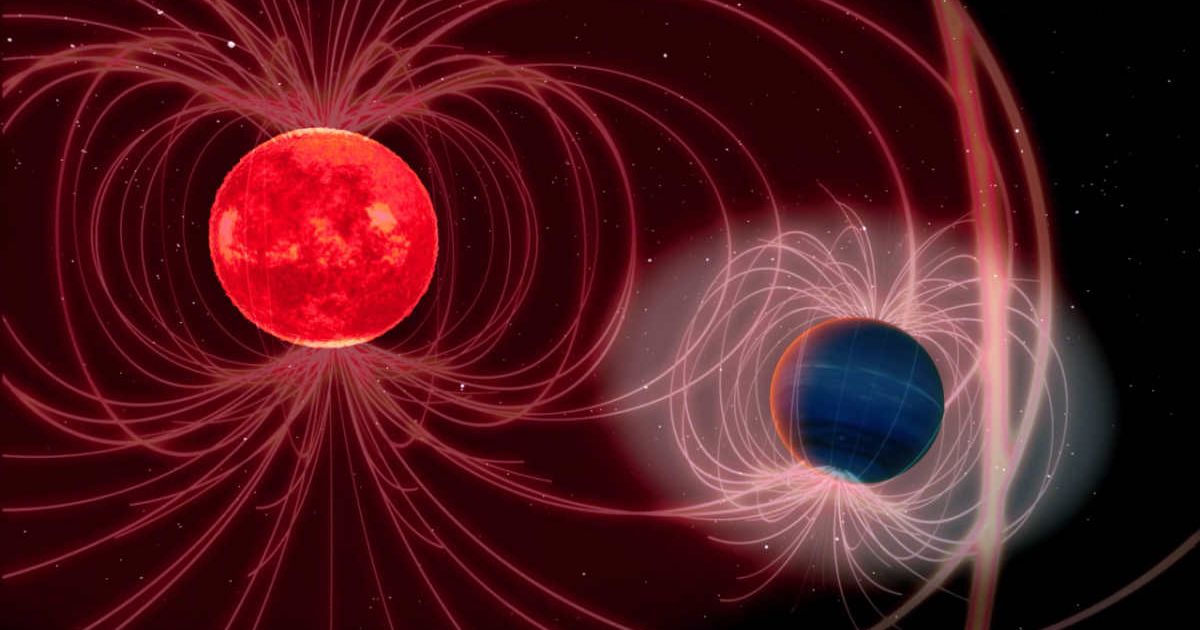
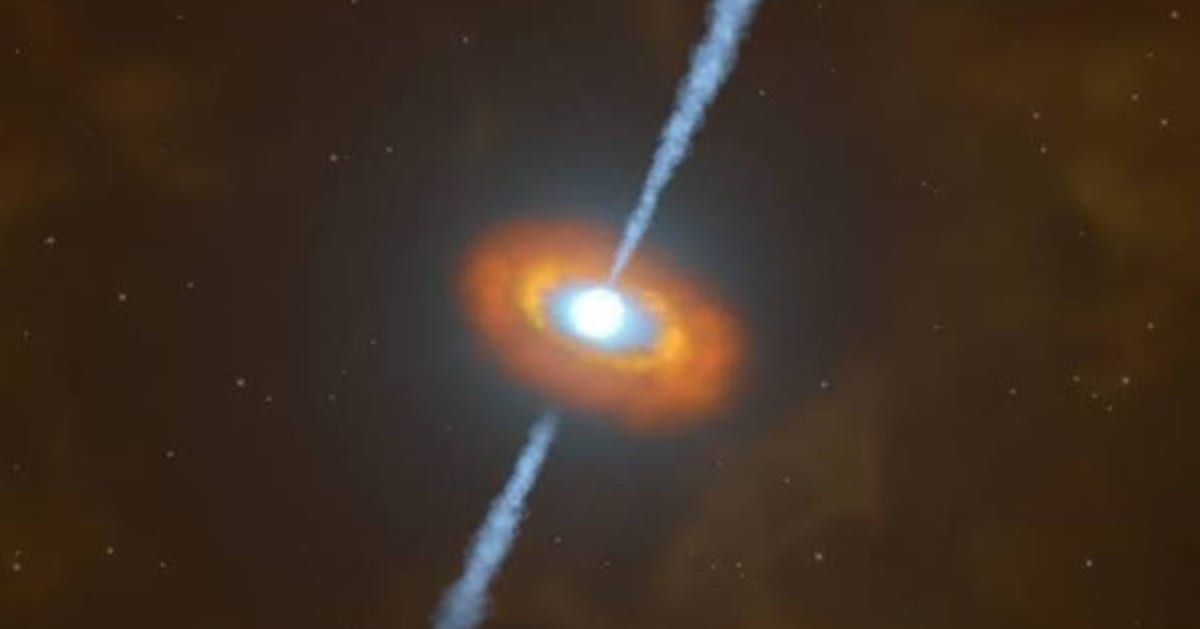
Stars are the undisputed rulers of their planetary systems. They shape the planets’ orbits and batter them with high-energy particles and strong magnetic fields. But can planets influence their host stars, too? A Neptune-sized exoplanet has been doing just that, according to a study published in the journal Science. The exoplanet leaves a measurable magnetic imprint on its host star—a red dwarf lying about 30 light-years away from Earth.
The presence of a magnetic field plays a huge role in a planet's habitability. Earth's magnetic field, for example, protects its atmosphere from solar wind. Mars, on the other hand, lost its global magnetic field billions of years ago, which led to the loss of its atmosphere as well. But detecting and measuring the magnetic fields of planets outside our solar system is tricky. The study in question, however, has provided the strongest evidence yet for the existence of a magnetic field on an exoplanet while demonstrating conclusively for the first time that a planet can influence the behavior of its star.
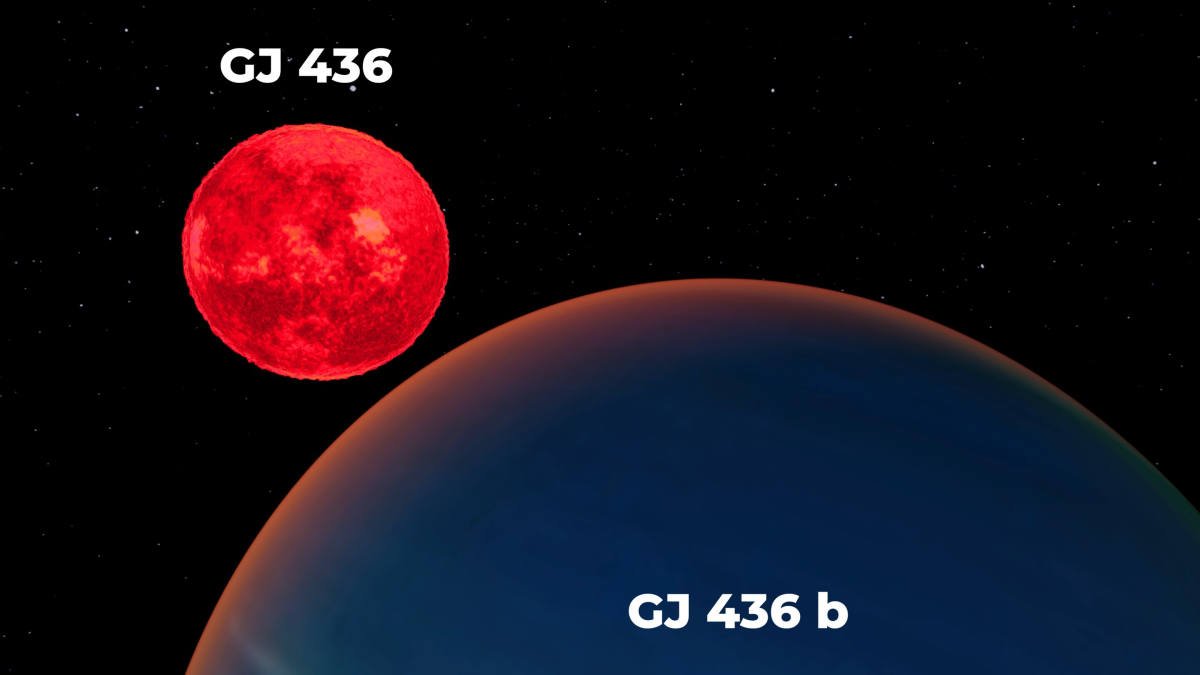
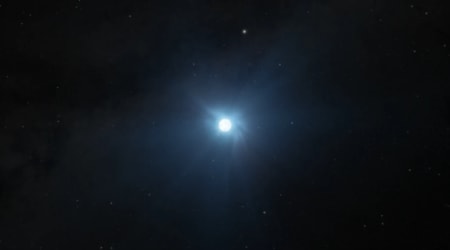
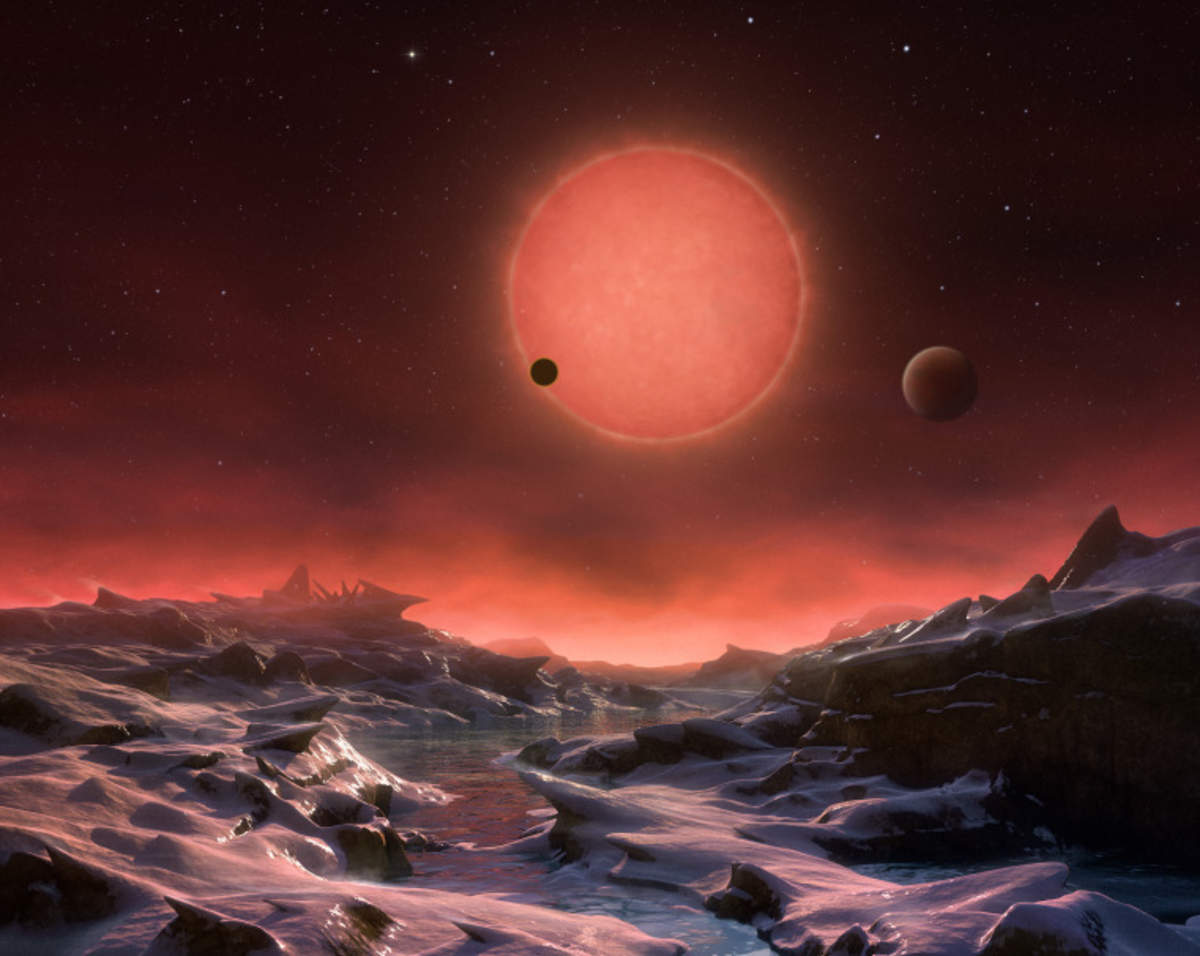
The researchers, led by Daniel Revilla from Instituto de Astrofísica de Andalucía - Consejo Superior de Investigaciones Científicas (IAA-CSIC), Granada, Spain, focused on GJ 436, a red dwarf which is only half the mass of our Sun. The star is known to host a solitary planet, named GJ 436 b, which orbits it at breathtaking speed, completing a trip around it in just 2.6 days. Such a small orbital period suggests that the planet lies very close to the star and deep inside its magnetic environment. This creates ideal conditions for interactions between a star and a planet that are virtually impossible in wider planetary systems. The team studied 16 years of high-resolution spectroscopic data on the star, tracking emissions from hydrogen and calcium in the outer layer of its atmosphere.
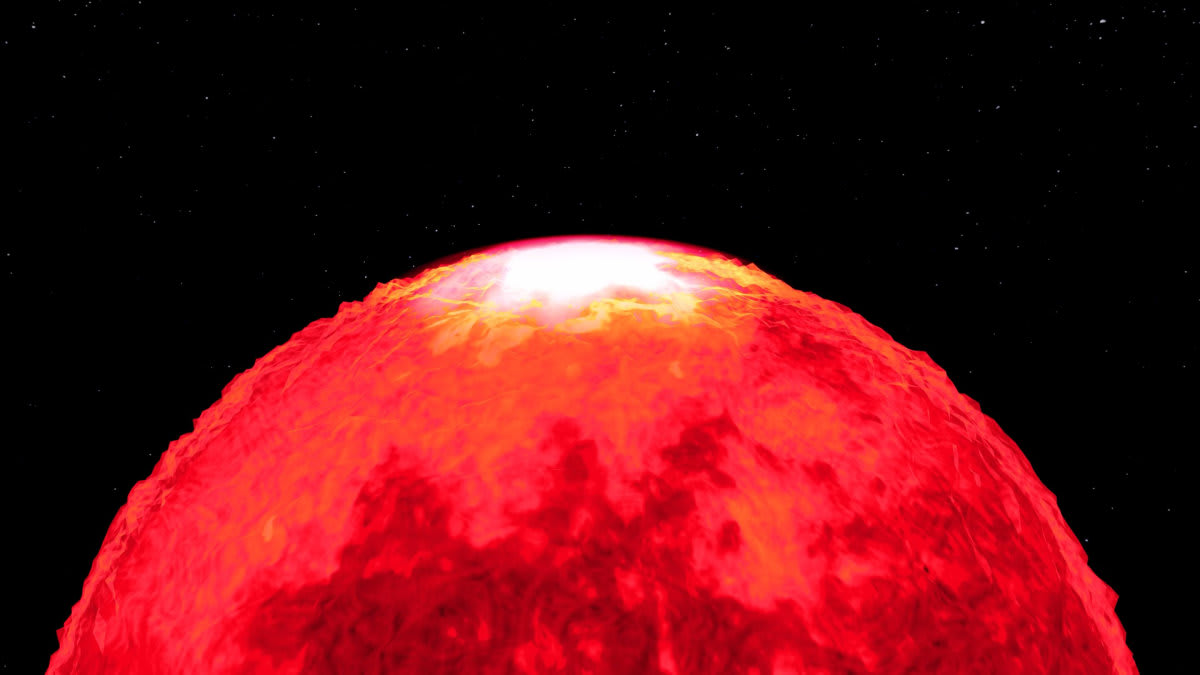
The spectral lines arising from the star's atmosphere acted like an indicator of its magnetic activity, allowing astronomers to track changes that would otherwise remain invisible. The team found that the star's magnetic emissions fluctuated rhythmically with the planet's orbital period. When the star flared up, it overwhelmed any signature from the planet. And during calmer periods, there wasn't enough background activity that could act as a reference for the planet's influence. However, the planetary signal emerged clearly when the star slipped into an intermediate state of activity. "Until recently it was thought that it was mainly the star that influenced the planet, but our results provide the clearest evidence to date of something that was already suspected: that the opposite can also happen and that a nearby planet can alter the environment of its star," said Rafael Luque, a researcher at the IAA-CSIC who participated in the study, in a statement (translation by Google).
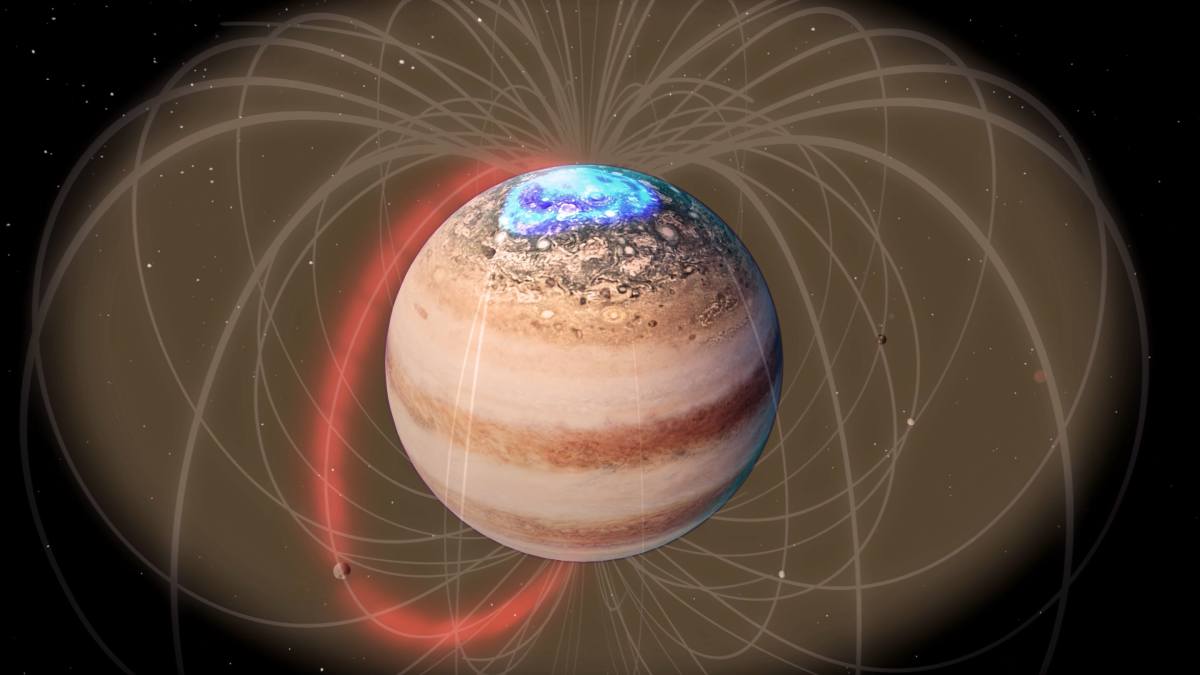
The researchers found that while orbiting the star, the planet’s magnetic connections periodically inject energy into the chromosphere, one of the upper layers of the star’s atmosphere, increasing its activity. The model revealed that the planet possesses a magnetic field comparable in strength to Jupiter’s. "Despite its smaller size, GJ 436 b would have a magnetic field between 2.33 and 27 times stronger than Jupiter’s," said Pedro J. Amado, co-author of the study and researcher at the IAA-CSIC. This finding has opened up a new avenue for studying the magnetic fields of exoplanets. This will provide fresh insights into how they preserve their atmospheres, their internal structure, and how they evolve over time.
More on Starlust
Our solar system may have looked very different had it not been for a third ice giant, study finds