James Webb Space Telescope detects surprising abundance of organic molecules in nearby galaxy
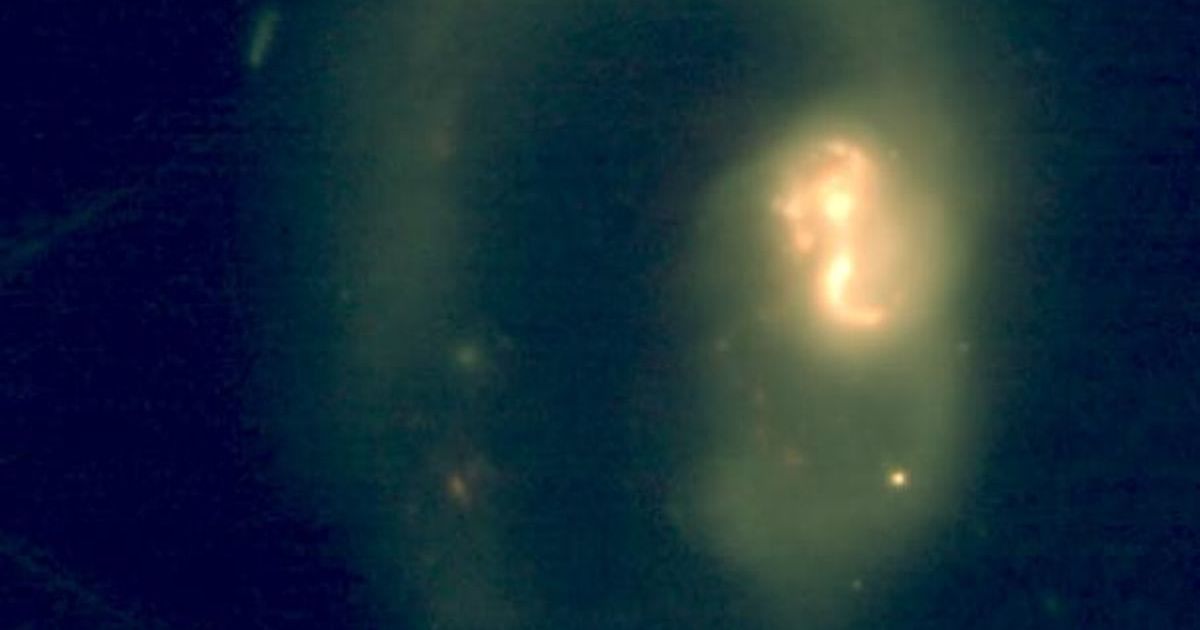
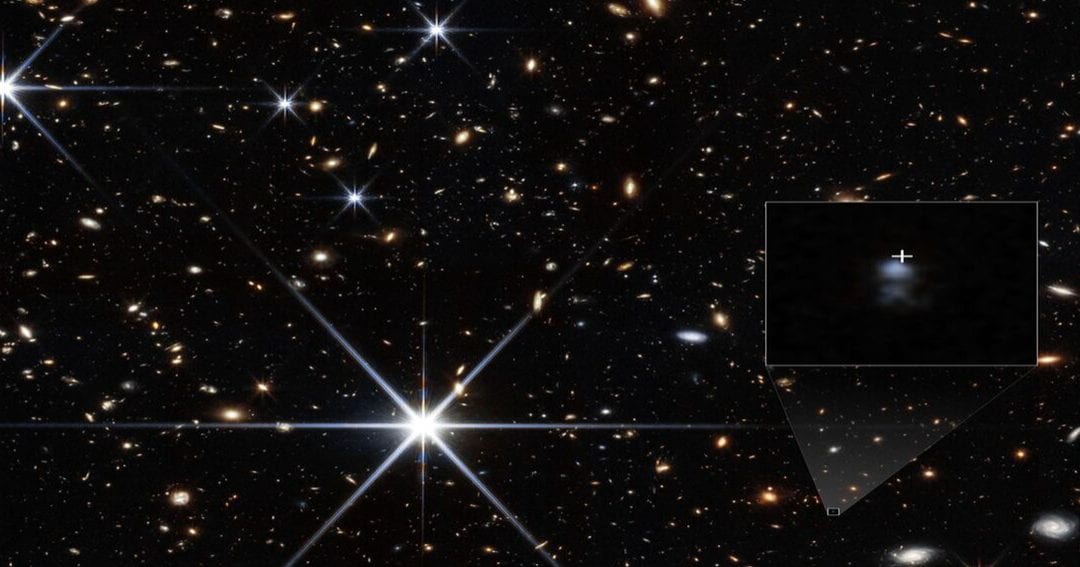
An obscured nucleus of a nearby galaxy, named IRAS 07251-0248, has been churning out an unprecedented variety of small organic molecules, according to a study by the Centre for Astrobiology (CAB), CSIC-INTA in Spain. Vast amounts of gas and dust hide the nucleus of the galaxy, making it extremely difficult to uncover what is happening out there. But the infrared wavelength range penetrates the veil of dust and gas, providing unique information that has been captured by the James Webb Space Telescope (JWST). In the study published in Nature Astronomy, the astronomers, supported by JWST infrared images and modelling techniques developed at Oxford University, have deciphered how complex organic molecules and carbon are processed in some of the most unforgiving environments in the universe.
With the data from its NIRSpec and MIRI instruments, JWST helped the researchers detect chemical signatures from gas-phase molecules, ices, and dust grains. In addition, they estimated the abundance and temperature of numerous chemical species at the heart of the buried galaxy. The observations detected small organic molecules, including benzene, methane, acetylene, diacetylene, and triacetylene, and for the first time, found methyl radical beyond the Milky Way. “We found an unexpected chemical complexity, with abundances far higher than predicted by current theoretical models,” explained lead author Dr. Ismael García Bernete, formerly of Oxford University (OU) and now a researcher at CAB, in an OU press release. “This indicates that there must be a continuous source of carbon in these galactic nuclei fuelling this rich chemical network.”
Apart from the gas-phase molecules, an abundance of solid molecular materials such as carbonaceous grains and water ices has been found. Analysis of the JWST images and models by the Oxford Group indicates that high temperatures or turbulent gas motions are not the only factors at play behind the formation of these molecules. Instead, it points to cosmic rays that could probably fragment polycyclic aromatic hydrocarbons (PAH) and carbon-rich dust grains, releasing small organic molecules into the gas phase.

The authors believe that the molecules detected could be the building blocks for more complex organic chemistry. Co-author Professor Dimitra Rigopoulou (Department of Physics, University of Oxford) added, “Although small organic molecules are not found in living cells, they could play a vital role in prebiotic chemistry, representing an important step towards the formation of amino acids and nucleotides.” The researchers have also found a clear link between hydrocarbon abundance and the intensity of cosmic-ray ionization in similar galaxies, which supports what they have found in this research.
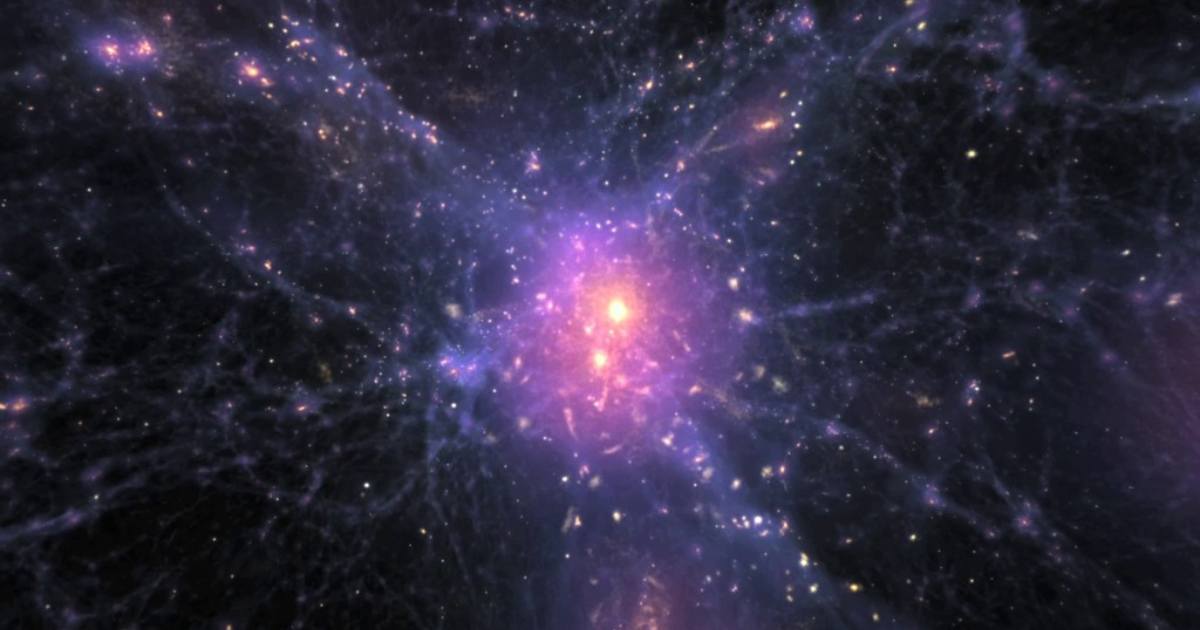
“These results suggest that deeply obscured galactic nuclei could act as factories of organic molecules, playing a key role in the chemical evolution of galaxies,” according to the press release. This work, the researchers note, opens new avenues to study the formation and processing of organic molecules in extreme space environments and demonstrates the enormous potential of JWST to explore regions of the universe that have remained hidden until now.
More on Starlust
Lab-made cosmic dust could show how life began on Earth
NASA’s James Webb Space Telescope captures the farthest galaxy ever detected