Scientists chased two dying ESA satellites in a jet to learn how space junk pollutes our sky (watch video)
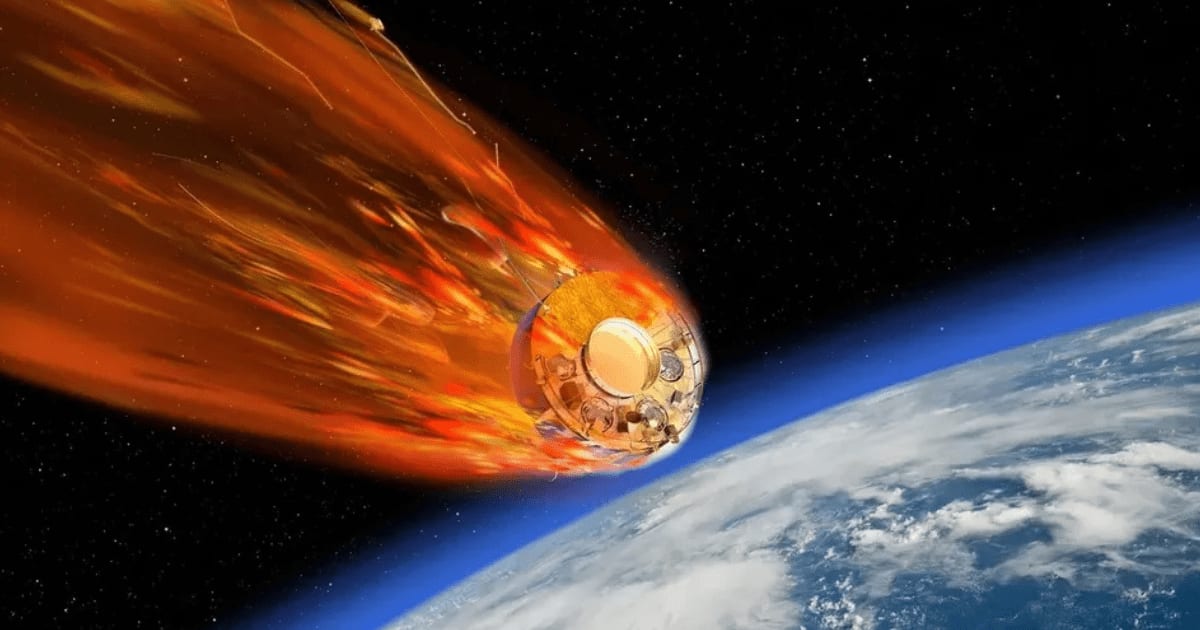
Two of the European Space Agency satellites burned up in the sky while reentering over the Pacific Ocean. While this was happening, a team of scientists chased the satellites in a private jet so that they could learn more about how space debris burns up in the Earth’s atmosphere and what effect it has on pollution. These satellites were Tango and Samba, both part of the European Space Agency’s Cluster mission.
As of now, leading companies such as SpaceX, Amazon, and Blue Origin are planning to launch satellite fleets over the next decade. In fact, SpaceX alone has proposed roughly 100,000 Starlink V3 satellites. Researchers currently do not fully understand what happens when that many spacecraft reenter the atmosphere or whether their pieces survive the fall and reach the ground. This recent close-up review gave scientists a chance to study exactly how a satellite dies.
How did scientists track the satellites during reentry?
ESA ground controllers stayed in contact with Tango and Samba almost until the moment of impact and calculated the reentry path. That gave the research team, which included Jiří Šilha, CEO of the Slovak company Astros Solutions, enough lead time to charter a jet and position it near Tonga, right where the satellites were expected to break apart.
Commenting on this, Šilha told Space.com, "We want to understand what happens to these bodies as they fly through the atmosphere, which causes friction and very high temperatures. We know that those satellites break up into fragments, which subsequently melt in the atmosphere."
What did the researchers actually see?
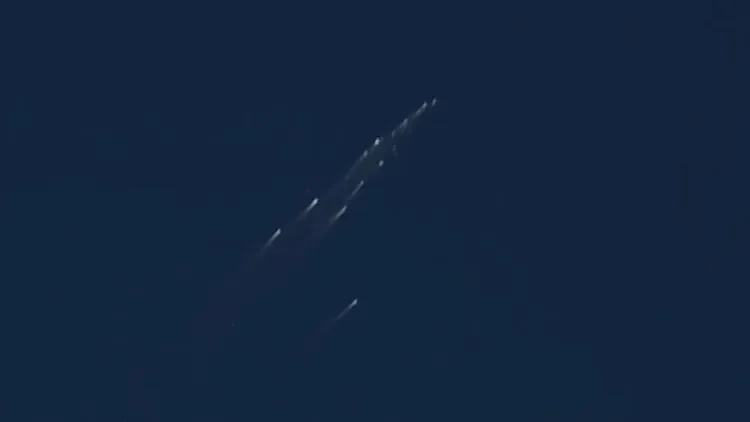
Describing the findings, Šilha added, "We were flying toward the object, and first it looked like a compact source of light as the material ablated. At some point, there was a sudden explosion as the satellite disintegrated." The team started tracking each satellite around 56 miles (90 kilometers) up and kept watching until it faded from view near 40 to 44 miles (65 to 70 kilometers). "For about thirty to forty seconds after the explosion, you can observe an interesting structure as all those various fragments ablate in the atmosphere. Then they all either burn up or slow down,” he added. This gave them a detailed look at dozens of glowing fragments.
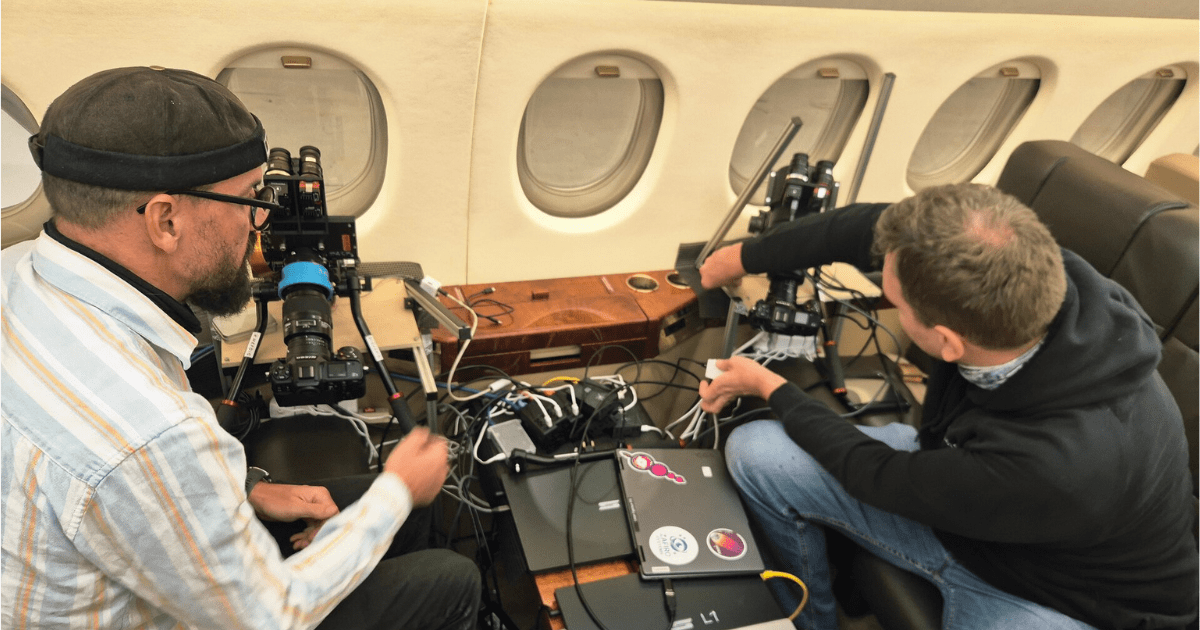
The team was chasing seven specific chemical compounds that were released during the breakup. This included titanium, sodium, potassium, as well as aluminum, which was the main target. When the aluminum interacts with the atmosphere, it most likely turns into aluminum oxide. But this is something that “has never been observed before.” Šilha added, “We don't know exactly how and in what quantities the aluminum oxide might be forming."
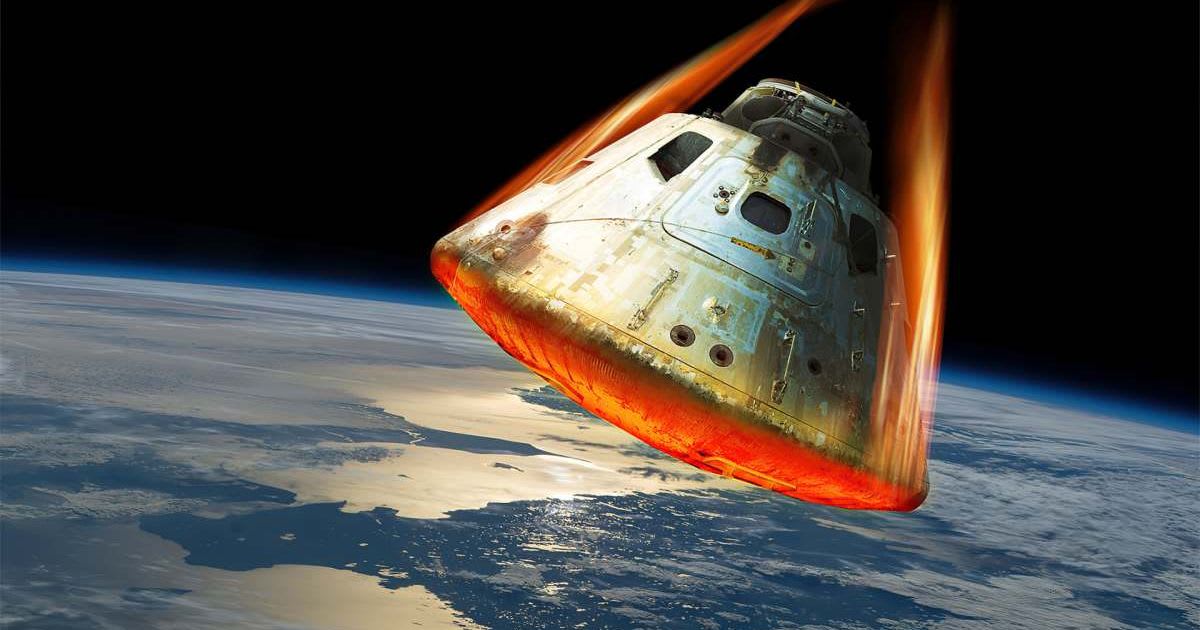
Now, with the help of this data, the team will spend the coming months studying exactly which chemical reactions happen during a satellite’s final moments in the atmosphere. The findings could help researchers improve their atmospheric models and better understand the potential impact the growing satellite industry could have on our planet's climate.
More on Starlust:
Artemis IV: NASA just asked Axiom to revise spacesuits for 2028 Moon landing. Here's why
China to beat NASA? Tianwen-3 plans to bring back Mars samples by 2031 to search for signs of life