One final Tango: Last of ESA's Cluster satellites makes fiery reentry 26 years after launch; watch video
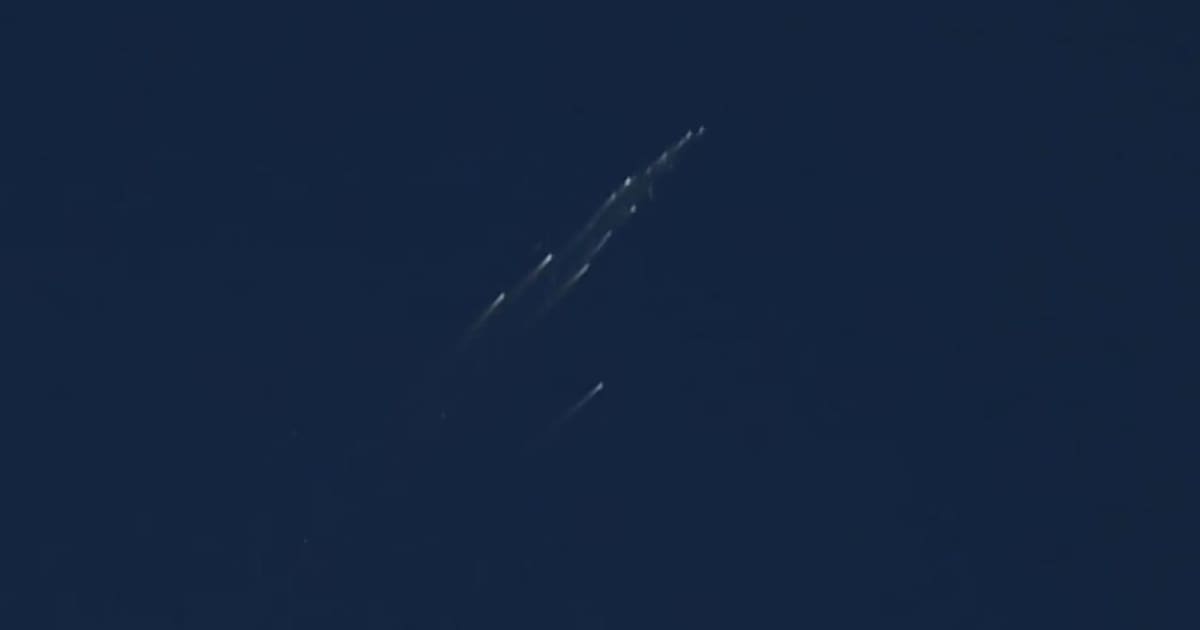
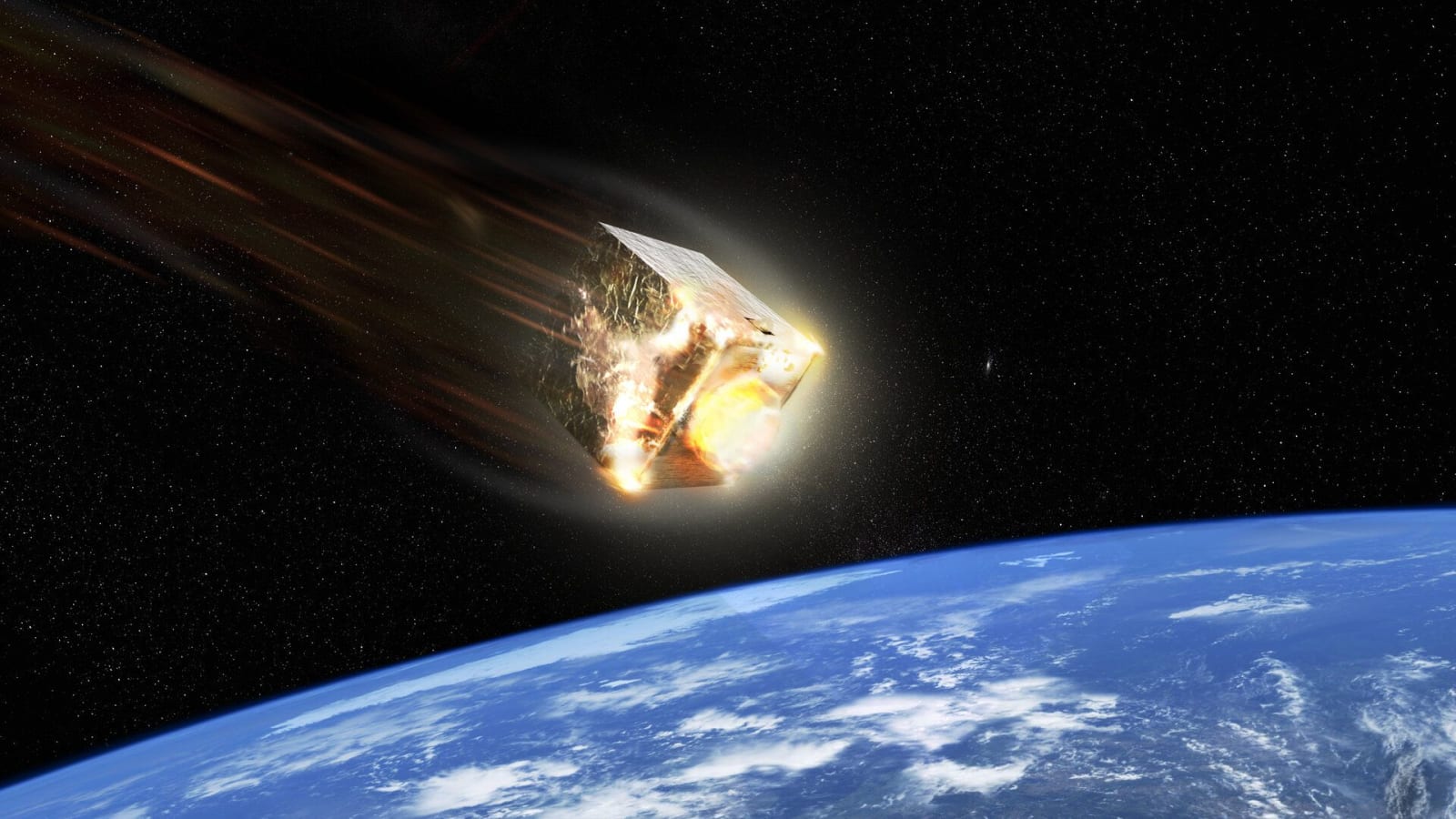
The European Space Agency (ESA) announced that the fourth and last satellite of the Cluster mission has reentered Earth, marking the end of operations that lasted more than two decades. The Tango satellite's reentry into the atmosphere occurred at 23:30 CEST (5:30 pm EDT) over the South Pacific Ocean on September 1, and the reentry was so precise that a plane could fly out from Tonga and successfully record its demise for reentry science. Taking to X, the agency released a picture of the Tango fragments raining down from the sky, which was acquired by the ROSIE airborne mission 2026.
🔥 Check out the first image of Tango’s reentry – @esa's final Cluster spacecraft.
— ESA Operations (@esaoperations) September 2, 2026
But that’s not all – we caught Samba on video, too! 👉 https://t.co/96QDrF2T1x
📸 ESA/ROSIE/University of Stuttgart (HEFDiG) pic.twitter.com/qbMQmdso5u
Cluster mission ends spectacularly
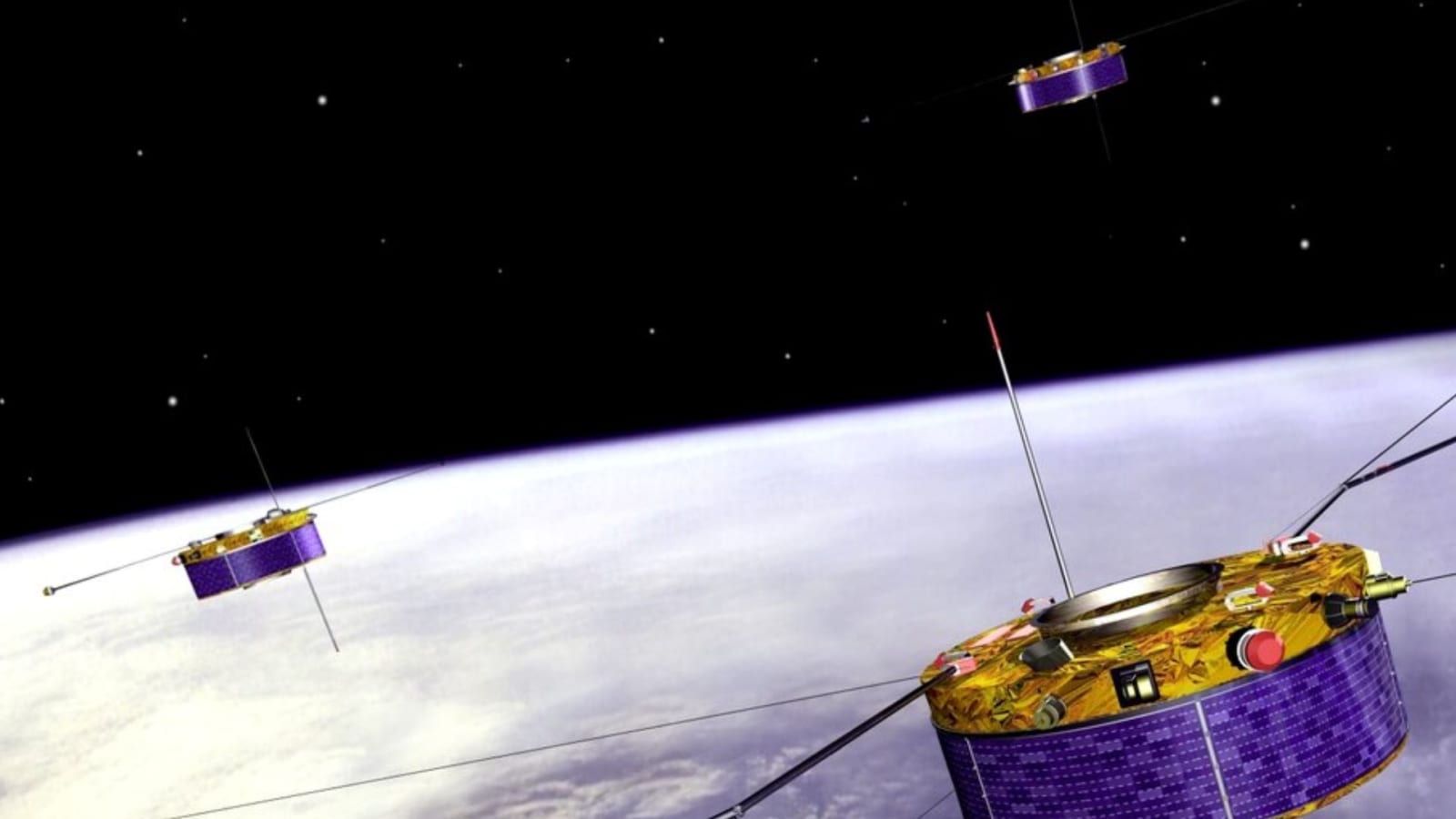
The Cluster mission was composed of four satellites—Rumba, Salsa, Samba, and Tango—to investigate the interaction between the Sun and Earth’s magnetosphere. The first satellite pair launched on July 16, 2000, followed by the second one on August 9, 2000, in an elliptical orbit around Earth ranging between a few hundred and approximately 77,600 miles. The mission ended in 2024, and it marked the beginning of the reentry data collection campaign.
“After four ‘targeted’ reentries, this is now a proven method of safe end-of-life disposal. It also enabled the repeated observation of the reentries by a plane full of scientists, creating a unique reentry data set that will improve our understanding of the destructive process and can inform the design of safer and more sustainable satellites in the future,” the agency said in a statement.
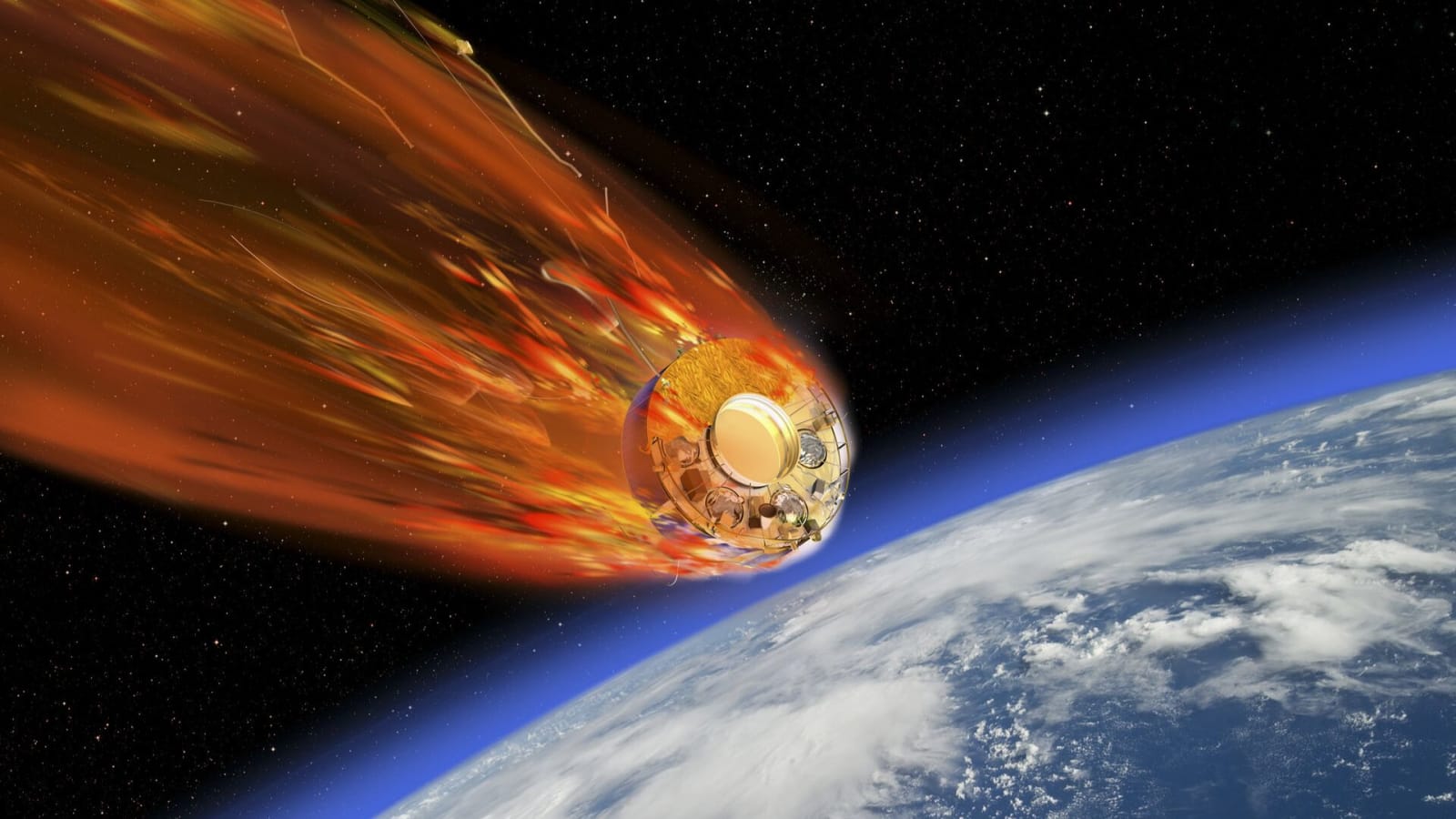
Just a day before Tango, the third satellite Samba met its demise during reentry. Both Samba and Tango were observed by the ROSIE mission team for about 50 seconds on average from its observation plane. And before Tango fell to its demise, many members from flight control, mission, and reentry teams sent their farewell messages to the spacecraft. “This is a time when you realize that once you build something like the Cluster mission, you imbue it with a soul. The team have created something beautiful. We have seen its final act, but it is clear that the soul of the Cluster family will be around for plenty of time to come,” said Philippe Escoubet, Cluster Mission Manager at ESA.
What’s interesting is that the agency’s observation of reentering spacecraft won’t stop with just the Cluster satellites. It has planned the Draco mission, short for Destructive Reentry Assessment Container Object, which is scheduled to launch in 2027 with the objective to document all aspects of reentry and gain a unique perspective on this destructive process. The Draco spacecraft will be equipped with over two hundred sensors, four cameras, and an indestructible capsule that will keep the data safe and provide reentry views from inside the spacecraft. As Draco plunges through the atmosphere, scientists will be on a plane again, watching the process closely.
“With the data from the Cluster and Draco reentries we will improve reentry models. This helps to better predict where objects will fall and how they affect the atmosphere, and we can build better satellites to further reduce the chance of any pieces reaching the ground and posing risks to people or infrastructure,” Stijn Lemmens, acting head of Space Debris, said.
More on Starlust
Scientists discover how rising solar activity is making space debris fall back to Earth faster