Satellite captures Moon’s shadow traversing Antarctica during February 17 annular solar eclipse
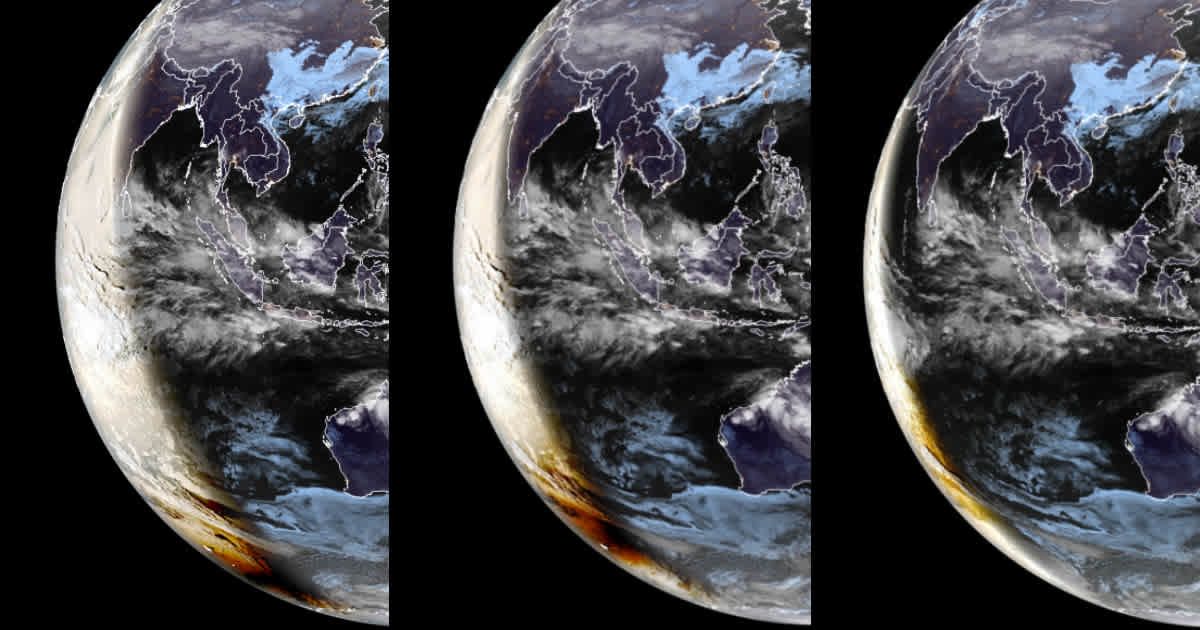
The GEO-KOMPSAT-2A satellite captured the Moon’s dark shadow racing across Antarctica’s polar ice during the annular solar eclipse on February 17, 2026. This event peaked at around 12:12 UTC, with the 'ring of fire' lasting up to 2 minutes 20 seconds at its greatest duration, visible mainly from remote research stations like Concordia and Mirny.
Annularity began as the shadow entered Antarctica around 11:42 UTC, crossed key sites with the Sun at low altitudes of 5-10 degrees, and ended at 12:41 UTC. Partial phases extended to the southern tips of South America and Africa, with 12-20% coverage in places like Durban and Maputo, though the full ring stayed exclusive to the polar zone.
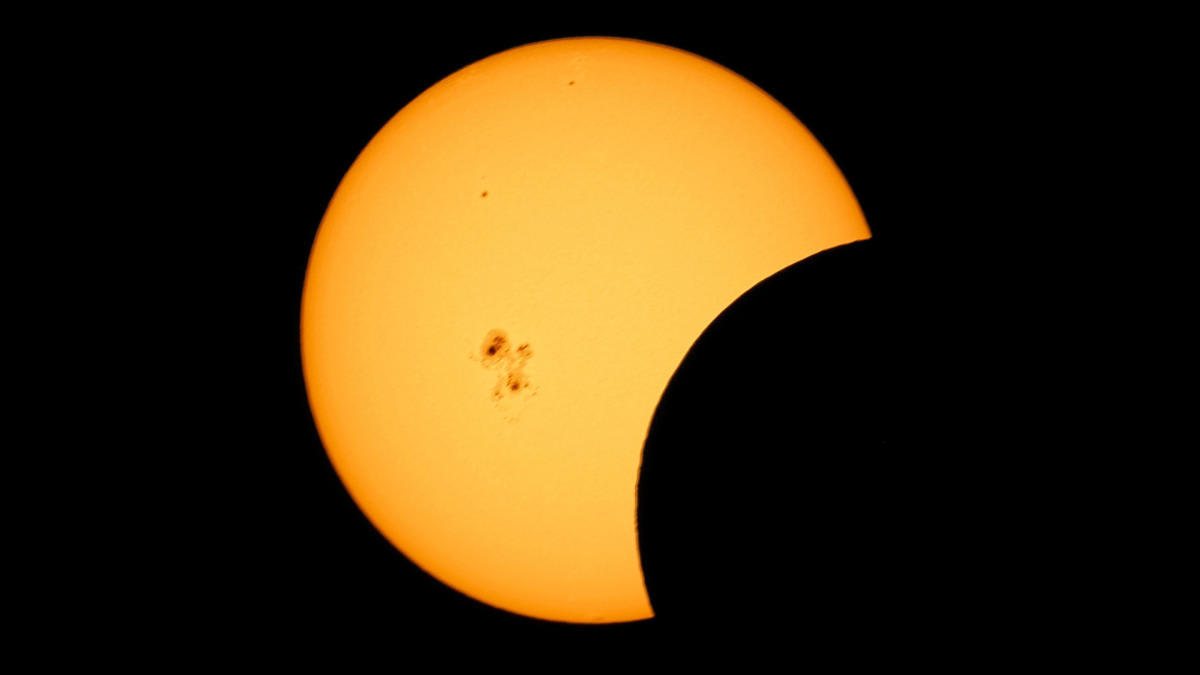
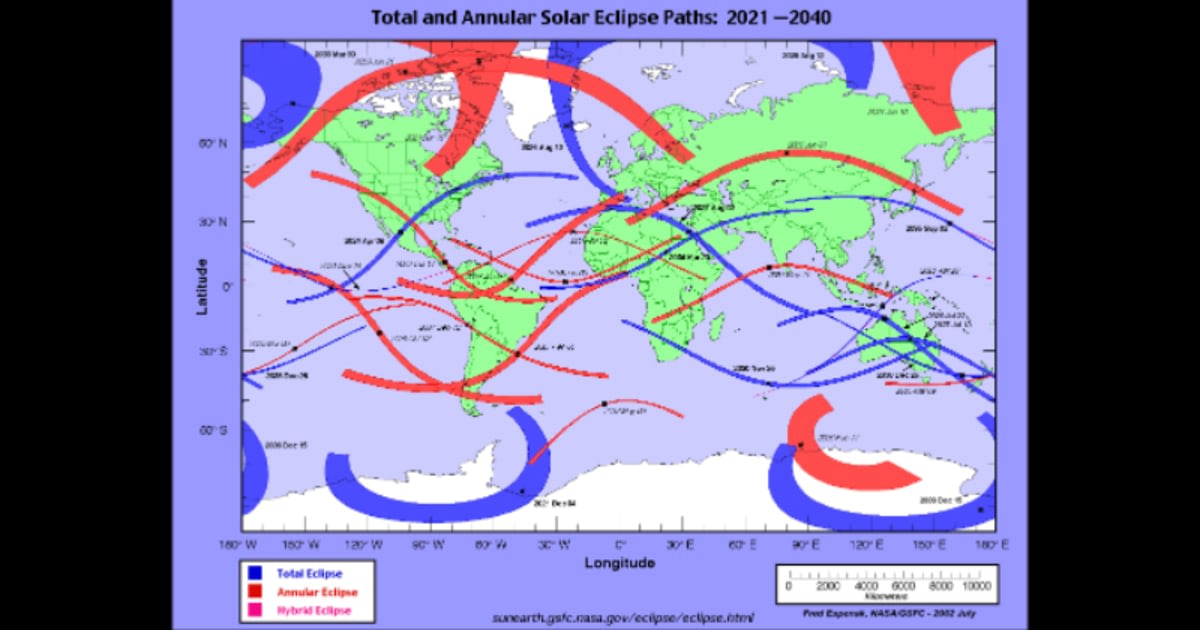
As noted in recent coverage of the event’s timing and visibility, the eclipse would have been challenging for observers due to its remoteness. The Moon ended up obscuring 96% of the solar disk’s center to form the glowing ring, but it was only visible along a curved path stretching around 4,282 kilometers, with the Sun low on the horizon in the midst of treacherous conditions on the icy continent. Yet observation may have potentially been rewarding for scientists at staffed bases.
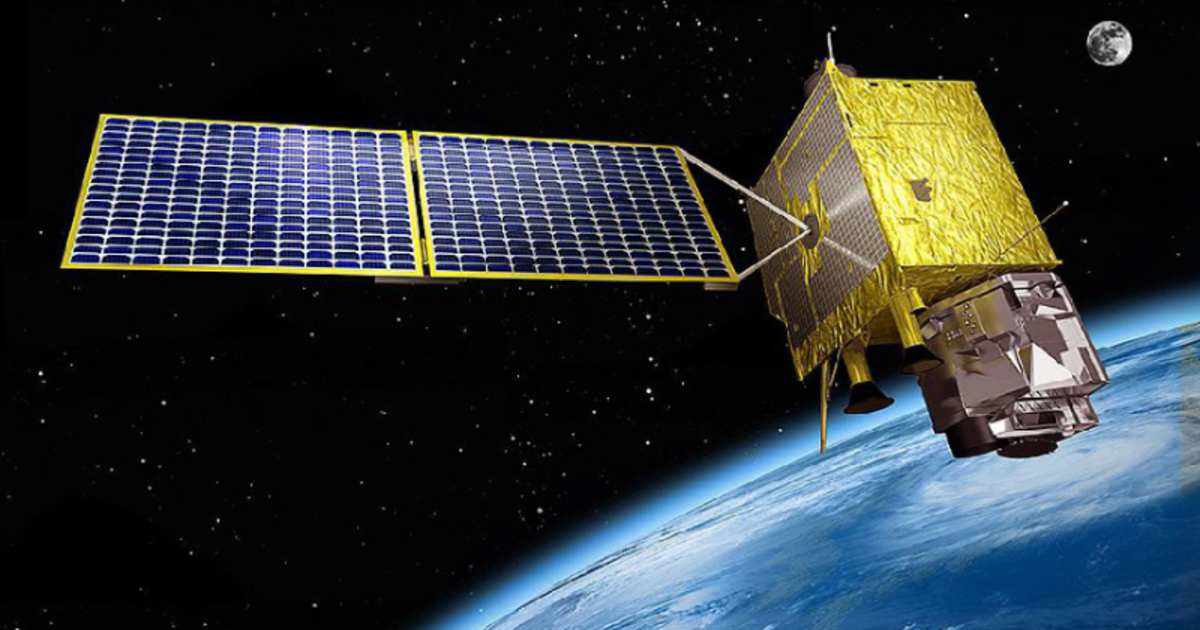
GEO-KOMPSAT-2A, or GK-2A, launched in 2018, orbits at a mean altitude of 22,236 miles (35,786 km) above the equator, delivering continuous full-disk views ideal for monitoring dynamic events happening on Earth. The aim of the mission is to gather geostationary meteorological data for surveying meteorological phenomena in the Asia-Oceania region.
Solar eclipses occur when the New Moon aligns between Earth and Sun, casting shadows only during certain points in the lunar orbit due to an orbital tilt of about five degrees. Total eclipses fully block the Sun within a narrow path up to 169 miles wide, revealing the corona. Then there are partial ones that nibble the edges of the solar disk to observers in the broader penumbra. Annular solar eclipses like this arise when the Moon, at a distant point in its orbit around Earth, has a narrower apparent size and leaves a bright ring of the Sun exposed to observers. Regardless of the type, viewers would be well advised to always use certified eclipse glasses to protect their eyes from UV and infrared harm.
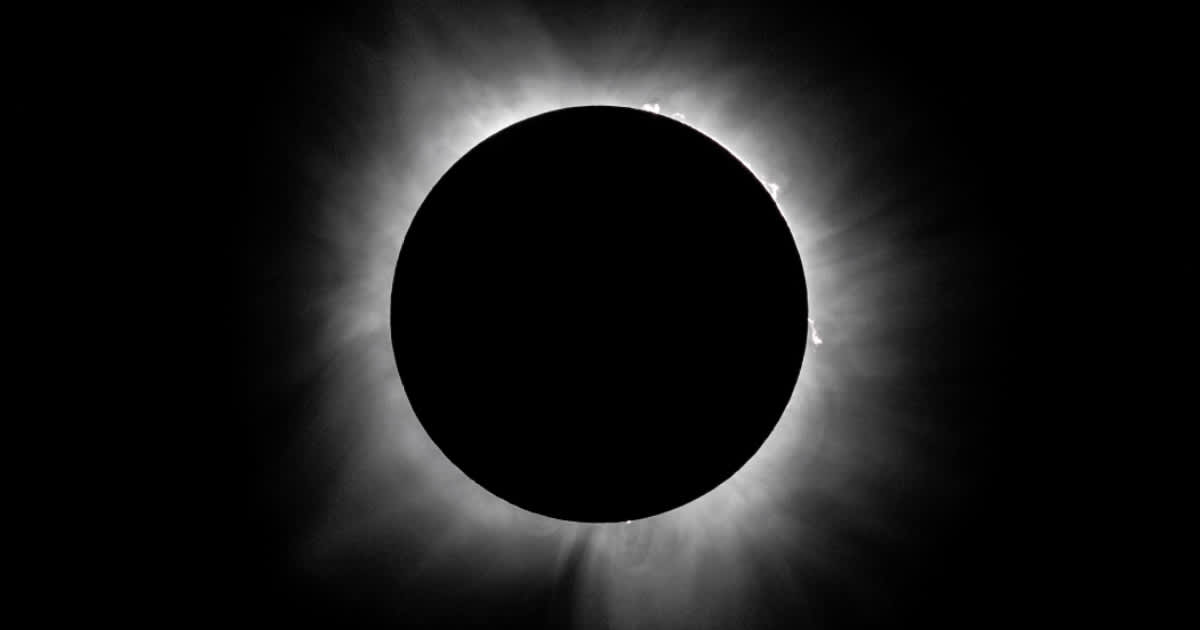
2026, with its many sky events, also features a total solar eclipse over Russia, Greenland, Iceland, and Spain on August 12, projected to peak at 17:45 UTC with 2 minutes 18 seconds of totality. Speaking of sky events coming up next, March will see a Blood Moon lunar eclipse, inverting the Earth-Moon system and casting the Earth’s shadow on the lunar surface.
More on Starlust
March 2026 'Blood Moon': Everything you need to know about the upcoming total lunar eclipse
In pics: 'Blood Moon' total lunar eclipse as seen from Japan, Egypt, India and across the globe