February 17 annular solar eclipse: Timing and visibility
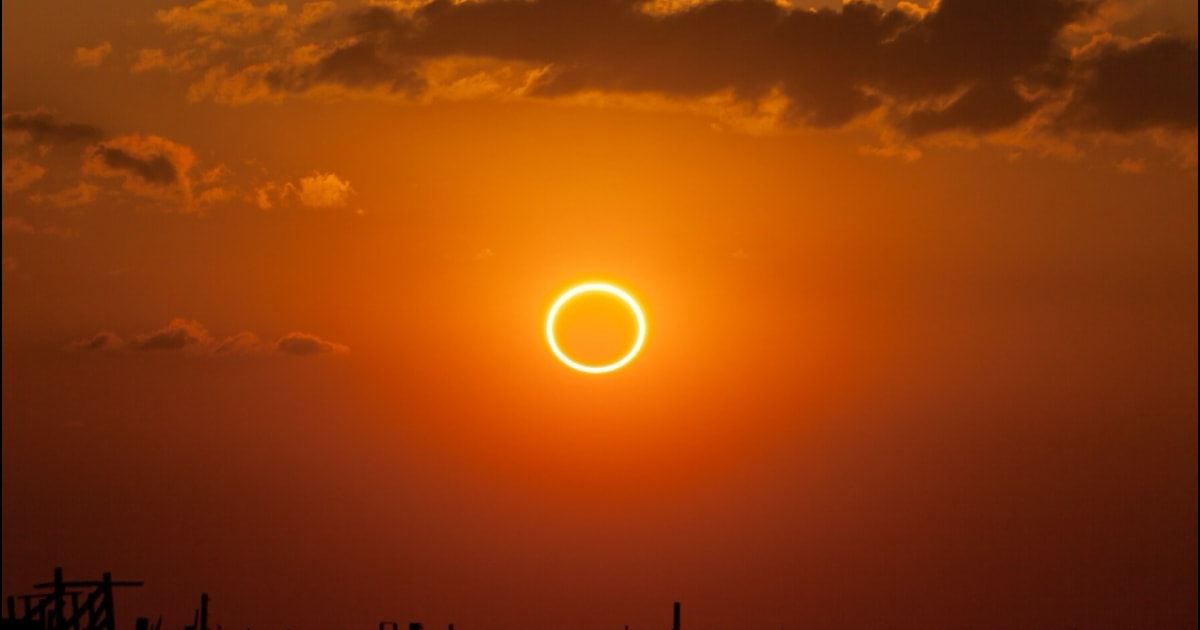
On Tuesday, February 17, 2026, an annular solar eclipse, popularly known as a “ring of fire,” will be visible from Earth, but only to observers stationed in Antarctica. This type of eclipse happens when the Moon passes directly in front of the Sun but appears too small to fully cover it, creating a brilliant glowing ring around its silhouette.
Where is it visible and when?
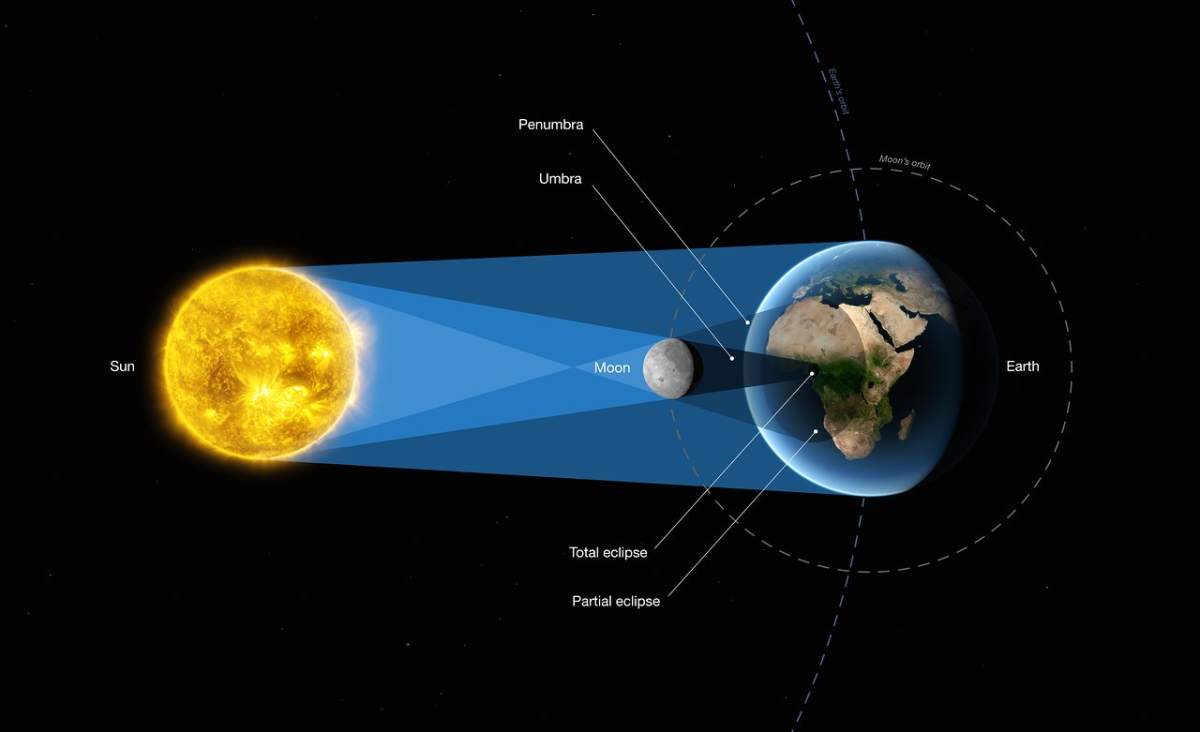
The event is projected to begin peaking at 7:12 a.m. EST (1212 GMT), with annularity visible over Antarctica’s icy expanses for just 1 minute and 52 seconds. For most terrestrial inhabitants, therefore, visibility of the ring is not possible, unless they live in scientific stations like the French-Italian Concordia on the Dome C site and Russia’s Mirny on the Davis Sea coast. While the full ring will remain exclusive to the polar ice cap regions highlighted above, a partial solar eclipse ranging from 12% to 20% will extend visibility to skywatchers elsewhere along the southern tips of South America and southern Africa. Per EarthSky, the partial eclipse will begin at 9:56 GMT (4:56 a.m. EST). No matter where people are observing the eclipse from, they will have to wear eclipse-appropriate glasses.
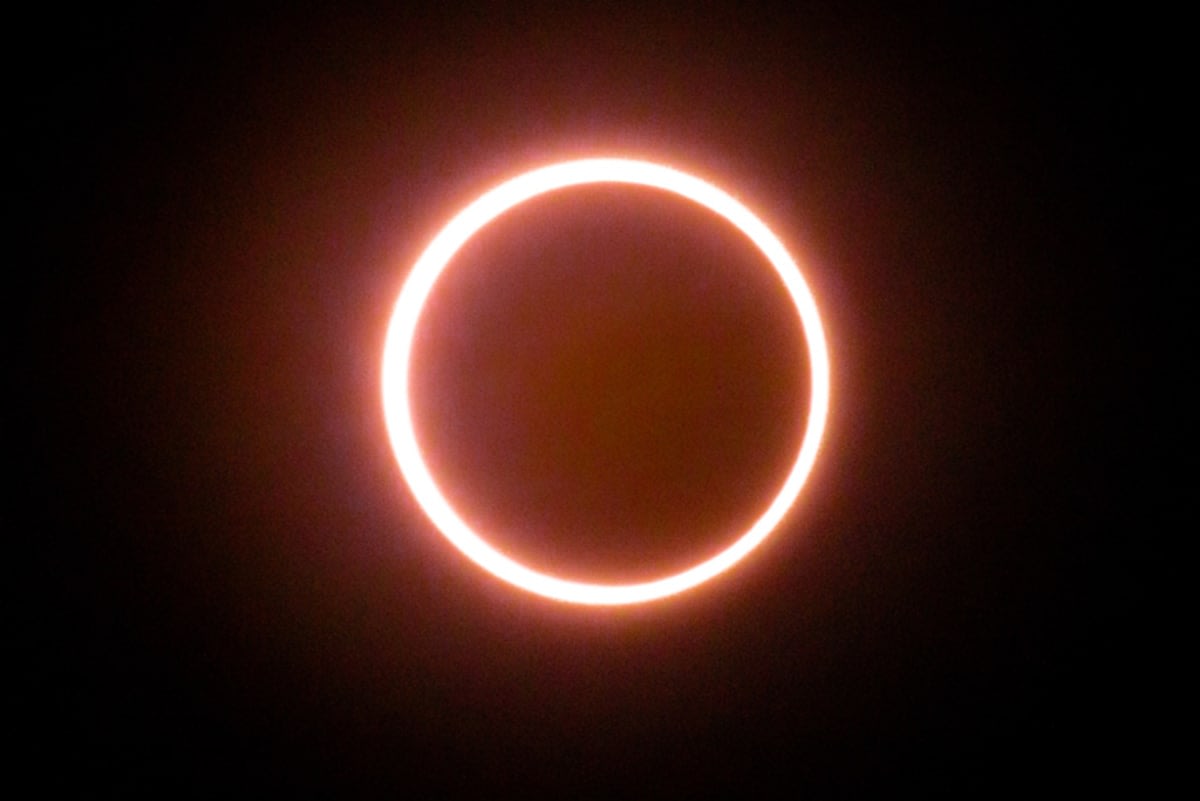
Although the Moon will cover about 96% of the Sun during the eclipse, the infrared and ultraviolet radiation from the Sun can still cause permanent damage to observers' eyes. The protection ensures that it doesn't happen. Space.com recommends dedicated solar binoculars like the Lunt SUNoculars and Celestron Eclipsmart for those who intend to get a closer look at solar eclipses.
As defined by NASA, an event called Greatest Eclipse marks the moment when the moon’s shadow axis comes closest to Earth’s center, making it a key reference point for the entire eclipse and a simple way to compare eclipses. Greatest Duration, on the other hand, marks the specific moment along the central path where the annular ring phase reaches its longest length, which can differ from Greatest Eclipse due to the motion of the Moon's shadow with respect to the curvature of Earth's surface and to the Equator.
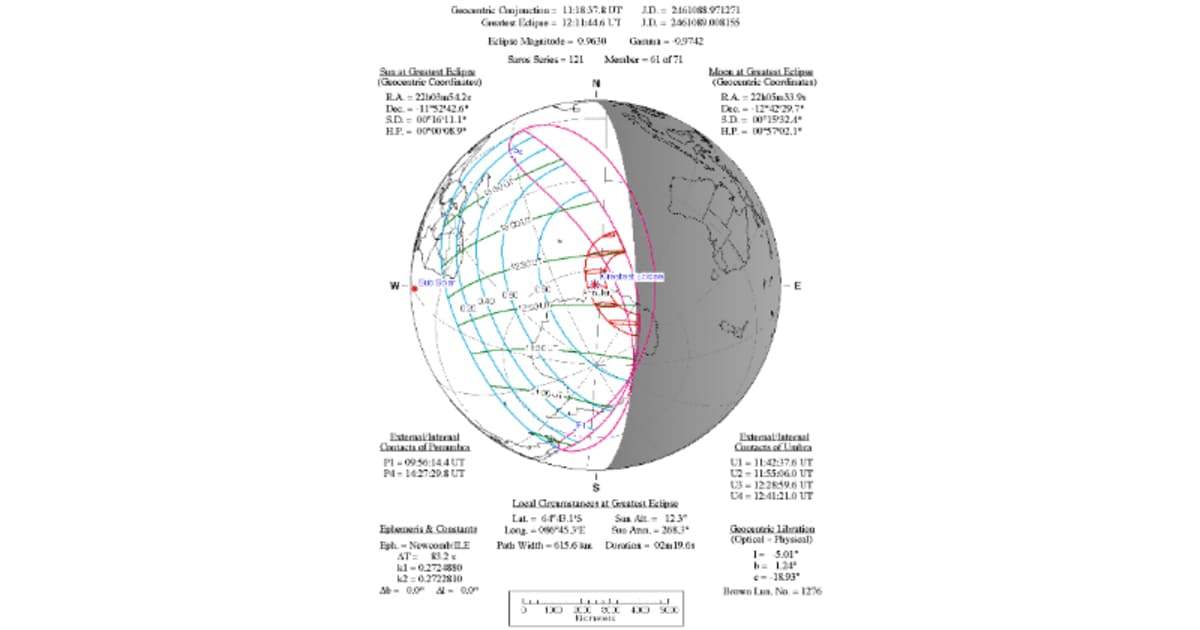
For reference, these key timings and positional information from the data made available by NASA for the February 17, 2026, annular eclipse are as follows:
Greatest Eclipse at 12:11:54.1 UTC (64°43.0’S, 086°45.2’E), with Sun altitude 12.3°, path width 616.6 km, and central duration 02m 19.6s.
Greatest Duration at 11:48:16 UTC (71°57’S, 136°39’E), with Sun altitude 0.0° near horizon, path width 766.1 km, and central duration 02m 20.9s.
More on Starlust
2026 key skywatching events: Blue Moon, total solar eclipse and more
NASA’s Carruthers Observatory, designed to study Earth's geocorona, reaches targeted 'halo orbit'