March 2026 'Blood Moon': Everything you need to know about the upcoming total lunar eclipse
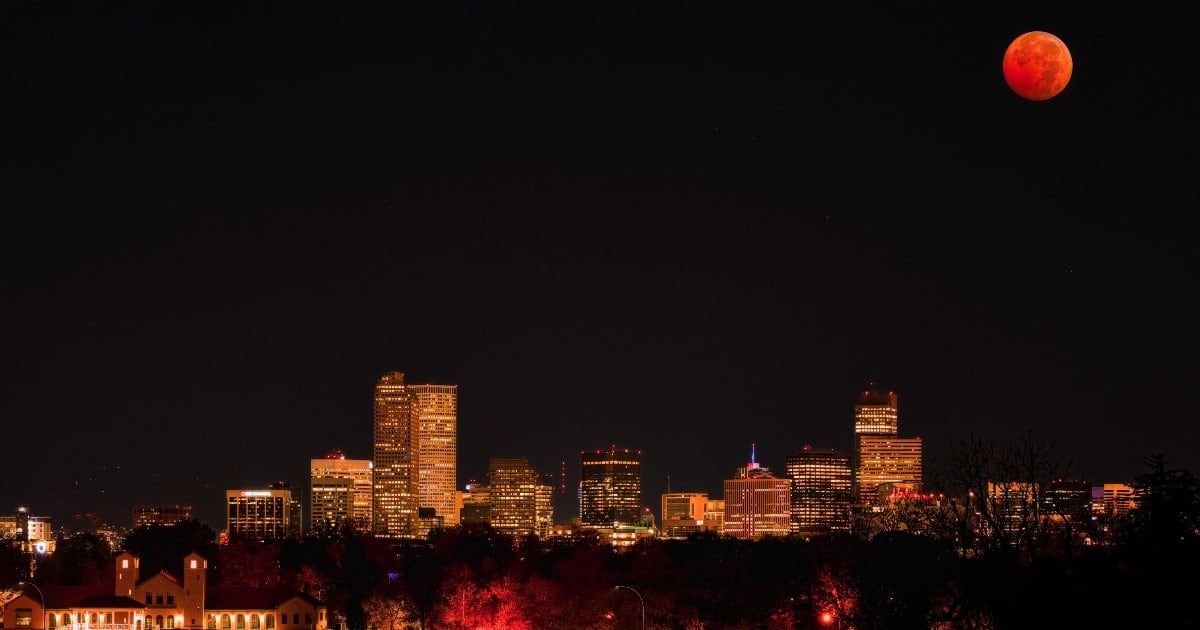
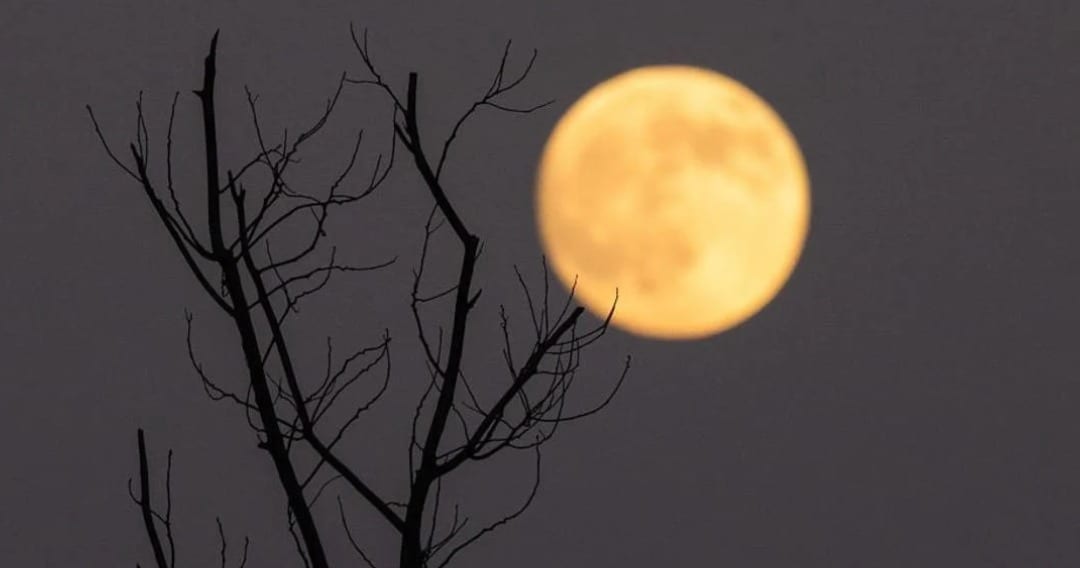
According to NASA, a total lunar eclipse will transform the Moon into a striking 'Blood Moon' on March 3, 2026, captivating skywatchers across much of the world. Totality, when the Moon is fully immersed in Earth’s shadow, will last nearly an hour from 11:04 UTC (6:04 am EST) to 12:03 UTC (7:03 am EST). The entire event will span over five hours, starting with the penumbral phase at 8:44 UTC (3:44 am EST), which will end at 14:23 UTC (9:23 am EST). Viewers in eastern Asia, Australia, the Pacific, North and Central America, and western South America will see the full spectacle in the evening or early morning hours under clear skies.
This eclipse can be seen by anyone with a clear view of the Moon, with just their eyes. Unlike solar eclipses, no protective gear is needed to enjoy this particular event. Binoculars or a telescope enhance details like surface features bathed in red light, while a dark site away from city lights is certain to improve observation. During this time, the Moon will appear in the constellation Leo, near the hind paws, making constellation features easier to spot as Earth’s shadow dims its usual brightness.

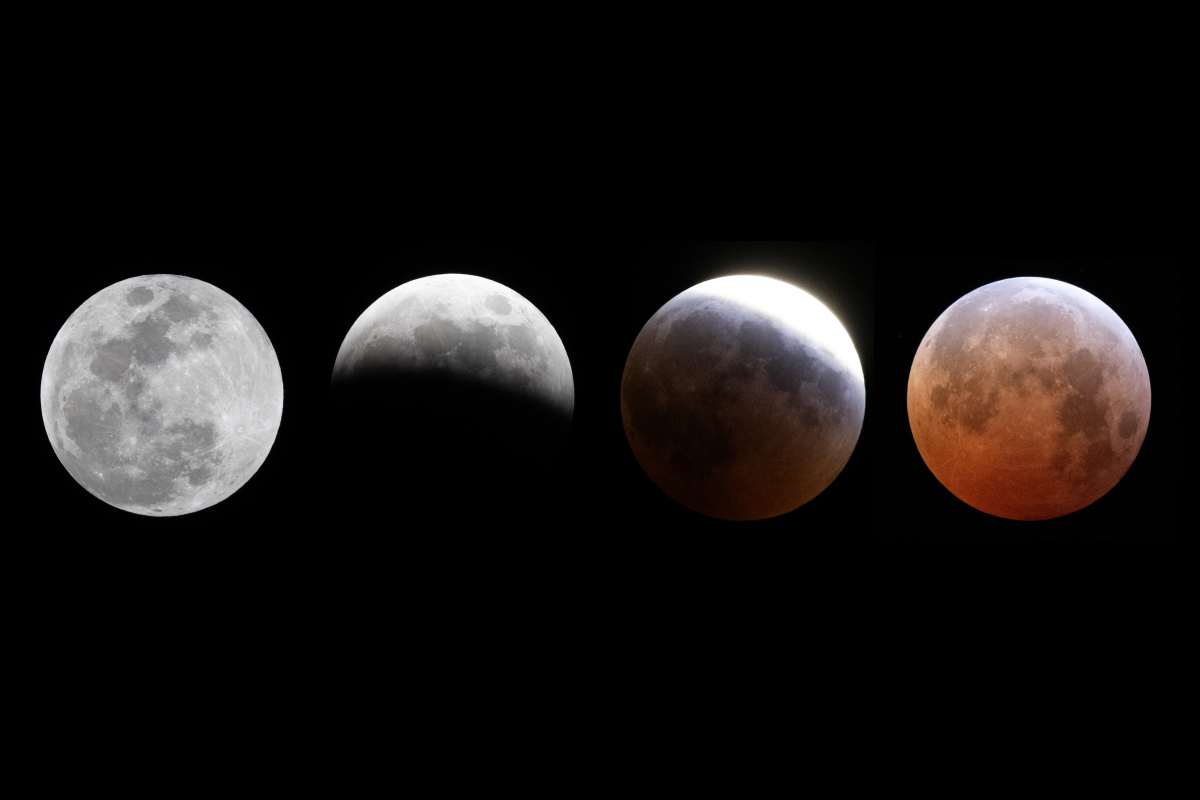
Lunar eclipses happen when Earth positions itself directly between the Sun and a full Moon, casting a shadow so vast that it engulfs the lunar surface wholly during totality. This precise alignment is vastly predictable, but the Moon’s tilted orbit prevents monthly events. During the penumbral phase, the Moon enters the outer part of the Earth's shadow and begins dimming before beginning to enter the umbra—the central portion of the Earth's shadow—thus marking the start of what is known as the partial phase. During totality, sunlight bends through Earth’s atmosphere, scattering blue light in all directions while projecting red and orange lights onto the Moon, creating a Blood Moon in the process. This phenomenon is known as Rayleigh scattering and is the thing responsible for sunrises and sunsets appearing red or orange in hue from here on Earth.
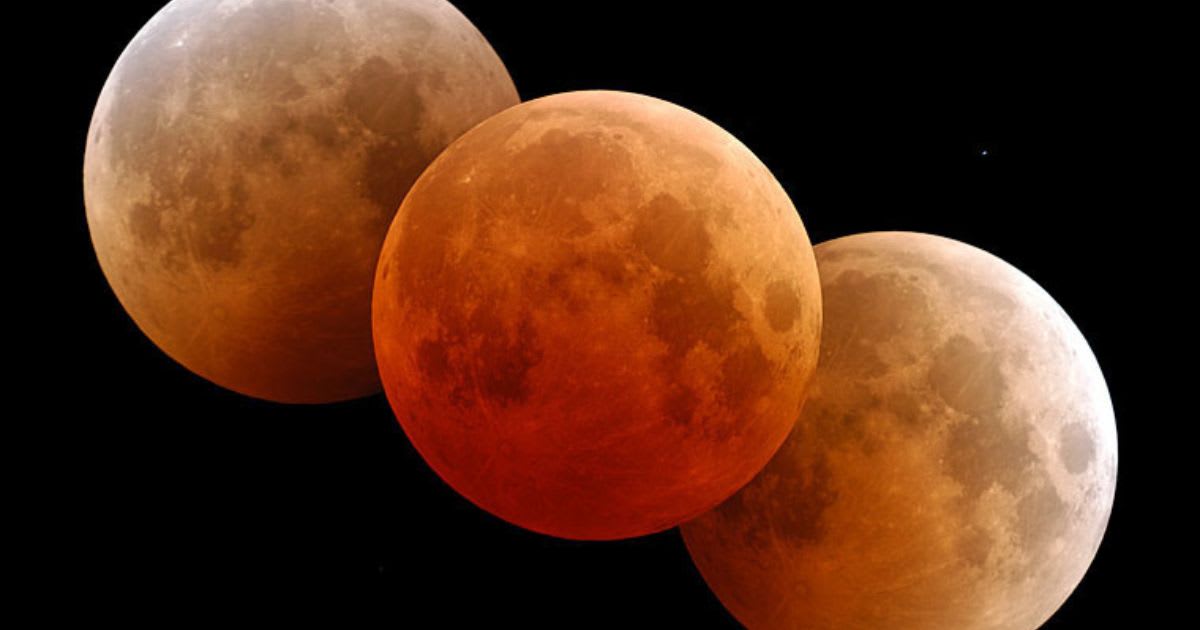
Photographers around the world captured some amazing images of the last blood moon during the total lunar eclipse in September 2025, showcasing its eerie red glow from diverse locations like Japan, Egypt, India, and beyond. The March 2026 total lunar eclipse will present similar photographic opportunities, with a decent totality duration and wide visibility across continents, inviting skywatchers to document the event once more.
More on Starlust
2026 key skywatching events: Blue Moon, total solar eclipse and more
Newly discovered comet C/2026 A1 (MAPS) raises the question: Could it be visible in daylight?