Next solar eclipse of 2026: Date, time and best viewing locations
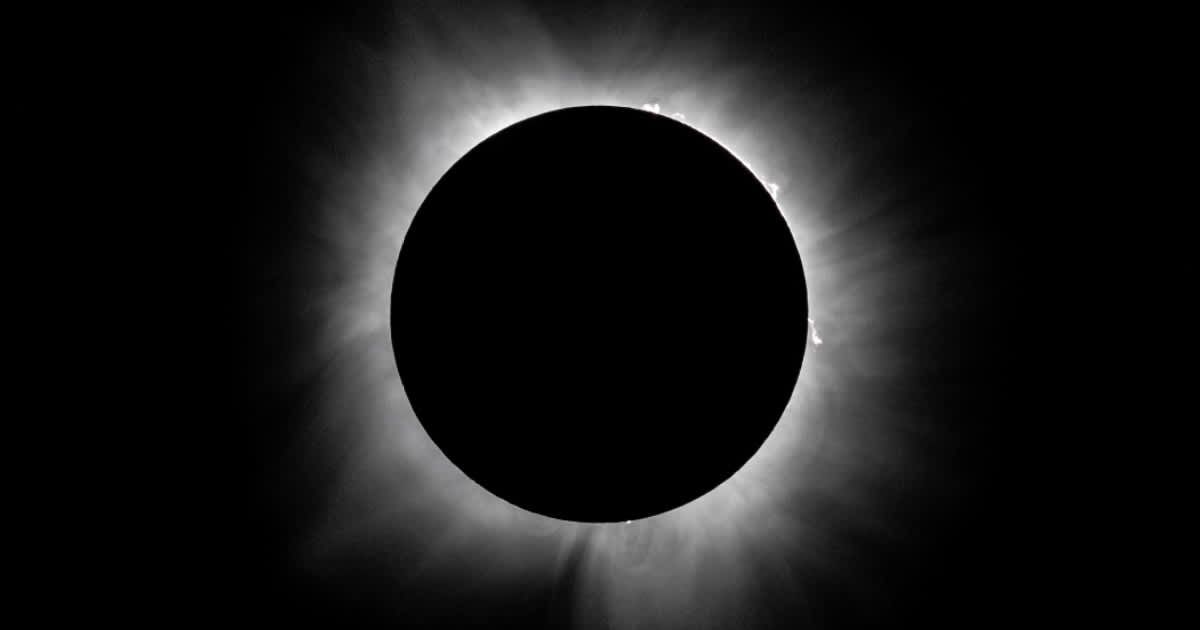
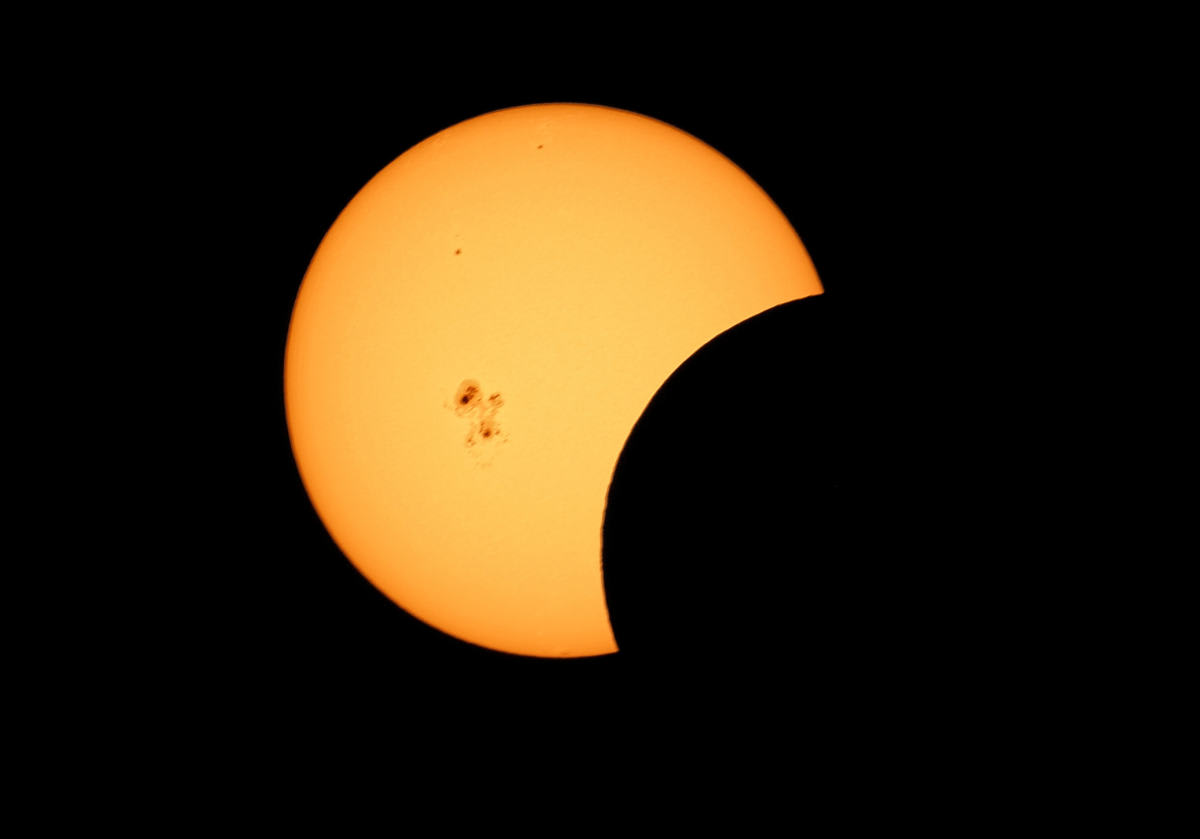
With the first solar eclipse of 2026 done and dusted, it's time to look forward to the only other solar eclipse scheduled for this year. This one, slated for August 12, 2026, according to Eclipse Predictions by NASA scientist Fred Espenak at the Goddard Space Flight Center, is going to be a total solar eclipse. Unlike Tuesday's annular solar eclipse, the Moon will completely obscure the Sun for a short period of time in August. Here's everything you need to know about the much-awaited celestial event set to grace the skies a few months from now.
Time
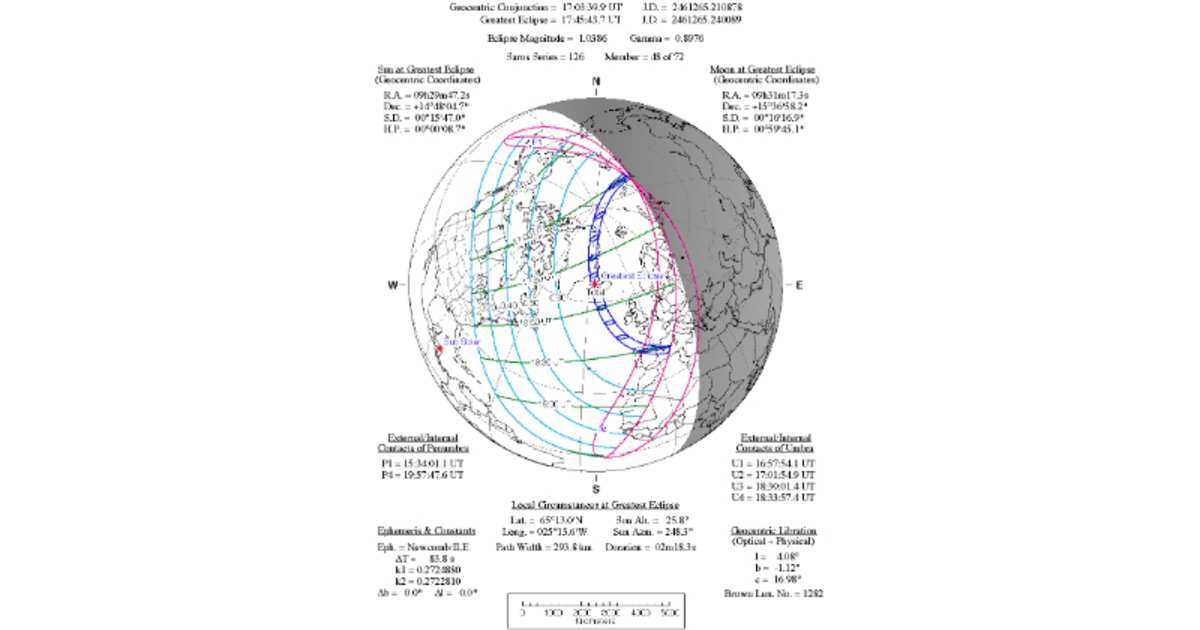
The solar eclipse will take place over several hours as the Moon’s shadow crosses Earth. The partial eclipse, when the Sun, Moon, and Earth are not perfectly lined up, causing the Sun to appear like a crescent in the sky, will begin at 15:34 UTC and end at 19:57 UTC. The total eclipse, meanwhile, can be seen from 16:58 UTC to 18:34 UTC. Totality will peak with the greatest eclipse at around 17:45 pm UTC, lasting up to 2 minutes and 18 seconds, when the Moon completely blocks the Sun.
Place
The path of totality will begin in remote Siberia. After that, it will pass through eastern Greenland, western Iceland, and northern Spain before ending east of the Balearic Islands in the Mediterranean, per Space.com. More specifically, the Spanish regions of Mallorca, Menorca, and Ibiza are in for a great view of the event, with a totality of about two minutes over the Balearic Sea. Breiðafjörður Bay in Iceland, meanwhile, will experience totality for the full 2 minutes and 18 seconds. The BBC recommends hiking to the summit of the Snæfellsjökull glacier or visiting Arnarstapi, a remote fishing village, for the best experience. Additionally, according to NASA, parts of North America, Africa, and Europe will experience a partial solar eclipse.

But no matter where observers are and what kind of eclipse they are chasing, they must wear eclipse-appropriate glasses, as even a partial eclipse can permanently damage the eyes. Looking ahead, the next total solar eclipse, projected for August 2, 2027, has been hailed as the century’s longest, with over six minutes of totality crossing spots in Spain, northern Africa, and the Middle Eastern regions of Yemen and Saudi Arabia.
More on Starlust
European Space Agency's Proba-3 mission delivers first images of artificial solar eclipses
March 2026 'Blood Moon': Everything you need to know about the upcoming total lunar eclipse