Century-old meteorite from Azerbaijan reveals new clues about Mercury
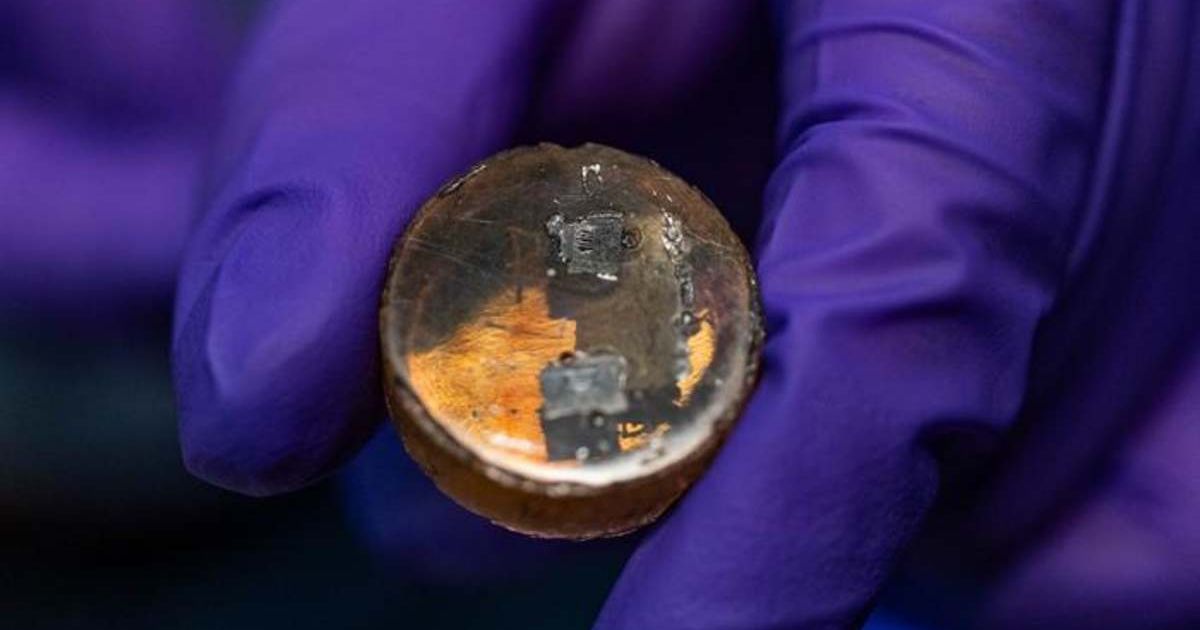
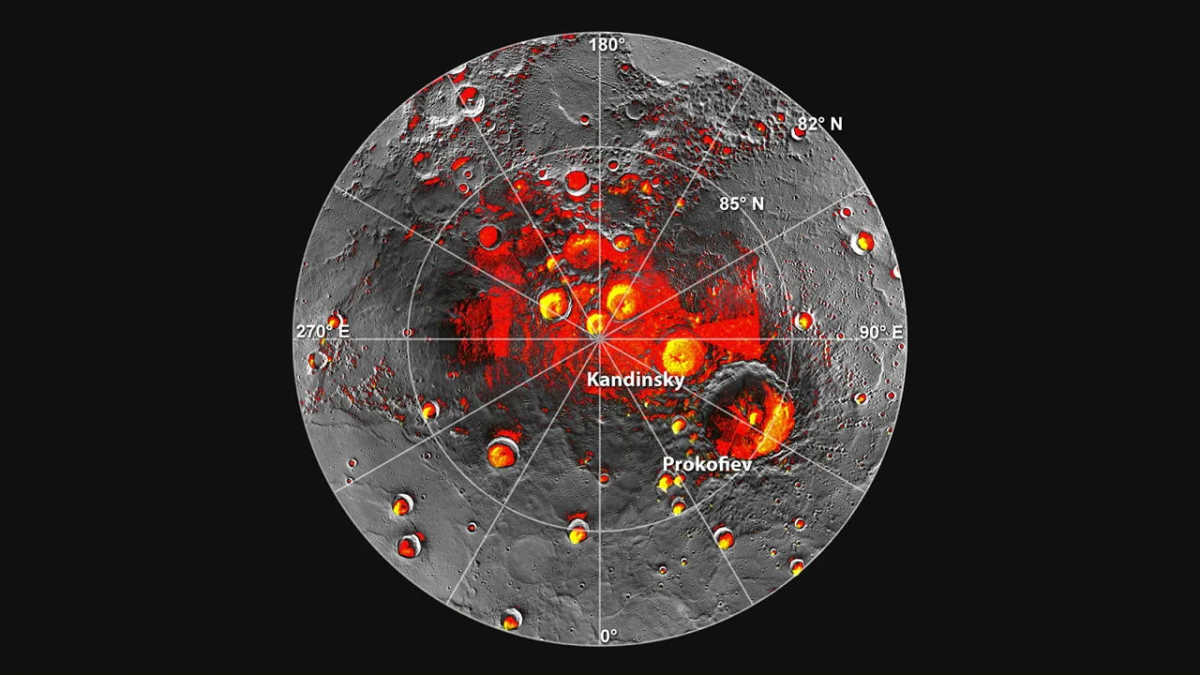
Indarch, a meteorite that landed in Azerbaijan in 1891, looks chemically similar to the crust of Mercury, according to a study published in Geochimica et Cosmochimica Acta. “The meteorite is chemically as reduced as rocks on Mercury,” said Yishen Zhang, a postdoctoral researcher at Rice University and first author on the paper, in a statement. “It is believed to be a possible building block of the planet.” The previous two missions, such as Mariner and Messenger, that flew by this planet revealed that it has an iron-poor but sulfur-rich crust. Its surface is in a reduced state, meaning that substances have gained electrons, making it the most reduced planet in the solar system.
Yet, researchers know little about this rocky planet. “Mercury’s surface looks completely different than Earth’s,” said Rajdeep Dasgupta, the Maurice Ewing Professor in Earth Systems Science and director of the Rice Space Institute Center for Planetary Origins to Habitability. “We couldn’t study its magmatic evolution using assumptions built on our understanding of Earth, and the missions’ data are difficult to interpret.” “We had to find ways to bring the planet closer to our lab — specifically, through the meteorite Indarch,” Dasgupta added.
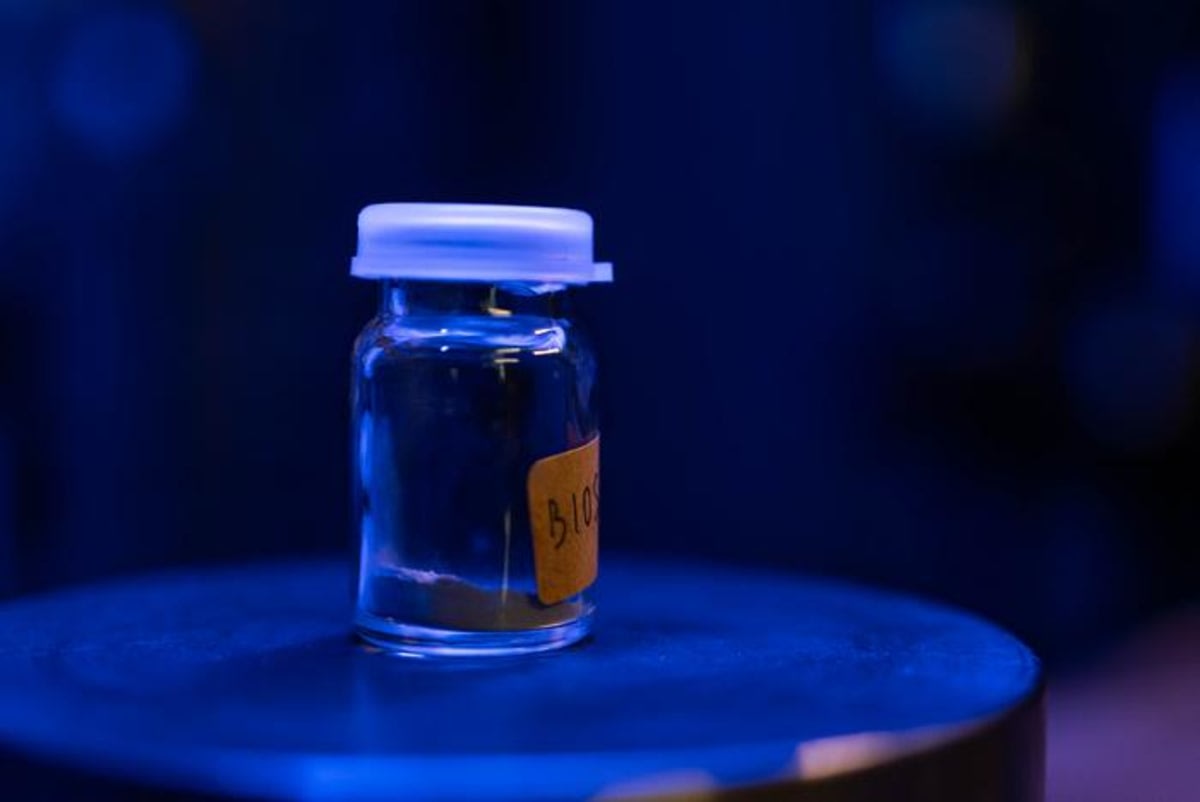
Their obvious choice was to analyze Indarch. The team prepared a model melt composition of Indarch to create their own Mercury rocks in a high-pressure and high-temperature environment. They then mixed the Indarch’s chemicals in a small glass container and simulated conditions that are present on Mercury. “This process of cooking a rock can show us what happened chemically inside Mercury,” Zhang said. They recreated Mercury-like conditions by considering the temperature, pressure and chemical constraints from models and observational studies. Their goal was to study how magmas form and evolve there. This is even without having direct samples from the planet.
The researchers found that the presence of sulfur lowers the temperature at which these reduced melted rocks begin to form crystals. At lower temperatures, sulfur-rich magmas may stay molten on Mercury. This low crystallization temperature probably shaped the planets’ unique chemical composition: low iron, high sulfur and the chemically reduced state.
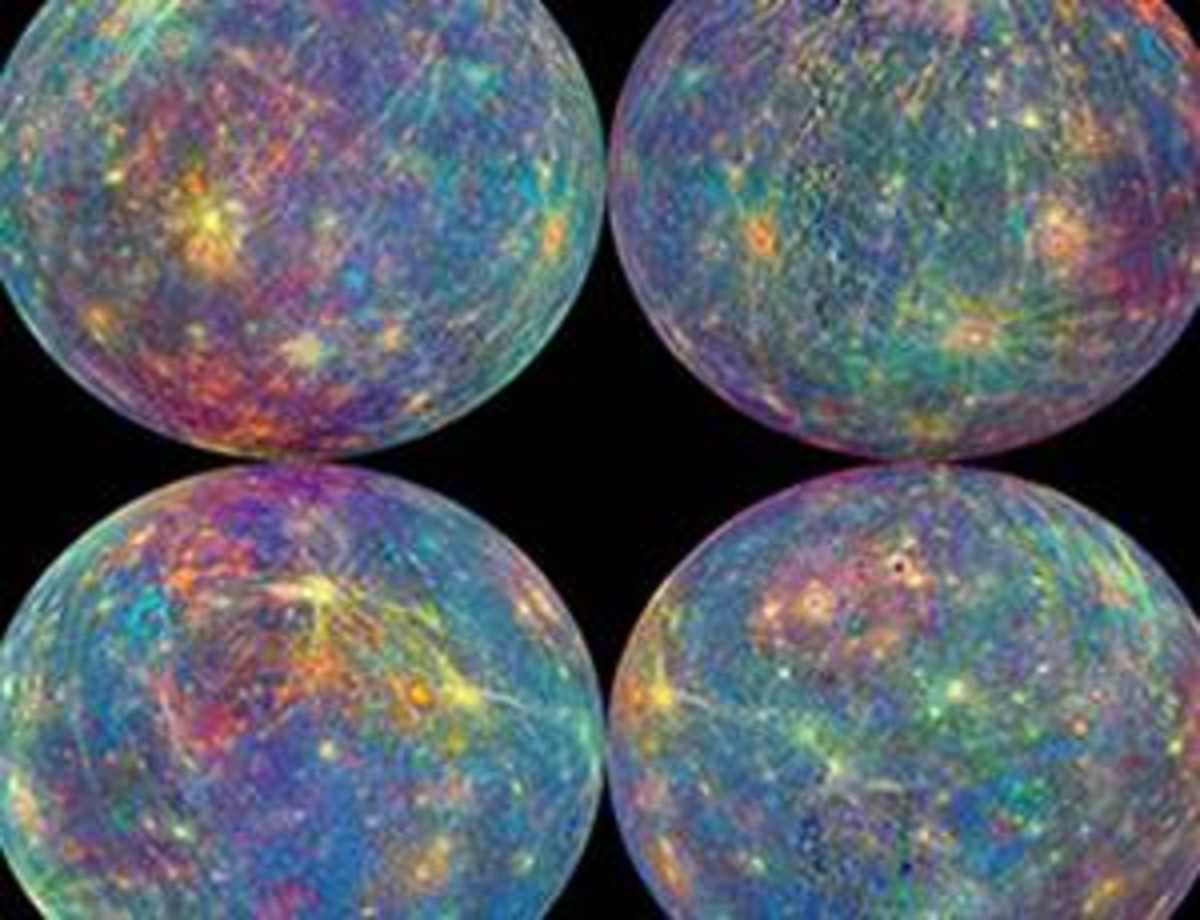
Sulfur is a highly reactive element and it can easily bind to other elements such as iron. On iron-rich planets like Mars and Earth, most of their iron lock sulfur. On Mercury, low iron content forces sulfur to bind to other elements, such as rock-forming elements like magnesium and calcium. When sulfur doesn’t get iron and silicon to bind, it settles down with other rock-forming elements. On Earth, rock-forming elements bind to oxygen, resulting in a stable structure called a silicate network made up of silicon, oxygen and rock-forming elements. When oxygen is replaced by sulfur, the network becomes weaker and forms crystals at a lower temperature. “As Indarch may represent Mercury’s proto-planet state,” Zhang said, “these experiments show that Mercury likely formed with sulfur occupying a structural position that on Earth belongs to oxygen. This fundamentally changes how the planet’s mantle solidified.”
More on Starlust
New rover concept would traverse Mercury by following its terminator line