Three planets will grace the evening sky in May—here's all you need to know
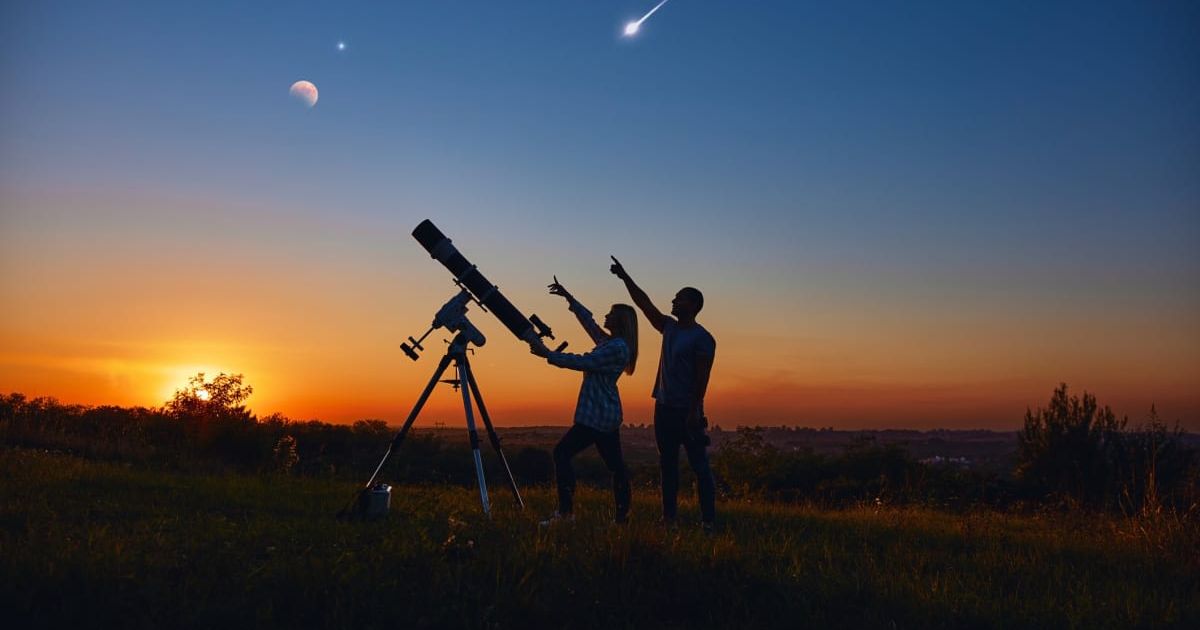
The month of May is going to be an interesting one for skywatchers. This is because as many as three planets will be gracing the evening sky.
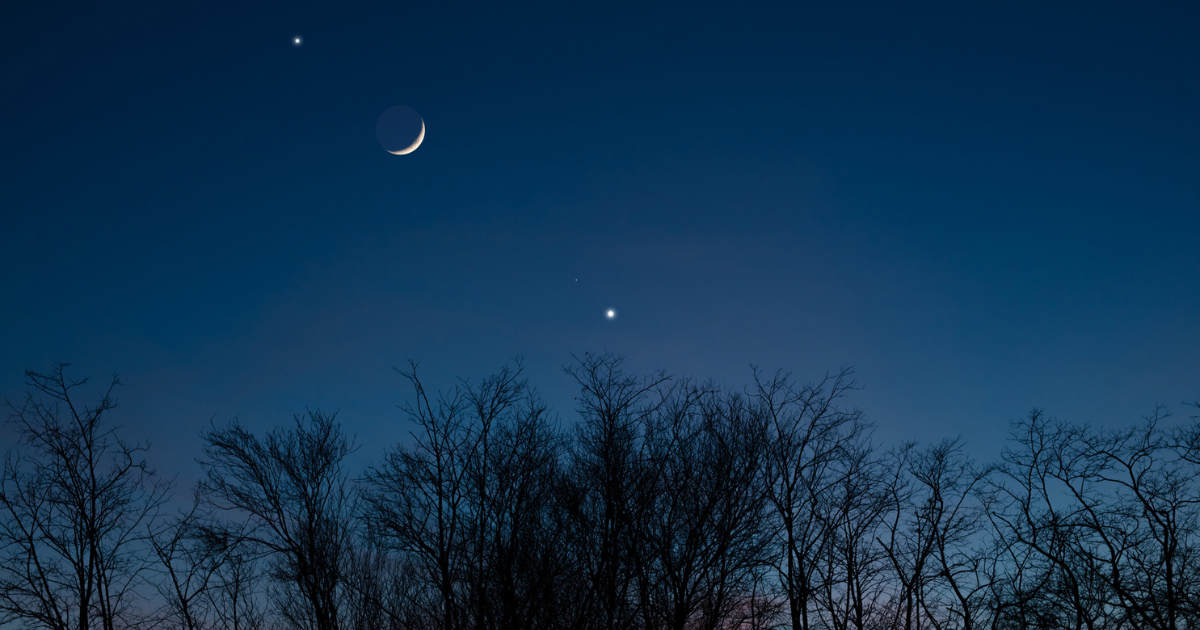
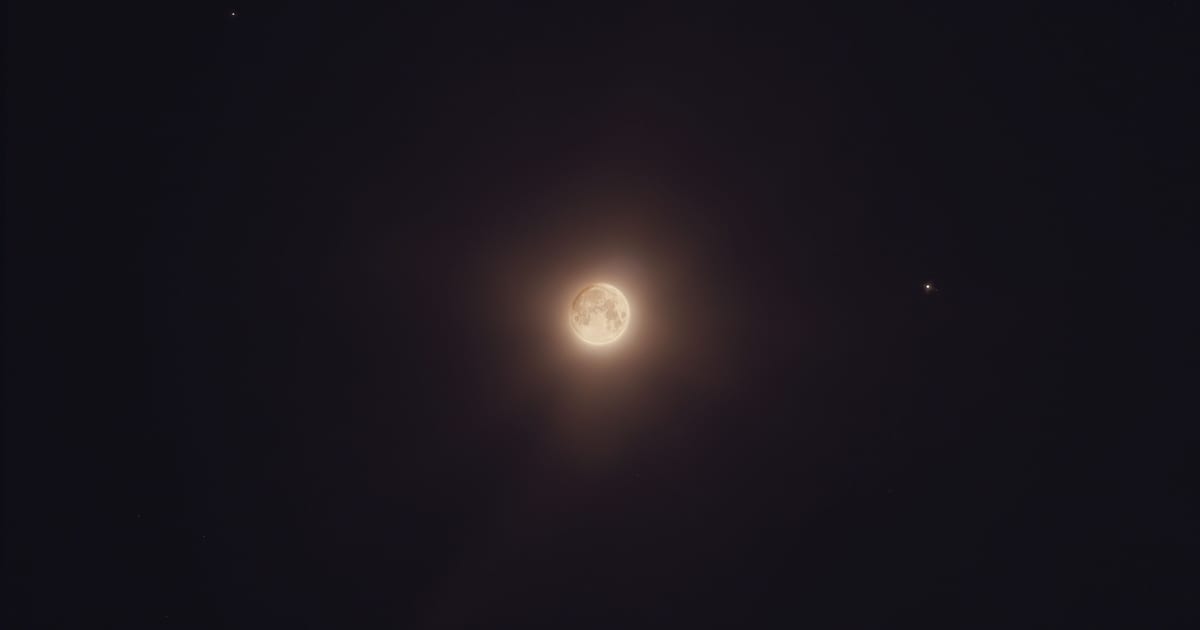
Jupiter will be visible in the evening sky and will be bright and easy to spot, not only through binoculars but even with the naked eye. However, it will continue to gradually sink lower in the horizon each night. Spotting it in the western evening sky will become easier with the help of the “Twin Stars” of Gemini—Pollux and Castor. Moreover, skywatchers will get a bonus on May 20 with the appearance of the crescent Moon. And while Venus continues to shine seven times brighter than Jupiter, it will not be as interesting to see via telescopes, with its gibbous disk appearing small and featureless, per Space.com.
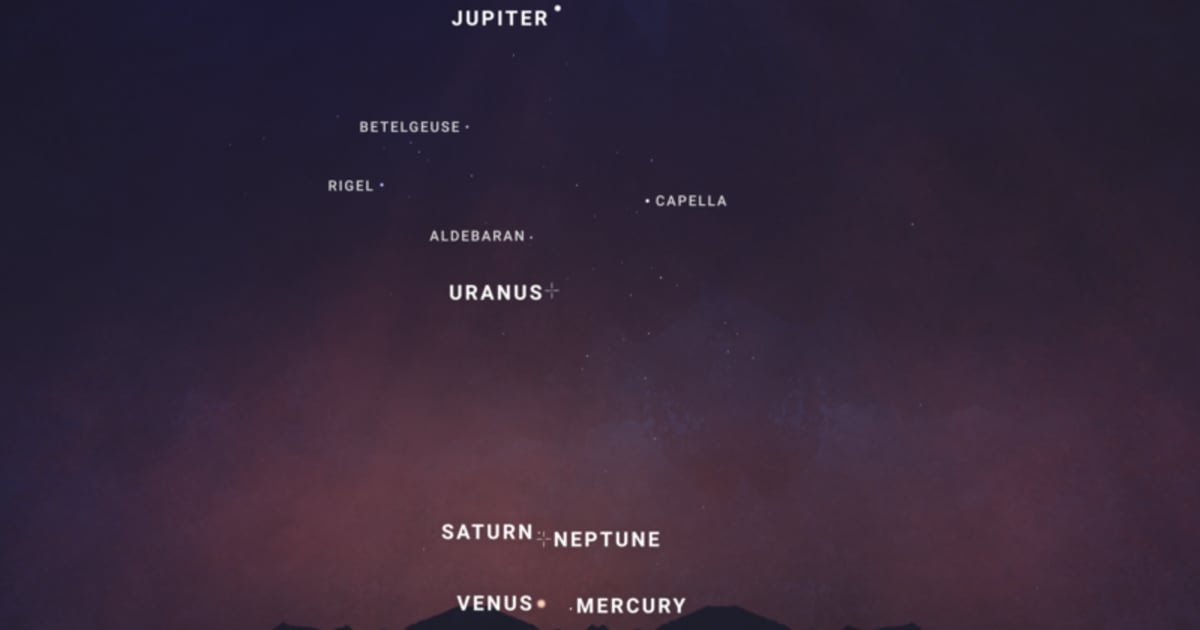
Although Mercury has still not joined Venus and Jupiter, it will be visible after sunset near the west-northwest horizon later in the month. Alongside Jupiter, Venus, and Mercury, observers may also get to spot Saturn and Mars, with the latter gradually becoming easier to see in the east of the early morning sky. While it will not be the easiest to spot, a crescent Moon on May 14 may be of help to observers.
Venus
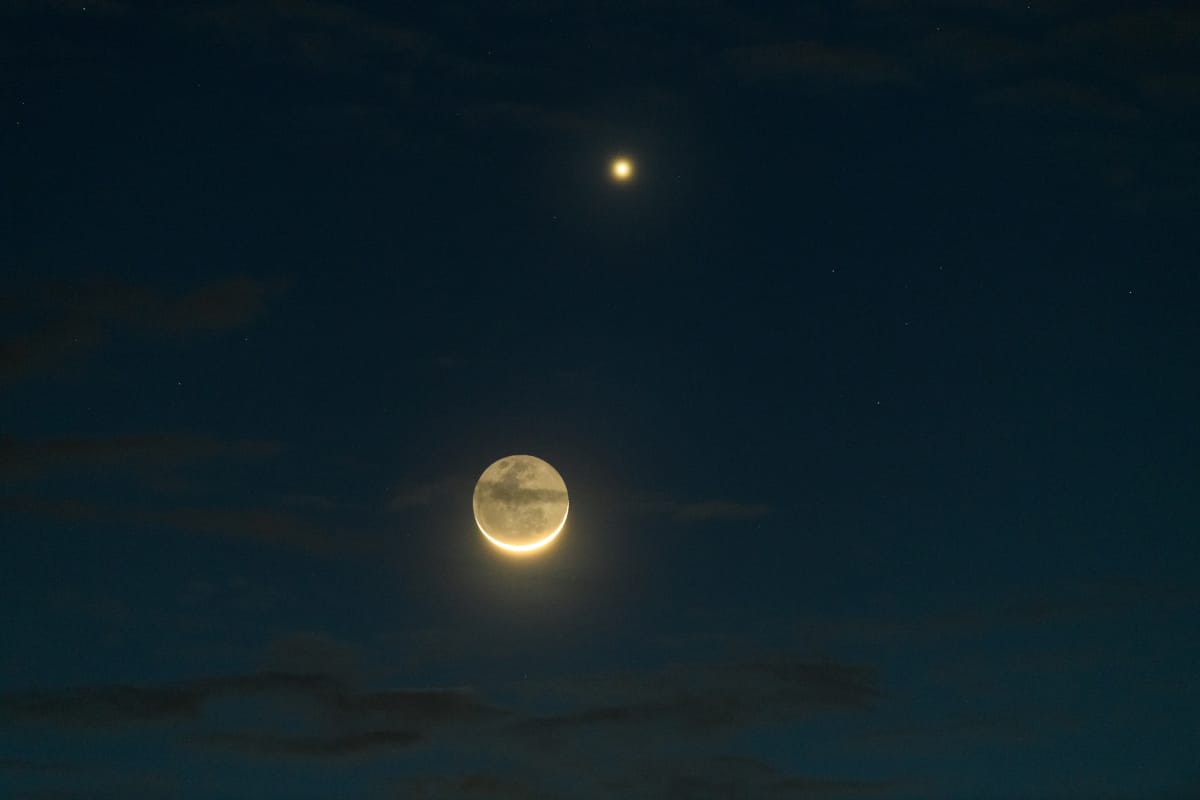
The Evening Star will continue to remain visible throughout the month of May in the low west-northwest sky. While it will shine at a magnitude of -4.0 and will be visible to the naked eye, tracking its movement through a telescope might not turn out to be particularly interesting. 84% of it will be visible during mid-May, and on May 18, it will be accompanied by the crescent Moon, which will hang about 2.5 degrees to its right.
Jupiter
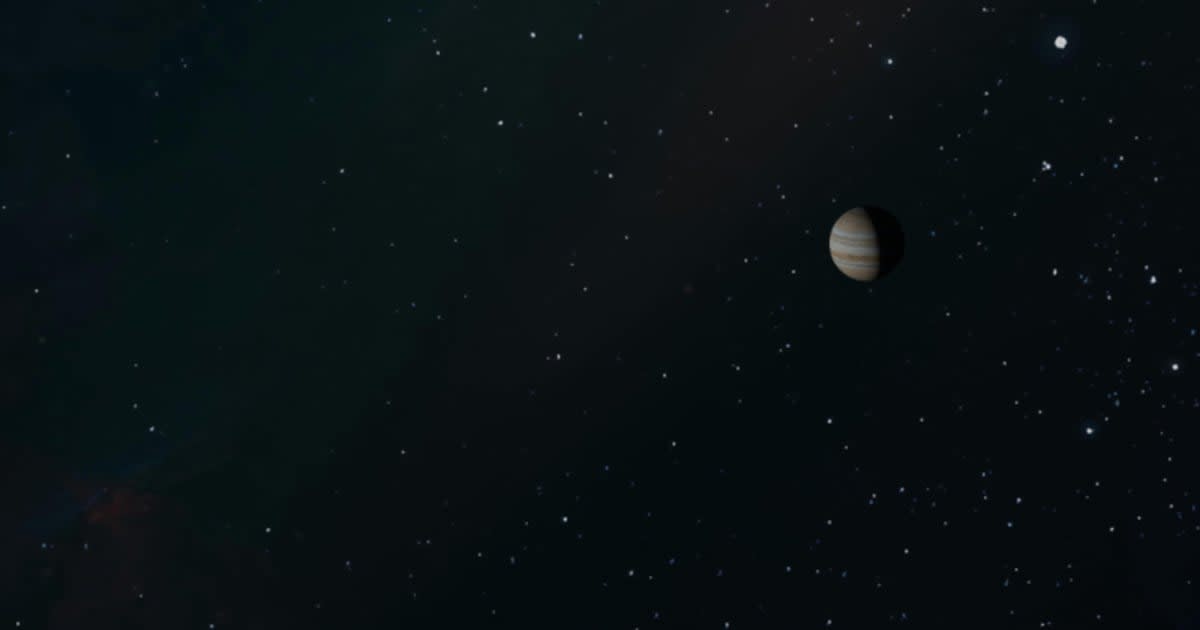
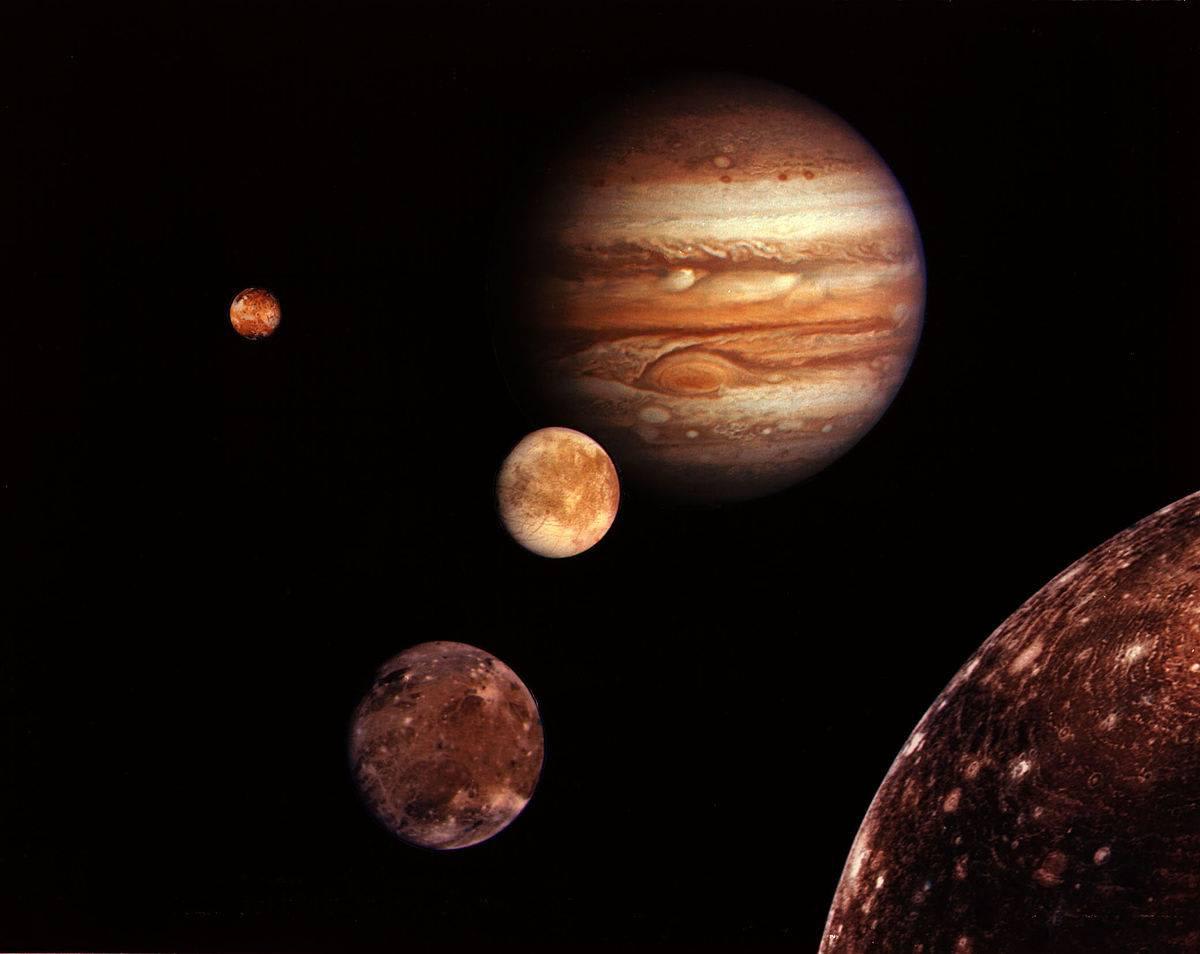
After sunset, the largest planet will be visible about one-third up from the western horizon to the point directly overhead, thereby allowing viewers to get impressive telescopic views of its cloud patterns and big satellites. After sitting beside Venus, the Moon will join Jupiter around May 20 on the lower right of the gas giant. Jupiter will maintain a magnitude of -1.9. By the time May comes to an end, Venus will have moved closer to Jupiter.
Mercury
Mercury is hidden behind the Sun's disk. Despite the visibility issues, astronomers and casual stargazers will still get the chance to spot the Sun's closest companion. Following its superior conjunction on May 14, it will have a magnitude of -1.4 on May 22 and will be 10 degrees east of the Sun, following it below the western horizon by about 55 minutes.
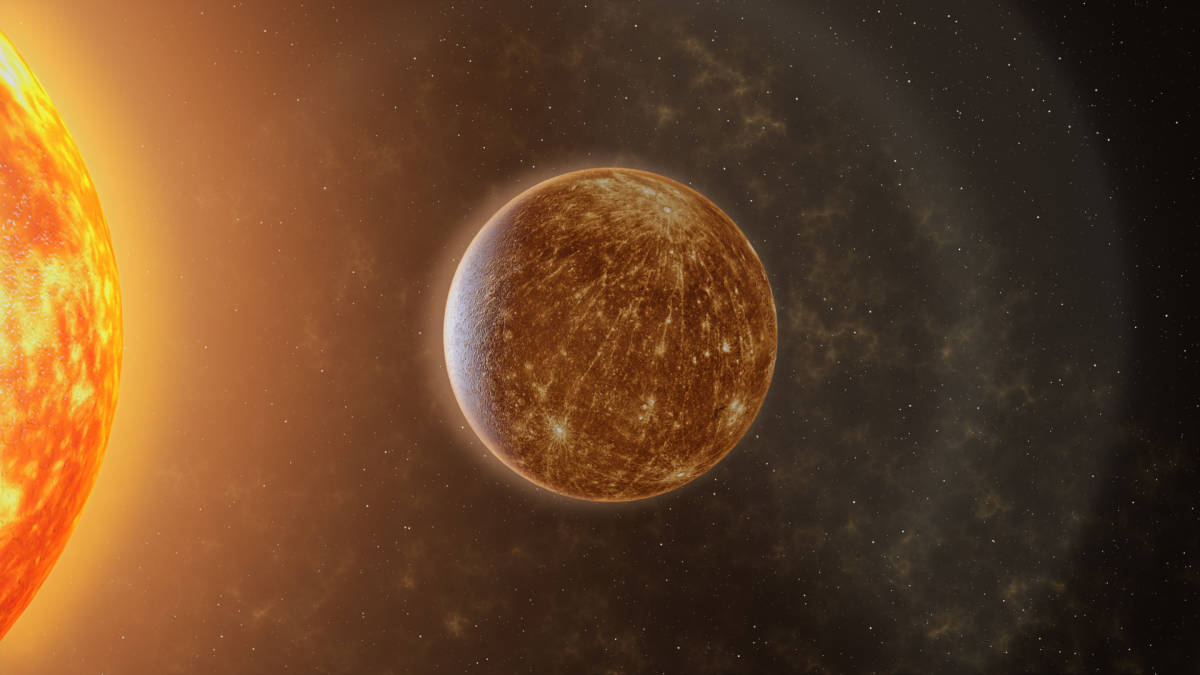
After sunset, one can try to spot Mercury in the evening sky using binoculars, low in the west-northwest. While spotting it with the naked eye will be tough in the early weeks of May, it will be a naked-eye object by May 25, staying visible for about 45 minutes after sundown. It will shine bright to mimic the appearance of a star and sit a noticeable distance above the western horizon (about a fist’s width at arm’s length).
More on Starlust
Caught on CCTV: Fireball meteorite that lit up northern Europe
Flower Moon and Blue Moon 2026: Dates, time and how to watch May’s two stunning full moons