New tool helps scientists predict dazzling auroras lighting up the Martian sky
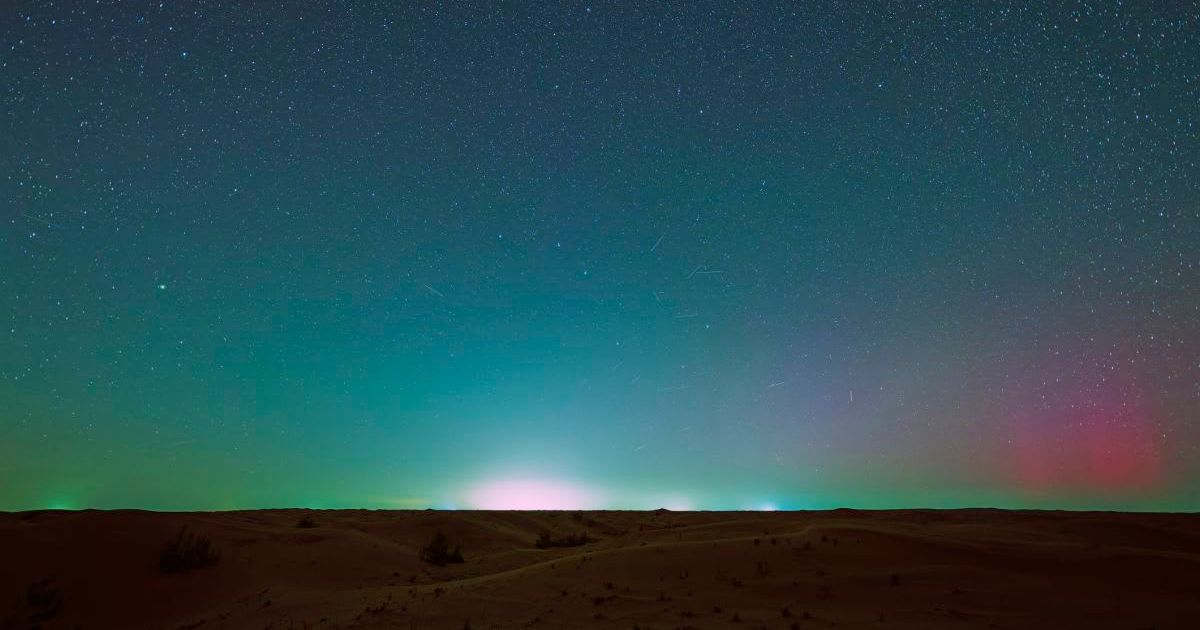
A breakthrough announced at the Europlanet Science Congress–Division of Planetary Science (EPSC–DPS) joint meeting suggests scientists can now reliably predict when auroras will illuminate the Martian night sky. The revelation comes after NASA’s Perseverance rover captured a second visible-light aurora from the planet’s surface, as per Europlanet.
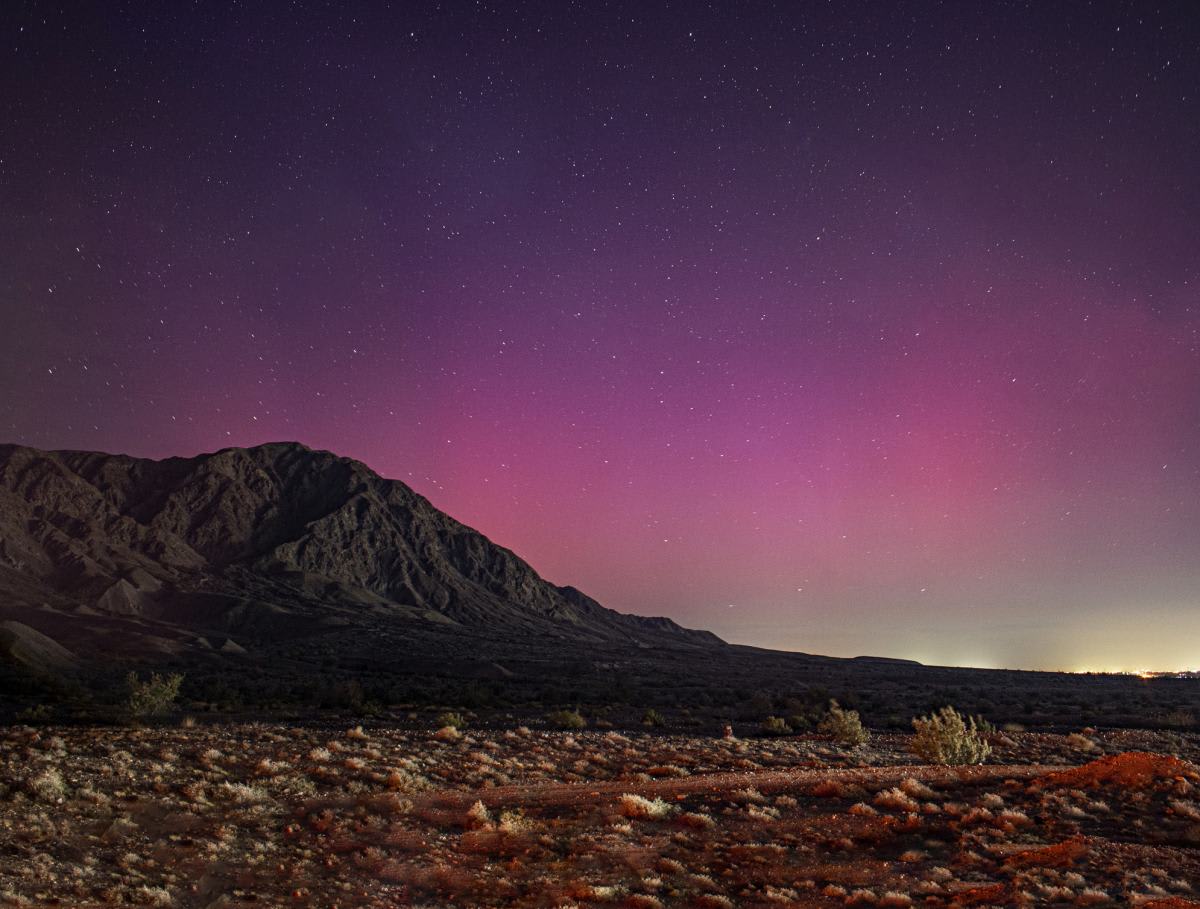
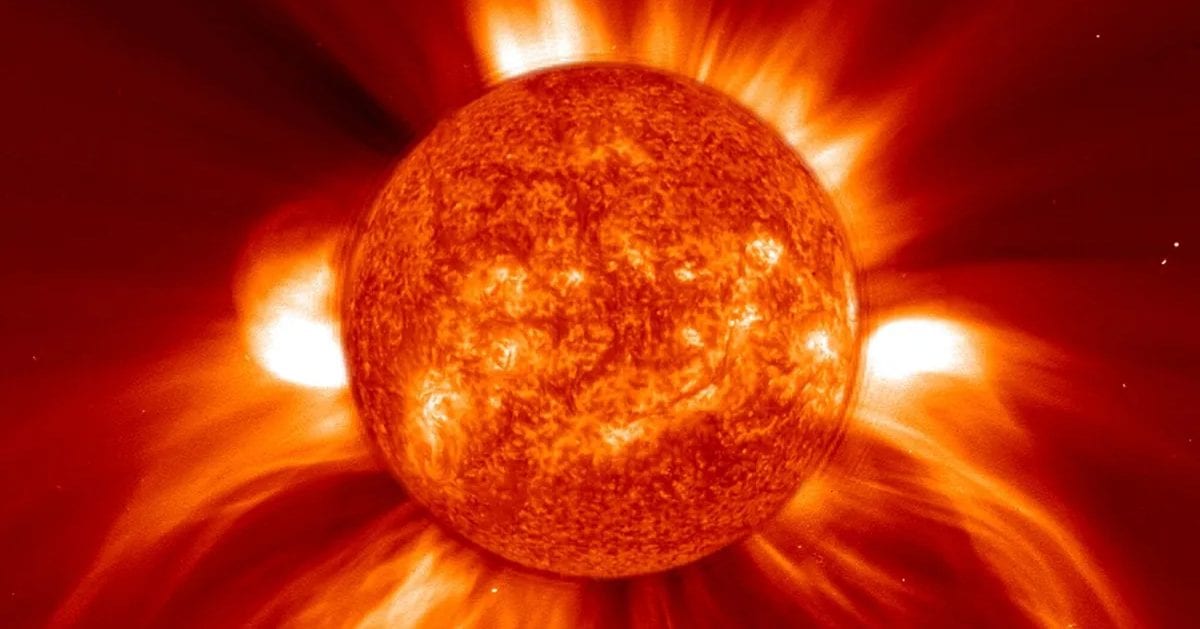
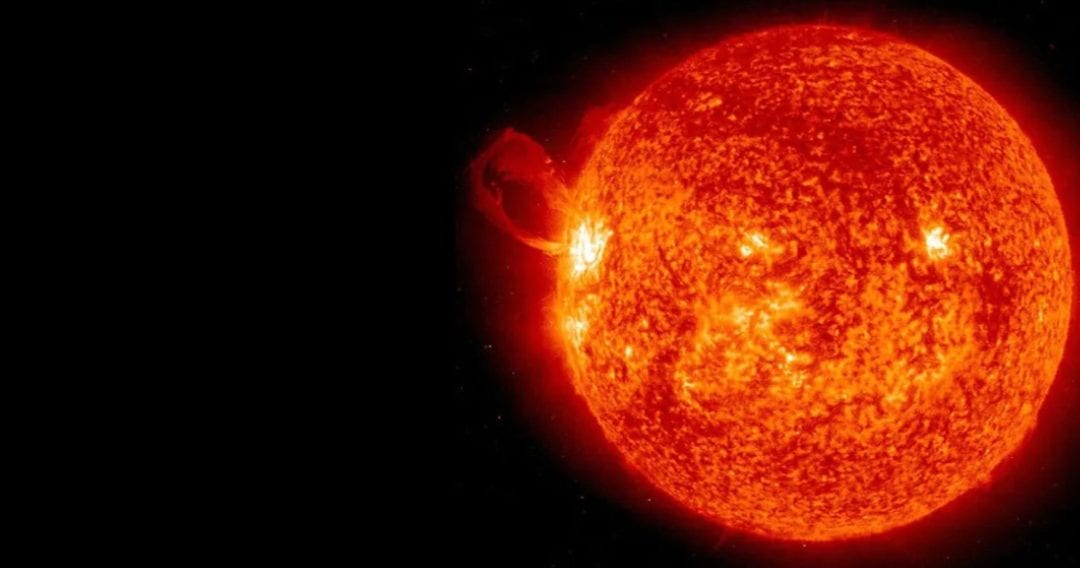
Dr. Elise Wright Knutsen of the University of Oslo, who led the research, confirmed the team’s success in forecasting these luminous events. "The fact that we captured the aurora again demonstrates that our method for predicting aurorae on Mars and capturing them works," she stated. Unlike Earth’s polar auroras, which are directed by a global magnetic field, Mars's "diffuse" auroras can appear anywhere on the planet’s night side. These green glows, bright enough to be seen with the naked eye, are created when energetic particles from the Sun's coronal mass ejections (CMEs) collide with oxygen atoms in the Martian atmosphere.

This ability to forecast solar storms is not merely an astronomical curiosity; it's a critical safety measure for future human exploration. The same radiation that causes the aurora poses a significant threat to astronauts, who would need a warning to seek shelter.
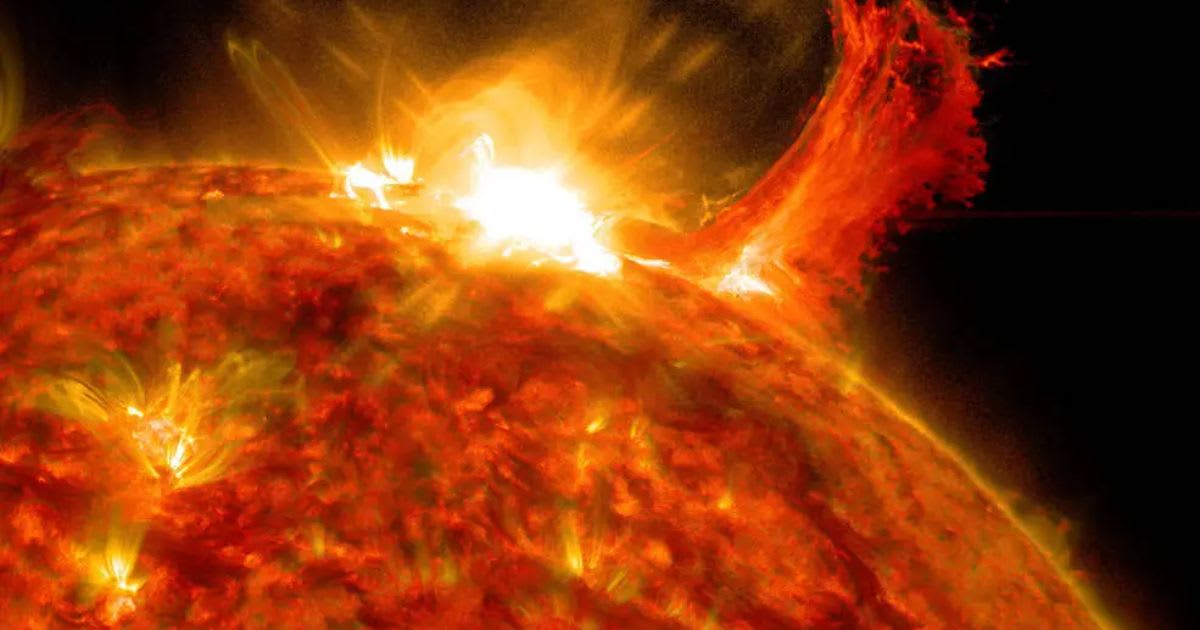
On Earth, auroras are formed when charged particles from the sun collide with our planet's atmosphere. Our strong magnetic field funnels these particles toward the poles, creating the famous northern and southern lights, according to Space.com. However, Mars lost its global magnetic field long ago, a change that also contributed to its transformation from a wet world to the dry planet we see today. Without this protective shield, the entire nightside of Mars can glow with a diffuse green light, a phenomenon caused by oxygen atoms less than 60 miles above the surface. In a historic moment for space exploration, NASA's Perseverance rover captured the first visible-light aurora on Mars in March 2024. This marked the first time such a celestial phenomenon was ever observed from the ground of another world.

Knutsen's team initially faced challenges, with their first three attempts to photograph the aurora yielding no results. According to Europlanet, by analyzing data from NASA's MAVEN and the ESA's Mars Express orbiters, they determined that the initial CMEs lacked the necessary velocity to trigger the atmospheric glow. Subsequent attempts, which targeted faster and more intense solar storms, led to the first two successful detections.
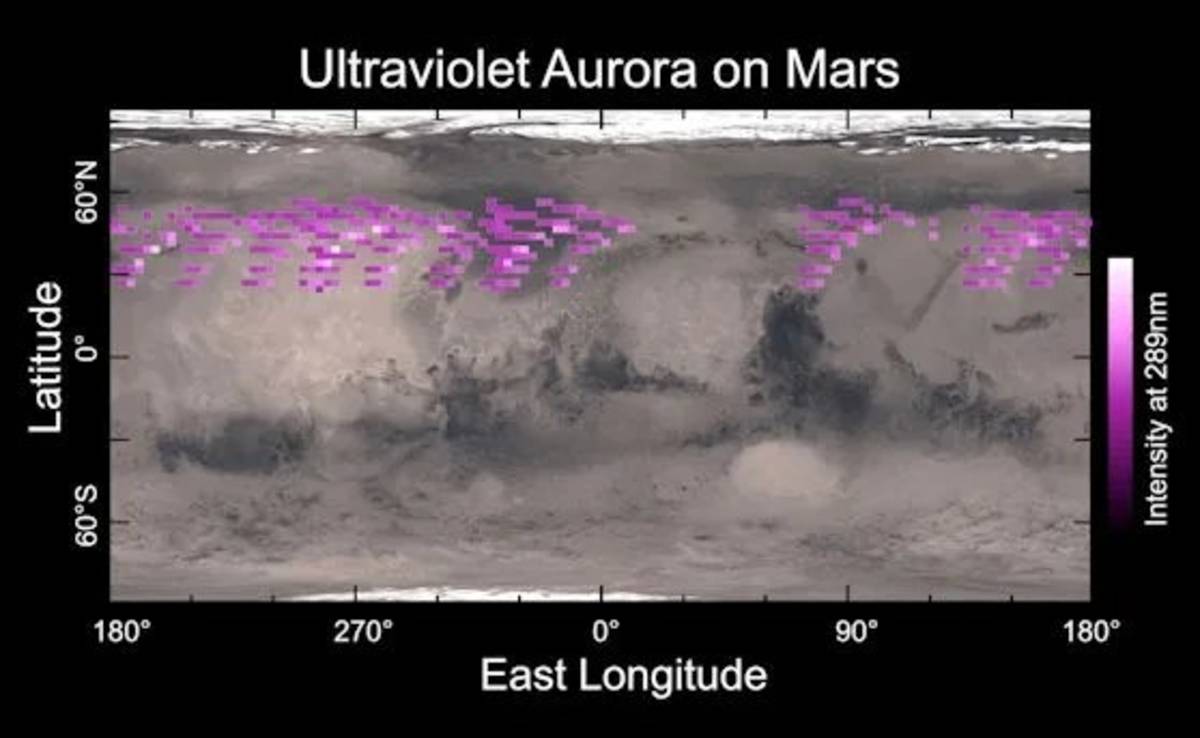
"There is still much we don’t understand about how aurora occur on Mars, as, unlike Earth, there is no global magnetic field to guide energetic solar particles onto the nightside where the aurora can be seen," Knutsen noted. "Comparing the timing of solar wind disturbances, the arrival of solar energetic particles, and the intensity and timing of aurora will advance our knowledge in this area."
While some recent attempts have still missed their mark, Knutsen noted that aurora prediction remains a complex process, even on Earth. However, the growing dataset of visible and ultraviolet light observations is providing valuable insights. By comparing the timing of solar wind disturbances and the arrival of solar particles with the intensity of the auroras, researchers hope to solve the lingering mysteries of how these otherworldly light shows are triggered.
More on Starlust
NASA's Perseverance rover makes historic first observation of Martian auroras from the surface
Mars has one more thing in common with Earth—scientists finally resolve a longstanding mystery