NASA discovers rocky lumps in the Mars mantle, evidence of a violent past with impacts and quakes

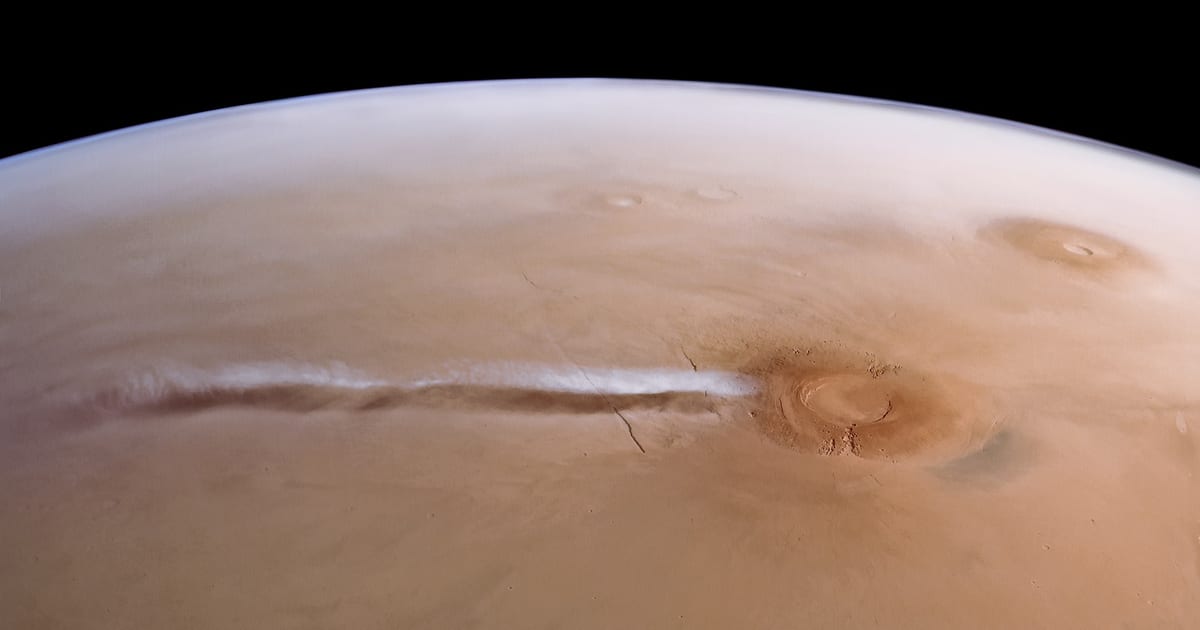
Astronomers studying the characteristics of the Red Planet discovered interesting information about the planet’s past. As Mars was a single-plate planet, its interior could preserve the features of its early evolution. As published in the journal Science, marsquake waveforms were detected from NASA’s InSight lander, which ended its mission in 2022. The early solar system contained a range of hazardous materials, making it difficult to determine what impacted the planet. Earth has a mantle that was churned by subducting plates for ages, unlike Mars, which held its past.
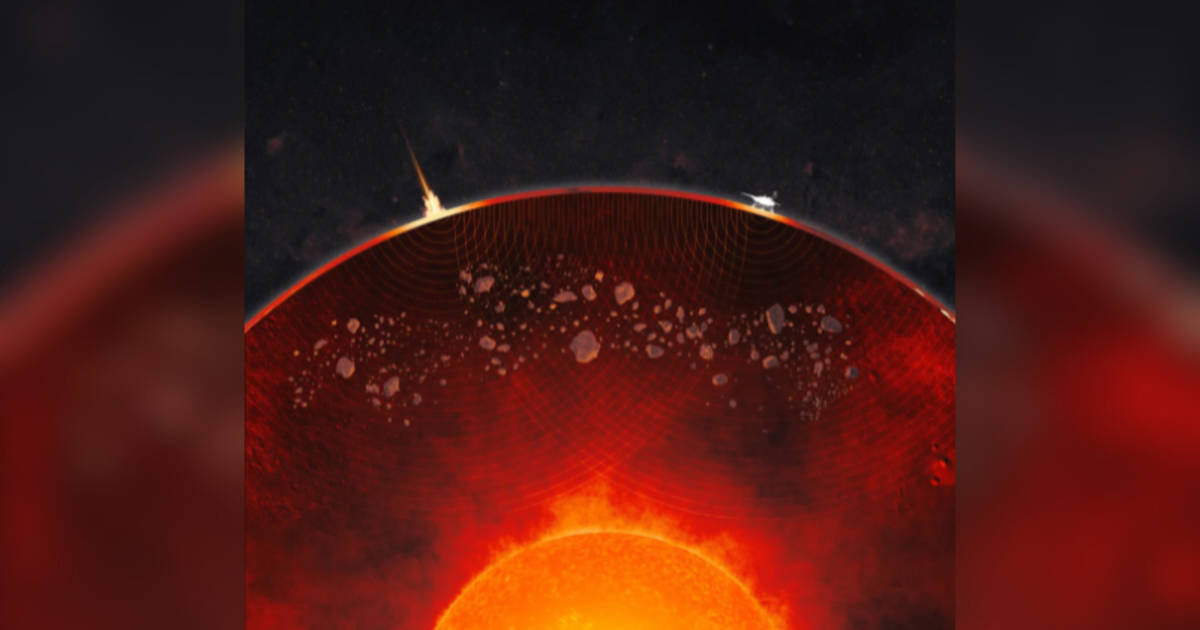
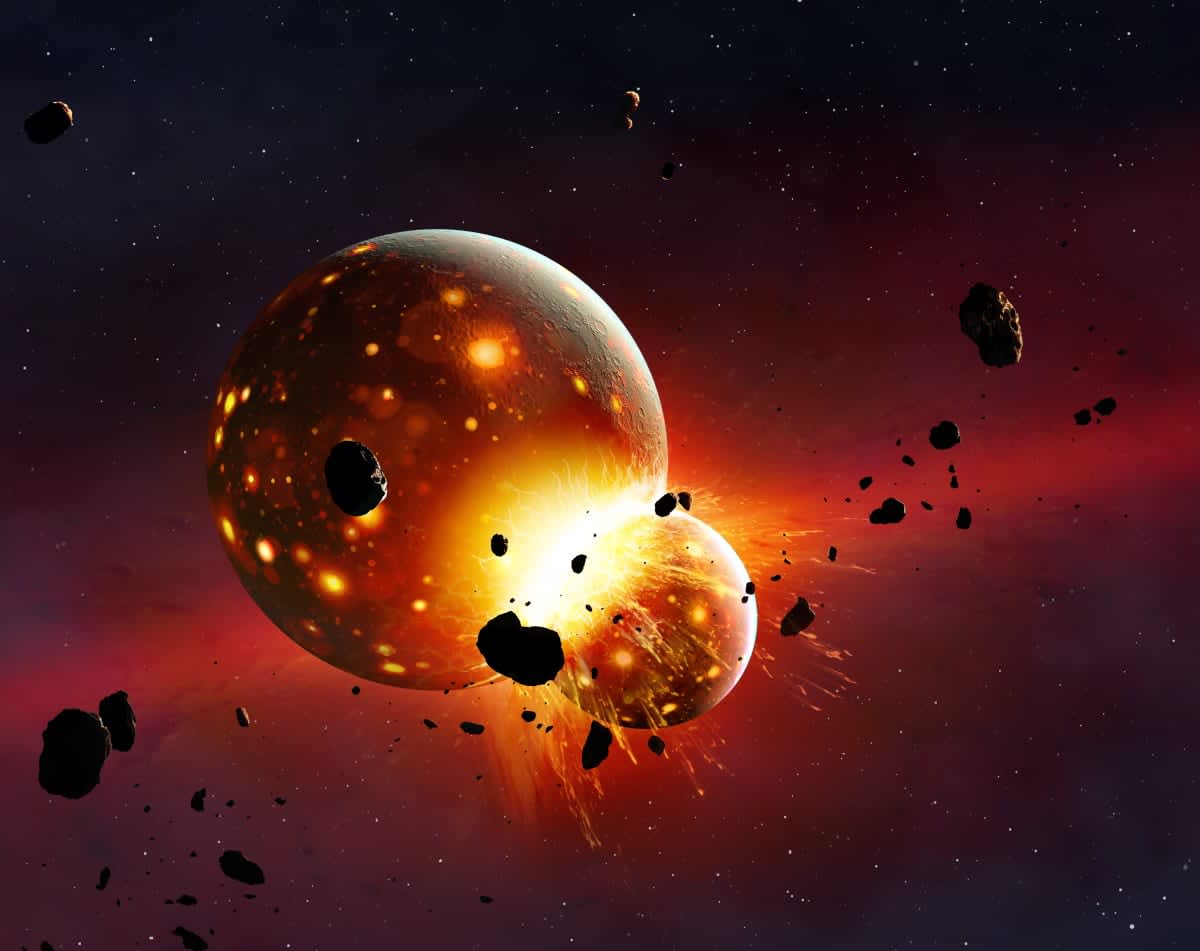
The lander’s data revealed a delay in the high-frequency arrivals that increased with the distance into the mantle. These delays could be fine-scale heterogeneities from its violent past, which were then frozen in place. These heterogenities were widespread and set in place by the cooling of the planet’s crust and the slowing of mantle convection. According to NASA, these ancient impacts released enough energy to melt massive areas of the early crust and mantle into magma. This simultaneously inserted the impact fragments and debris further into the planet’s interior.
The remains of these impacts existed in the form of lumps as large as 2.5 miles across and were scattered and preserved by convection. “We’ve never seen the inside of a planet in such fine detail and clarity before,” said Constantinos Charalambous of Imperial College London, the lead author. “What we’re seeing is a mantle studded with ancient fragments. Their survival to this day tells us Mars’ mantle has evolved sluggishly over billions of years,” they added. InSight placed the first seismometer on the surface in 2018, which recorded 1,319 marsquakes before returning.
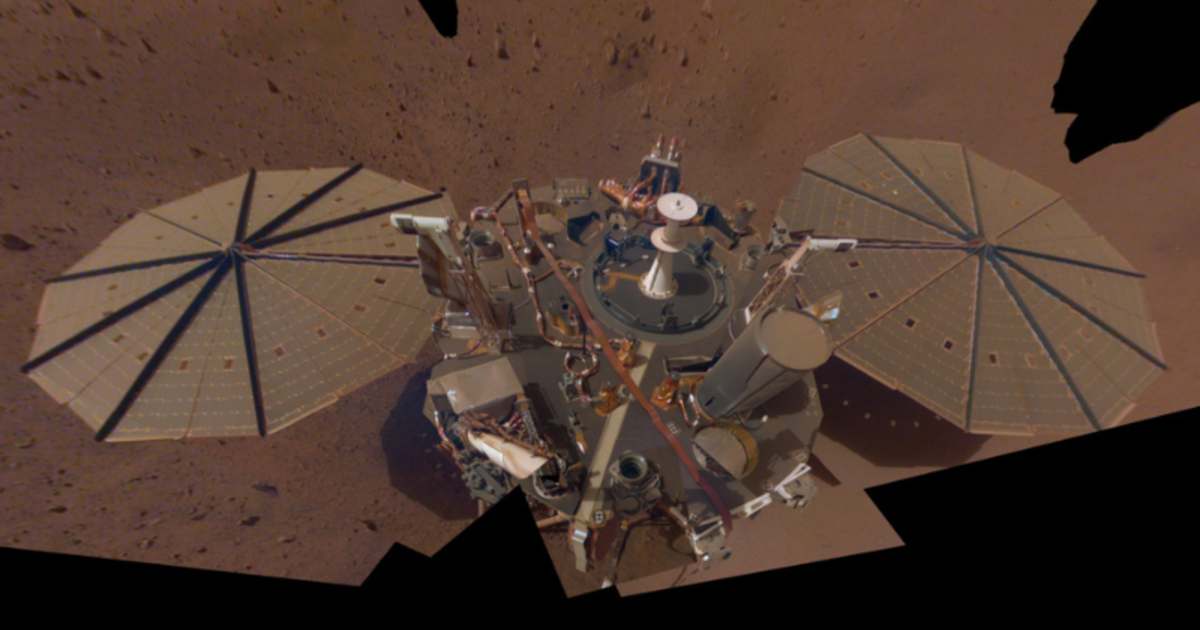
The lander was managed by NASA’s Jet Propulsion Laboratory in Southern California, which had to distinguish between two kinds of quakes on Mars. One kind was caused by rocks cracking under heat and pressure, and the other was caused by meteoroid impacts. The latter produced high-frequency seismic waves that went from the crust deep into the mantle. The new study found eight marsquakes with strong, high-frequency energy in seismic waves. However, these waves underwent significant changes as they passed through the depths and various materials.
Data from the InSight Mars lander reveals what appear to be giant fragments deep below the surface of Mars, the aftermath of massive impacts that occurred 4.5 billion years ago. Dig in: https://t.co/d1C108kKlO pic.twitter.com/o0D7W5HYkY
— NASA Mars (@NASAMars) August 28, 2025
This allowed scientists to study the interior of a planetary body and categorize the different kinds of waves. “When we first saw this in our quake data, we thought the slowdowns were happening in the Martian crust,” Thomas Pike from Imperial College London and coauthor of the paper shared. “But then we noticed that the farther seismic waves travel through the mantle, the more these high-frequency signals were being delayed,” they added. The InSight team measured the size, depth, and composition of the Martian crust, mantle, and core. The slowing down and scrambling happened when signals passed through small regions in the mantle.

The team used planet-wide computer simulations to determine the results and found the lumps in these regions to be distinct. The preserved materials had a different composition compared to the surrounding mantle. These lumps likely arrived as giant asteroids or other rocky material that hit Mars, creating the Magma ocean. These discoveries about the mantle composition and the past of the planet revealed the extent of InSight’s data. It also confirmed that in the early solar system, asteroids and other planetary bodies were in a regular tussle with young planetary bodies.