NASA taps ex-Google CEO's firm Relativity Space to fly its instruments to Mars
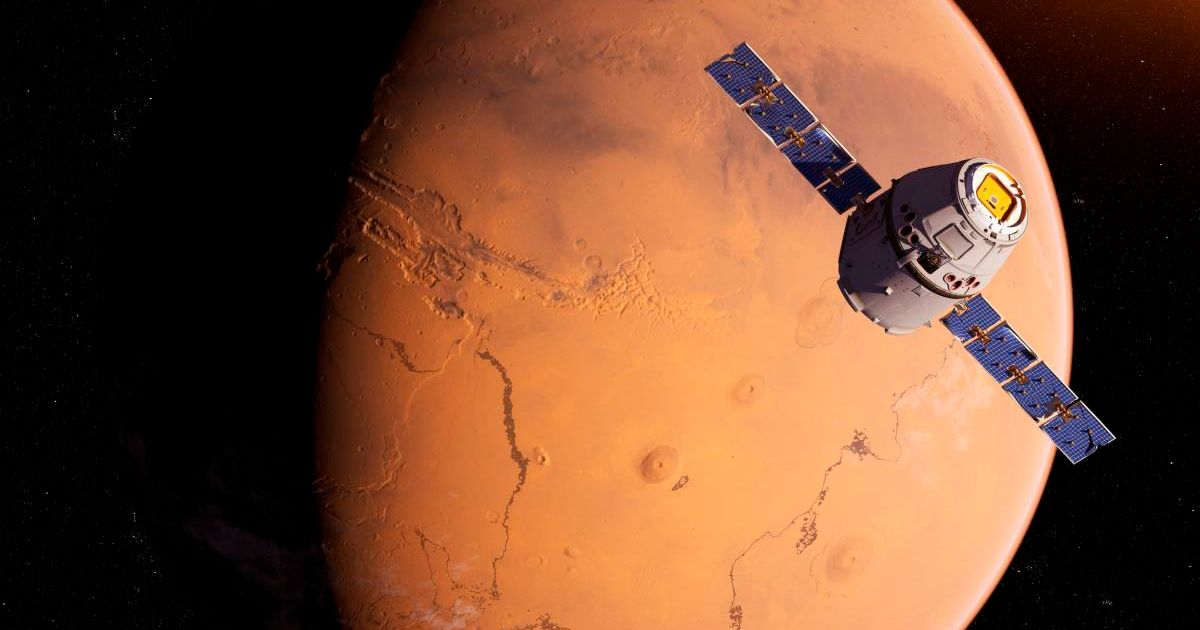
NASA has chosen ex-Google CEO Eric Schmidt's company, Relativity Space, to work on the logistics of delivering scientific payloads to Martian orbit by 2028, the agency confirmed last week. This deal means the company will build and deliver the spacecraft itself, with a suite of scientific instruments called Aeolus being the only physical component of the mission supplied by NASA. The arrangement sees the company paying NASA for the use of its facilities, as well as its technical expertise accrued over decades of Martian spaceflight. Simultaneously, the deal allows the publicly funded agency to get vital information about the Martian environment to inform future missions of its own.
💫 More missions. More science. More discovery. Today, we're launching the Interplanetary Sciences Program to advance deep space science missions through foundational technologies and payloads.
— Relativity Space (@relativityspace) June 17, 2026
Proud to partner with @NASA , industry, and academic institutions on a science… pic.twitter.com/QNbQc4Znoq
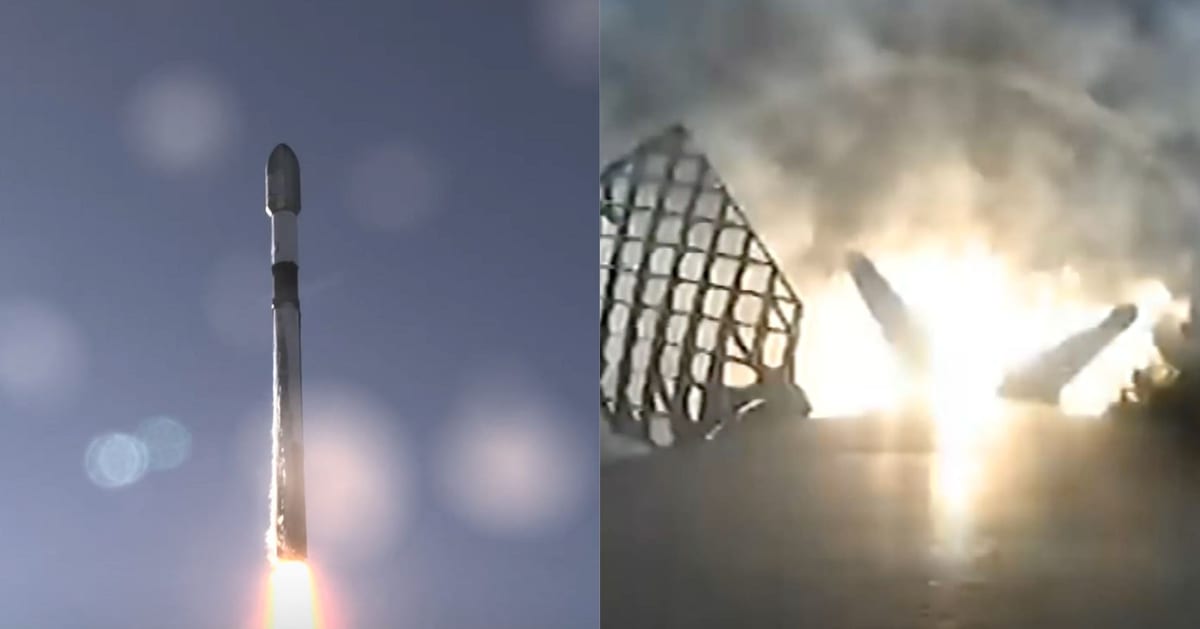
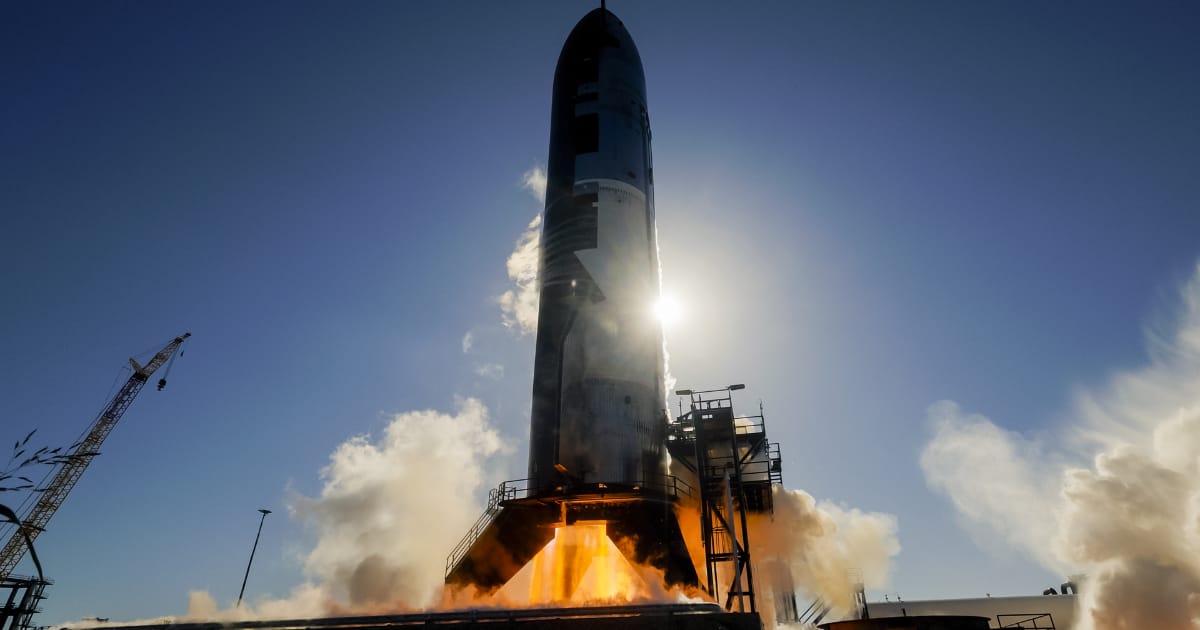
With this agreement in place, Relativity Space has a chance to become one of the first private companies to make it to the vicinity of Mars using its own hardware. Only SpaceX and Lockheed Martin had hitherto advertised such ambitions. However, with the Mars Sample Return mission, which would have involved the latter, facing significant delays and a major restructuring, and SpaceX scrambling to fulfill its Artemis III deliverables, it seems the Long Beach, a California-based company, could steal a march in the meantime. Interestingly, one of the founders of Relativity Space, Jordan Noone, was a former engineer at SpaceX. Noone has since left his CTO position at Relativity Space, with Schmidt installed as the current CEO.
While Space Act Agreements (SAAs) are not new, this marks the first time a sustained, reimbursable SAA has been used for a planetary science mission between NASA and another company. This agreement spans a period of six years, which is a first for this type of partnership. NASA Administrator Jared Isaacman, stressing the avenues this kind of public-private agreement will open up for exploration of the Red Planet, said, “By pairing NASA’s world‑class instruments with commercial innovation and investment, we can deliver more science, more often, and reduce the time it takes to get essential data into the hands of researchers preparing for future human missions to Mars."
The quest to discover the secrets of the universe is a shared endeavor, and not exclusive to the world’s space agencies. At @NASA we are grateful to partner with and support @ericschmidt and the @relativityspace team, and hope this mission can be a model for future privately… https://t.co/8I1Mk0DSpn
— NASA Administrator Jared Isaacman (@NASAAdmin) June 17, 2026
NASA will get four instruments orbiting Mars that will measure the atmospheric conditions there, operating them for at least one Martian year (nearly two Earth years) as per the agreement. These will include the Doppler Wind and Temperature Sounder (DWTS‑Ozone), Thermal Limb Sounder (TLS), Surface Radiometric Sensor Package (SuRSeP), and the Wide‑Field Context Camera (WFCC). For NASA, getting these instruments deployed in orbit around Mars will be invaluable for reducing the risk for astronauts and cargo that may eventually land on the surface. As for Relativity Space, delivering these instruments to Martian orbit will necessitate further innovation beyond the company's current efforts in the development of its Terran R rocket.
It’s a Martian marathon!
— NASA JPL (@NASAJPL) June 17, 2026
NASA's Perseverance Rover has surpassed a total distance of 26.2 miles (42.195 kilometers) of travel on the Red Planet. It crossed the milestone while exploring intriguing ancient terrain to the west of Jezero Crater. pic.twitter.com/kWd7iSImUM
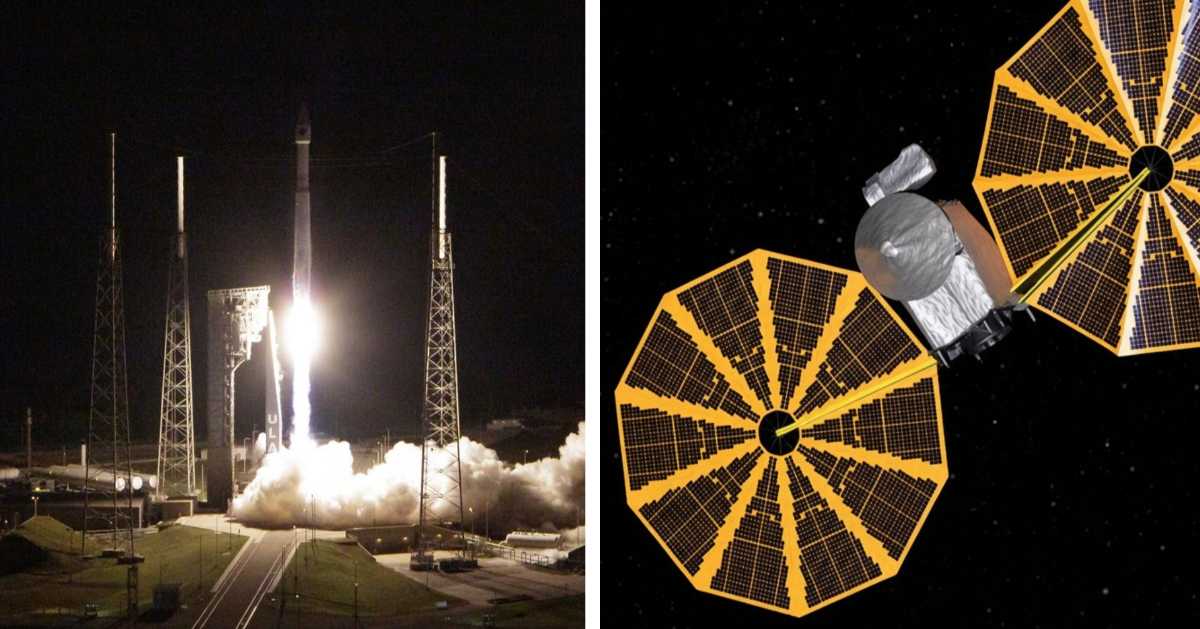
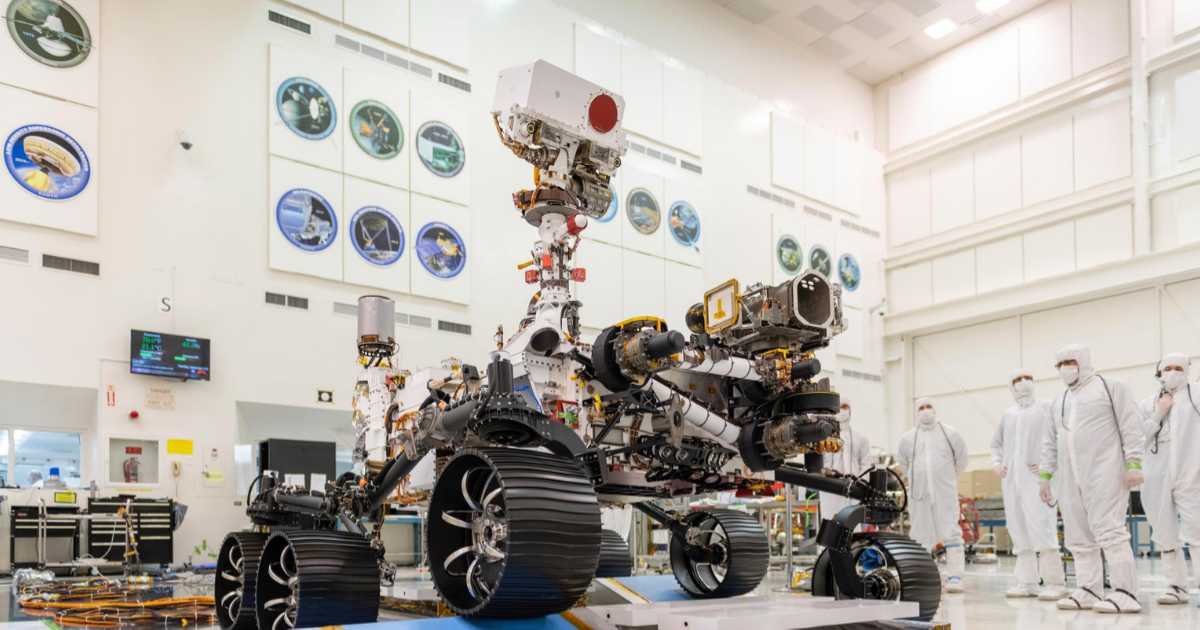
This type of agreement is different from usual procurement contracts and task orders, such as the Perseverance rover mission, which recently completed a marathon distance traversing Mars. Developed by the NASA-funded Jet Propulsion Laboratory, the rover was launched on top of a United Launch Alliance rocket, for which NASA paid the company and essentially took ownership of the launch vehicle, retaining full control of the mission. Another case worth examining is that of the ESCAPADE mission to Mars, which made use of Blue Origin's New Glenn rocket. While Blue Origin did sign a reimbursable SAA for mission support services, the launch itself was officially procured as a task order under NASA's Venture-Class Acquisition of Dedicated and Rideshare (VADR) contract.
More on Starlust:
Artemis III: Blue Origin's test lander can launch on another rocket if New Glenn isn't ready on time
Moon landers for Artemis III: SpaceX, Blue Origin provide progress updates at NASA event