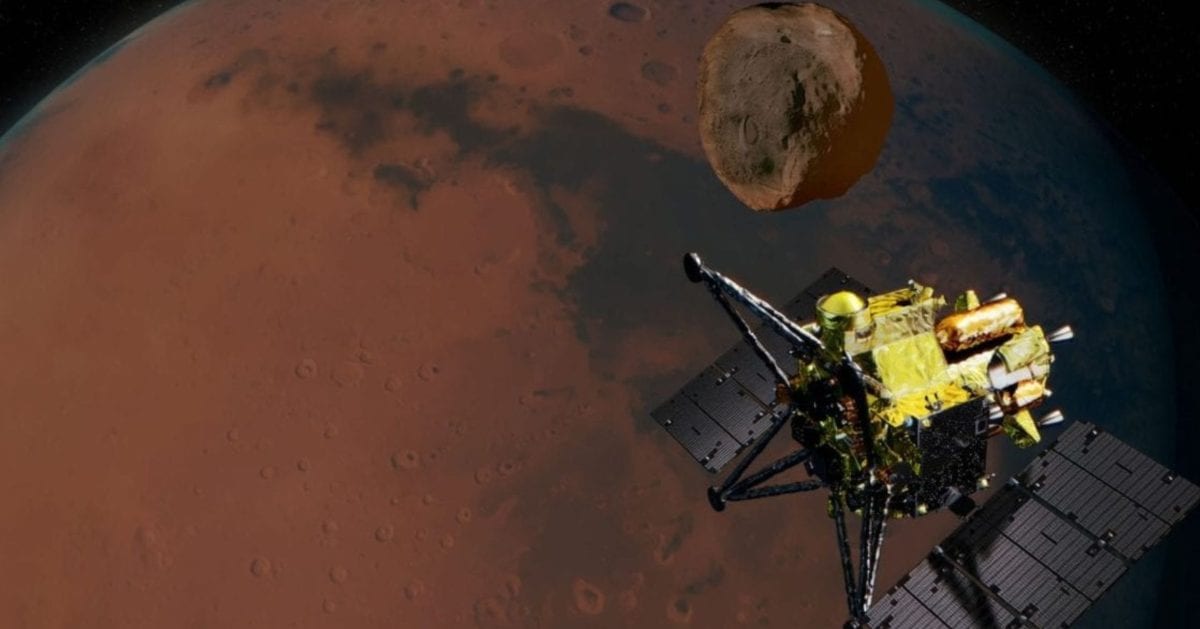
Blue Origin's New Glenn successfully launches NASA’s twin ESCAPADE spacecraft
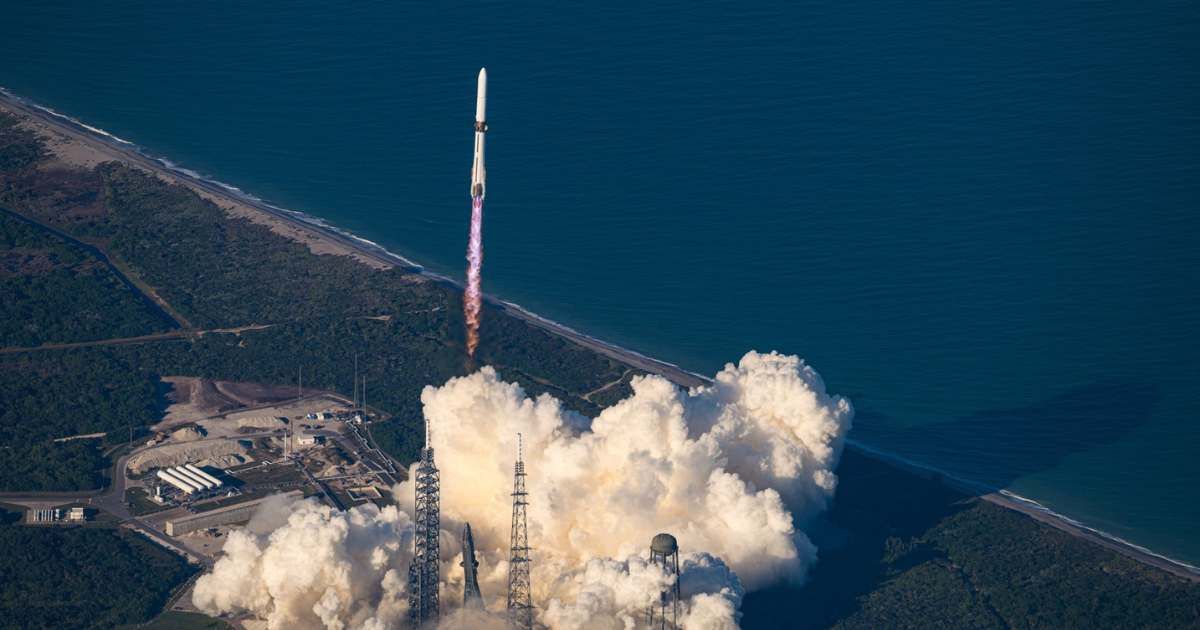
This week, Blue Origin celebrated a significant achievement with its New Glenn heavy-lift rocket completing its second mission, which is a crucial launch for NASA. The mission also showcased the full reusability of the rocket's massive first stage, according to Blue Origin.
New Glenn successfully completed its second mission by deploying @NASA’s ESCAPADE twin spacecraft, powering on and transmitting data for @Viasat’s HaloNet technology demonstration, and landing the fully reusable first stage on Jacklyn. Learn more: https://t.co/a4PycrFeEP pic.twitter.com/knH7Mf5uts
— Blue Origin (@blueorigin) November 13, 2025
The launch took place on Thursday, November 13, 2025, at 3:55 p.m. EST (20:55 UTC) from Launch Complex 36 at Cape Canaveral Space Force Station. During this mission, the New Glenn successfully deployed the twin ESCAPADE spacecraft into a designated 'loiter' orbit. After separation, the rocket's enormous first stage, powered by seven BE-4 engines, made a perfect return, landing safely on the recovery ship, "Jacklyn," which was stationed in the Atlantic. Blue Origin’s CEO, Dave Limp, praised the accomplishment, saying, “We achieved full mission success today, and I am so proud of the team.”
Some fun stills! Congrats Team Blue and NASA on an amazing day. Never tell me the odds! pic.twitter.com/jUr31RoOgH
— Dave Limp (@davill) November 13, 2025
During the final descent onto Jacklyn, the three middle BE-4 engines on the booster will reignite to slow down the vehicle. They will burn for about 20 seconds, and then the outer two engines will shut off. The middle engine will help guide the vehicle for a safe landing. After…
— Blue Origin (@blueorigin) November 13, 2025
The twin ESCAPADE probes, developed by Rocket Lab and UC Berkeley, are set to embark on a journey to Mars, expected to coincide with the best planetary alignment in fall 2026. This mission holds significant importance for heliophysics, as it aims to explore how solar wind interacts with Mars' magnetic field, a factor suspected of contributing to the planet’s atmospheric loss.
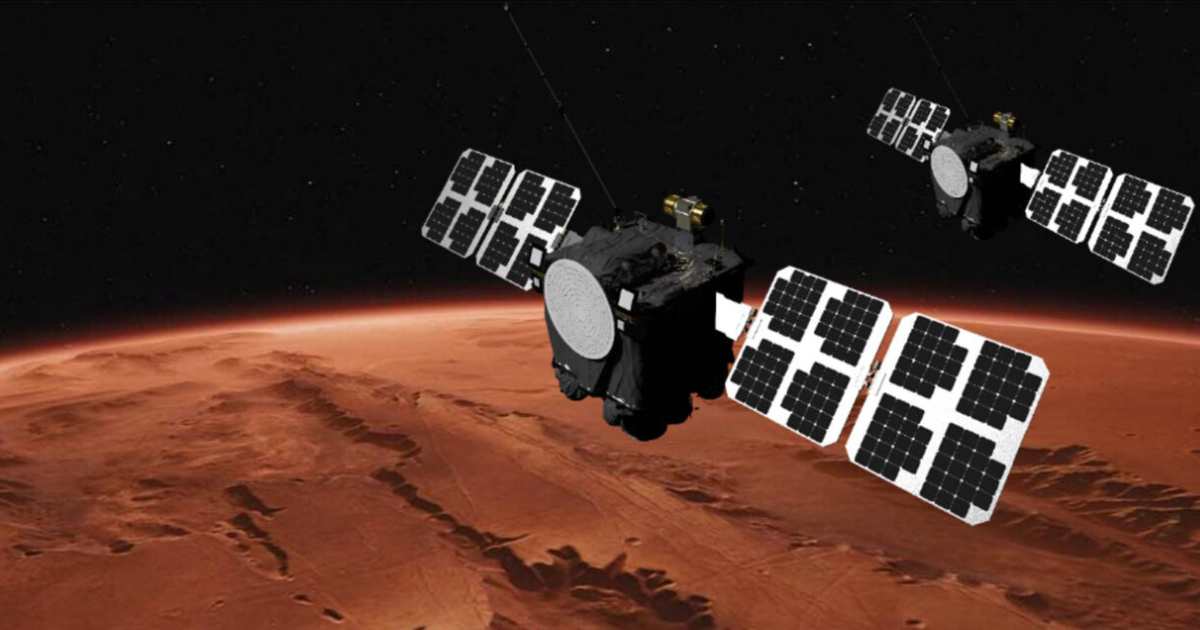
Acting NASA Administrator, Secretary Sean Duffy, highlighted the mission's significance, stating, "This heliophysics mission will help reveal how Mars became a desert planet and how solar eruptions affect the Martian surface." He further added, "Every launch of New Glenn provides data that will be essential when we launch MK-1 through Artemis. All of this information will be critical to protect future NASA explorers and invaluable as we evaluate how to deliver on President Trump’s vision of planting the Stars and Stripes on Mars.”
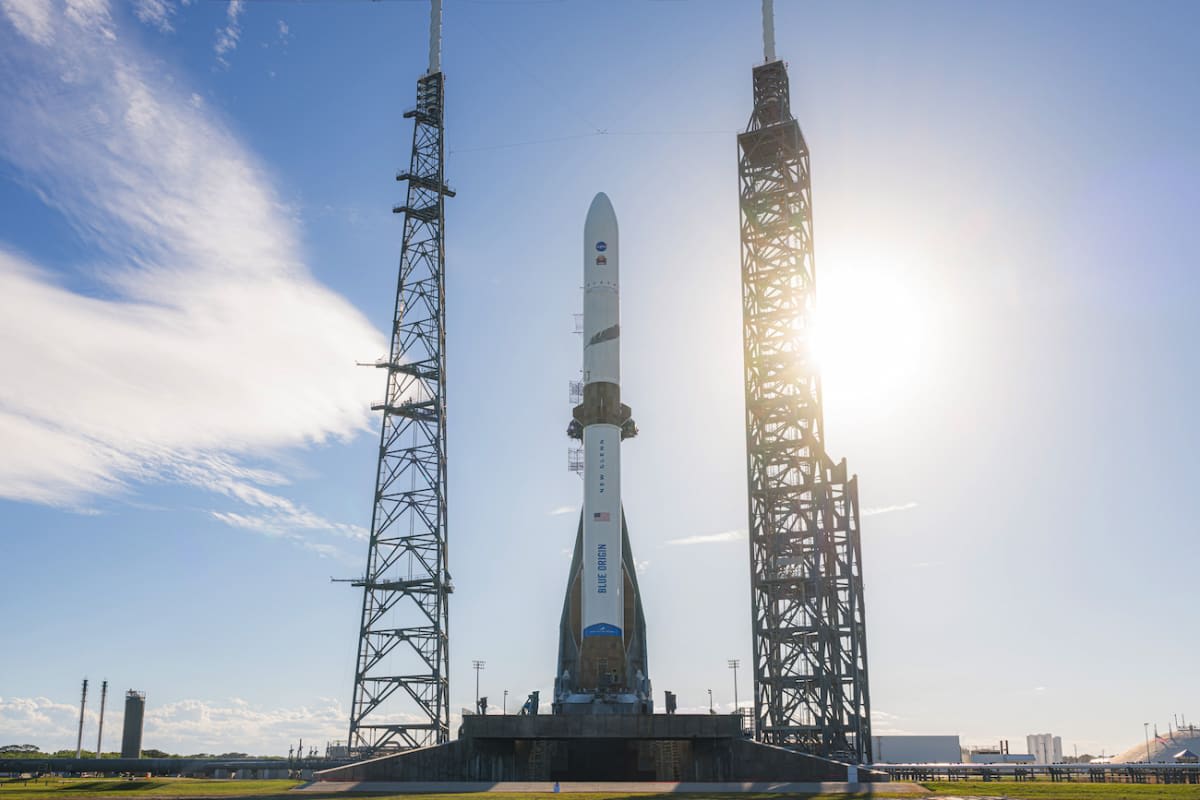
Alongside the NASA payload, the second stage carried out the inaugural flight test of Viasat’s HaloNet demonstration, which will help validate a new telemetry data relay service for NASA's Communications Services Project. Blue Origin's New Glenn plays a central role in the company's broader goals, which include establishing a long-term human presence on the Moon, developing resource utilization in space, and offering multi-orbit mobility through its Blue Ring platform.
New Glenn has sent the command to power on a technology demonstration for @Viasat in support of @NASASpaceOps’ Communications Services Project.
— Blue Origin (@blueorigin) November 13, 2025
Additionally, this flight marked the New Glenn's second National Security Space Launch (NSSL) certification mission as Blue Origin collaborates with the U.S. Space Force to meet important national security requirements. The program has a robust manifest, with vehicles in production and orders from clients like Amazon’s Project Kuiper, AST SpaceMobile, and various telecommunications companies.
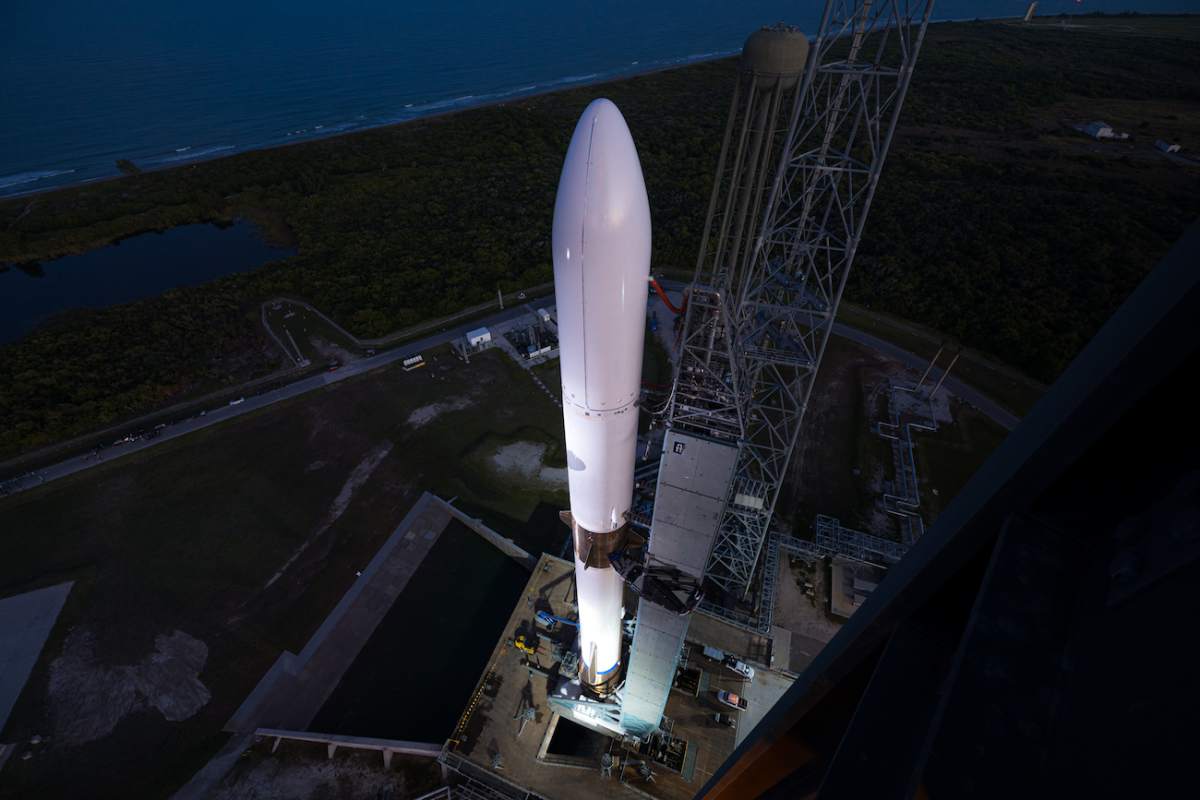
The launch went off successfully after a short but important delay. Blue Origin had to call off its first attempt because a severe geomagnetic storm posed a threat to the NASA payload. Even though they had their 322-foot rocket all set to go, they decided to hold off until conditions got better to avoid any potential damage to the ESCAPADE spacecraft. These twin probes are crucial for studying how Mars lost its atmosphere, and they also had a Viasat tech demo on board, which made it too risky to launch in bad weather.
More on Starlust
Blue Origin’s New Glenn to lift off with NASA’s twin ESCAPADE spacecraft after November 9 scrub
Blue Origin shares fascinating details about ‘transporter’ vehicle for its Blue Moon lunar lander