NASA launches Pandora satellite to search for signs of life on distant exoplanets
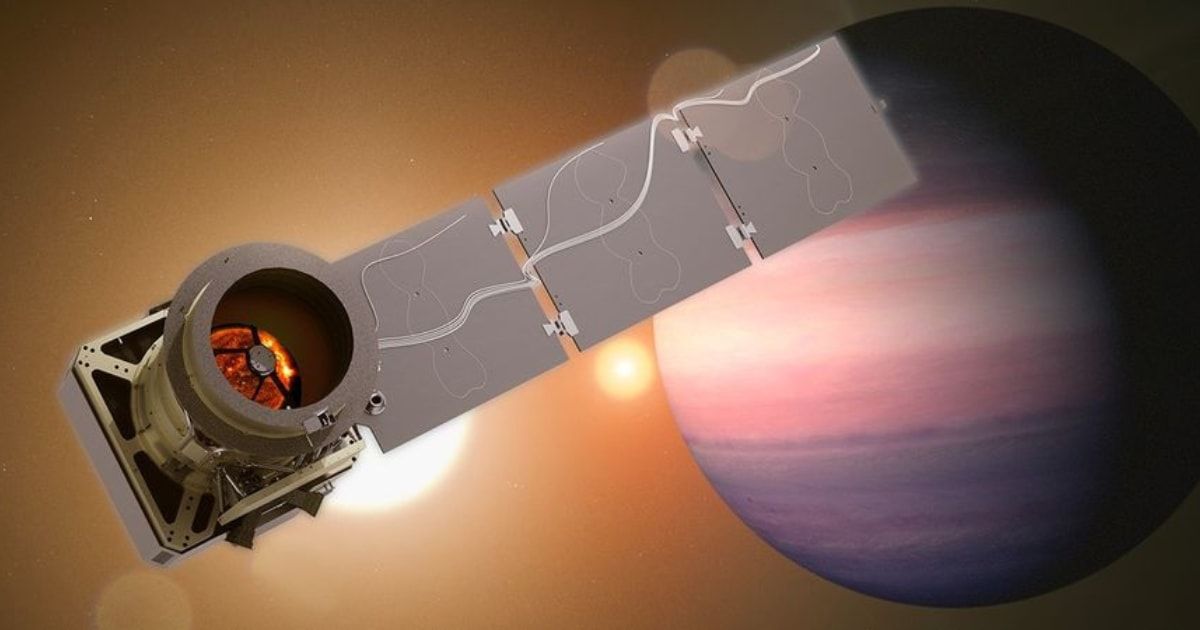
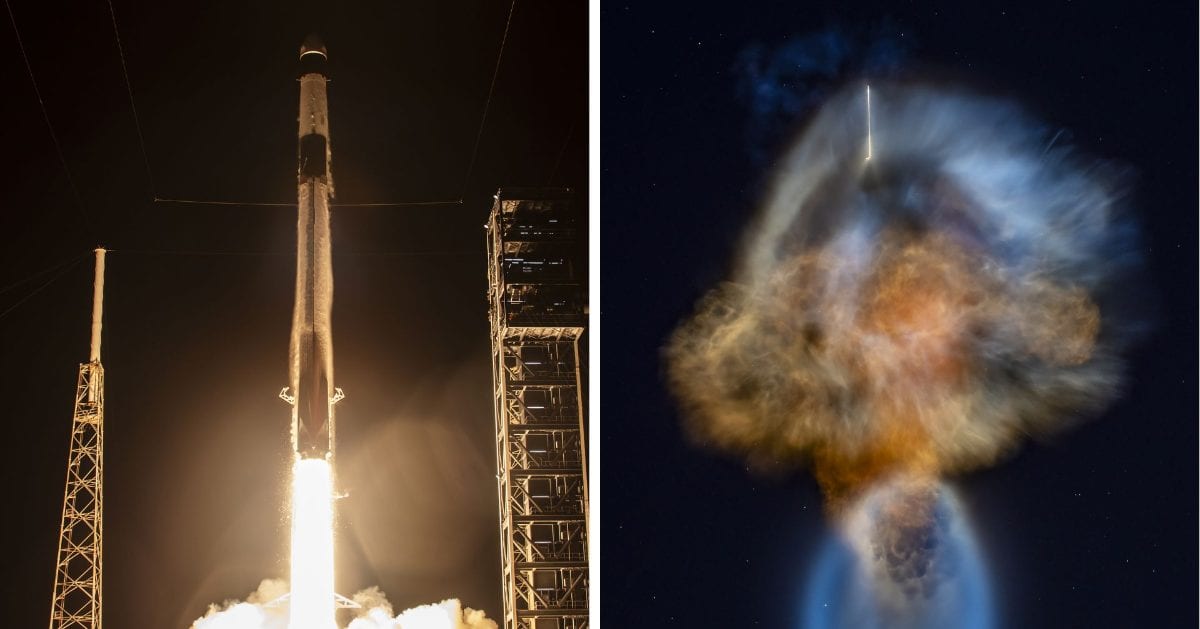
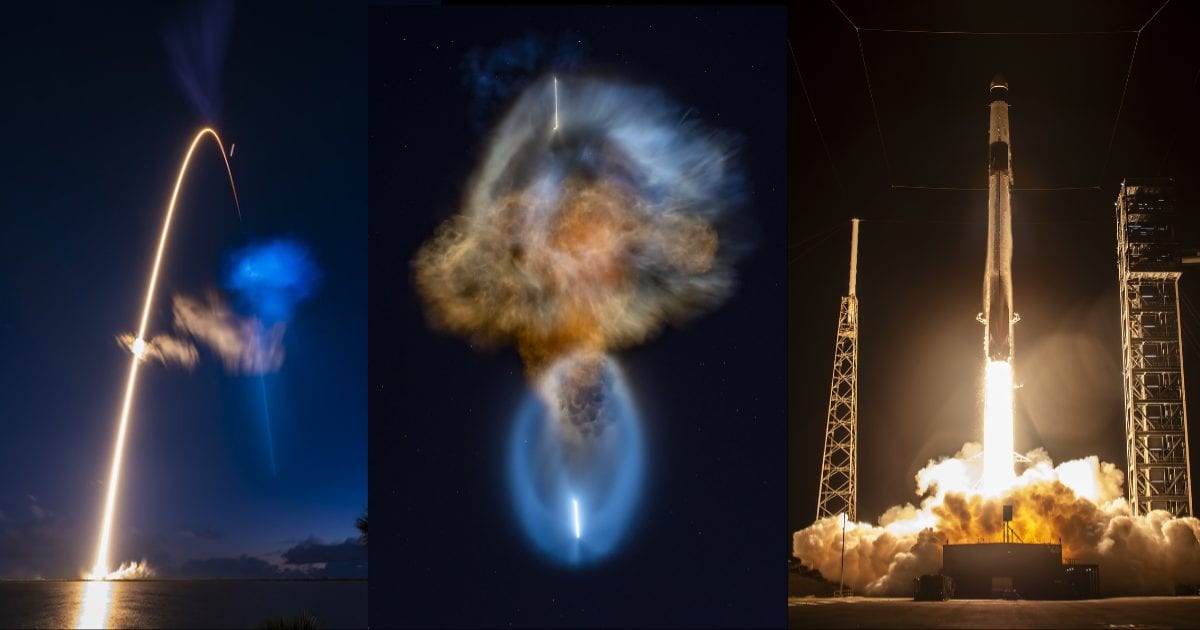
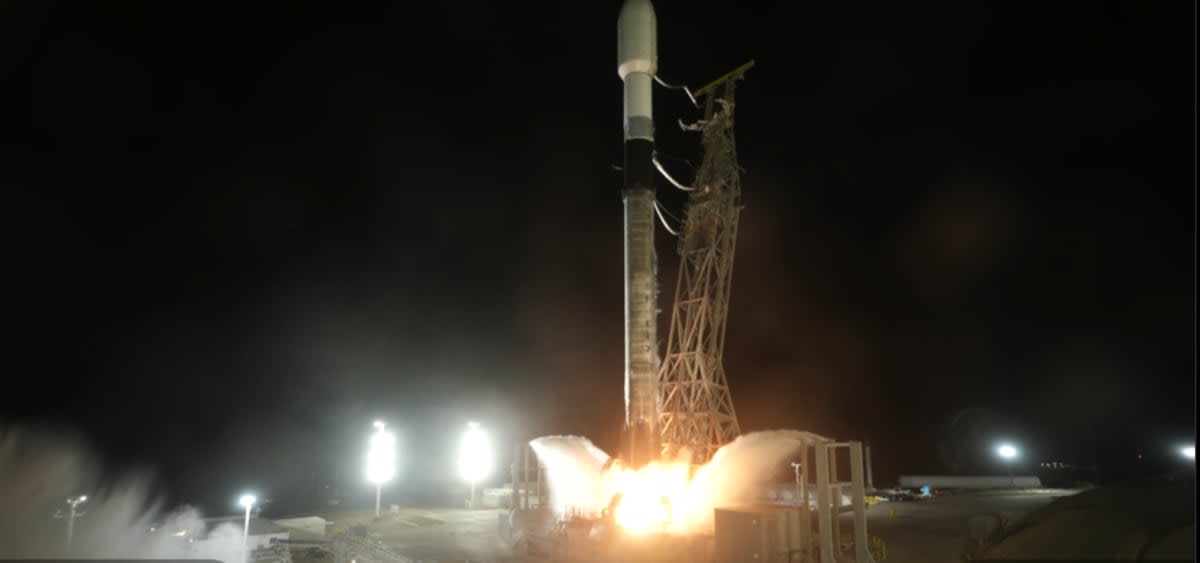
A new era in the search for habitable worlds began early Sunday morning, January 11, as a SpaceX Falcon 9 rocket successfully delivered NASA's Pandora small satellite into orbit. The mission, which lifted off at 5:44 a.m. PST from Space Launch Complex 4 East at the Vandenberg Space Force Base on the central coast of California, is designed to find whether the atmospheric components of certain exoplanets belong to the distant planets themselves or the stars they orbit.
Successful separation! NASA’s Pandora space telescope satellite is in sun-synchronous orbit after deploying from SpaceX’s second stage.
— NASA's Kennedy Space Center (@NASAKennedy) January 11, 2026
Pandora will soon begin studying planets and their respective host stars beyond our solar system.https://t.co/AADPOa8hbw pic.twitter.com/5ramFzvpfq
Soon after the launch, the Pandora satellite separated from the Falcon 9's second stage to enter its "sun-synchronous" orbit path, which will keep it constantly bathed in sunlight. "Pandora space telescope satellite is in sun-synchronous orbit, preparing to study planets and their respective host stars beyond our solar system," NASA officials confirmed shortly after the separation in a statement.
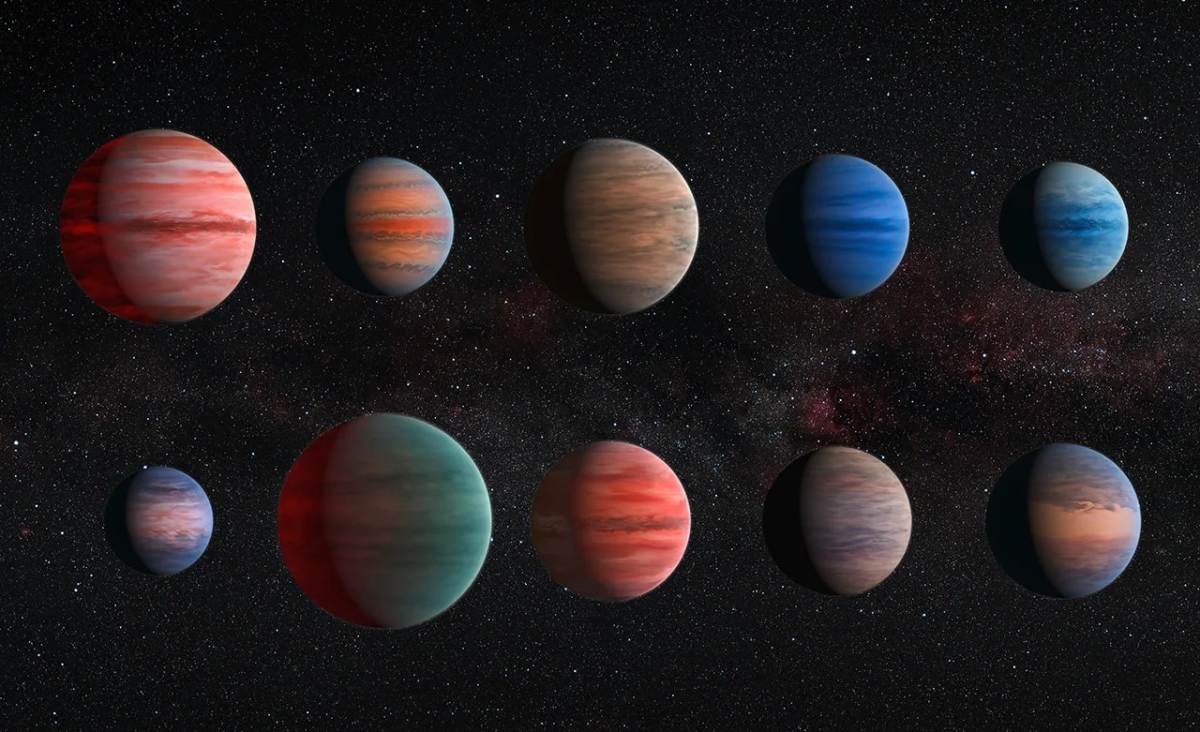
The Pandora space telescope will spend the next year studying 20 different exoplanets, worlds outside our solar system, per NASA. The scientists will be searching for signs of water vapor, clouds, and haze, but their detection is considered to be notoriously difficult. When the planet passes in front of its star, astronomers analyze the light passing through the planet's atmosphere. The oxygen or water vapor in the atmosphere absorbs certain wavelengths, thus leaving its mark on the respective signals. The problem is that stars themselves can have spots or chemical signatures that resemble the atmosphere of a planet. “Pandora’s goal is to disentangle the atmospheric signals of planets and stars,” said Elisa Quintana, mission lead researcher at NASA’s Goddard Space Flight Center. By disentangling these signals, researchers can finally confirm whether the water or oxygen they detect actually belongs to a planet where life may be possible.
Pandora is the first mission to launch as a part of NASA’s "Astrophysics Pioneers" program, which focuses on making high-impact scientific breakthroughs at a lower cost. To save on costs without compromising performance, the team used a 17-inch aluminum telescope initially developed for the famous James Webb Space Telescope. Though giant observatories like Webb are in extremely high demand, Pandora has an advantage most can’t offer: it can "stare" at one star system for 24 hours at a time.
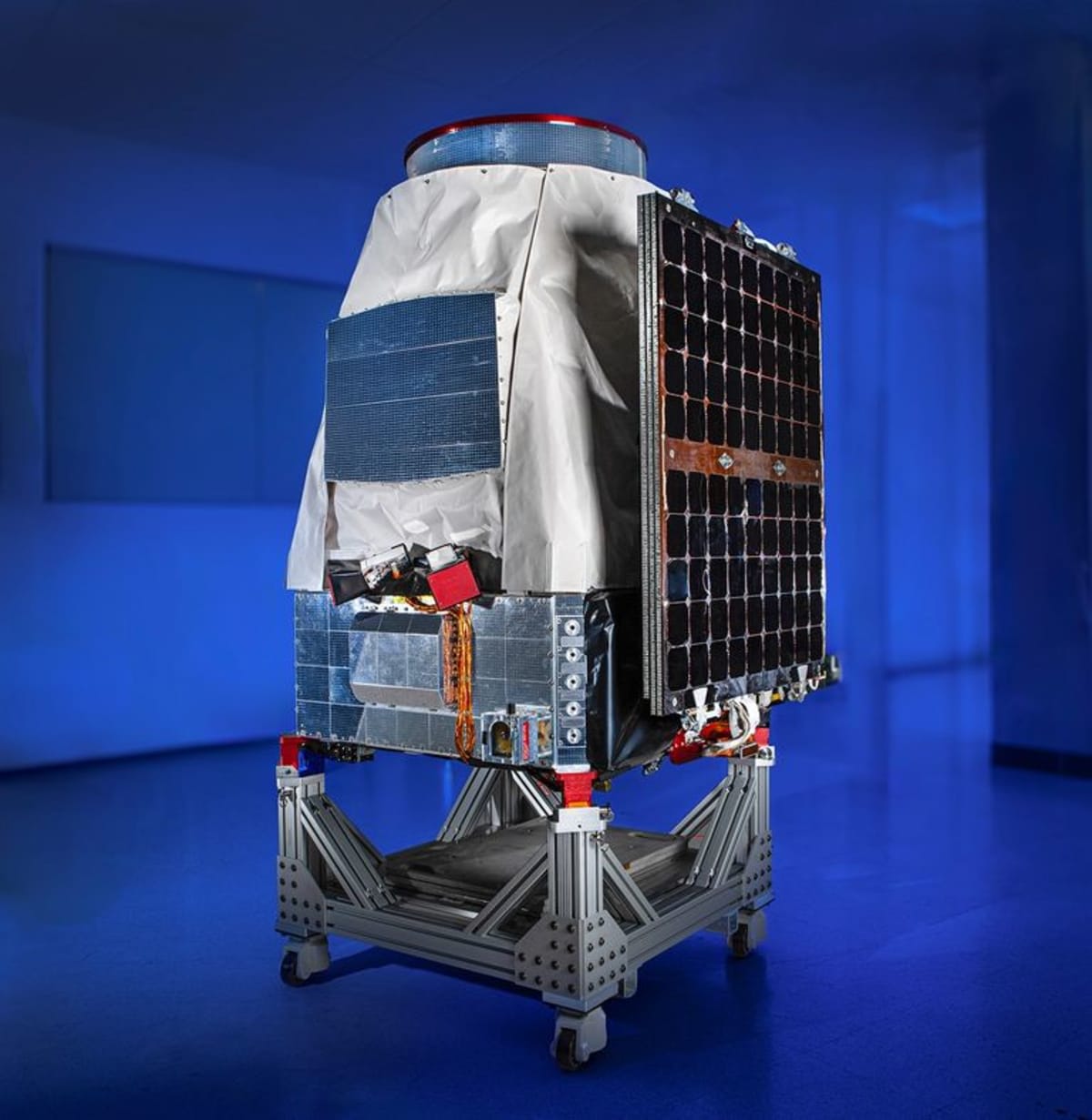
Such a long-term monitoring capability enables the observatory to detect alterations in the star's surface and, thus, to ensure that the stellar activity does not interfere with the data obtained from the planet's atmosphere. After a primary mission of one year, all data from Pandora will be made publicly available. Scientists think this data will be a guide for future missions to find Earth-like planets in the galaxy.
Pandora was not the only occupant of the flight on Sunday. According to NASA, the rocket also launched two other NASA-sponsored "CubeSats" named SPARCS (Star-Planet Activity Research CubeSat) and BlackCAT (Black Hole Coded Aperture Telescope). The SPARCS mission serves as an educational initiative for the acquisition of hands-on practice in spacecraft hardware for students and faculty stakeholders.
More on Starlust
NASA’s second ESCAPADE spacecraft nails a key trajectory maneuver
NASA just confirmed 6,000 alien worlds—and 8,000 more waiting to be verified