NASA finally rolls back Artemis II SLS rocket to the Vehicle Assembly Building—here's what's next
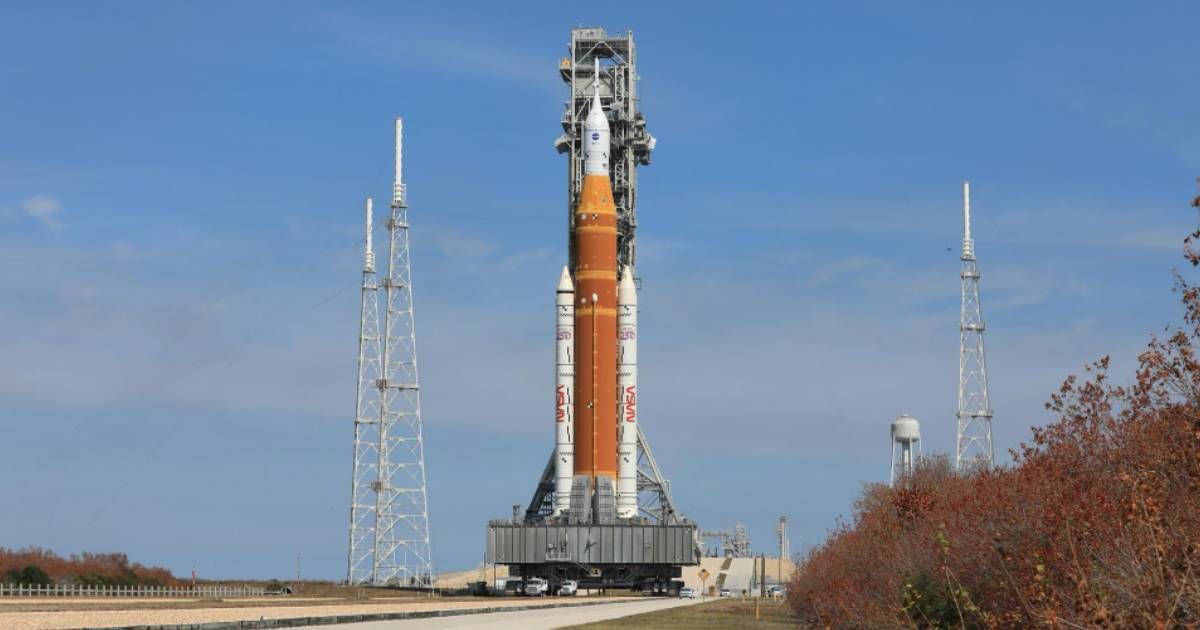
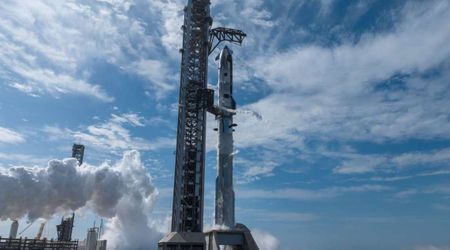
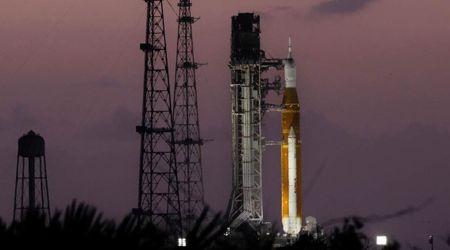
NASA’s Exploration Ground Systems teams have moved the Moon-bound SLS rocket from its spot on Launch Pad 39B of the Kennedy Space Station in Florida. According to NASA, the rocket arrived at the vehicle assembly building by around 8 pm EST on February 25, 2026. The move to the VAB was a painstakingly slow process that began at 9:38 am EST, a few minutes later than originally planned the day before. Artemis II launch director Charlie Blackwell-Thompson gave her “go” exactly ten minutes prior to that.
Our @NASAArtemis Moon rocket is in the Vehicle Assembly Building after a multi-hour trek from the launch pad. Next, technicians will troubleshoot the helium flow issue to the rocket’s upper stage and conduct other work. More: https://t.co/8q43oZRHBM pic.twitter.com/GqeQ2PySmY
— NASA (@NASA) February 26, 2026
This move was primarily made to address an interruption of helium being fed to the interim cryogenic propulsion stage (ICPS) of the rocket. The issue is reported to have surfaced after a successful second wet dress rehearsal. While addressing the media after the second rehearsal, mission managers had declared March 6, 2026, as a realistic target for launch. However, this deadline already came with a lot of work pending on NASA’s part, and the leadership was not shy in presenting these caveats.

Contingency pad access meant for retesting the flight termination system had been installed at the pad itself, specifically for this mission. However, similar to Artemis I, it will now be accessed at the VAB. “We haven't done that before. It’s a new capability we developed for Artemis II specific to providing a retest of the flight termination system at the pad," Blackwell-Thompson told the media during the February 20 press conference. "If you recall for Artemis I, we rolled back to retest that. That's where we have access in the VAB." Besides the aforementioned tests and fixes, teams will also replace some batteries in the core stage, upper stage, and the solid rocket boosters.

Dr. Lori Glaze, NASA's Moon to Mars Program Manager, stressing over some firsts and the care NASA and all stakeholders must take before committing to a launch, said, “I just also want to stress this continues to be a flight test. The whole mission is still a flight test. This is our second time to fly the SLS and Orion systems, the first time with crew, the first time with the environmental control systems active, the first time with the flight termination systems active so that we can support crew... Don't let anybody lose sight of the fact that this is a flight test, and the entire mission, we will continue to learn. That's the whole point of the mission.”
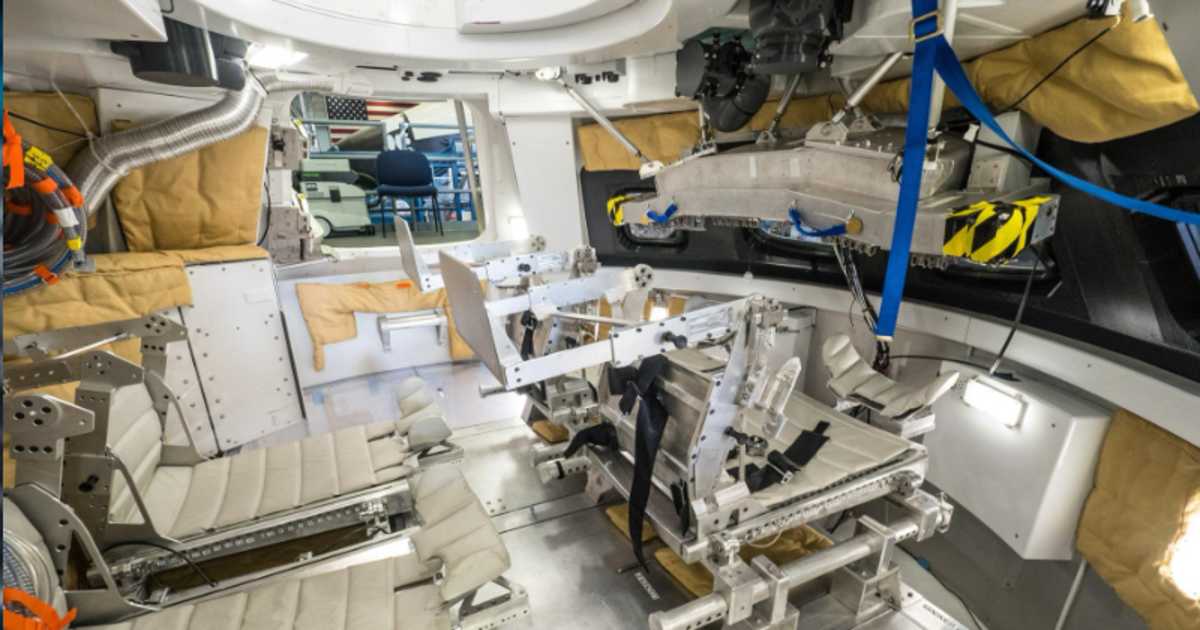
With the Artemis program, NASA, along with its international and commercial partners, aims to push the boundaries of human exploration of our solar system. Artemis II, serving to test Orion’s crew-sustaining capacity in lunar orbit, is to be followed by Artemis III and IV. Both will take incremental steps to establish the presence of humans on the surface, as well as in orbit around the Moon.
More on Starlust
All about Christina Koch, the first woman to fly around the Moon as part of Artemis II
NASA's Artemis program could benefit from this new map of small mare ridges on the Moon