NASA Chief Jared Isaacman thinks UFO sightings could lead to another 'Sputnik moment' for the U.S.

Could any of the unidentified anomalous phenomena that the U.S. Department of War continues to release reports on be extraterrestrial in origin? That was one of the questions Blake Burman, the host of NewsNation's "The Hill" broadcast, asked NASA Administrator Jared Isaacman during an interview on September 25.
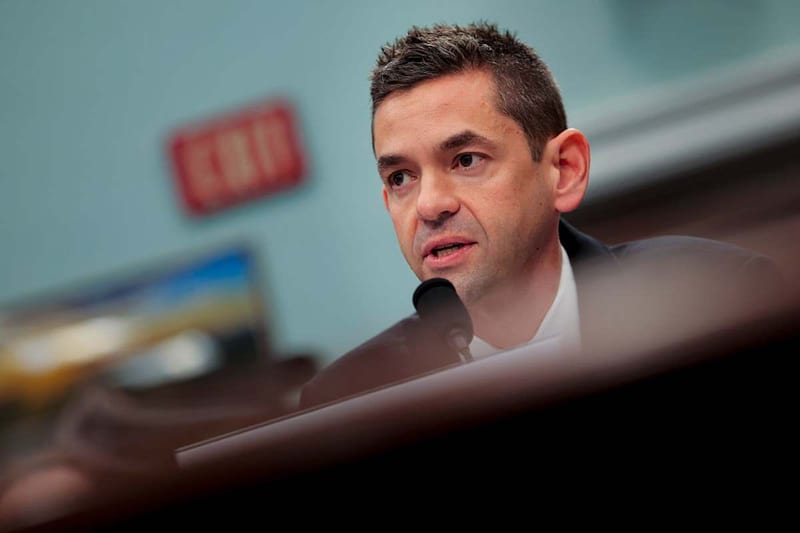
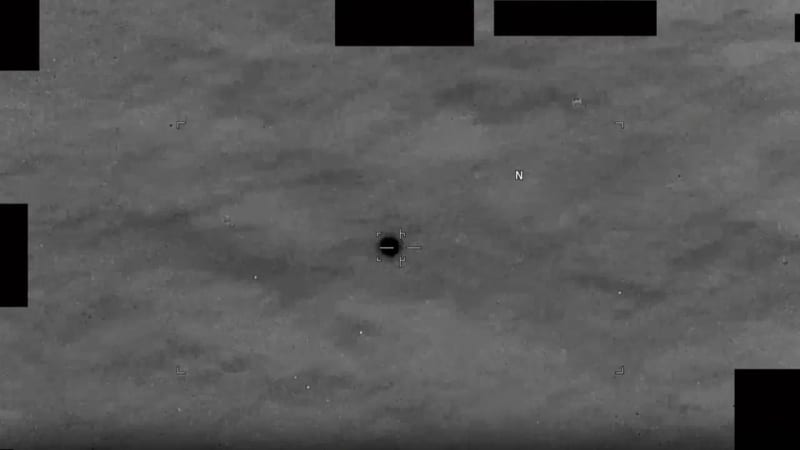
"My position going into every one of these: one, be open-minded," Isaacman said in response. "I mean, it is kind of our job to go out and try to answer the question 'Are we alone?' And I said, look, if it's aliens, I think NASA should have a seat at the table in this for sure." The NASA Chief, in fact, assured that the agency has had a seat at the table ever since U.S. President Donald Trump called for the release of the UFO and UAP files. So far, the U.S. Department of War has released six tranches of files since May under the initiative that is now formally called the Presidential Unsealing and Reporting System for UAP Encounters (PURSUE). The files span several decades and contain documents, audio recordings, as well as video footage showing mysterious objects seemingly flying at speeds that have evaded conclusive explanation.
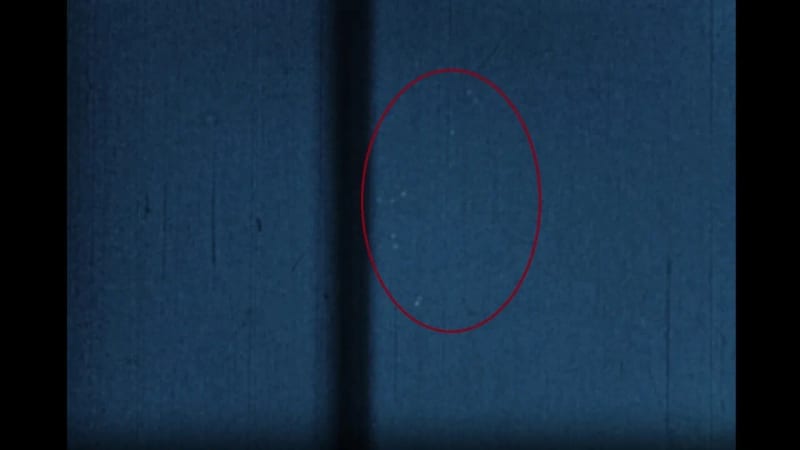
Isaacman stated that UAP reported thus far could be natural phenomena or previously unknown technologies, including potentially advanced systems developed by the adversaries of the U.S. The latter, he said, could lead to a modern-day “Sputnik moment.” The original 'Sputnik moment', of course, dates back to 1957, when the erstwhile Soviet Union launched Sputnik 1, the first human-made satellite in orbit. It created a sense of panic in the U.S., which directly led to the formation of NASA and the creation of the Apollo program, which landed Americans on the Moon. "If it's a Sputnik moment, we did really well the last time that happened," added Isaacman. "Which means, is this potentially red technology? Is this an adversary that's testing some next-generation propulsion? It's certainly in the realm of the possible."
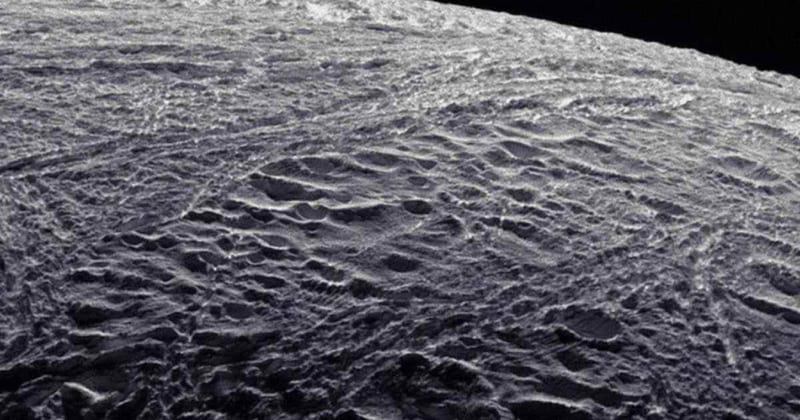
The NASA Chief also took the opportunity to emphasize that we have barely managed to explore our own solar system. So we are hardly in the position to jump to conclusions about alien life beyond that. "Do you know there are moons out there […] Saturn's moon Enceladus has an ocean. Europa has an ocean. It has complex chemistry," he said. "We couldn't tell you conclusively that there isn't life in our own backyard, let alone the billions of other stars in the Milky Way galaxy, or the two trillion other galaxies out there. It's why NASA's mission is so important."
Of course, this is not the first time the NASA Chief has shared his thoughts on the possibility of extraterrestrial life. In an interview with podcast host Jack Gordon a few months ago, he said that there is a "very high probability" that samples from Mars, if they are brought back, will point to the presence of microbial life at some point in the planet's existence. While a sample return mission has been shelved for the moment, and the UAP files have proved to be inconclusive thus far, Isaacman still remains optimistic. "I think there's a very real possibility we're gonna arrive at a conclusion in our lifetime that perhaps there is life everywhere out there and that it isn't as infrequent as we might think it to possibly be," he told Gordon.
More on Starlust
New Pentagon UFO files: How close are we to alien life? Ex-NASA official explains
Alien life may be hiding in planetary patterns, new study suggests