NASA and U.S. Department of Energy sign agreement to advance nuclear-powered Moon and Mars missions
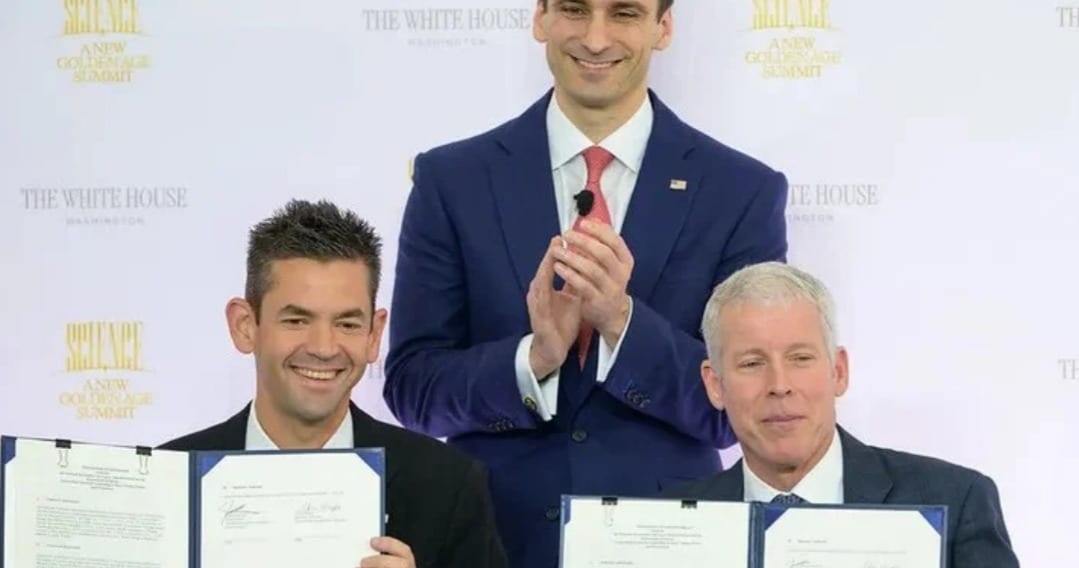
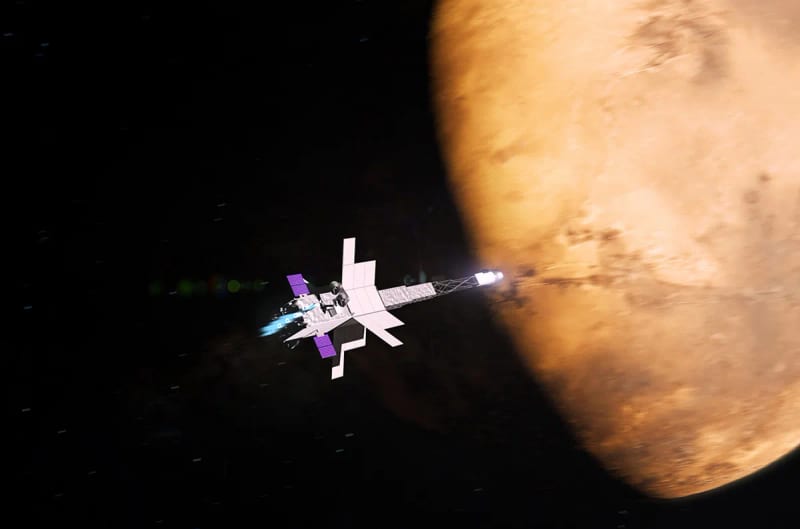
NASA and the U.S. Department of Energy (DOE) are expanding their collaboration for the development of cutting-edge nuclear technologies for space exploration, with the first nuclear-powered spacecraft traveling beyond Earth's orbit planned for launch in 2028 and a fission-based surface power system planned by 2030 to support a future American base on the Moon. The agency and the DOE signed a Memorandum of Understanding (MoU) on Thursday, October 8, 2026, as announced by NASA in an official update. The agreement, which will come into effect on November 1, was signed by NASA Administrator Jared Isaacman and U.S. Secretary of Energy Chris Wright during the Golden Age Summit at the Donald J. Trump Institute of Peace in Washington.
.@SecretaryWright at the New Golden Age Summit: “We’re going to launch a nuclear renaissance and change the game...That’s the goal of the Trump administration — is to do big, bold things and have a nuclear renaissance open the frontiers of space." https://t.co/1INGvF0mpe
— U.S. Department of Energy (@ENERGY) October 8, 2026
The new agreement, “Accelerating American Leadership in Space Nuclear Power and Propulsion,” establishes a framework for a comprehensive collaboration between NASA and DOE, covering all stages of development from research and fuel production to launch integration and operations, the space agency said.
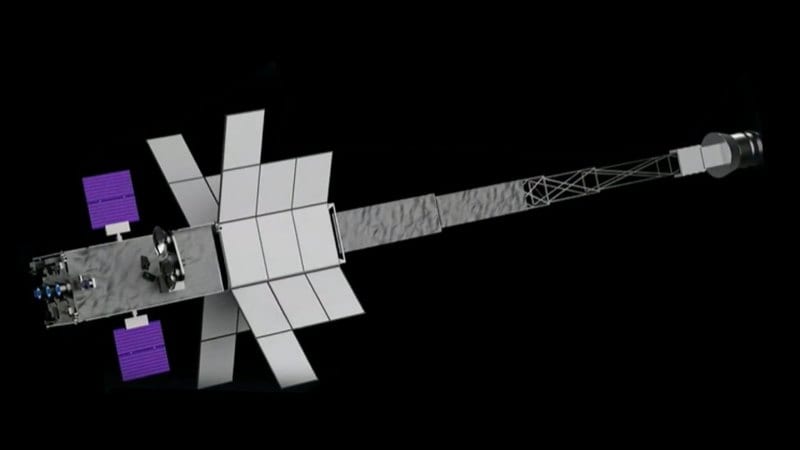
Isaacman, who is currently on a stringent deadline to deliver the fission-fueled spacecraft, Space Reactor‑1 Freedom, to Mars, stated, “We are entering the ‘Nuclear NASA-era,’ which represents a major transformation for space exploration. Nuclear power will allow us to go farther, operate longer, and field more capable spacecraft and instruments than ever before. The work we’re doing today is laying the foundation for the fission-powered spacecraft of tomorrow and opening an entirely new frontier for exploration and discovery.” Taking to X on Thursday, he also referred to the MoU as the "next giant leap toward exploring the outer solar system and sending American astronauts to Mars." Wright, meanwhile, thanked President Trump, crediting him for the expansion of the frontiers of "America's nuclear renaissance."
We’re getting America underway on nuclear power in space and ushering in the era of a Nuclear NASA. With the signing of an MOU with @ENERGY, we’re taking the next giant leap toward exploring the outer solar system and sending American astronauts to Mars. Fission power will help us travel farther, operate longer, and power more capable scientific instruments.
— NASA Administrator Jared Isaacman (@NASAAdmin) October 8, 2026
The agreement is in line with President Trump’s Executive Order signed in December 2025. The order, titled "Ensuring American Space Superiority," calls on NASA to design a lunar surface reactor by 2030. The agency said it is currently working on the project alongside the DOE and is making steady progress. This fission-based surface power system, called Lunar Reactor-1 (LR-1), is designed to generate continuous electricity on the lunar surface, thereby supporting a sustained human presence on the Moon. The groundwork for LR-1 will be laid by the fission-powered Space Reactor-1 Freedom, which has been planned for liftoff to Mars in 2028. SR-1 will also deliver NASA's SkyFall mission, a set of three Mars helicopters informed by the success of the Ingenuity mission. Despite the tighter deadline of the mission, however, there hasn't been any public update on the progress made since its announcement in March.
Under @POTUS leadership, we are returning @NASA Astronauts the Moon, building the infrastructure to support an enduring presence, building a Moon Base, and preparing for the voyage to Mars. And the Nuclear NASA in partnerships with @ENERGY will be essential as we take that next giant leap.
— NASA Administrator Jared Isaacman (@NASAAdmin) October 8, 2026
NASA is also working on radioisotope power systems, which utilize heat produced by radioactive decay to deliver electricity or sustain temperatures of equipment. This is the concept used in the agency's Dragonfly mission to Saturn's moon Titan, planned for liftoff in 2028, which will employ a radioisotope thermoelectric generator and 24 lightweight heater units to supply electricity and maintain operating temperatures in the spacecraft. The spacecraft was getting its electrical harness, which is responsible for power and data transmission, connected to its various components when NASA released an update in September.
Apart from working together on designing space nuclear technologies, both NASA and DOE plan to assist the Rosalind Franklin Mars rover designed by the European Space Agency, which will explore the possibility of whether life has existed/is existing on Mars. Both the agencies will jointly deliver heater units for the rover, thereby aiding in safeguarding its instruments from the Red Planet's severe cold.
More on Starlust
NASA confirms Artemis II crew saw five lunar impact flashes—‘Most ridiculous thing I’ve ever seen’
NASA’s Artemis program might finally solve these long-standing Moon mysteries