Best time to see the September Epsilon Perseids—all you need to know
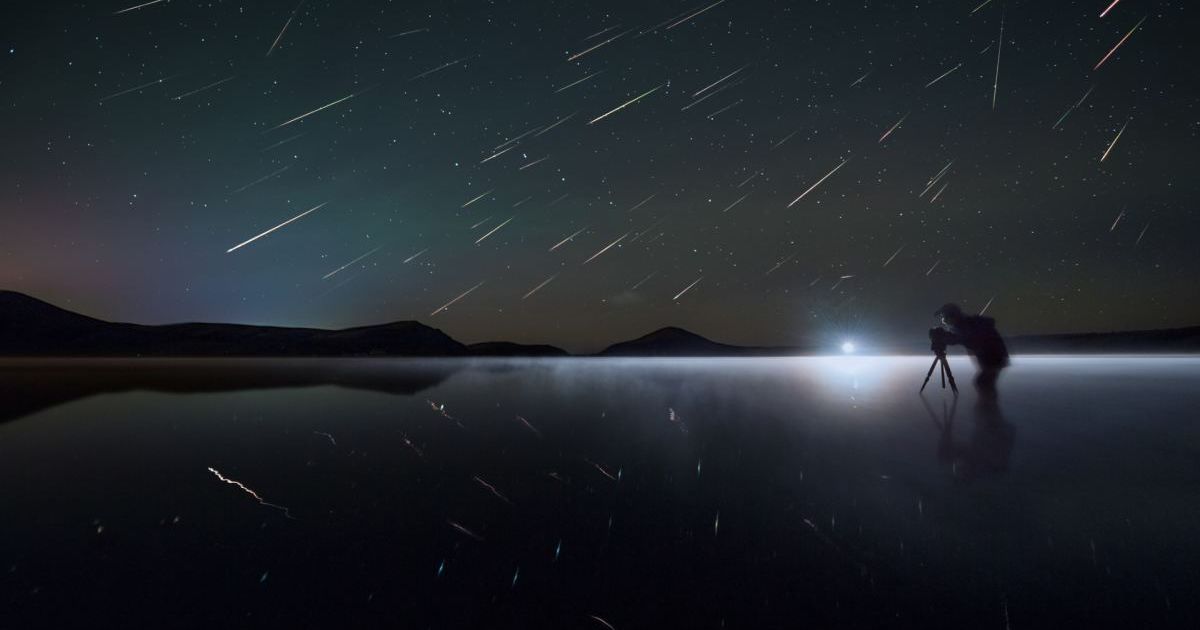
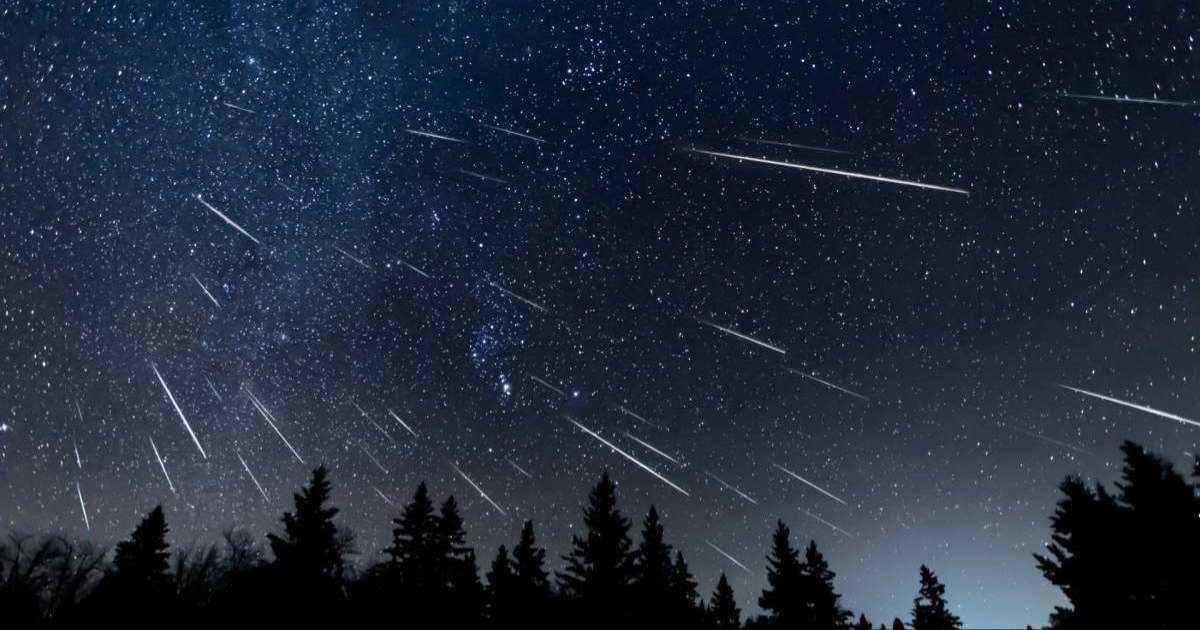
The Perseids annual meteor shower in August is familiar to people and is a significant event in the night sky every year. However, following this spectacle is the lesser-known showers of the September Epsilon Perseids. According to CosmoBC, these meteor showers are from the Perseus constellation and have a maximum rate of 5 meteors every hour. This shower typically produces short-lived trails as it travels very quickly at a speed of roughly 40 miles per second. The best location to witness the showers would be in a rural region, far away from city lights, where pollution hasn't muddied the sky.
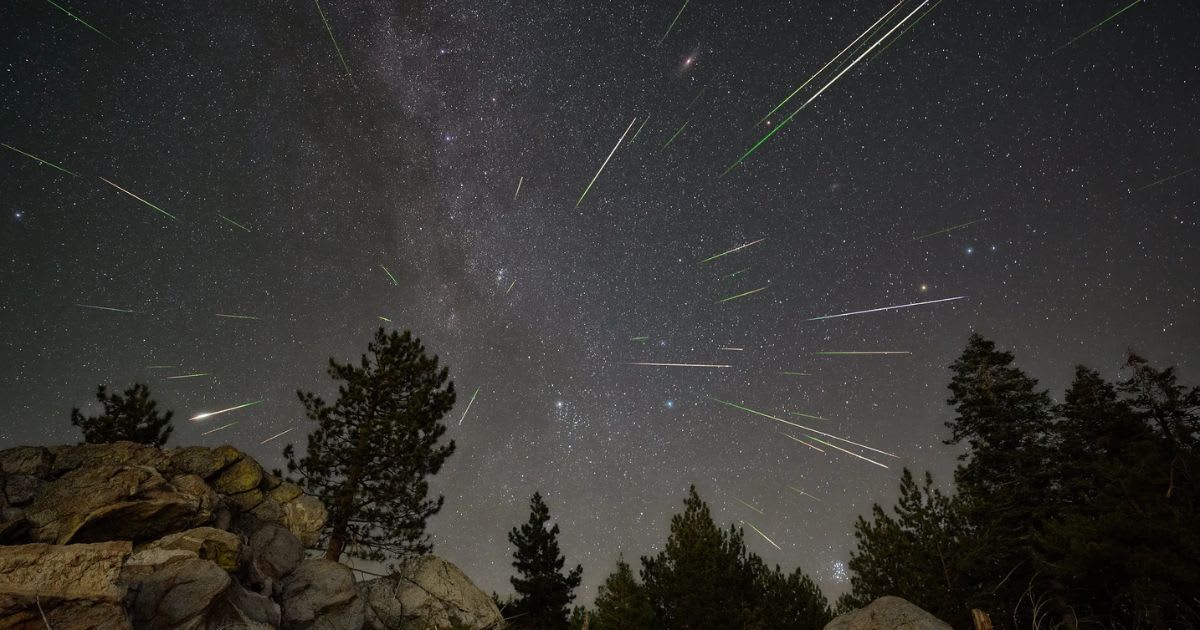
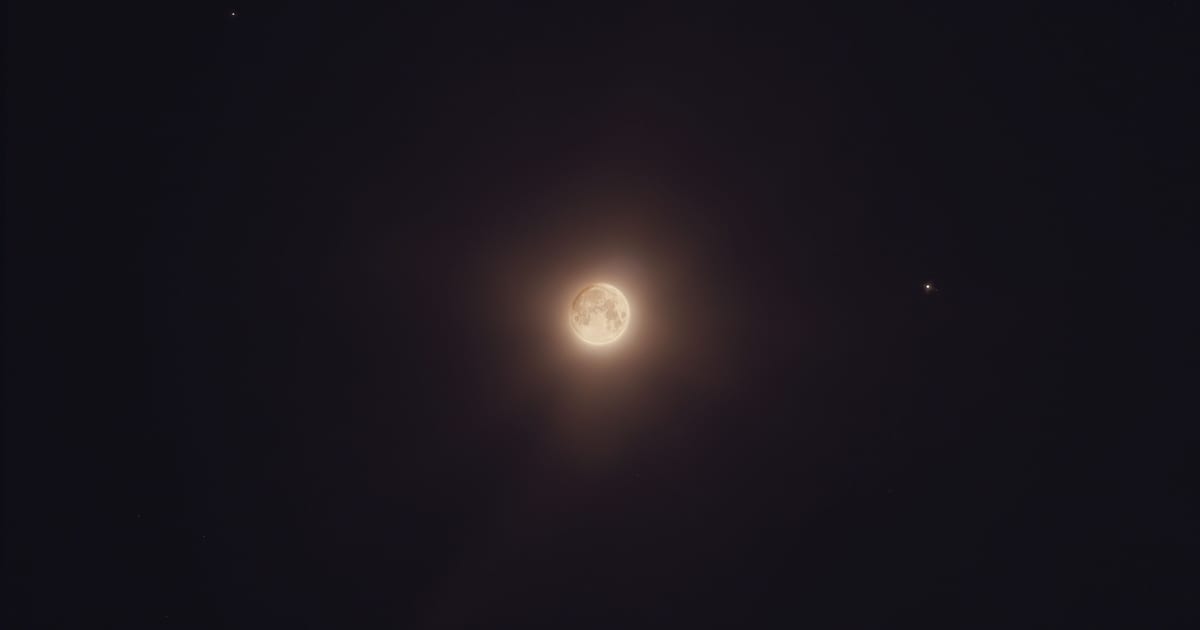
The September Epsilon Perseids are expected to peak on September 9, 2025, and are better viewed past midnight. However, the weather and moonlight will significantly affect the show as it is taking place two days after a full moon. It is highly likely that moonlight will wash out the showers and their brightness, according to Starwalk. The showers are from a point near the star Epsilon Persei in central Perseus, and despite being a minor event, they occur before every autumn.
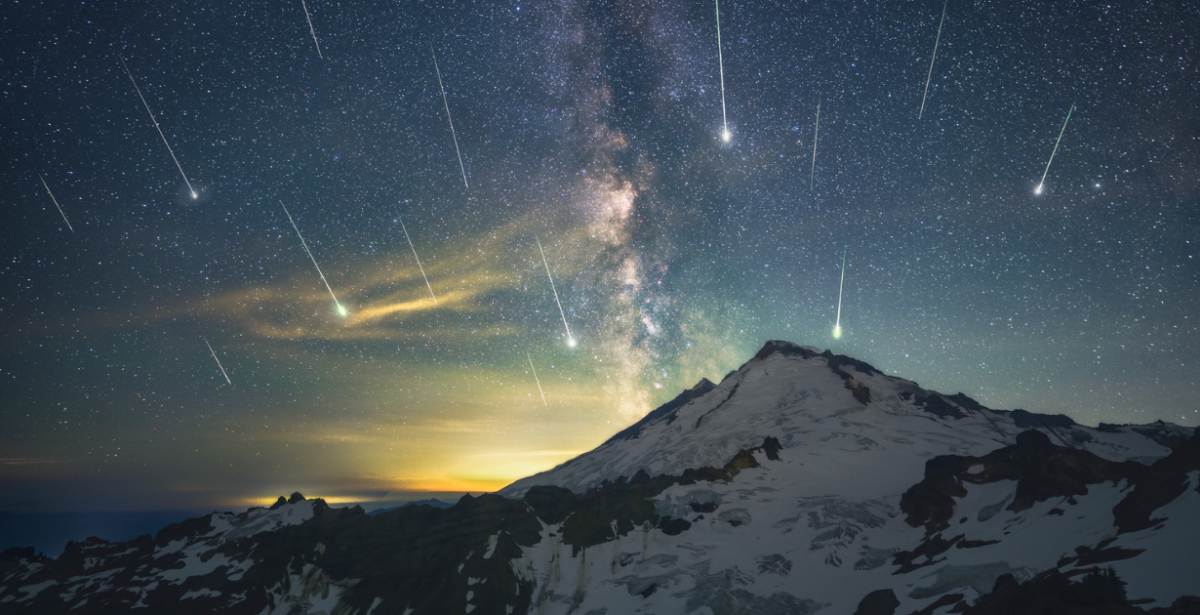
This shower is predicted to be active from September 5, 2025, to September 21, 2025, as per CosmoBC, peaking on September 9. Zenithal hourly rate (ZHR) is the standard of meteor shower quality, giving a realistic and data-driven prediction for viewers. It stands for the number of meteors a single observer can see in one hour. The September Epsilon Perseids have a ZHR of around 5, which is much lower in comparison to other known showers. The reported rates of the showers are usually reduced by cloud cover, light, and pollution from cities, or the brightness being low on the horizon.
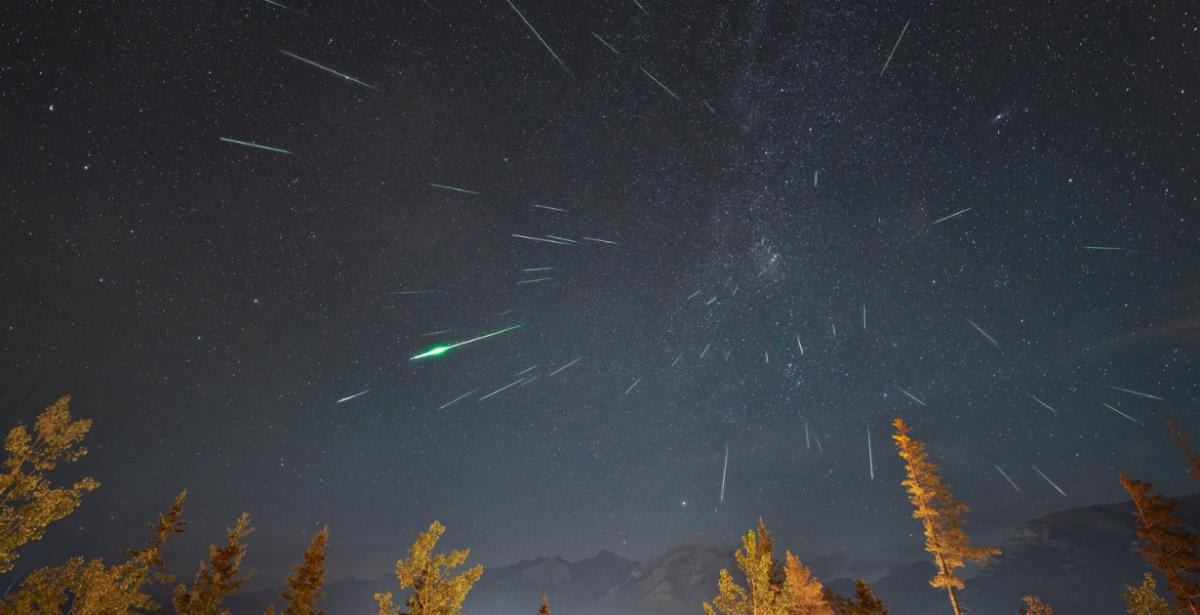
This observation is highly dependent on perfect dark-sky conditions, with the point of visibility of the meteors, or radiant, directly overhead. Class I showers, like the Perseids or Geminids, can have a ZHR as high as 150 meteors per hour, given the best conditions. The September Epsilon Perseids are not as magnificent compared to the major meteor showers every year. There are significant differences between this September shower and the other famous sights of August.

For a better viewing experience, people are advised to keep track of the moon's rise and setting times. This will avoid the obstacle of the moonlight during the viewing event. The weather is also an important factor, as clear skies are a necessity to see the meteor showers. Light pollution from cities is the biggest threat, and so, people are advised to find an open spot somewhere away from the buzz. National parks like California’s Joshua Tree, Texas’s Big Bend, and Pennsylvania’s Cherry Springs are ideal locations in the country.

Observing a meteor shower has always been a collective experience for people on Earth, as it is a glimpse of a movement in space. This is not exclusive to stargazers and skywatchers, but everyone can share the extraordinary moment and appreciate it.
More on Starlust
Watch the elusive Aurigid meteor shower as its rare display peaks in the predawn sky
Experience the mesmerizing beauty of the Perseids meteor shower from mid-July to September
Ahead of September 7 Blood Moon, effective tips for observing the total lunar eclipse