Sensitive radio observations looked for technosignatures on 3I/ATLAS and found silence
![Hubble captured this image of the interstellar comet 3I/ATLAS on July 21, 2025, when the comet was 277 million miles from Earth. [Cover Image Source: NASA, ESA, David Jewitt (UCLA); Image Processing: Joseph DePasquale (STScI)]](https://d3hedi16gruj5j.cloudfront.net/785503/uploads/dd8bf830-e608-11f0-9183-41b35c28243b_1200_630.jpeg)
When a mysterious object from outside our solar system sweeps past Earth, scientists pay attention. In December 2025, astronomers did exactly that when 3I/ATLAS, only the third known interstellar object ever discovered, made its closest approach to our planet. Along with studying its comet-like behavior, researchers asked a more provocative question: could it be artificial?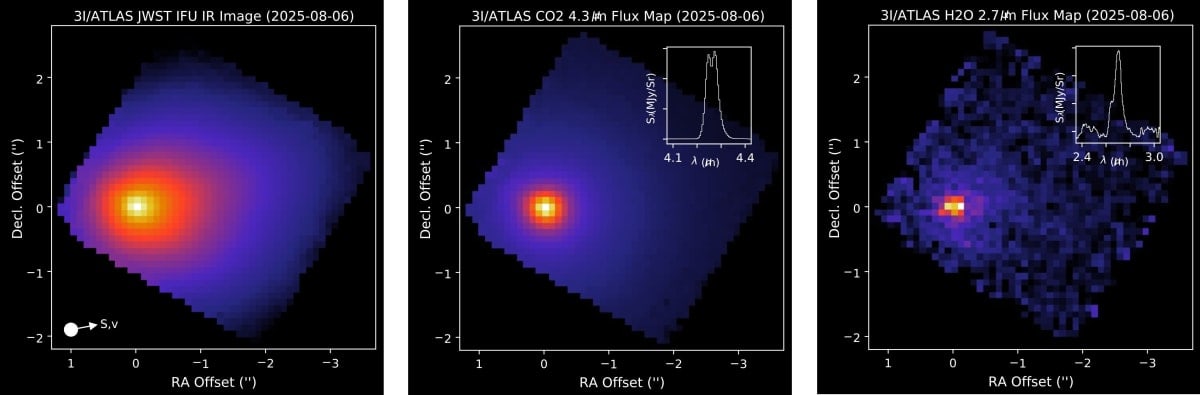
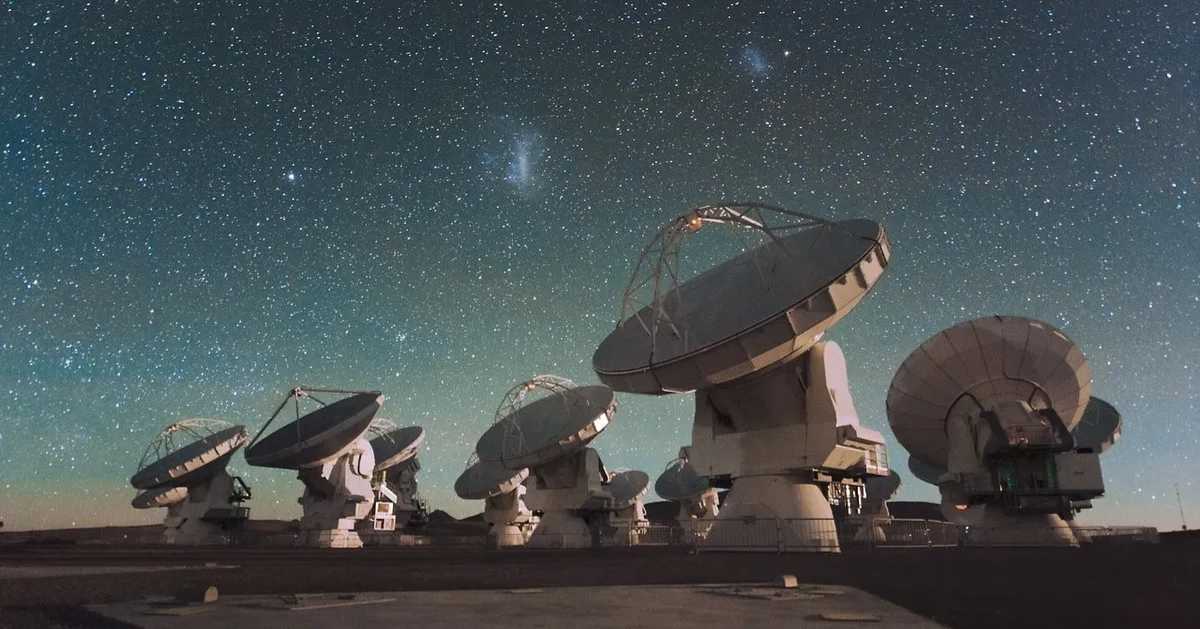
To find answers, researchers pointed the 100-meter Green Bank Telescope, which is part of the Breakthrough Listen program designed to look for extraterrestrial life, at 3I/ATLAS. What followed was a series of careful and sensitive radio searches on the interstellar visitor. The result, however, was clear and quiet. As the researchers state plainly in their research paper, “We report a nondetection of candidate signals down to the 100 mW level.”
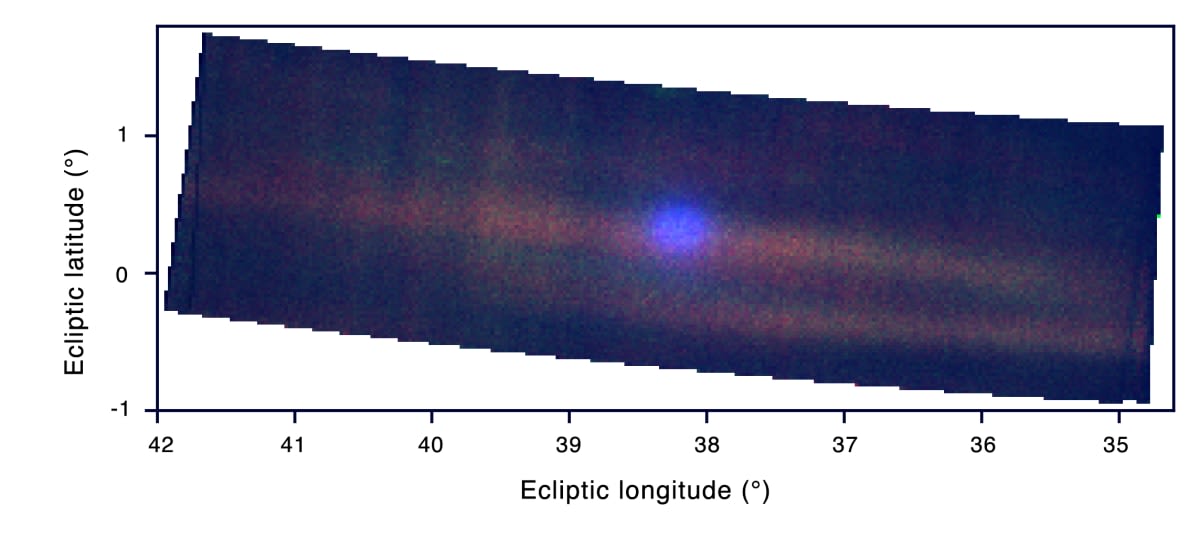
The observations were carried out on December 18, 2025, just one day before 3I/ATLAS passed closest to Earth. The researchers conducted the search across four radio bands, from 1 to 12 gigahertz. The search focused on narrowband radio signals because they are efficient for transmitting across interstellar distances and are widely considered a strong sign of technological activity. As the authors explain, “All of humanity’s spacecraft, including the now-interstellar craft Voyager 1 and Voyager 2, communicate via such signals.” According to the paper, initial analysis detected more than 470,000 signal hits. But most of these were quickly identified as human-made interference, as they also appeared in off-target scans.

After doing a strict filtering, only nine candidate signals remained. Each one was then carefully examined. None passed the final test. The researchers conclude that all remaining candidates could be explained by known sources of radio contamination, noting that “we visually inspect the nine events and… rule out all of them as RFI.” In other words, radio noise was not alien technology, and it explains everything they saw. One of the most striking results of the study is how sensitive the search was.
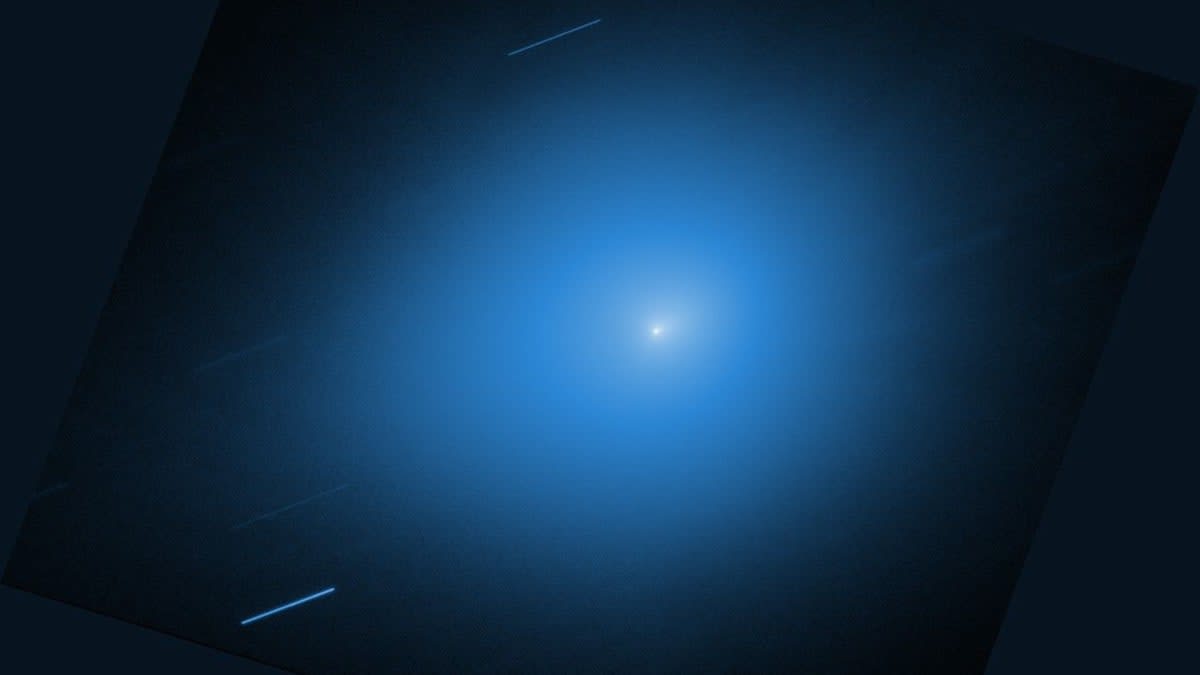
The team calculated that if a transmitter at 3I/ATLAS were sending out radio waves equally in all directions, it would have to be weaker than 0.1 watts to escape detection. To put that in perspective, the authors point out that “a cell phone is an approximately isotropic continuous-wave transmitter at a level of ∼1 W.” That means the survey would have even detected someone making a phone call from space. However, fortunately or unfortunately, the survey concluded, "There are no isotropic continuous-wave transmitters above 0.1W at the location of 3I/ATLAS," which joins its predecessors, Oumuamua and Borisov, in appearing to be a natural object rather than an artificial probe.
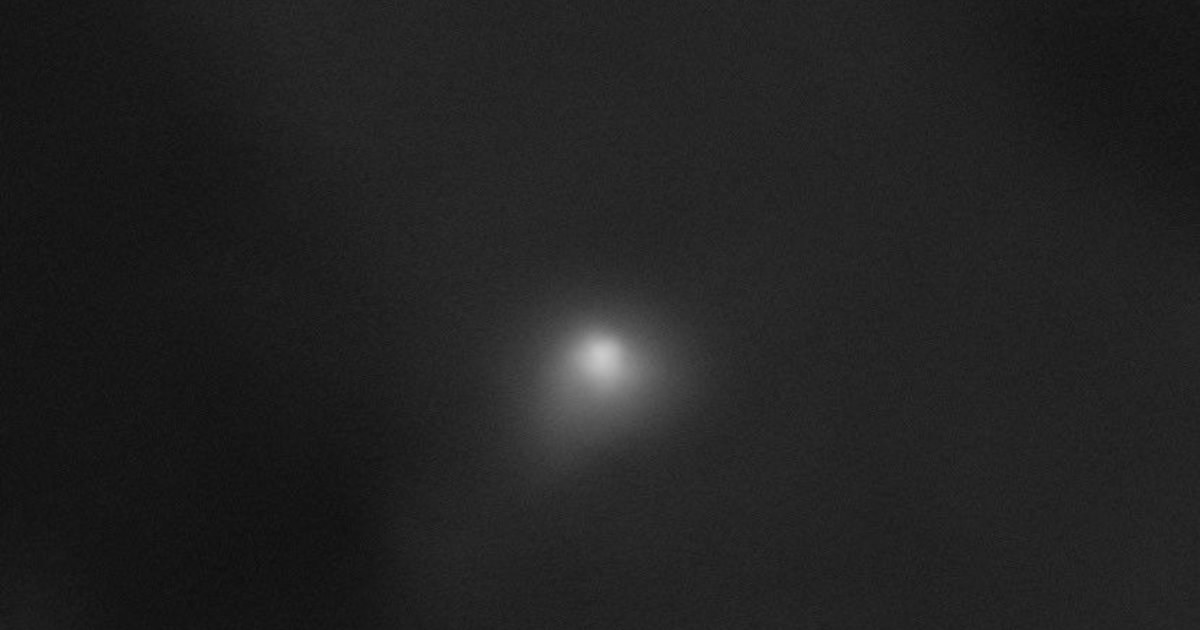
While the idea of interstellar technology is fascinating, the scientists stress caution. As they write, “There is currently no evidence to suggest that ISOs are anything other than natural astrophysical objects.” Still, the search itself is important. Interstellar objects are rare, and each one offers a unique opportunity.
More on Starlust
From life on Mars to interstellar comet 3I/ATLAS: 5 space discoveries that defined 2025
Where is interstellar comet 3I/ATLAS now? Current position and visibility