NASA’s SpaceX Crew-12 gets go-ahead for February 11 launch as FAA clears Falcon 9 to fly again
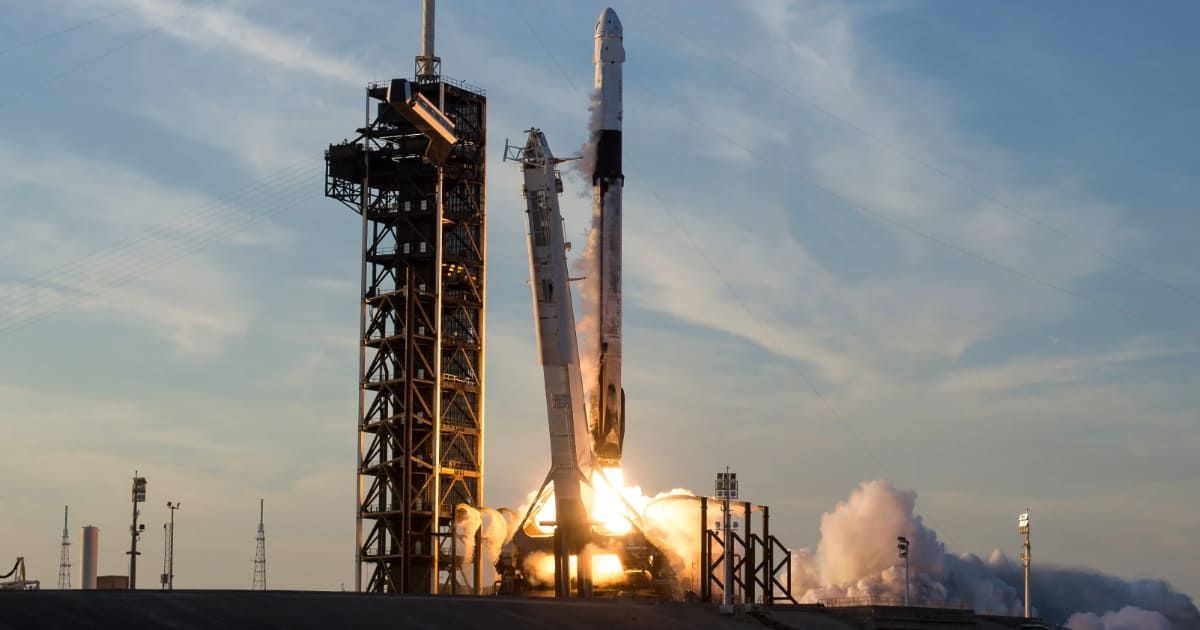
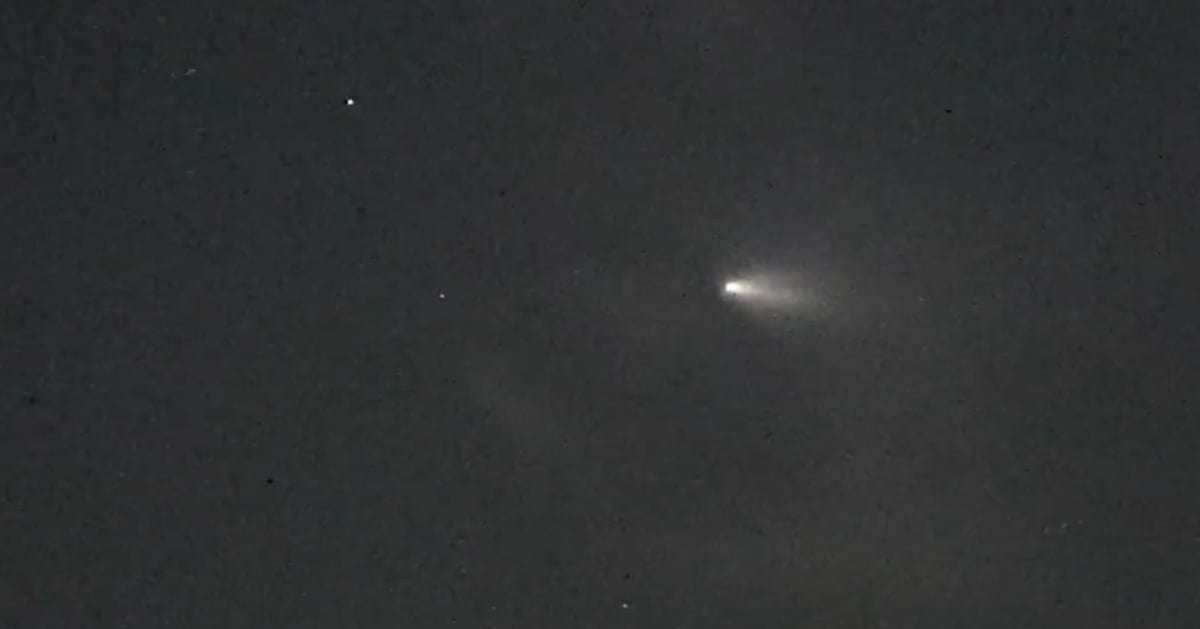
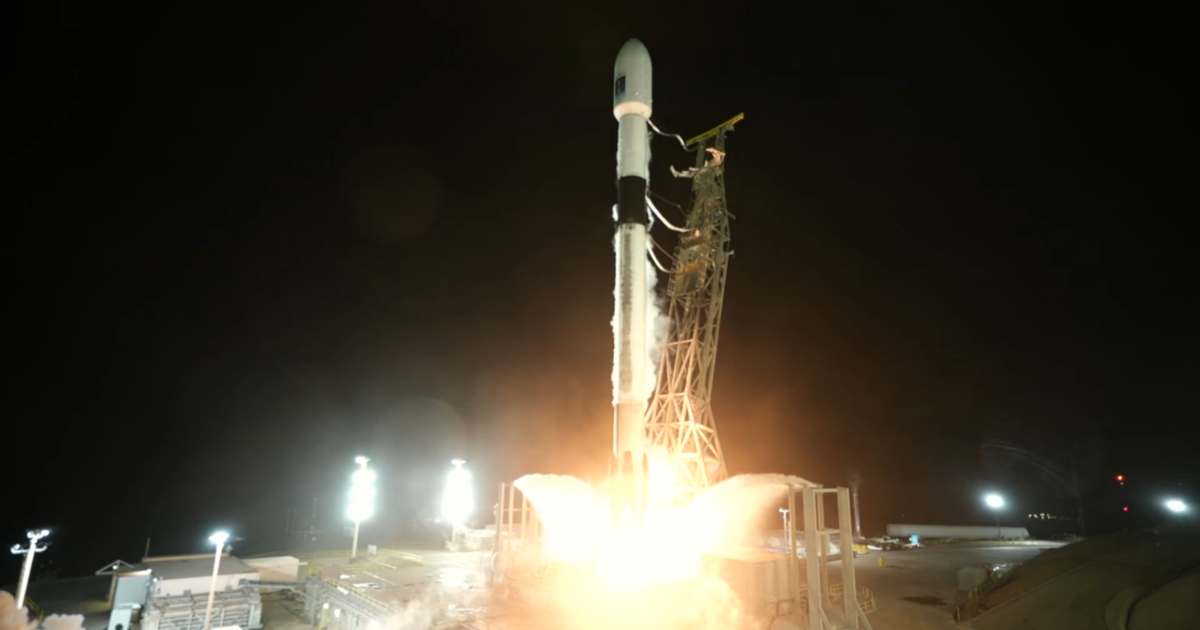
After being grounded due to a stage-two anomaly during a Starlink mission, the SpaceX Falcon 9 rocket has been greenlit for a return to flight by the Federal Aviation Administration. That means that the rocket could lift off with the SpaceX Crew-12 as early as 6:01 a.m. EST on Wednesday, February 11, from Space Launch Complex 40 at Cape Canaveral Space Force Station in Florida. During its last flight from Vandenberg Space Force Base in California on Monday, February 2, 2026, a Falcon 9 rocket successfully inserted 25 Starlink satellites into low Earth orbit, after which it experienced an "off nominal condition" in the second stage.
The FAA was sufficiently accepting of SpaceX’s investigations and cleared the prolific rocket for Wednesday’s launch. "The final mishap report cites the probable root cause was the Falcon 9 stage 2 engine's failure to ignite prior to the deorbit burn. SpaceX identified technical and organizational preventative measures to avoid a reoccurrence of the event," the FAA stated. Now that the rocket is cleared to launch with Crew-12 on board, the International Space Station (ISS) will finally be back to its typical complement of seven crewmembers. The ISS had been running on a skeleton crew of just three following an unprecedented medical evacuation of Crew-11, which prompted NASA to fast-track Crew-12 going into quarantine amongst other preparations for their nine-month mission.
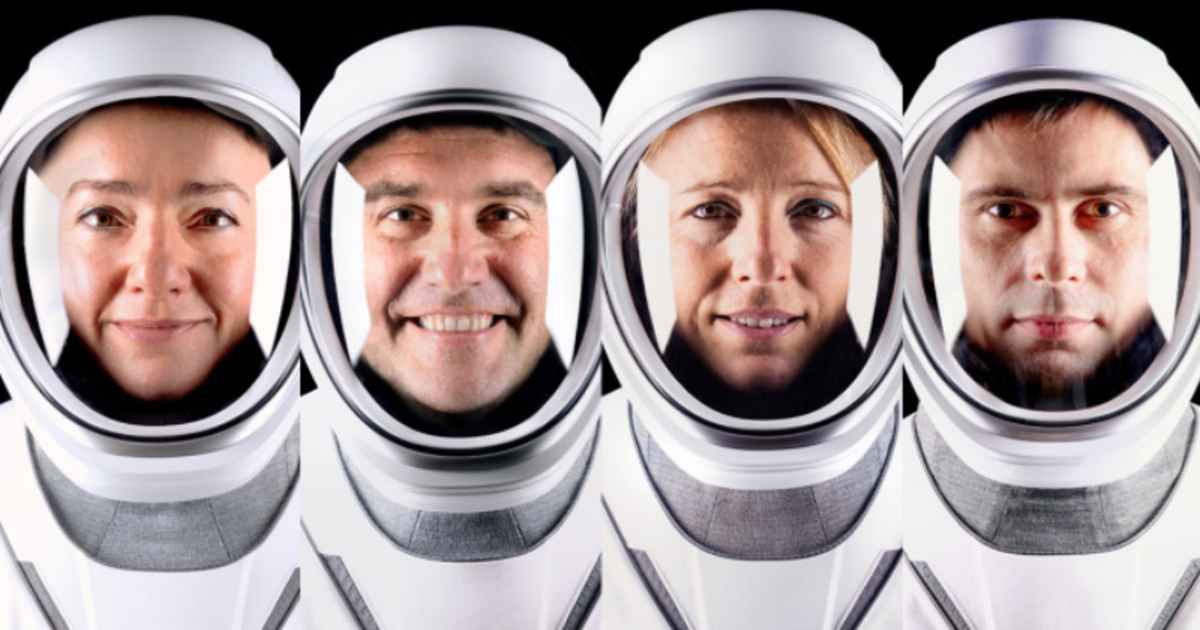
Before undocking from the ISS with his crewmates, Crew-11’s Mike Fincke had passed ISS command to Roscosmos cosmonaut Sergey Kud-Sverchkov at 2:35 p.m. EST on January 12, 2026. With their departure, only NASA astronaut Chris Williams and Roscosmos' Sergey Mikaev were left alongside Kud-Sverchkov for space station upkeep and conducting science experiments. Now, they’ll be joined in their efforts by Crew-12’s NASA astronauts Jessica Meir and Jack Hathaway, as well as Sophie Adenot from the ESA (European Space Agency) and Andrey Fedyaev from Roscosmos.
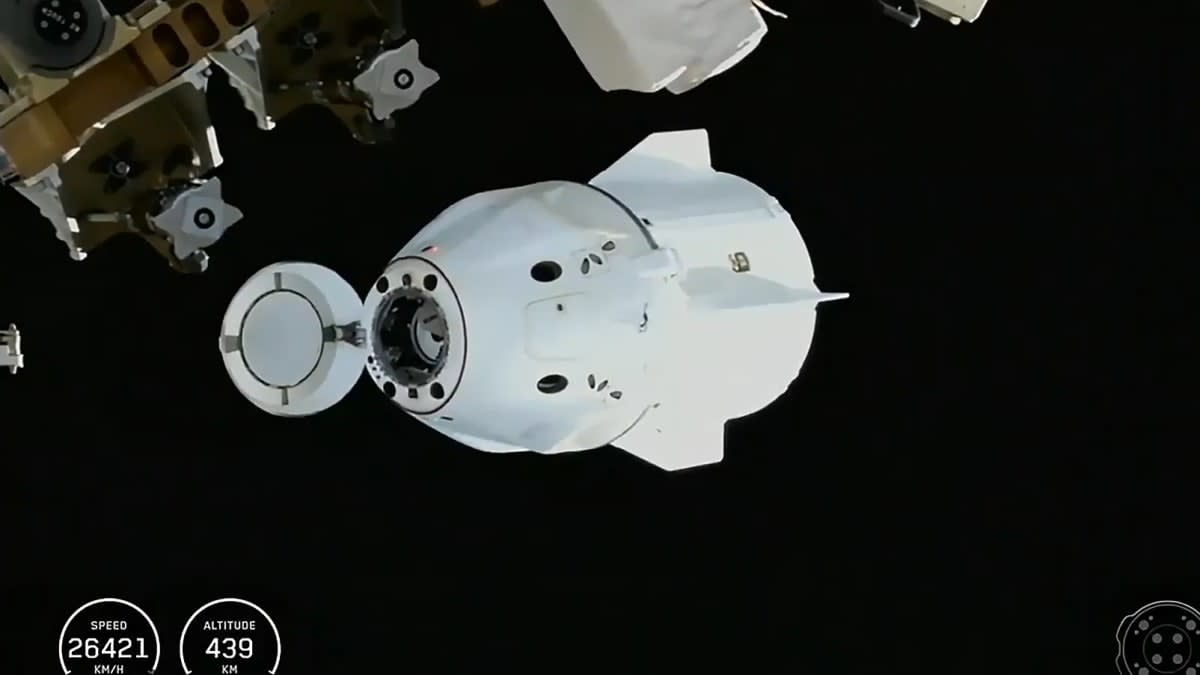
Per SpaceX, the particular Dragon capsule to be employed for Crew-12 has previously been used for the Crew-4, Ax-2, Ax-3, and Crew-9 missions. The first stage that is being used for this mission was also used once previously for the deployment of Starlink satellites and will be made to land at Landing Zone 40 (LZ-40) of Cape Canaveral Space Force Station. NASA is targeting a docking time of 10:30 a.m. EST on Thursday, February 12. Crew-12's mission aboard the ISS will see select crew members conduct new research on the effects of the low-gravity environment of space on astronauts' bodies, complementing NASA’s Artemis program, which has plans for humans to return to the Moon and land on Mars.
Falcon 9 and Dragon are vertical at pad 40 in Florida for @NASA’s Crew-12 mission → https://t.co/RURjWg7R8P pic.twitter.com/rdA1Wntj56
— SpaceX (@SpaceX) February 8, 2026
To watch the launch and ISS docking live, one can either tune into NASA’s various channels, such as NASA+, Amazon Prime, and the agency’s YouTube channel, or check out SpaceX’s website, the X handle of SpaceX, or their X TV app.
More on Starlust
SpaceX plans to lower thousands of Starlink satellites in 2026—here's why
Crashed SpaceX's Starlink satellite photographed by Vantor's WorldView-3 spacecraft in orbit