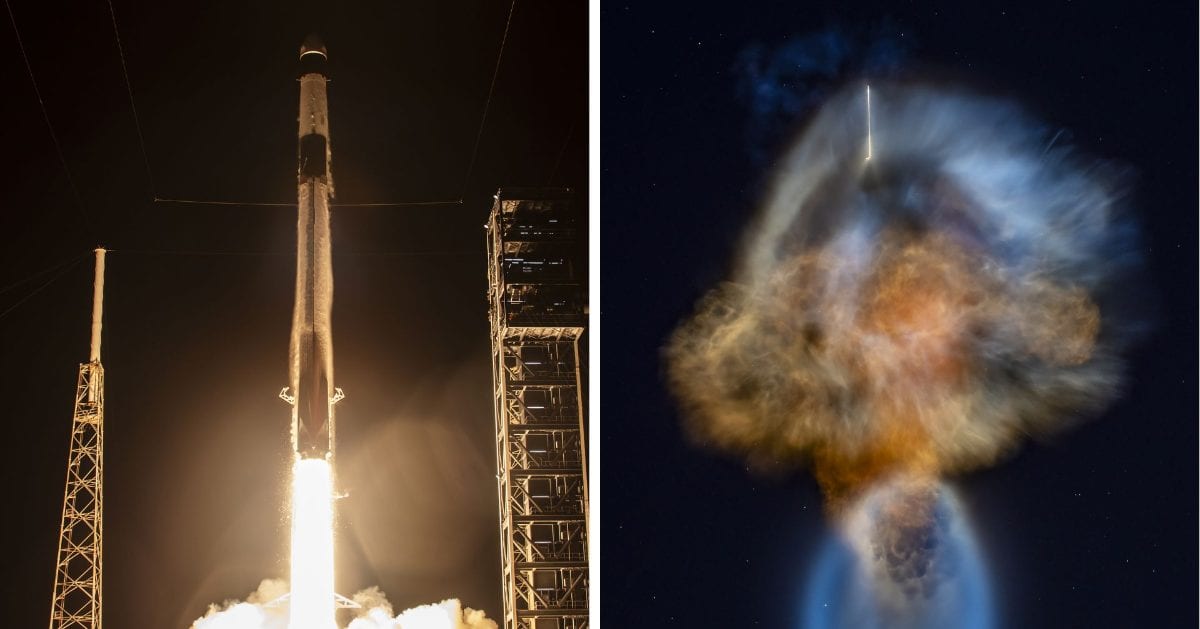
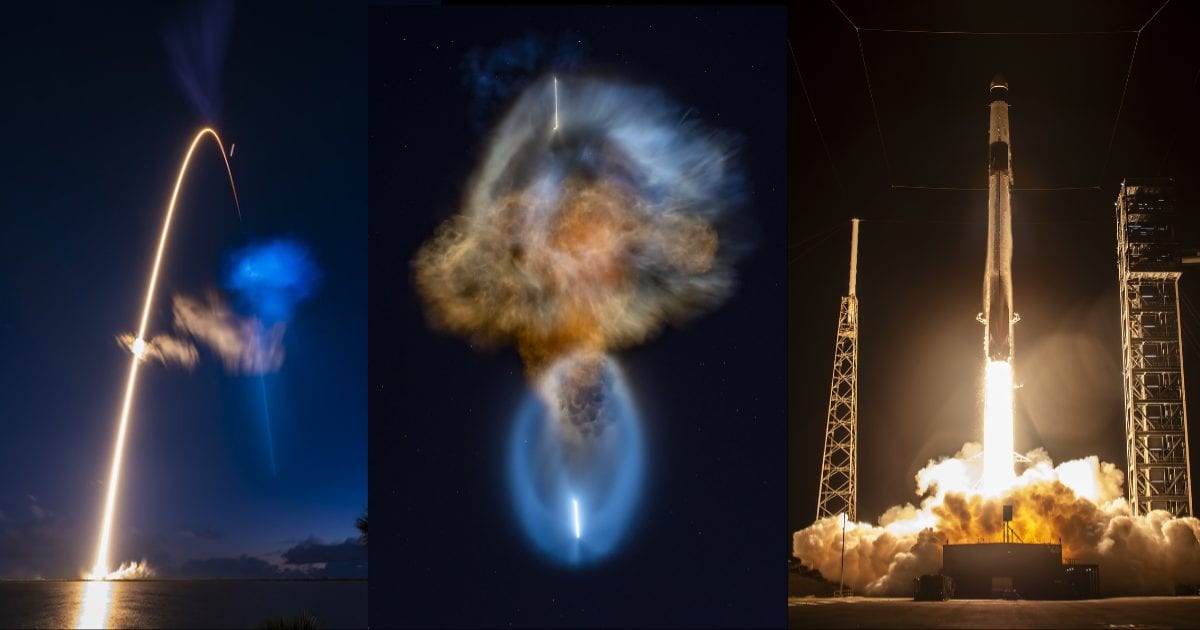
Crew-11 astronauts begin pre-launch quarantine at NASA's Johnson Space Center ahead of ISS mission
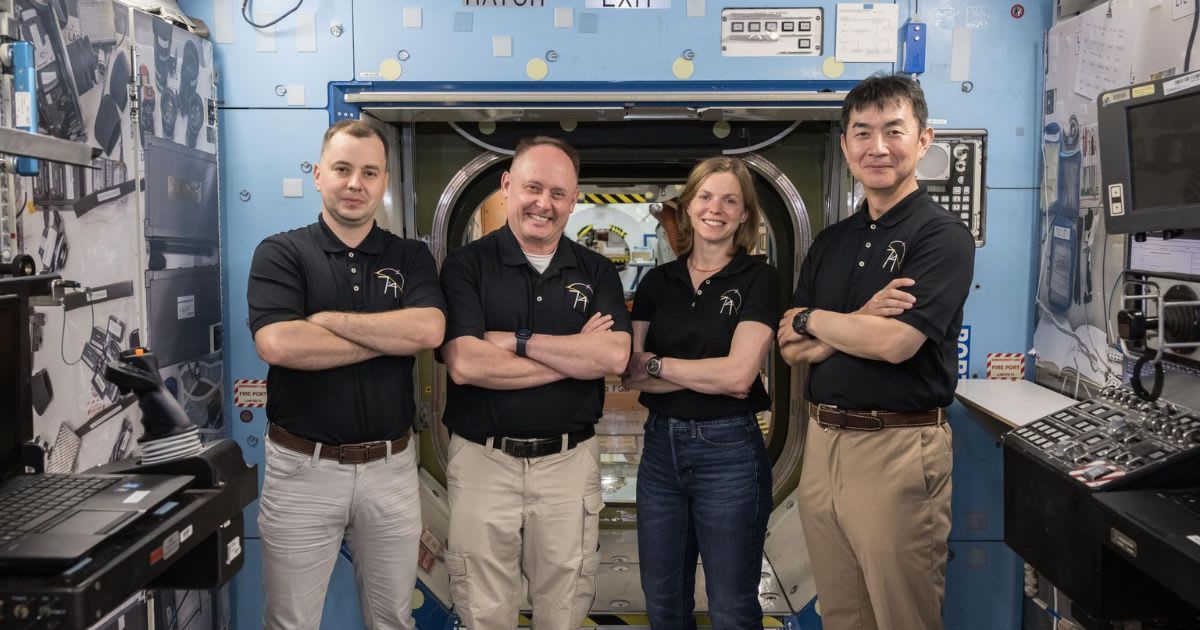
The four-person crew assigned to NASA's upcoming SpaceX Crew-11 mission officially began their pre-flight quarantine on July 17 at NASA's Johnson Space Center. This crucial health stabilization period marks one of the final preparations before their journey to Kennedy Space Center in Florida for the launch to the International Space Station, according to NASA.
The four members of @NASA’s @SpaceX Crew-11 mission entered their official quarantine period today, meaning launch is just two weeks away! 🚀https://t.co/616TKmZWuZ
— NASA's Kennedy Space Center (@NASAKennedy) July 17, 2025
The Crew-11 team, comprising NASA astronauts Zena Cardman and Mike Ficke, JAXA astronaut Kimiya Yui, and Roscosmos cosmonaut Oleg Platonov, will spend the next fortnight in isolation. This long-standing protocol, initiated during the Apollo era, aims to minimize the risk of illness among astronauts both before and during their spaceflight. During this period, direct contact with the crew is significantly restricted, with most interactions conducted remotely. Close family members and select launch and flight personnel also undergo medical screening to ensure the crew's continued health.
Crew-11 is set to study plant cell division, microgravity's effects on bacteria-killing viruses, and on-demand nutrient production aboard space station. More: https://t.co/eXYTp3s3pc pic.twitter.com/VkxALJS17B
— International Space Station (@Space_Station) July 15, 2025
Before entering quarantine, the astronauts completed extensive training across multiple NASA and SpaceX facilities in Texas, Florida, and California. This comprehensive regimen included rigorous simulations at SpaceX's Hawthorne, California, facility, where they honed their skills in every phase of the mission, from the launch and docking to undocking and departure from the orbital outpost. These sessions utilized a high-fidelity simulator of the Dragon spacecraft, featuring realistic hardware, displays, and seating. The crew also underwent water survival training at NASA's Neutral Buoyancy Lab.
Further preparations at NASA Kennedy Space Center involved familiarization with the emergency escape system at Launch Complex 39A, which utilizes sidewire baskets to rapidly transport personnel from the launch tower to armored vehicles. Earlier this month, the crew also participated in an equipment interface test, donning their spacesuits, performing leak checks, and ensuring a precise fit within their Dragon spacecraft seats.
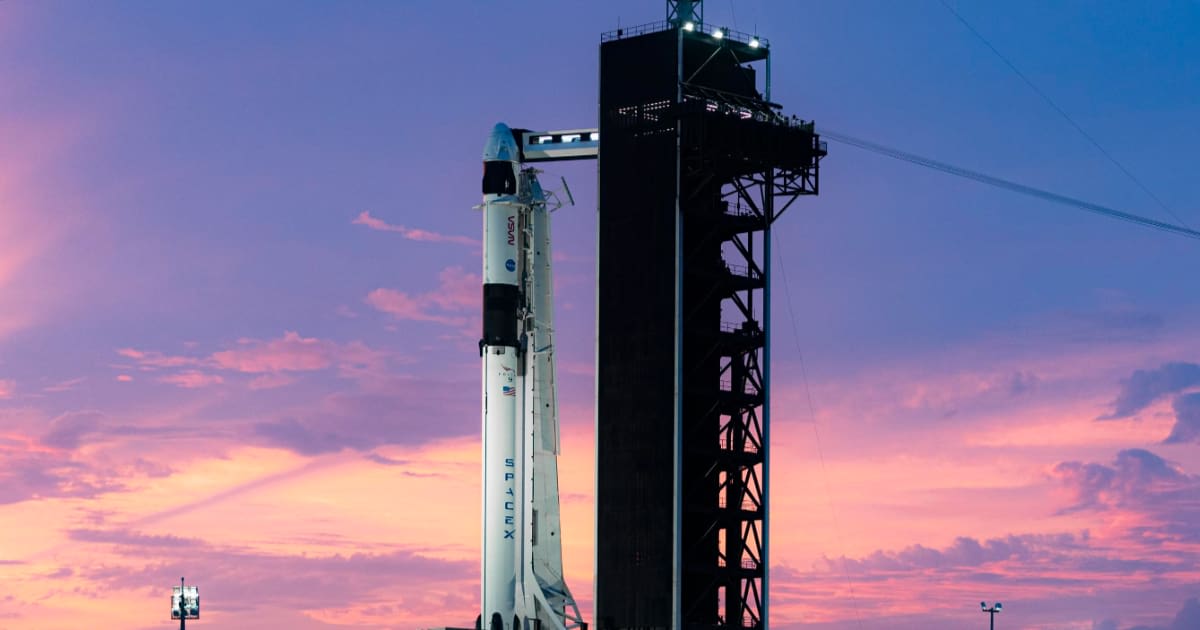
With the crew now in quarantine, NASA and SpaceX are on track for a July 31 launch of the Crew-11 mission. The Falcon 9 rocket is scheduled to lift off from Pad 39A at Kennedy Space Center at 12:09 p.m. EDT, carrying four astronauts to the International Space Station. This mission represents a significant milestone: the 11th operational crew rotation for SpaceX's human space transportation system under NASA's Commercial Crew Program. It's also the 12th crewed flight overall, including the successful Demo-2 test flight.
.@NASA and @SpaceX are targeting no earlier than July 31 at 12:09 p.m. EDT for the launch of the Crew-11 mission to the International Space Station, pending mission readiness. pic.twitter.com/pxkdqLXK8f
— International Space Station (@Space_Station) July 10, 2025
Once aboard the ISS, the Crew-11 team will embark on a series of vital scientific investigations and technology demonstrations. These endeavors are critical for advancing future lunar missions and are expected to yield substantial benefits for applications here on Earth. NASA recently confirmed the reassignments of astronauts Zena Cardman and Mike Fincke to Crew-11, citing their crucial roles in supporting planned ISS activities. Cardman's prior training as a dragon spacecraft commander and Fincke's extensive spaceflight experience are considered invaluable assets for the success of this mission.
The Commercial Crew Program stands as a cornerstone of NASA's strategy to revolutionize human spaceflight. This innovative partnership with American private industry aims to establish safe, reliable, and cost-effective transportation for astronauts to and from the International Space Station. By fostering the development of a new generation of spacecraft and launch systems, the program significantly expands the utility of the ISS, increases valuable research time, and broadens opportunities for groundbreaking discoveries aboard the orbiting laboratory. This initiative marks a new era in space exploration, leveraging private sector innovation to enhance NASA's capabilities.