Astronomers build largest molecular cloud catalog of the Andromeda galaxy
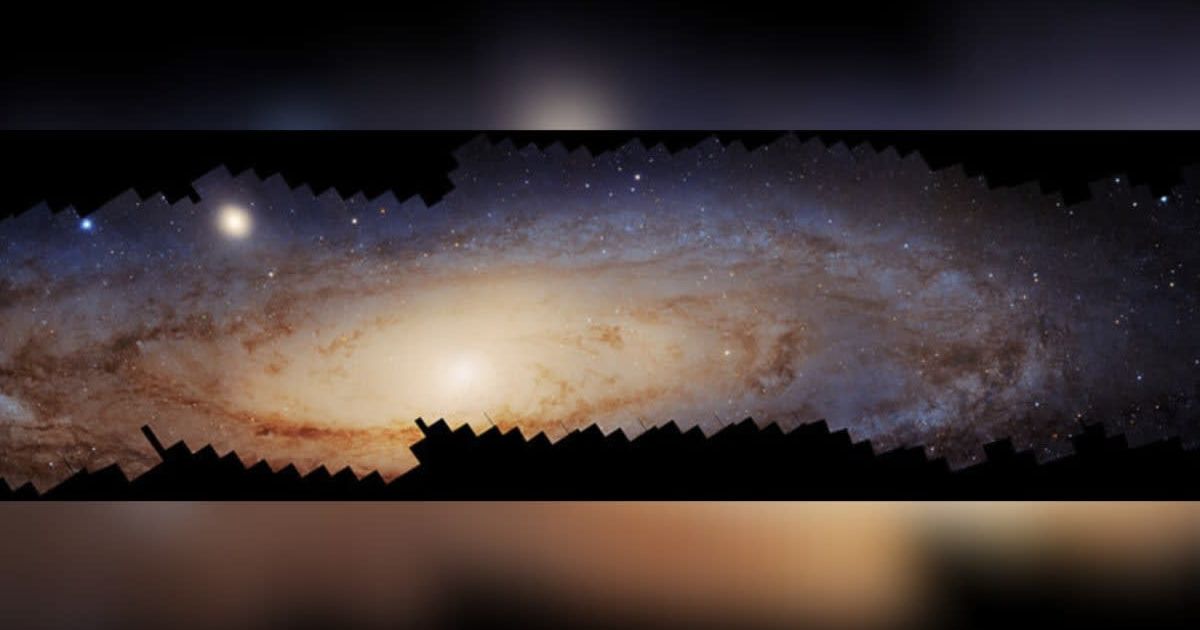
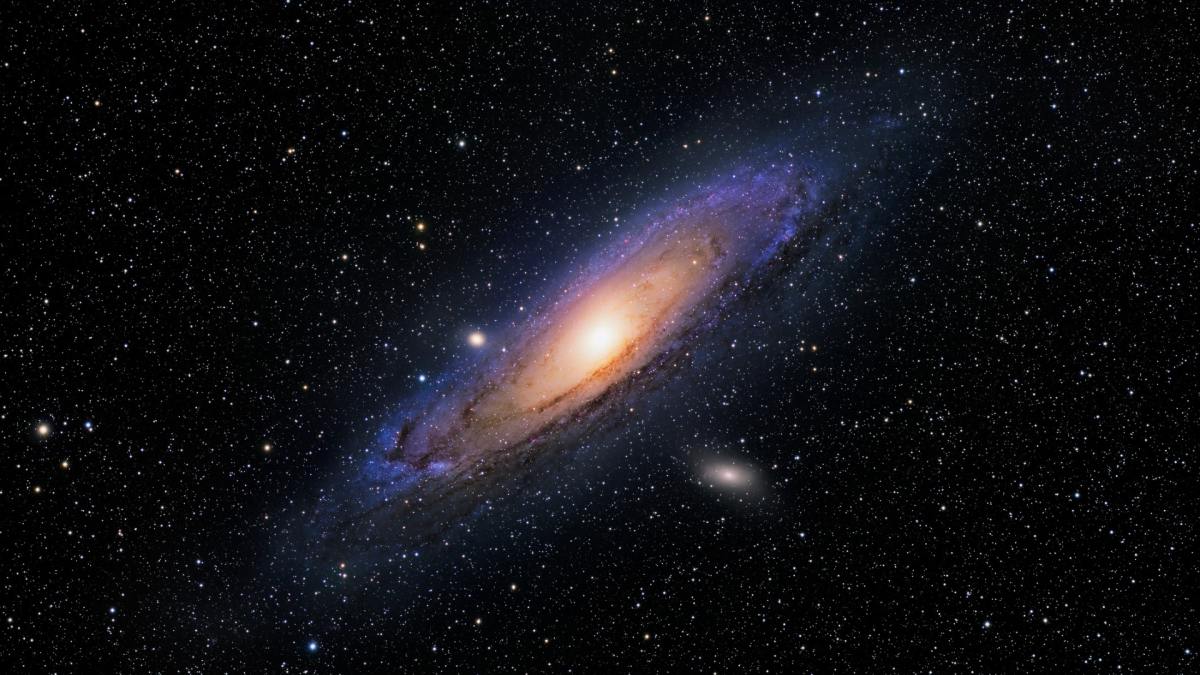
Around 2.5 million light-years away from Earth, the Andromeda galaxy, also known as Messier 31 or M31, is the nearest major galaxy to the Milky Way. Besides stars, it contains molecular clouds of gas and dust. Astronomers are gradually peeling away its secrets, and in a recent study, a team at Cardiff University, UK, has provided key insights into the molecular cloud system of this galaxy.
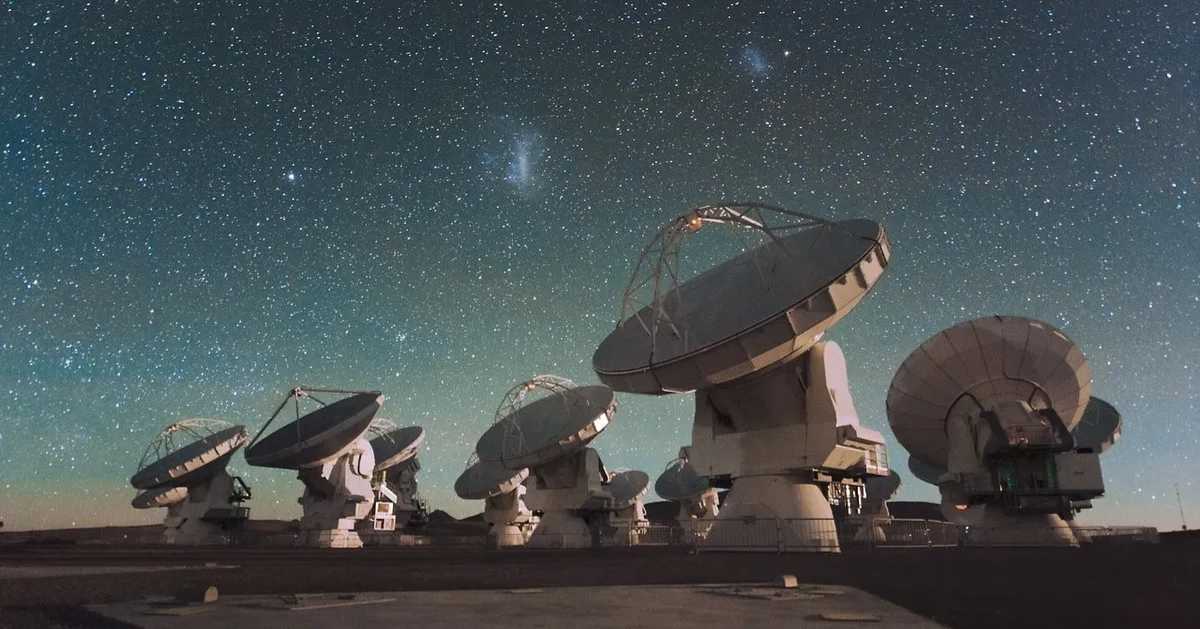
Led by Jairo Vladimir Armijos-Abendano, the team has built a sample of molecular clouds in this galaxy by analyzing the data from the Combined Array for Research in Millimeter-wave Astronomy (CARMA). They created an atlas of molecular clouds that includes giant molecular clouds (GMCs). Puffy and lumpy, molecular clouds’ diameters range from less than 1 light-year to about 300 light-years and contain enough gas to form from about 10 to 10,000,000 stars like our Sun, according to the Chandra X-ray Observatory. Molecular clouds that exceed the mass of nearly 100,000 suns are called GMCs. They are huge masses of gas and dust left over from the formation of galaxies. Composed mostly of hydrogen, the clouds fill the voids between stars, are generally 15-600 light-years in diameter, and are the coldest and densest parts of the interstellar medium.
The proximity of the Andromeda galaxy makes it an excellent target to probe the physical properties of molecular clouds and star-forming regions. And by applying a dendrogram (a tree-like diagram used to visualize the hierarchical structure of data) to CARMA data, the researchers created the largest cloud catalog for M31 so far. The team managed to identify 453 molecular clouds in Andromeda. In addition, they detected 35 sources that show multiple velocity components, which are considered cloud complexes. The identified clouds have a mean radius of approximately 72 light-years and a mean mass of about 158,500 solar masses, the researchers have found. Additionally, the study found that about 66% of the clouds in the Andromeda galaxy are gravitationally bound.
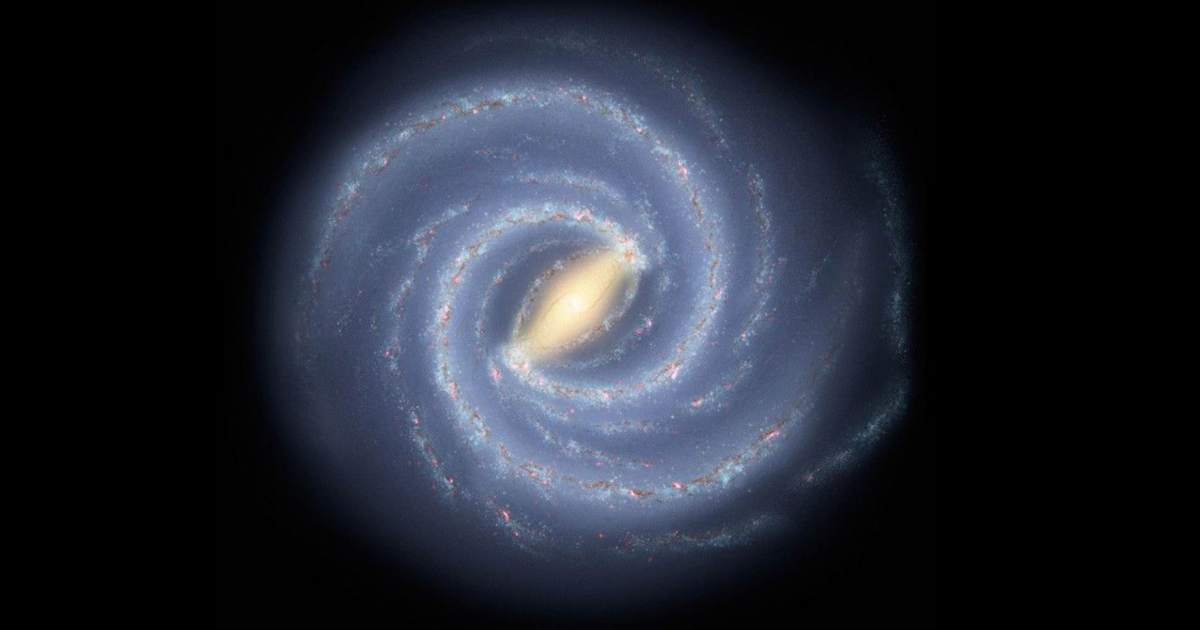
Comparing the size and mass values of clouds with those of the Milky Way and other clouds in the Andromeda galaxy, the researchers found that the mass of the clouds reported in the study does not scale with radius in the same way as clouds and cloud complexes of our galaxy. M31 differs from the Milky Way in a number of ways, some of which could influence the nature of its molecular clouds and the star formation process within them, according to a 2024 study published in The Astrophysical Journal. The molecular mass of M31 is about one-third that of the Milky Way, and the star formation rate is about one-fourth. Moreover, the structure of the two galaxies differs in ways that might be expected to influence cloud formation and evolution. For instance, M31 has a weak spiral structure and has most of the molecular gas located around 10 to 14 kpc from the galactic center. Meanwhile, the Milky Way, with its better-defined, more tightly-wound spiral arms, has its gas around 4-7 kpc from the center.
More on Starlust
Not every galaxy has a supermassive black hole like the Milky Way's, NASA's Chandra Telescope finds
NASA's JWST discovers massive Milky Way-like spiral galaxy just 1.5 billion years after the Big Bang