NASA's Europa Clipper successfully completes critical radar test for Jupiter's moon Europa: 'We got everything we dreamed'
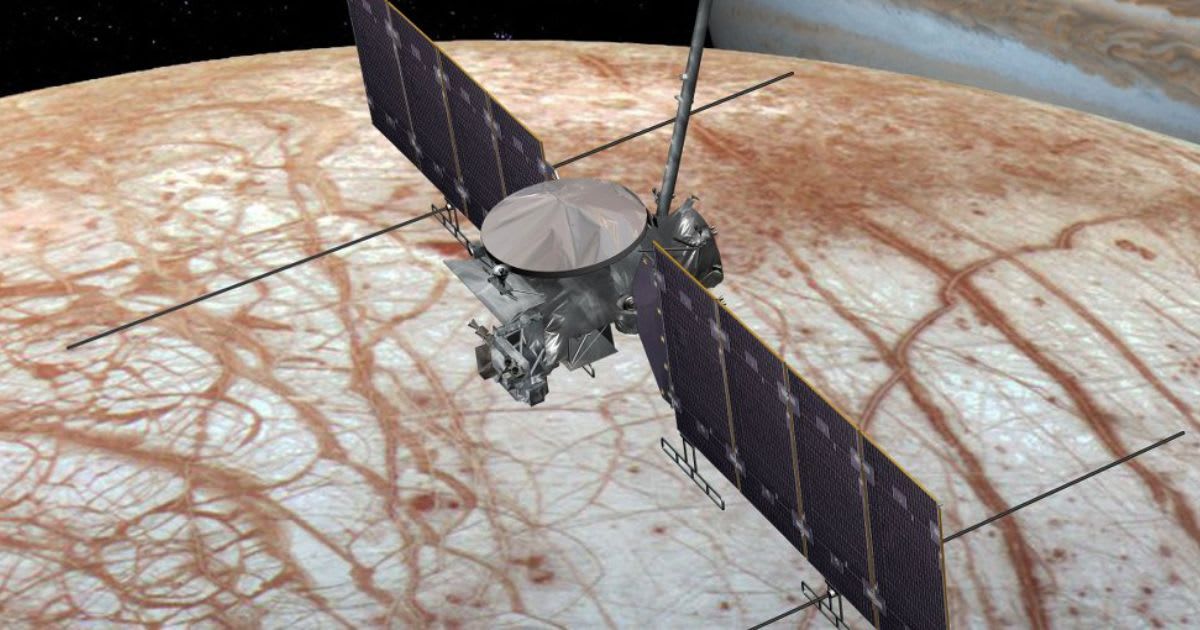
NASA's Europa Clipper mission successfully conducted a crucial test of its specialized radar system, designed to peer beneath the icy shell of Jupiter's moon Europa. The test, which took place during a gravity-assist flyby of Mars, confirmed the instrument's readiness for its primary mission, according to an announcement by mission scientists at NASA.
As it sped past Mars in March, Europa Clipper conducted a critical radar test that had been impossible to do on Earth. It went without a hitch, generating a detailed radargram of the Martian surface, which bodes well for exploring Jupiter's icy moon Europa https://t.co/pIkNWSyFdI pic.twitter.com/IyBe3UNGoz
— NASA Solar System (@NASASolarSystem) August 1, 2025
On March 1, the spacecraft's Radar for Europa Assessment and Sounding: Ocean to near-Surface (REASON) instrument was activated as it passed over the Red Planet. This was the first time the instrument could be tested in space under real-world conditions. On Earth, the radar's immense size and unique configuration, featuring two pairs of antennas spanning nearly 60 feet, made a full-scale test impossible. The spacecraft's solar arrays, which are the size of a basketball court, further complicated ground-based testing.
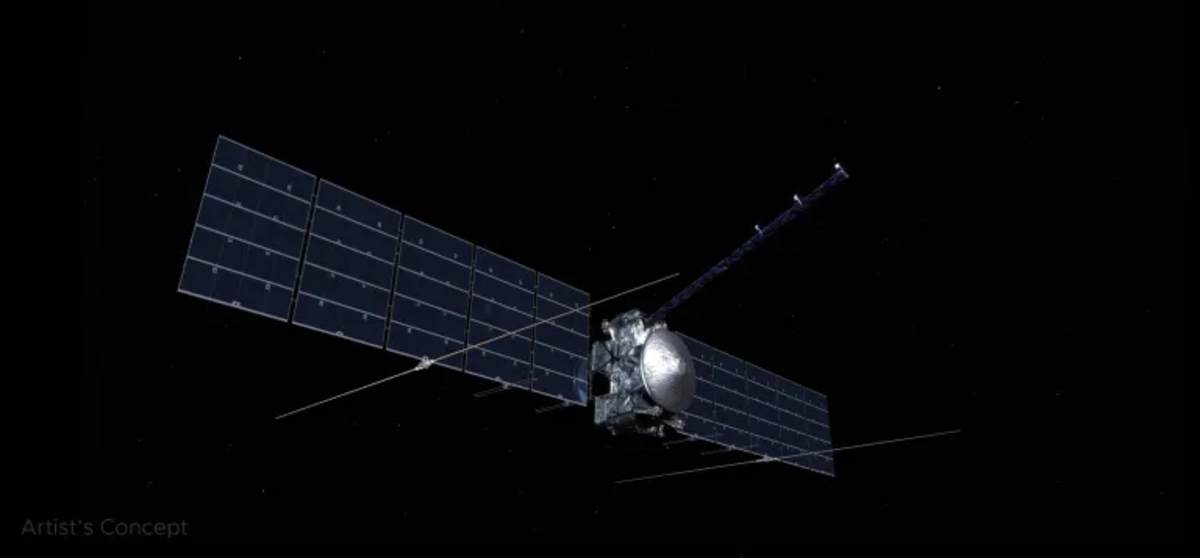
“We got everything out of the flyby that we dreamed,” stated Don Blankenship, principal investigator of the radar instrument of the University of Texas at Austin. “The goal was to determine the radar’s readiness for the Europa mission, and it worked. Every part of the instrument proved itself to do exactly what we intended.” For 40 minutes, the radar transmitted and received signals, gathering 58 gigabytes of data from altitudes ranging from 3,100 miles down to 550 miles above the Martian surface.
While the primary purpose of the Mars flyby was to use its gravity to alter the spacecraft's trajectory, the test provided a wealth of information for the team. The REASON instrument is designed to probe Europa's icy crust, searching for pockets of liquid water and, potentially, the vast ocean believed to lie beneath the moon's surface. Scientists hope to use the radar data to understand how materials are exchanged between the ocean and the surface and to analyze the moon's topography, as mentioned on the official site of NASA.

After a detailed review of the data, scientists expressed confidence in the radar's ability to achieve its objectives at Europa. “The engineers were excited that their test worked so perfectly,” stated Trina Ray, JPL's Europa Clipper deputy science manager. “All of us who had worked so hard to make this test happen — and the scientists seeing the data for the first time — were ecstatic, saying, ‘Oh, look at this! Oh, look at that!’ Now, the science team is getting a head start on learning how to process the data and understand the instrument’s behavior compared to models. They are exercising those muscles just like they will out at Europa.”
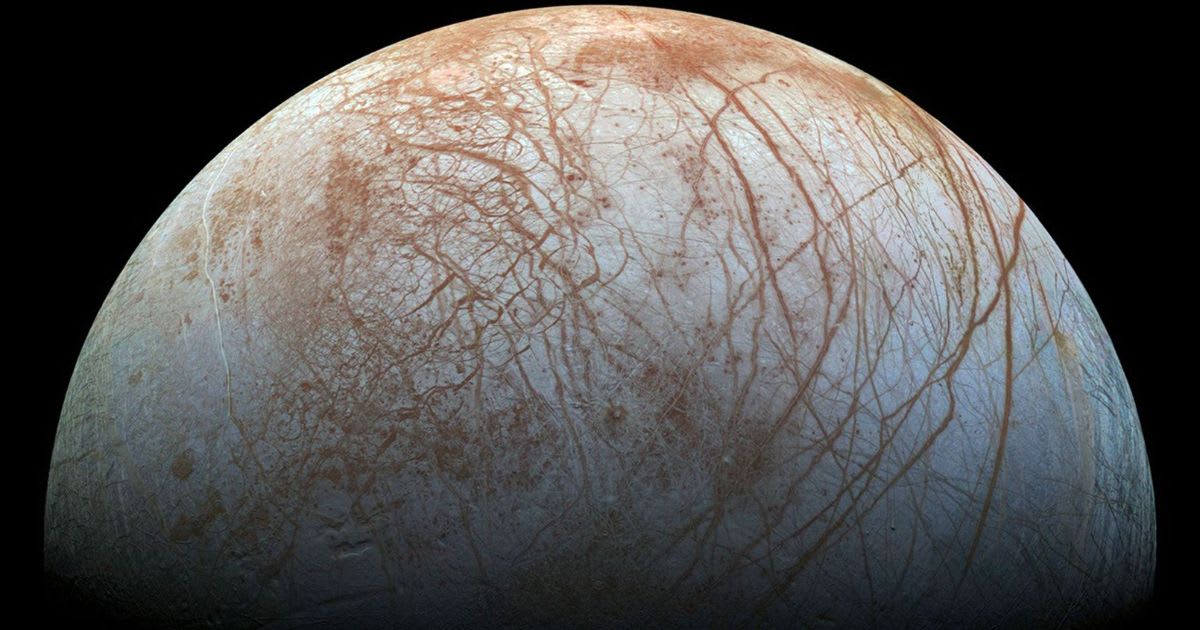
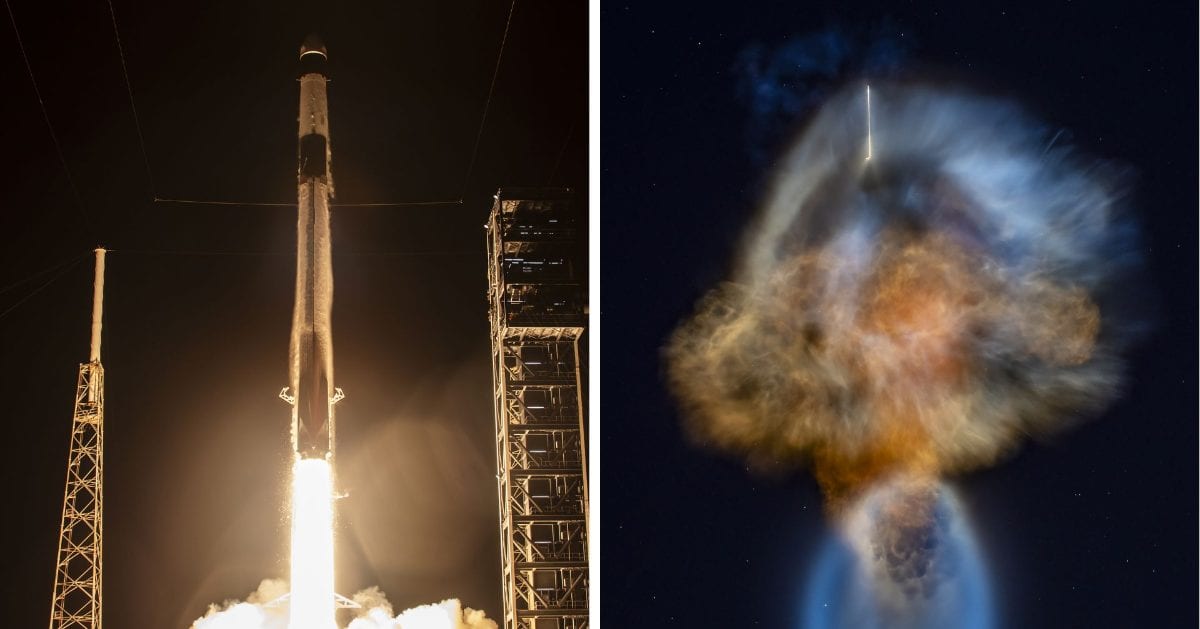
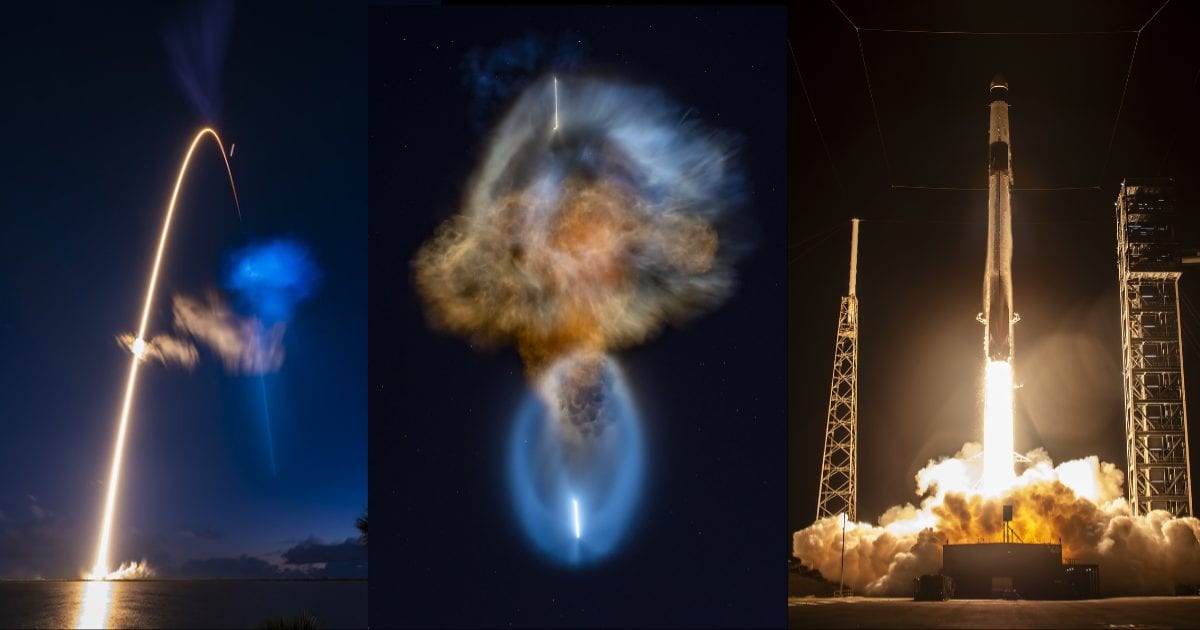
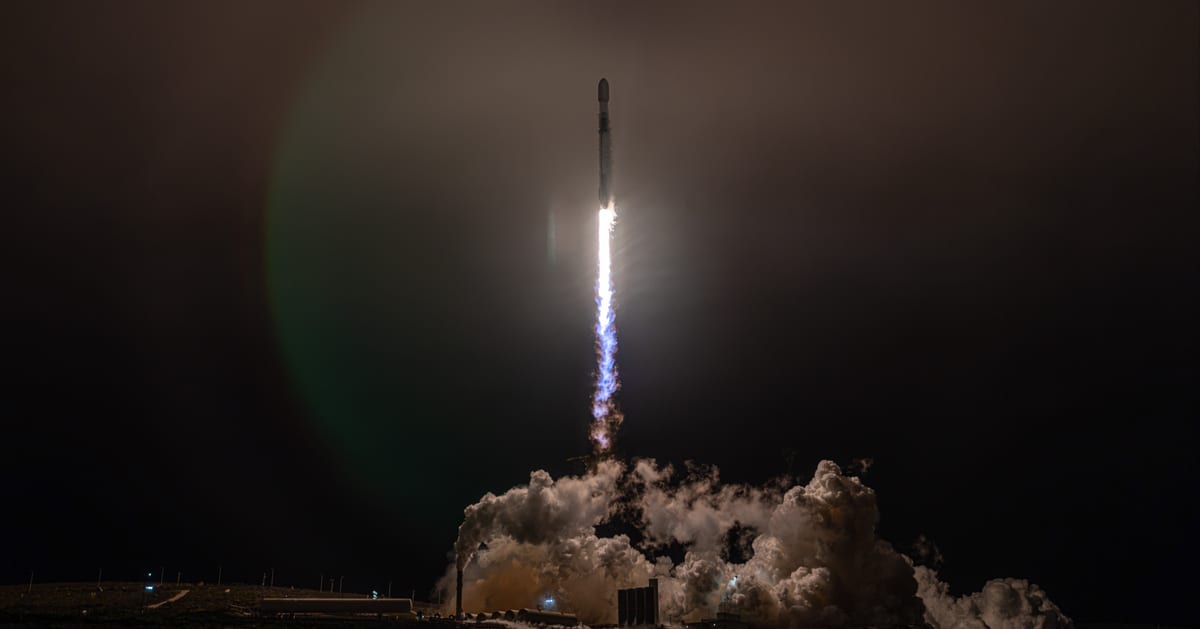
This successful test brings the mission one step closer to its core scientific objectives: to determine the thickness of Europa's icy shell and its interaction with the subsurface ocean, to investigate the moon's overall composition, and to characterize its geological features. Through this detailed exploration, NASA aims to expand our understanding of astrobiological potential and the possibility of habitable worlds beyond our planet. The mission, which launched on October 14, 2024, is still en route to the Jupiter system and is currently about 280 million miles from Earth. It will perform one more gravity-assist maneuver, using Earth in 2026, before reaching its destination to begin its scientific observations.