Artemis II wet dress rehearsal scheduled for late January: How to watch the rocket live ahead of launch
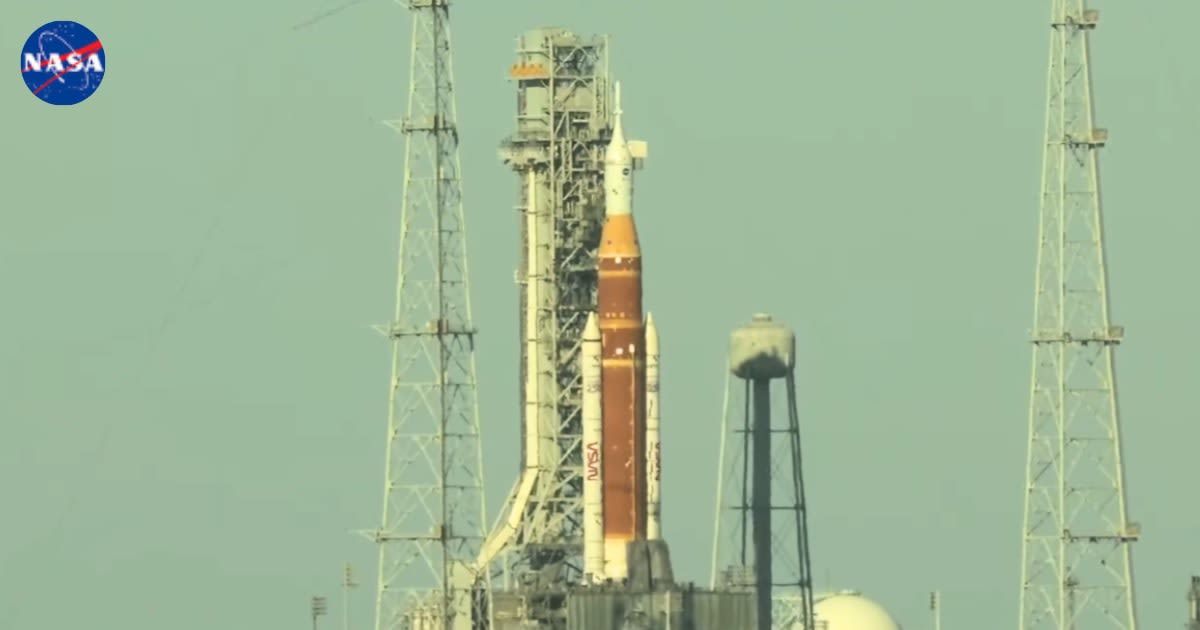
NASA’s Artemis II Space Launch System (SLS) rocket and Orion spacecraft are now stationed at Launch Pad 39B at the Kennedy Space Center, as of January 17, 2026. This marks the beginning of a series of ground tests that will be conducted on the systems, leading to the final Wet Dress Rehearsal (WDR). According to NASA, this high-stakes prelaunch test to fuel the rocket is targeted to be done by the end of January or no later than February 2, 2026.
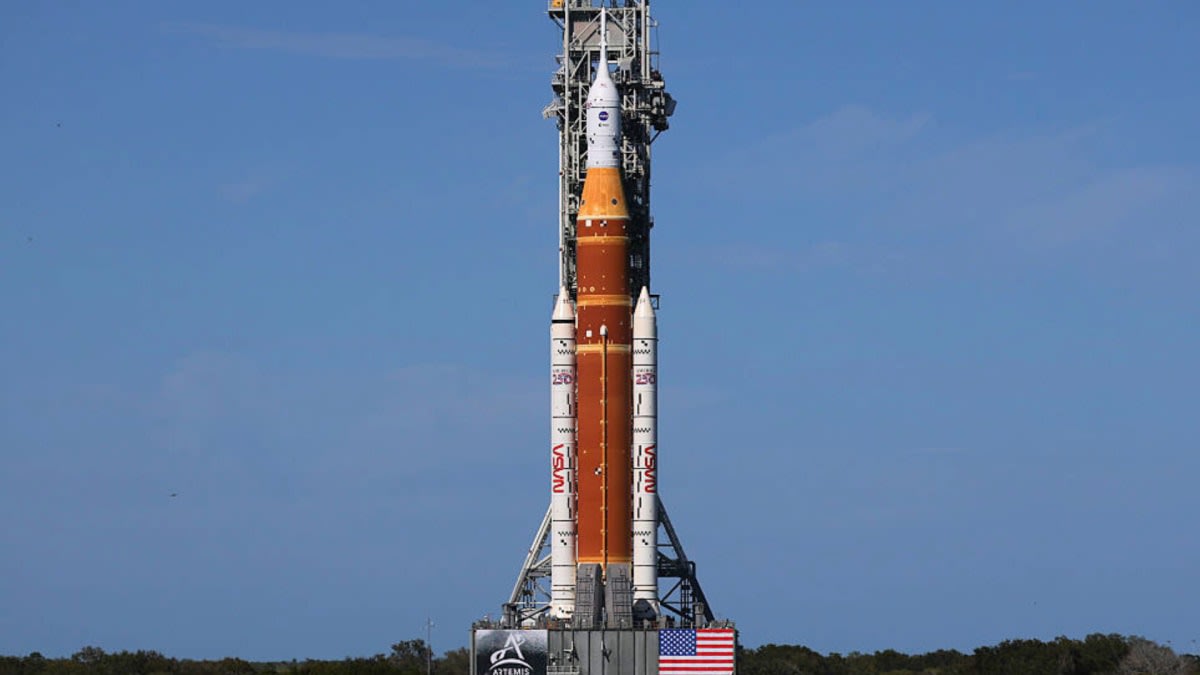
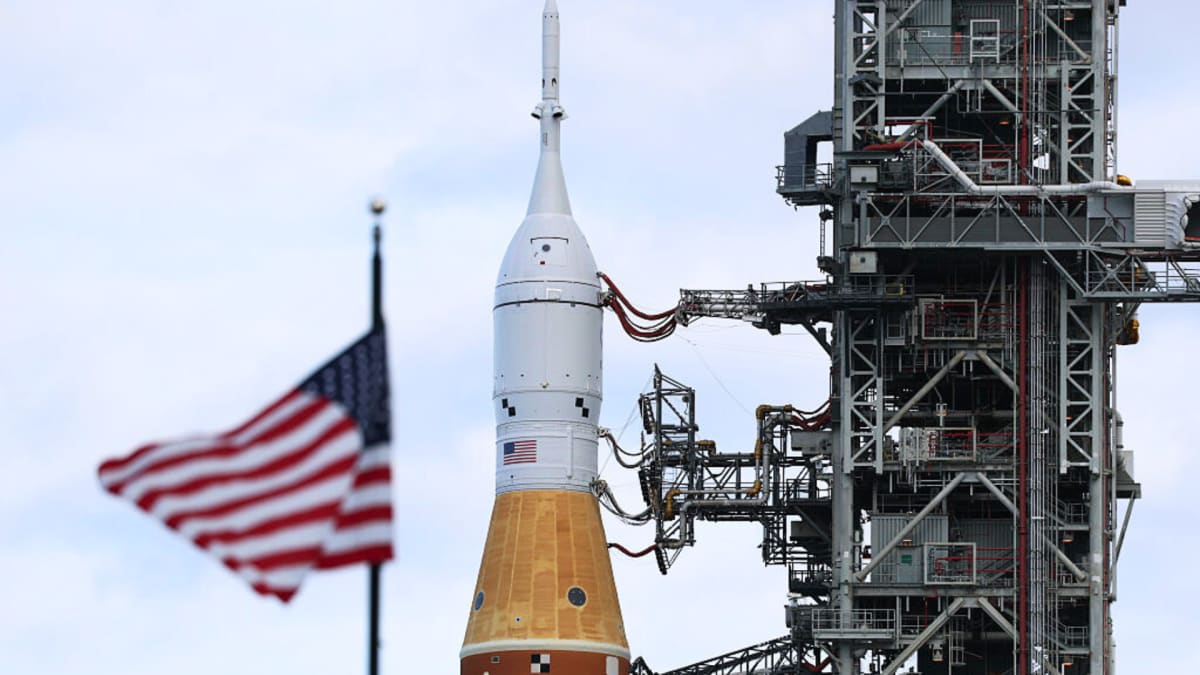
Among the various aspects to be tested, the WDR will include practice procedures by the closeout crew. A closeout crew helps to secure astronauts in Orion and is responsible for closing its hatches. These procedures will be practiced safely without astronauts on board. Engineers and technicians will demonstrate the ability to load more than 700,000 gallons of cryogenic propellants into the rocket. They will conduct a launch countdown and practice the safe removal of propellant from the rocket. The wet dress rehearsal will have many “runs” that will test the launch team’s ability to hold, resume, and recycle many times during the terminal count, the final 10 minutes before the launch.
The first run will be around 49 hours before launch, when launch teams are directed to be at their stations. The countdown will work down to 1 minute 30 seconds before launch, followed by a planned hold for 3 minutes, and the countdown will resume at 33 seconds before launch. This is the point when the rocket’s automatic launch sequencer controls the final seconds of the countdown. The teams will then recycle back to T-10 minutes and hold, resuming at 30 seconds before launch as part of the second run.
Next steps? The team will prepare for a "wet dress rehearsal" to practice loading the rocket with propellants. After the wet dress rehearsal, the mission management team will assess the readiness of the systems and confirm a launch date. https://t.co/oIDOJHWC1h pic.twitter.com/9VLZ0Qii09
— NASA Artemis (@NASAArtemis) January 18, 2026
Though Artemis I proved to be a learning curve for the launch countdown procedures, NASA will pause to address any issues during the test or at any technical challenges that arise. The propellant loading of liquid hydrogen and liquid oxygen into the rocket will be monitored. This is a precautionary measure after the challenges faced during Artemis I wet dress rehearsals. The newly updated procedures to limit the accumulation of gaseous nitrogen in the space between Orion’s crew module and launch abort system hatches will also be attended to.
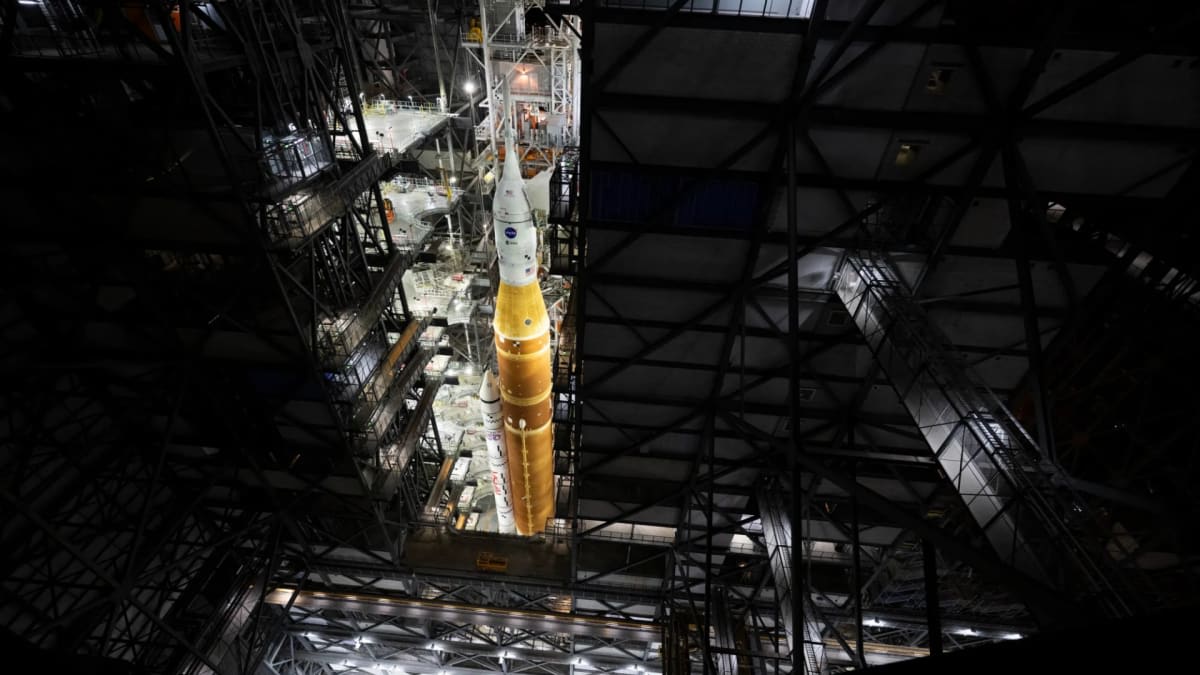
To confirm that the vehicle is fully checked and ready for flight, additional wet dress rehearsals may be conducted. It is also possible that NASA may rollback SLS and Orion to the Vehicle Assembly Building for extra work ahead of launch. According to the space agency, the target of February 2 for the wet dress rehearsal aligns with the earliest launch window for the mission, beginning on Friday, February 6, 2026. Additional launch windows are available later in February, in March and also in April.
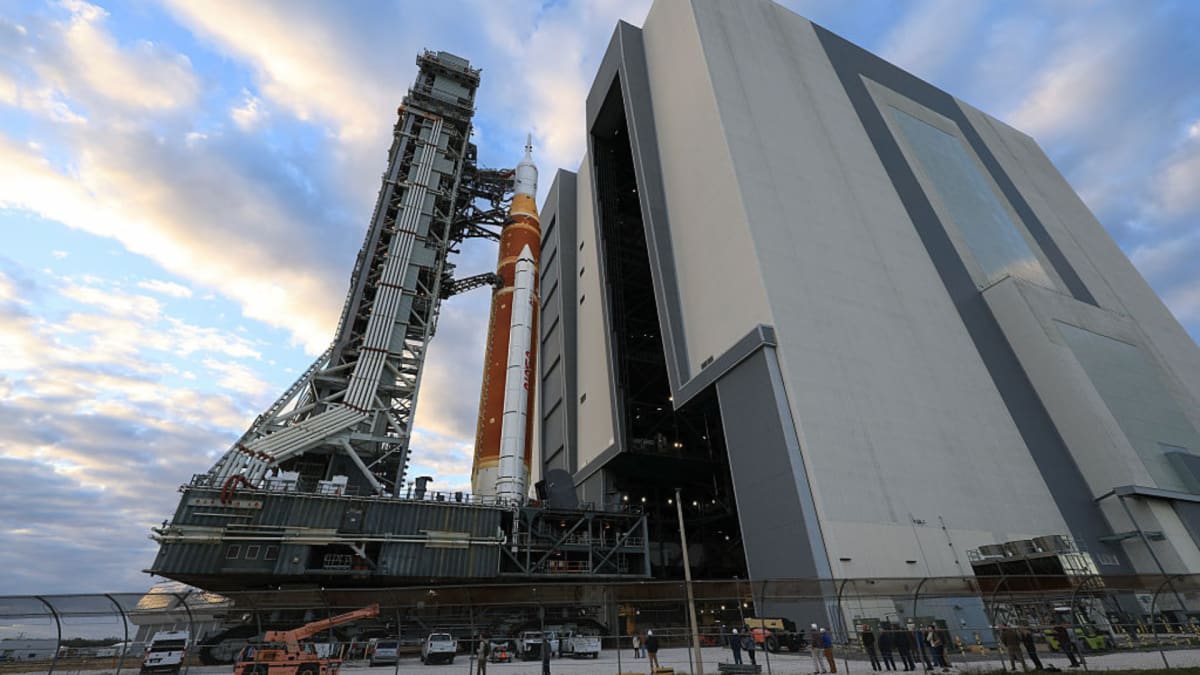
Following the rollout of the Artemis II rocket and spacecraft to the launch pad, NASA started a live feed, giving space enthusiasts continuous access to the view before the historic launch. NASA plans on live-streaming every moment of work to be conducted until the final lift-off. For a browser feed on the latest updates, one can visit the NASA website. A live feed on NASA’s YouTube Channel will host a dedicated livestream for the wet dress rehearsal and the launch.
More on Starlust
NASA one step closer to launching Artemis II—the first manned lunar mission in over 50 years
NASA is heading to the Moon again: 5 things to know about the Artemis II mission