NASA completes key weekend work for Artemis II wet dress rehearsal as historic launch nears
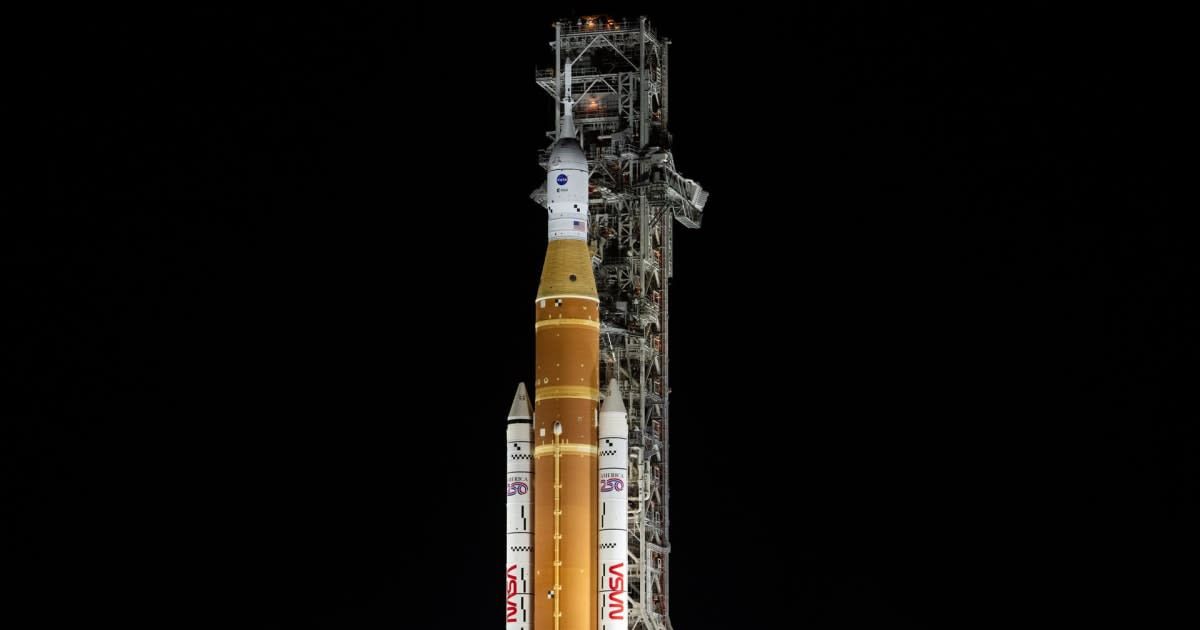
NASA teams at Kennedy Space Center are working hard to stay on and even ahead of schedule as they prepare for the Artemis II wet dress rehearsal, an important fueling test for the SLS rocket and Orion spacecraft now slated to be on January 31, 2026. This will involve pumping more than 700,000 gallons of super-cold cryogenic fuels into the rocket, carrying out a mock countdown, and practicing safely removing propellant from the rocket without the crew onboard.
During several "runs," the test will challenge the launch team to hold the countdown, resume it, and recycle to various points in the final 10 minutes, known as the terminal count. The first run kicks off about 49 hours before a simulated 9 pm EST liftoff: teams report to stations at that point, count down to T-1:30, hold for three minutes, resume to T-33 seconds (when the rocket's automatic sequencer takes over), then recycle back to T-10 minutes for a hold before pushing to T-30 in the second run, which might extend to 1 am EST if needed.
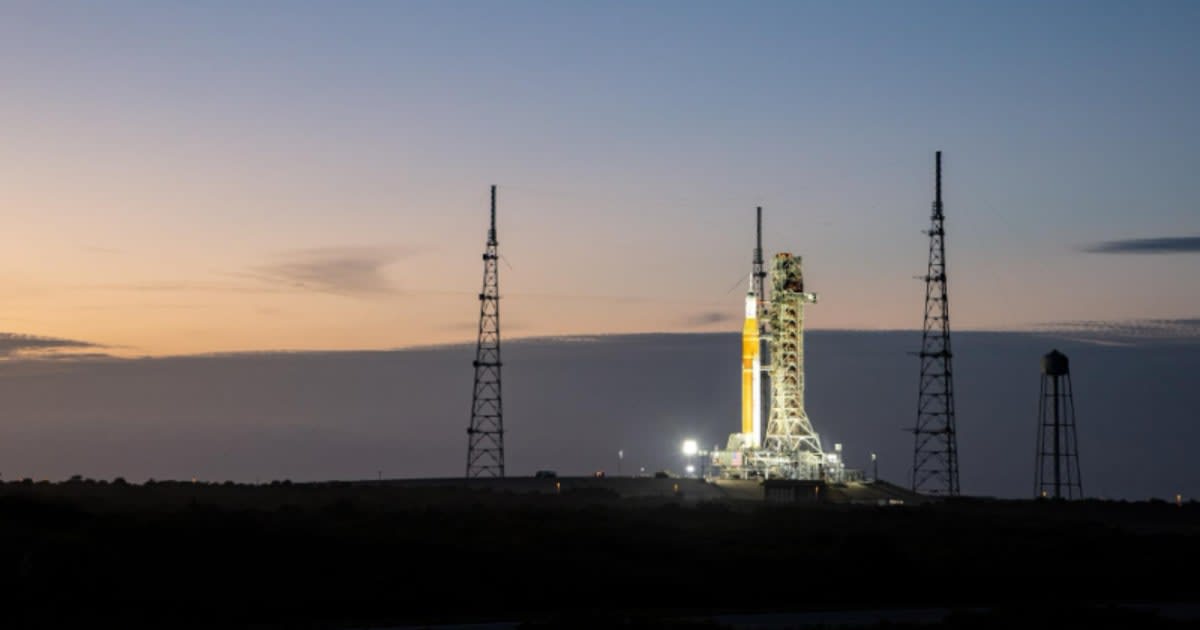
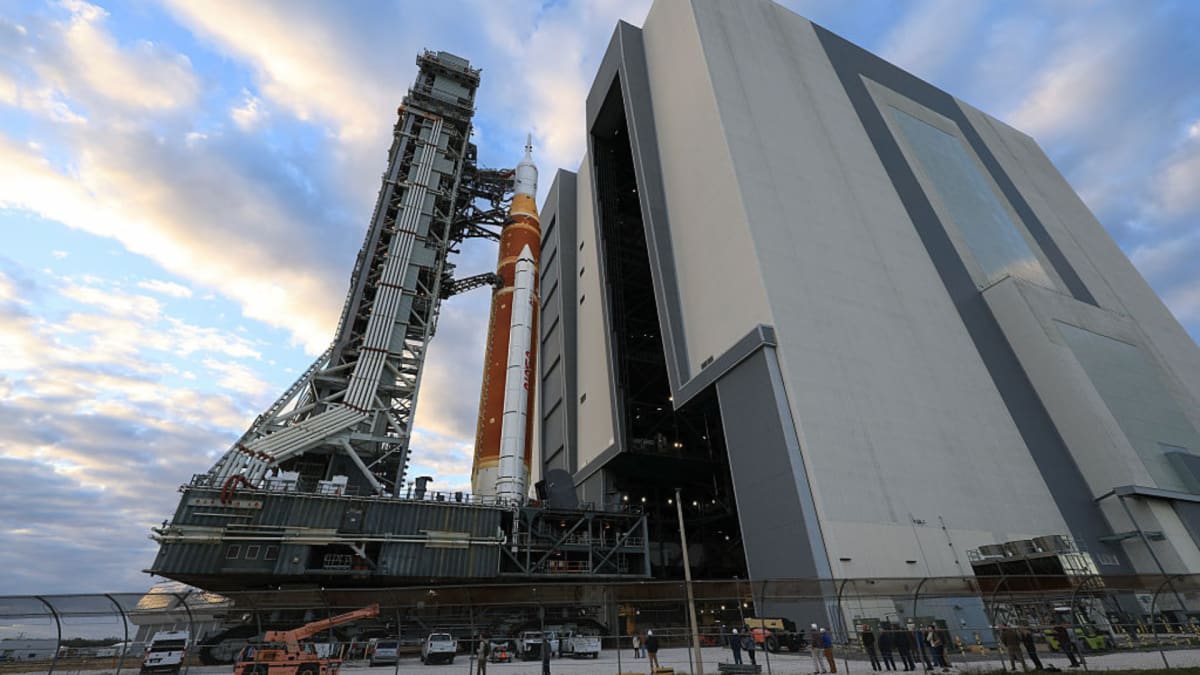
Preparations have advanced steadily since the rocket and spacecraft were rolled out on January 17, 2026, to the pad. According to NASA, once the rocket and spacecraft had arrived, technicians connected what are known as purge lines to maintain ideal conditions within the cavities of the vehicles and tested the crew access arm, powered up the rocket's core and boosters along with Orion, and conducted radio tests with the Eastern Range.
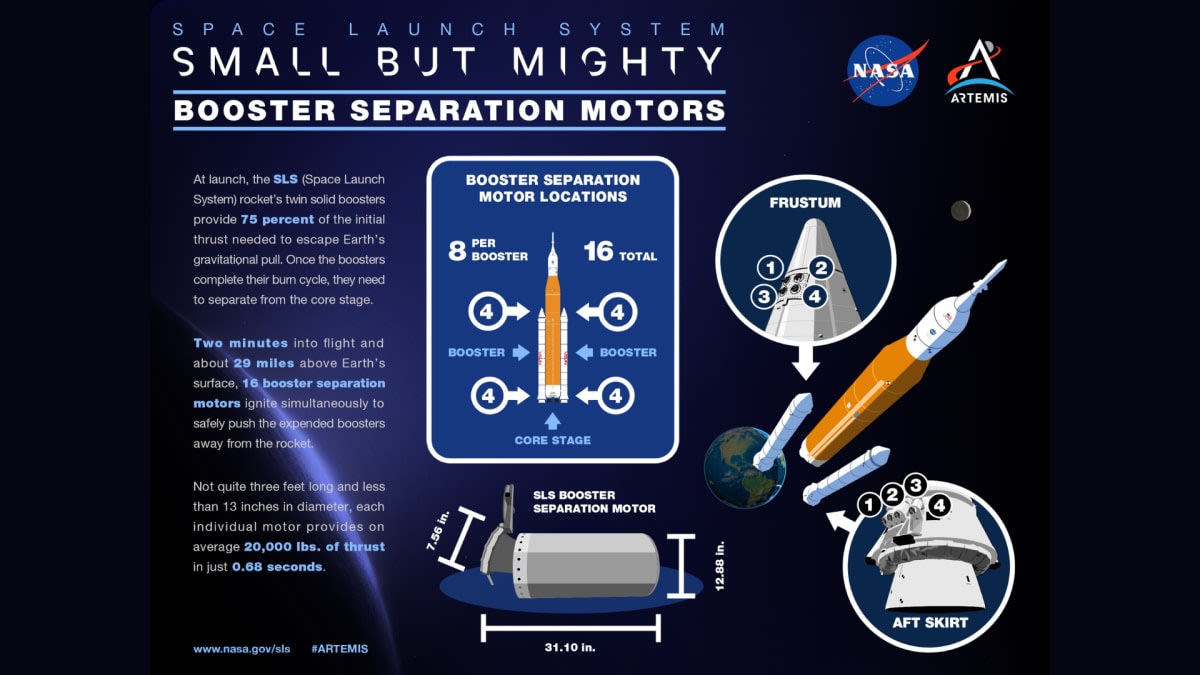
Over the weekend, they loaded hydrazine fuel into the aft skirts of the SLS boosters and checked out the four RS-25 engines on the core stage. On the Orion front, workers loaded on items like crew tablets, medical kits, and science experiments such as AVATAR, also completing pyrotechnic tuning for the launch abort system and pressurizing tanks in the propulsion system. With cold weather moving through Florida on January 27, the team implemented additional environmental controls to protect the rocket and spacecraft from the chill.
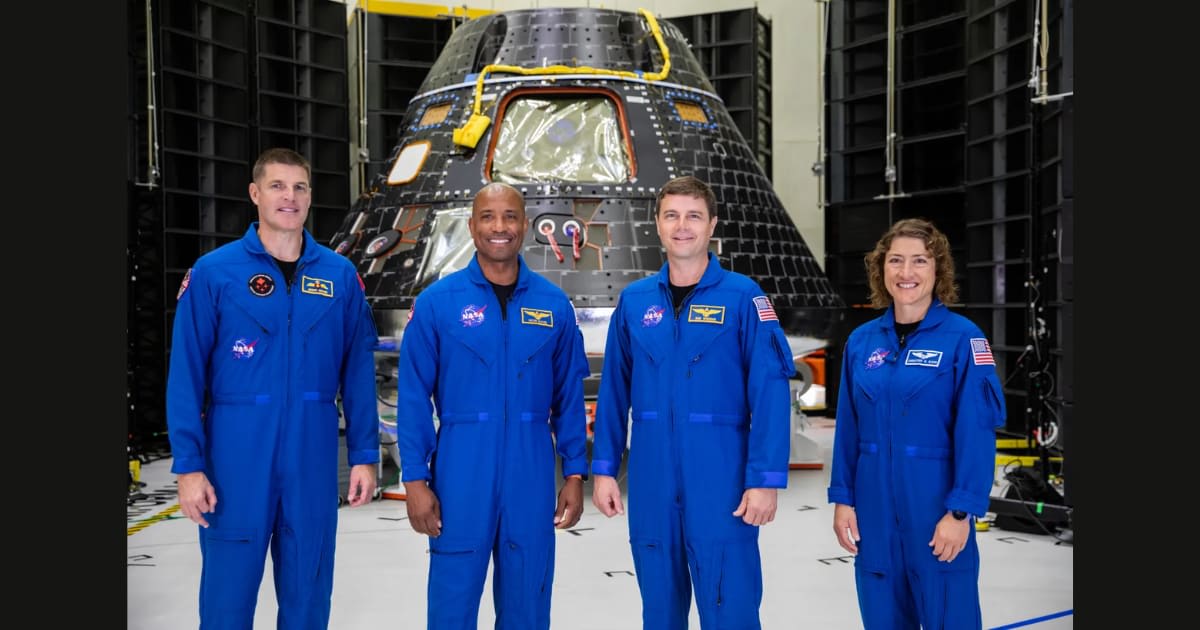
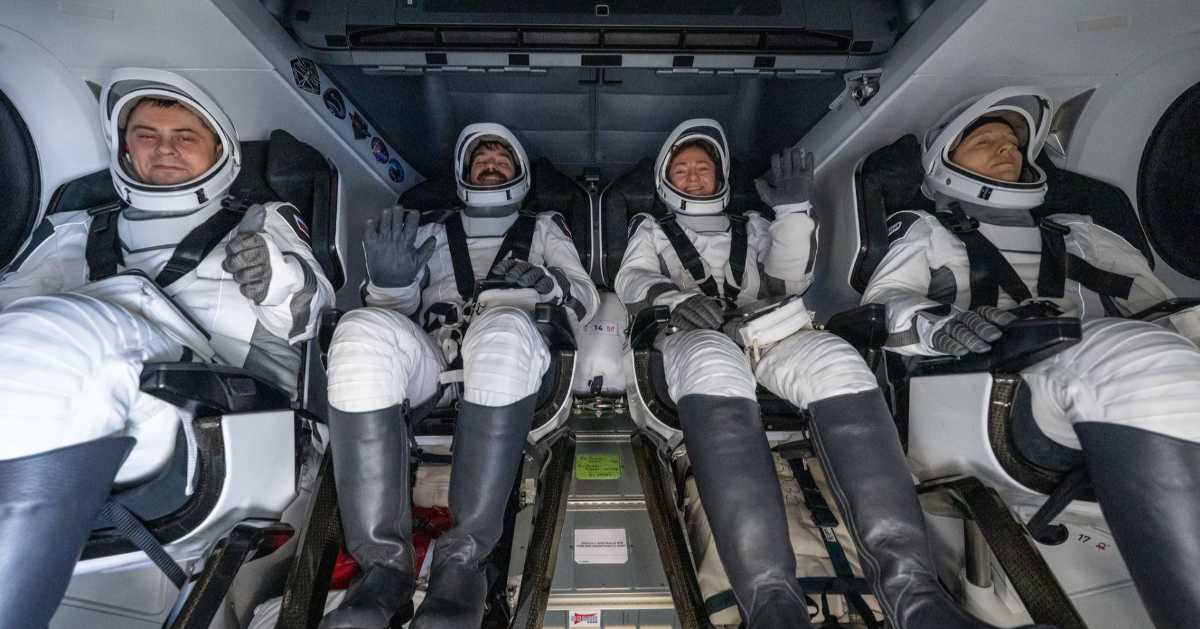
The crew is also addressing minor problems that arose during testing. In one case, the emergency egress baskets, which are designed to carry the crew and pad personnel to safety in a crisis, didn't reach the terminus area inside the pad perimeter, but technicians adjusted the brakes to fix that issue. Separately, initial samples from Orion's potable water system revealed higher-than-expected levels of organic carbon, so the team will collect more samples to ensure the water meets safety standards for the astronauts. In Houston, the Artemis II crew of Reid Wiseman, Victor Glover, Christina Koch, and Jeremy Hansen began quarantine on January 23 to safeguard their health ahead of the February 6 launch window.
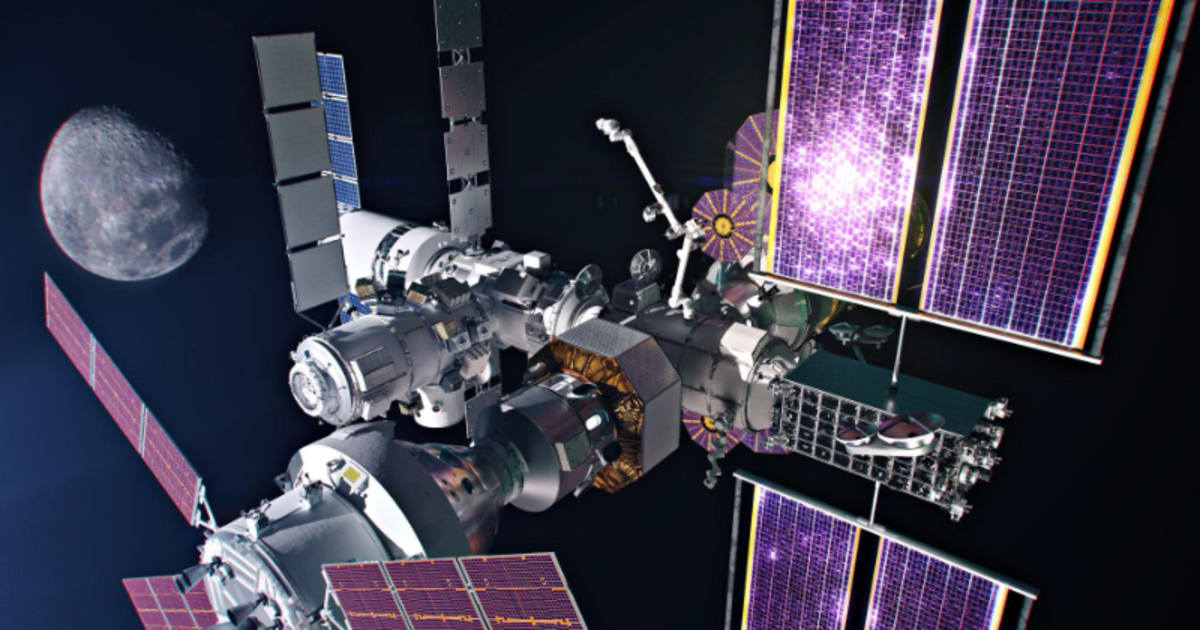
Artemis II will mark the first crewed lunar mission in over 50 years—a 10-day Orion flight looping around the Moon to test deep-space systems without landing. It lays the groundwork for Artemis III's 2028 Starship HLS landing at the water ice-abundant lunar South Pole, followed by Gateway lunar orbiting station deployment and Mars exploration preparations.
More on Starlust
NASA astronaut photographs Artemis II SLS rocket from International Space Station
Artemis II astronauts enter quarantine as launch period inches closer