NASA’s Artemis II mission to carry mementos into space, honoring America’s independence
The mission will celebrate America’s 250th anniversary of independence by taking to space items that reflect its legacy and history.
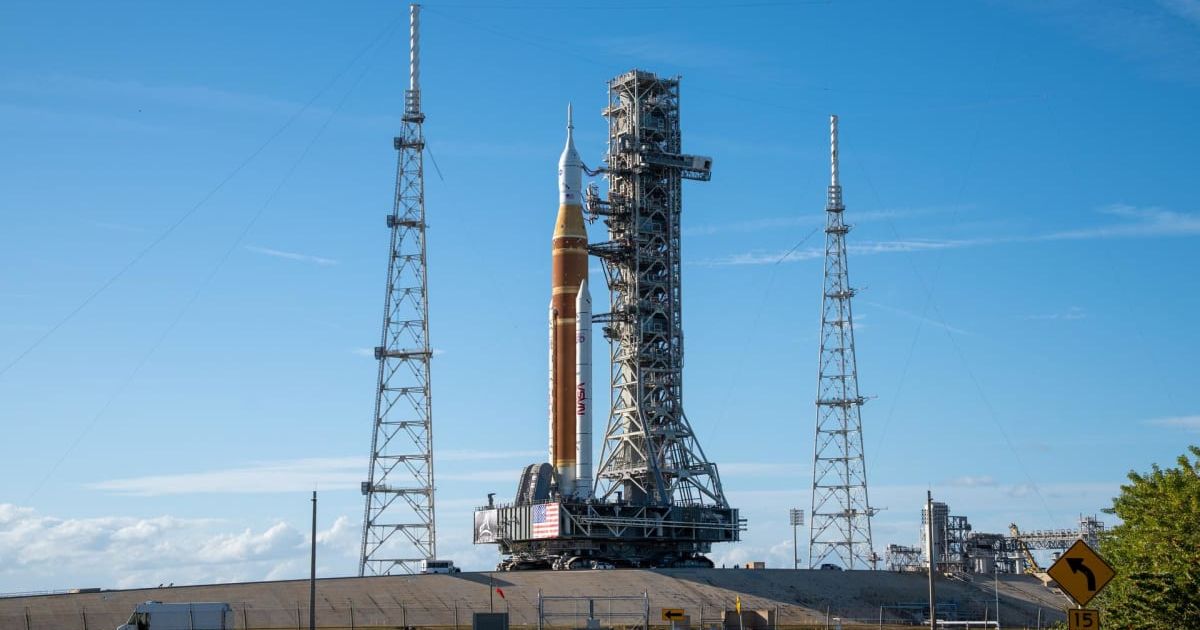
An image shows NASA’s SLS and Orion spacecraft rolling out of the Vehicle Assembly Building at NASA’s Kennedy Space Center on January 17, 2026. (Cover Image Source: NASA/Brandon Hancock)

Besides the four astronauts on board, the Space Launch System (SLS) rocket of the Artemis II mission will carry a collection of mementos. According to NASA, these items in its official flight kit will “reflect the nation’s long tradition of exploration, innovation, and leadership.” This is to commemorate America’s 250th anniversary of declaring independence, which falls on July 4. The mementos will carry forward a proud tradition from Artemis I and previous human spaceflight missions.
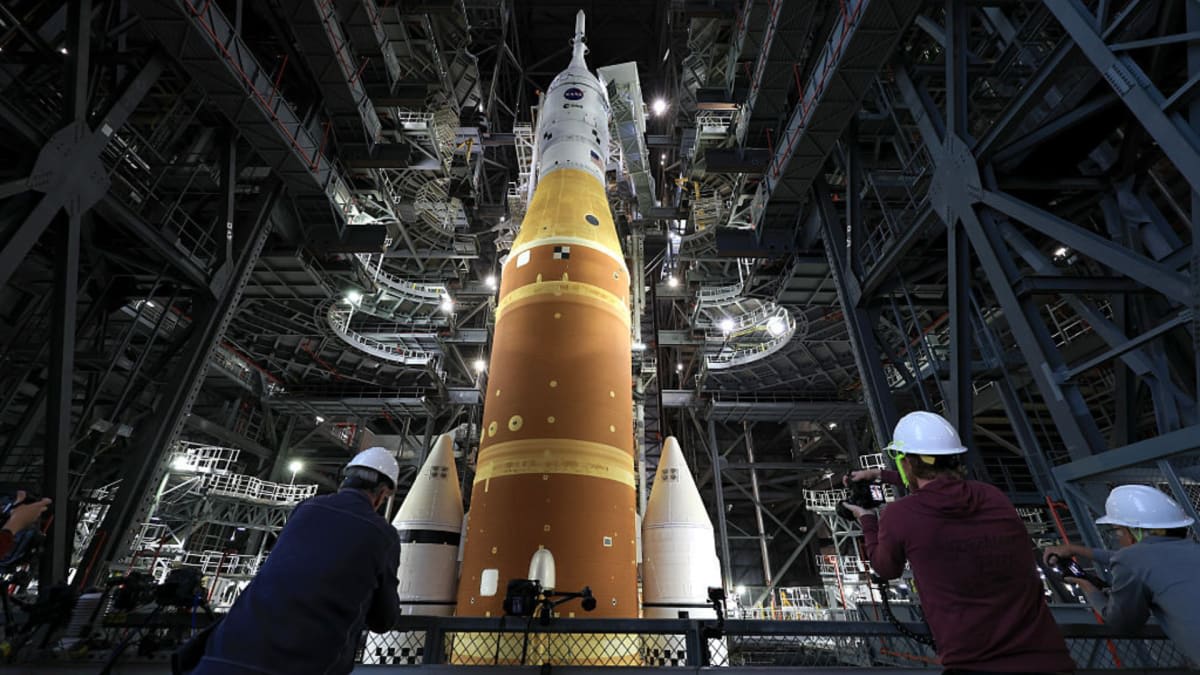
NASA's Artemis II sits in the Vehicle Assembly Building at NASA’s Kennedy Space Center on January 16, 2026, in Cape Canaveral, Florida. (Image Source: Getty Images | Photo by Joe Raedle)

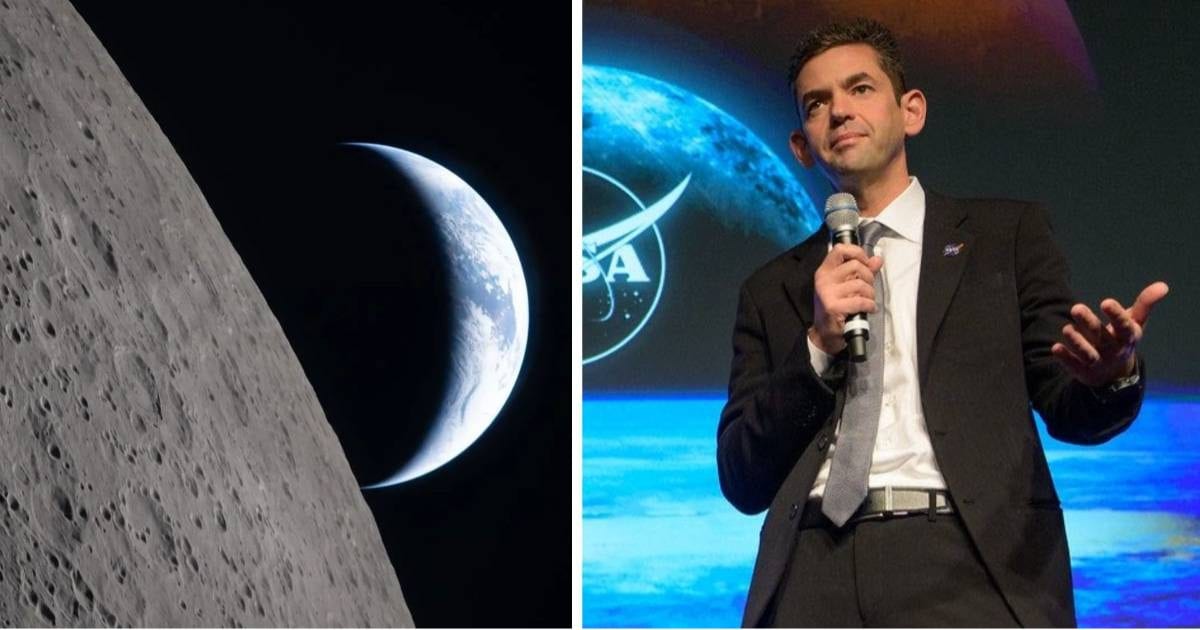
“This mission will bring together pieces of our earliest achievements in aviation, defining moments from human spaceflight, and symbols of where we’re headed next,” said NASA Administrator Jared Isaacman. “During America’s 250th anniversary, Orion will carry astronauts around the Moon while also carrying our history forward into the next chapter beyond Earth.” The objects highlight the freedom and innovation that influenced the Golden Age of human space exploration, which might inspire the future generation of explorers.
Close-up of the USA flag, a symbol of the American nation. (Representative Image Source: Getty Images | Photo by SimpleImages)

A 13-by-8-inch American flag that flew with the first shuttle mission, STS-1, the final STS-135, and NASA’s first crewed test flight of the SpaceX Demo-2 Crew Dragon spacecraft will fly aboard Artemis II. Moreover, a swatch of 1-inch by 1-inch muslin fabric from the original Wright Flyer was lent by the Smithsonian’s National Air and Space Museum. This is what the Wright Brothers used to create the first powered flight in 1903. This is the fabric’s second flight into space, and upon return, it will be reunited with two other 1903 Wright Flyer swatches at the museum.
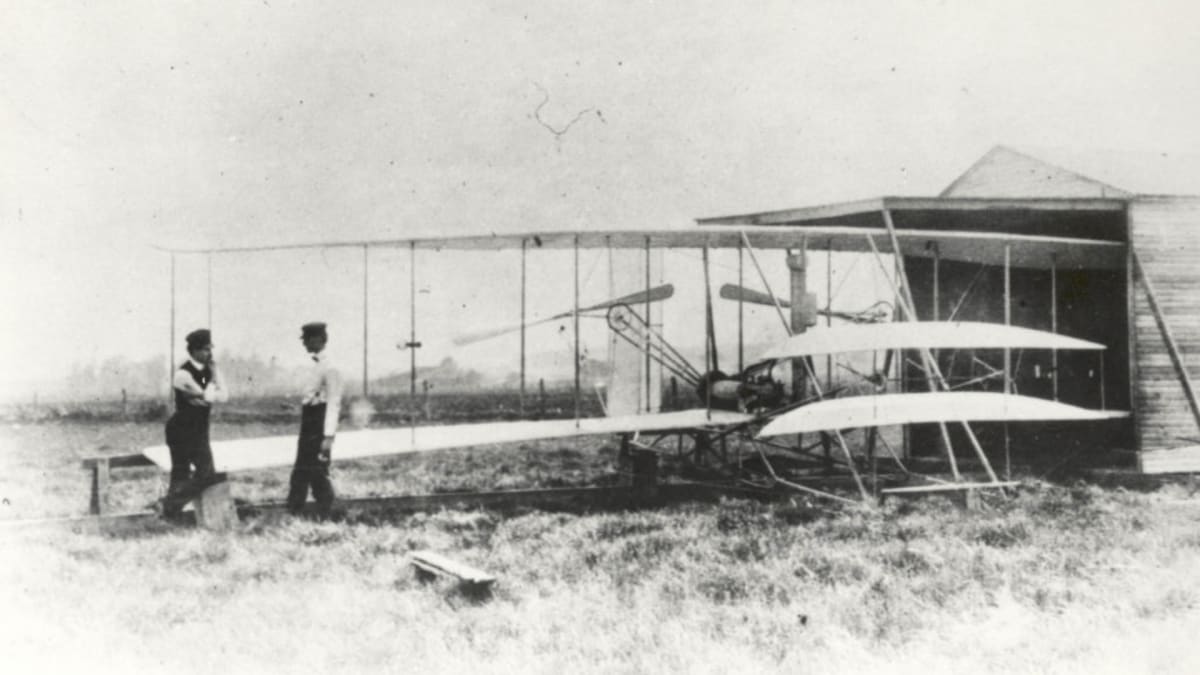
Wilbur and Orville Wright with Flyer II at Huffman Prairie, Dayton, Ohio, USA, May 1, 1904. (Representative Image Source: Getty Images | Photo by Heritage Space / Heritage Images)

Making its premiere flight with Orion is a flag that was scheduled to fly on NASA’s Apollo 18 mission. A copy of a 4-by-5-inch negative of a photo from the Ranger 7 mission, the first U.S. mission to make contact with the lunar surface, will also be on Orion. The mission will carry soil samples from the base of Artemis I Moon Trees planted at NASA’s 10 centers. These trees are from seeds that flew on Artemis I and represent launch, flight, growth, and return to space again.
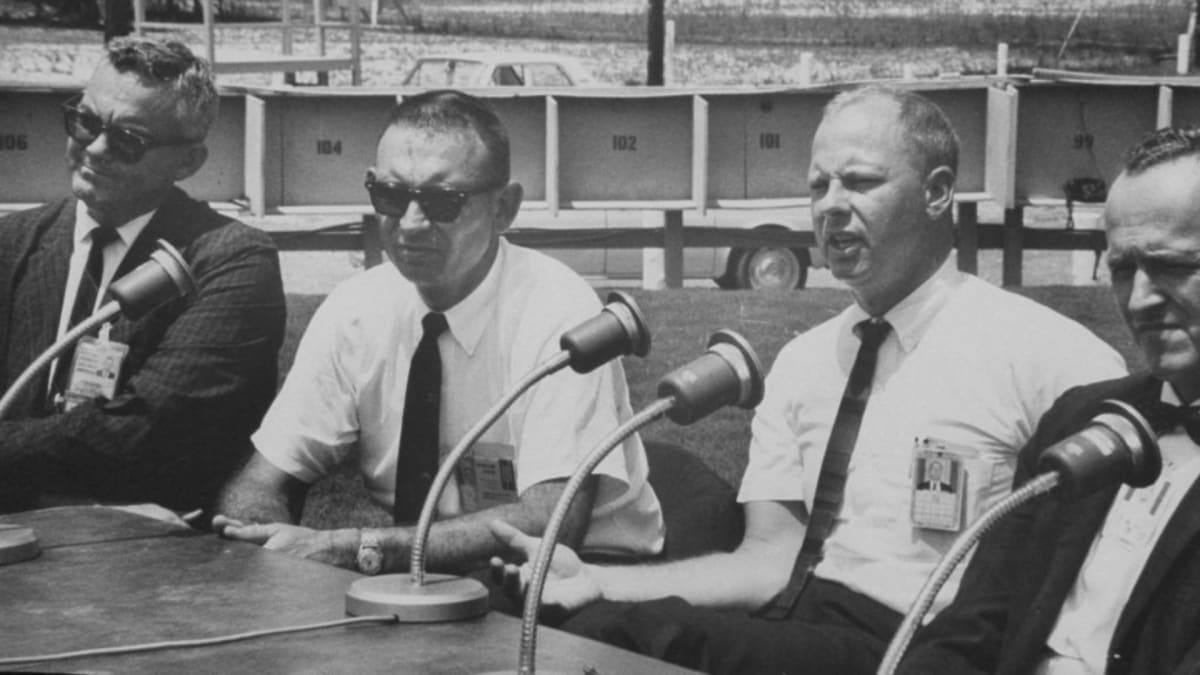
Harris M. Schurmeier (2R) and other scientists are discussing the success of the Ranger 7 satellite mission. (Representative Image Source: Getty Images | Photo by Donald Uhrbrock)

The CSA (Canadian Space Agency) will fly many tree seeds in the kit to distribute them after the mission. The CSA will also send stickers and patches, while the ESA (European Space Agency) will send a flag, which will be distributed after the mission. These reflect NASA’s international collaboration. In fact, Orion’s European Service Module is also provided by the ESA. The kit will also contain an SD card with millions of names of those who participated in the “Send Your Name to Space” campaign. Several flags, patches, and pins will also be distributed to employees and stakeholders who contribute to the flight after the mission.
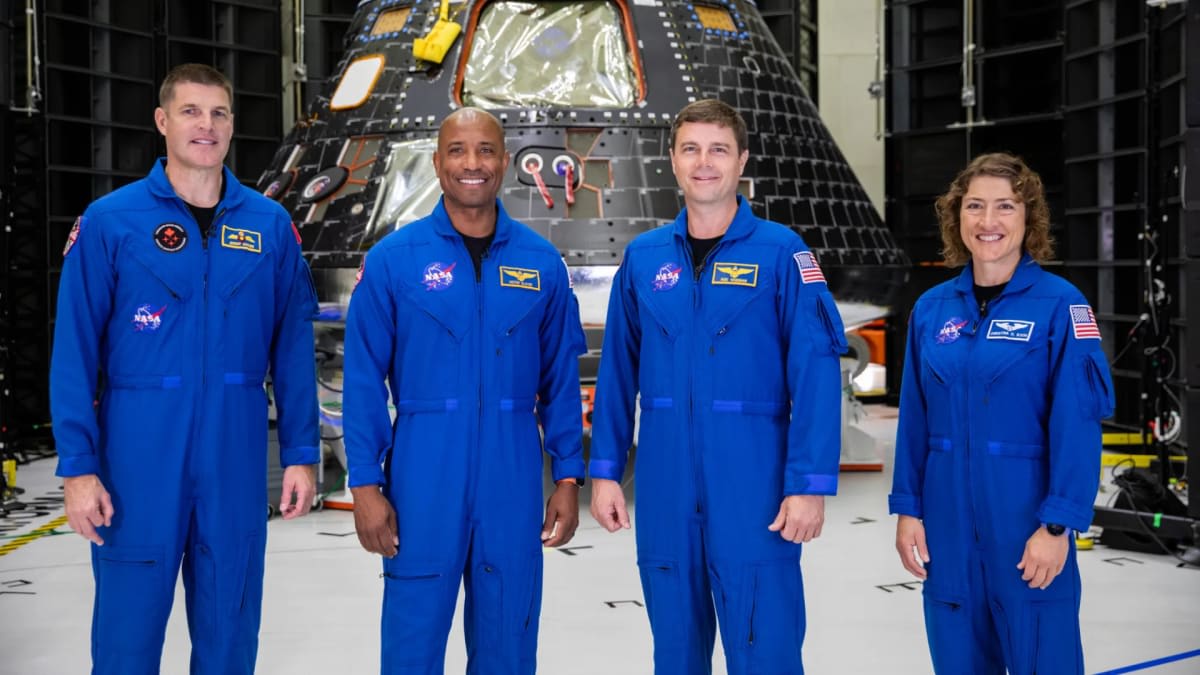
The Artemis II crew is shown inside the Neil Armstrong Operations and Checkout Building at NASA’s Kennedy Space Center in Florida in front of their Orion crew module. (Image Source: NASA | Photo by NASA/Kim Shiflett)

A tradition since the 1960s, NASA’s Artemis missions are continuing a legacy of honoring the journey that brought about this new age of exploration. Artemis I had carried artifacts from Apollo missions, STEM (science, technology, engineering, and math) items, digitized student essays and teacher pledges, and more. The official flight kit for Artemis II contains a total of around 10 pounds of mementos, which adds to the significant scientific research elements aboard Orion.

More on Starlust

As Artemis II nears launch, a look back at the Artemis I mission

The Artemis II crew: All about the people powering NASA’s return to the Moon
MORE STORIES

The servicing spacecraft experienced issues with its attitude control and communications but is now healthy.
13 hours ago
If projections hold, scientists could do experiments in microgravity as easily as they do on Earth.
14 hours ago
Besides revealing the mission requirements from its industry partners for Artemis III, NASA also lifted the curtain on operations that will become standard across the Artemis program.
16 hours ago
July 16 this year marks the 57th anniversary of the historic Apollo 11 mission, which saw two men walk on the Moon.
18 hours ago
Satellites that are retired in orbit have to undergo passivation, a process that reduces the chances of them exploding.
20 hours ago
“It’s been a dream for aerospace medicine to have more than one imaging modality for diagnosing illnesses and injuries in space.”
1 day ago
Some key stages remain before BepiColombo's instruments sit in Mercury's orbit.
1 day ago
The newly arrived Soyuz MS-29 crew will spend approximately eight months on the International Space Station.
1 day ago
Skyroot Aerospace's Vikram-1 rocket is scheduled to launch no later than August 4.
1 day ago
While the mission is expected to launch this year, a date is yet to be announced.
2 days ago