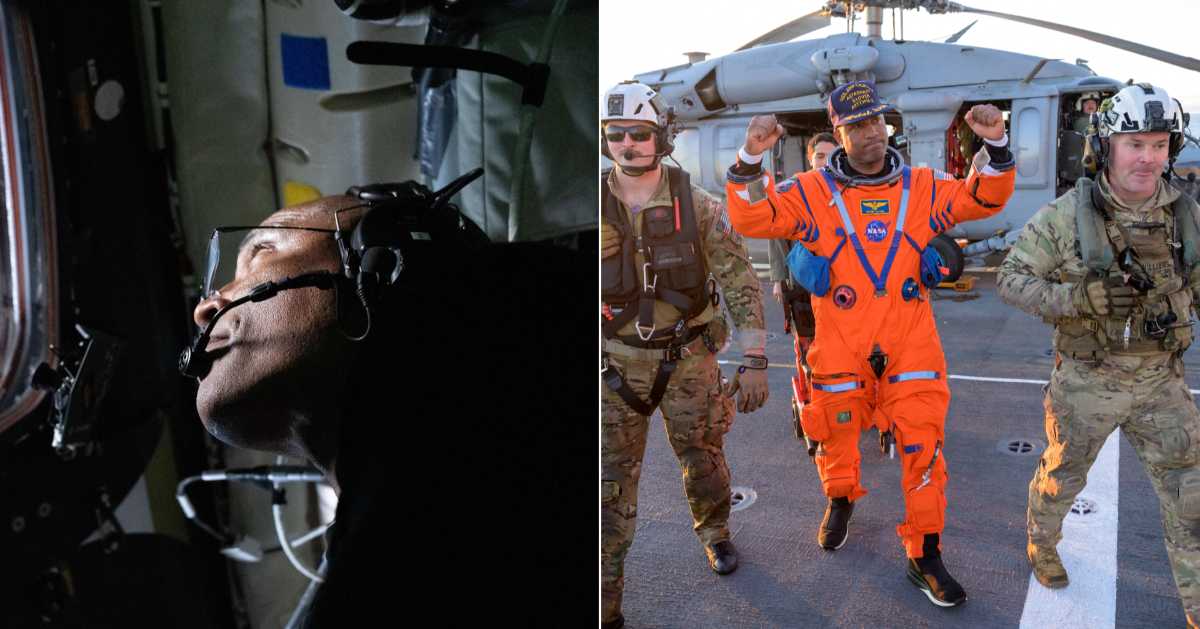
NASA’s Artemis II crew arrives at launch pad and boards Orion spacecraft ahead of launch
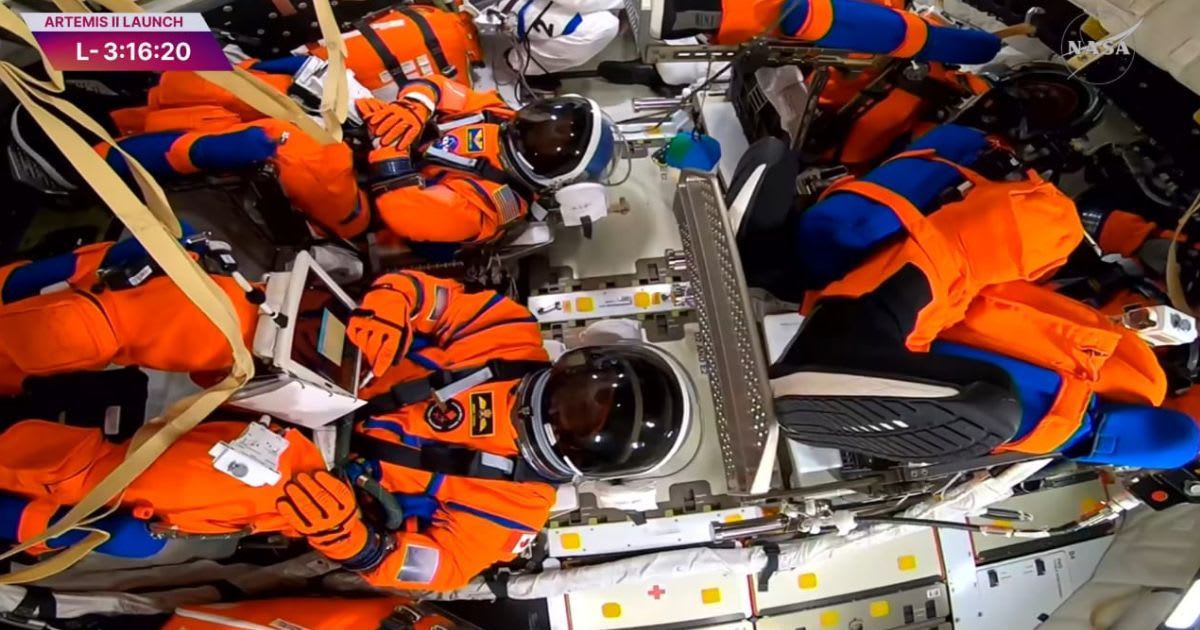
As the countdown to launch ticks, NASA’s Artemis II astronauts arrived at Kennedy Space Center’s Launch Complex 39B at 2:14 p.m. EDT. The crew of four — Reid Wiseman, Victor Glover, Christina Koch, and Jeremy Hansen — boarded the SLS rocket and Orion spacecraft, which stand ready for liftoff just a few hours away at 6:24 p.m. EDT. Inside Orion, the astronauts are performing communications and system checks as the pre-launch phase nears its end. Following an Apollo-era astronaut tradition, the crew has named their Orion spacecraft “Integrity.”
The Artemis II crew is boarding Orion.
— NASA Administrator Jared Isaacman (@NASAAdmin) April 1, 2026
Reid, Victor, Christina, and Jeremy are taking their seats atop the most powerful manned rocket ever built. They have trained for years for this moment, and now they are preparing to execute a mission that will take us back around the Moon… pic.twitter.com/kzwwdGSaAe
At around 2 p.m. EDT, the Artemis II crew walked out from the Neil A. Armstrong Operations and Checkout Building, after a lighthearted card game — a pre-flight ritual to ward off any bad luck. From here, the astronauts took a brief trip to LC-39B on the “Astrovan,” as bystanders cheered them on from the sidelines. Once they reached, the crew took the elevator up the pad’s fixed service structure and walked down the climate-controlled crew access arm to the White Room, which is the final step before boarding. All four astronauts of this historic lunar mission signed the inside of this clean, controlled environment.
A proper sendoff 🧑🚀
— NASA Artemis (@NASAArtemis) April 1, 2026
The Artemis II crew was driven to the launchpad ahead of their upcoming mission around the Moon. After checking their spacesuits and donning their helmets and gloves, the crew will settle into the Orion spacecraft. pic.twitter.com/QXJNKw6983
The mission’s closeout crew assisted the astronauts with putting on their Orion Crew Survival System helmets and gloves, following final suit checks. At 2:31 p.m. EDT, the Artemis II crew began boarding the Orion spacecraft and strapped themselves into their seats for further voice checks with mission control. Now, the closeout crew will close the crew module hatch and exterior launch abort system hatch — a process that can go all the way until the end of the countdown due to strict safety requirements. The Artemis II SLS launch is streaming live on NASA’s official YouTube channel.
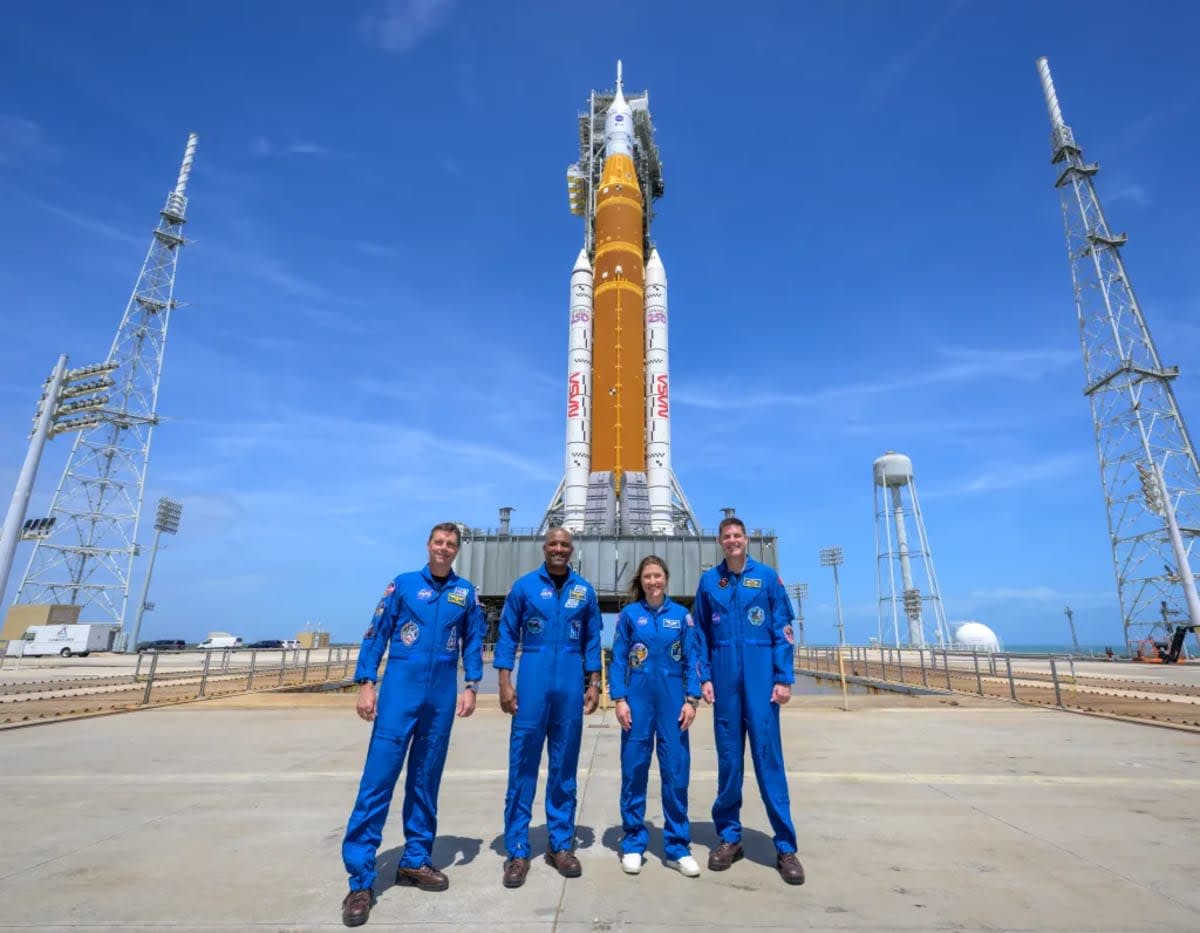
With Artemis II, which is a nearly 700,000-mile trip to the Moon and back, NASA will test the life support systems on the Orion spacecraft for the first time with humans aboard. This will help the agency to plan better for future crewed Artemis missions. If everything goes well, we will see humans set foot on the lunar surface again by 2028.
More on Starlust
NASA completes loading cryogenic fuel into Artemis II SLS tanks
Artemis II launch director gives official 'go'—SLS fueling is underway as the crew wakes up