NASA completes loading cryogenic fuel into Artemis II SLS tanks
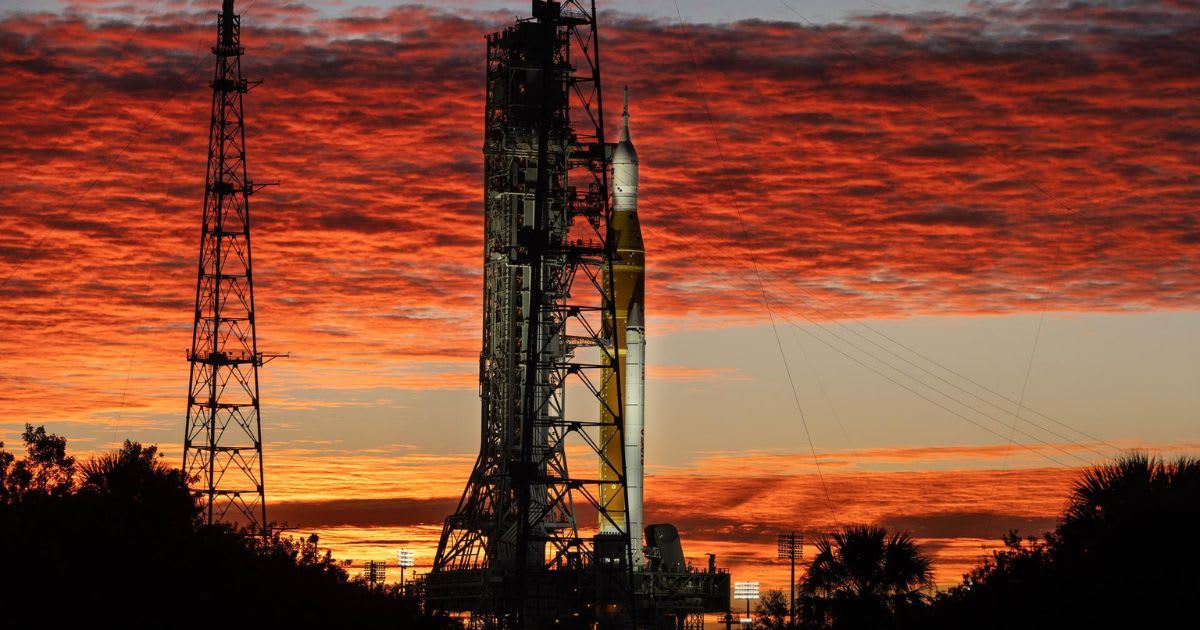
NASA has completed the fuelling of its gigantic 322-foot-tall Artemis II SLS rocket that is set to take four astronauts around the Moon. This is not to say that the process of keeping the fuel topped up in the tanks is over, as the tanks need continuous replenishing. The process of slowly filling the tanks began at 8:35 am EDT after core stage chilldown. At 9:36 am EDT, chilldown of the upper stage commenced. As of L-6 hours and 8 mins, replenish phases for both the core stage fuel tanks and one Interim Cryogenic Propulsion Stage fuel tank were reached, although one of the ICPS tanks was still being fast filled.
The fueling process for the Artemis II rocket has picked up speed. The rocket is now more quickly filling with liquid oxygen and liquid hydrogen.
— NASA Artemis (@NASAArtemis) April 1, 2026
When the core stage is completely full, it will contain 196,000 gallons of liquid oxygen and 537,000 gallons of liquid hydrogen. pic.twitter.com/wejiCveeNb
Either stage has a tank each for liquid hydrogen (LH2) and liquid oxygen (LOX). The core stage LH2 tank has the largest volume at 537,000 gallons, followed by the LOX tank at 196,000 gallons. The ICPS LH2 tank capacity stands at 17,000 gallons, and the LOX tank is 5,000 gallons. Upon topping off the last LOX tank in the ICPS, all tanks reached replenish phase at about L-5 hours 17 minutes.
Live from Kennedy: Artemis II launch coverage is underway. We are tracking every milestone of today's historic launch! Visit our blog for detailed updates:https://t.co/Npfc4Gq7Pp pic.twitter.com/bv9824UH7Q
— NASA's Kennedy Space Center (@NASAKennedy) April 1, 2026
Due to LOX being kept at minus 297 degrees Fahrenheit, and LH2 at minus 423 degrees Fahrenheit, even upon topping off the tanks, they tend to be lost from within the tanks to boiling. The boiling is expected due to the much warmer environmental temperatures around the rocket stack. Hence, streams of white vapours are seen coming out of certain points on the rocket as gaseous hydrogen and oxygen are allowed to vent out. Due to these considerations of managing cryogenic fuel, constant replenishment is necessary until the terminal count begins 10 minutes prior to lift-off. Doing so ensures that what will become the most powerful human-rated rocket in history can have as much fuel as it needs to put the crew on course for a successful mission.
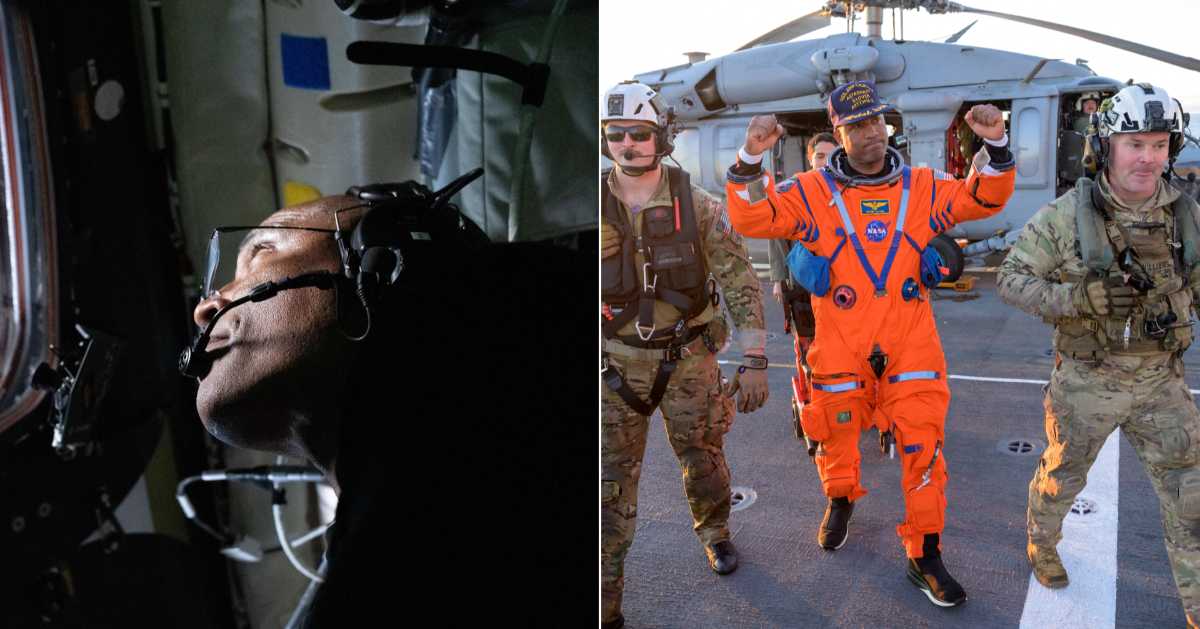
Once all stages of the rocket are in replenish mode and everything looks stable, closeout crews will be sent to the pad. NASA can then move on to bringing the focus back on the central part of the mission, the flight crew. Commander Reid Wiseman, Pilot Victor Glover, and Mission Specialists Christina Koch from NASA and Jeremy Hansen of the Canadian Space Agency received their wake-up call at 9:25 am EDT, and later on, were briefed about what the tanking progress was like, as well as the weather forecast. They left for the launch pad shortly after that. Showers have been projected two hours from now in Cape Canaveral, but based on yesterday’s remarks from Mark Burger, the launch weather officer of the 45th Weather Squadron, any clouds can be flown ‘right through,’ and slight showers do not pose a significant threat to the sturdiness of the SLS rocket.
More on Starlust
How is Artemis II SLS rocket different from Apollo era's Saturn V and SpaceX's Starship?