Moon phases 2026: When is the next Full Moon in September? Date and city-wise timings
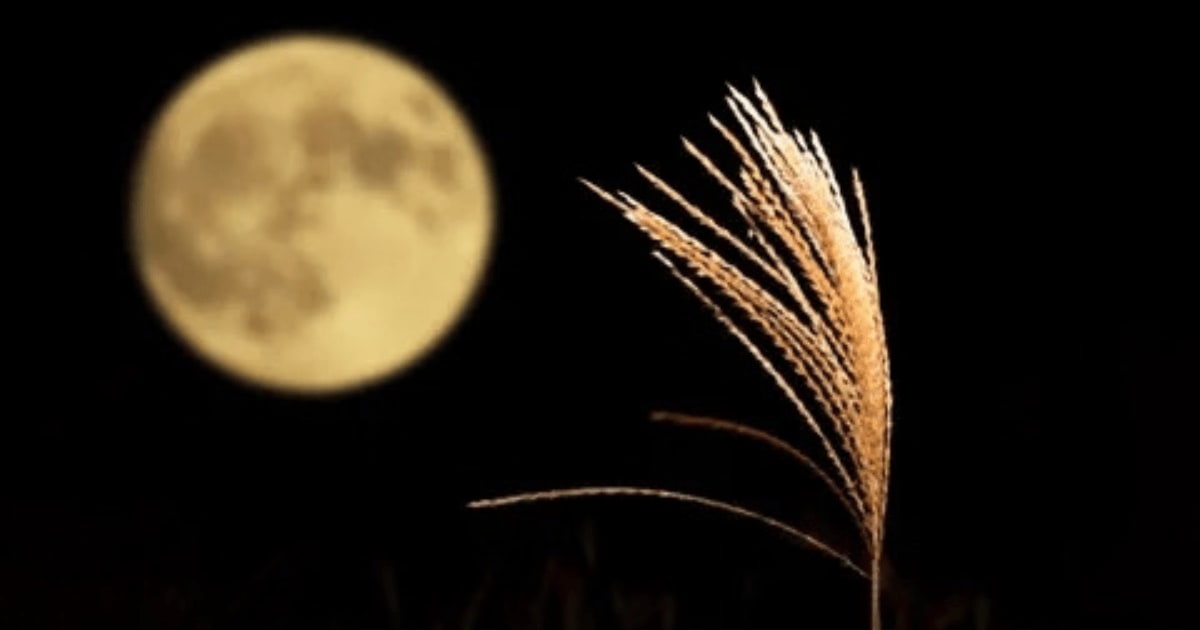
September has been packed with stunning skywatching events. And while we are already past the midway mark of the month, it still has a lot to offer—Venus at peak evening illumination, Neptune at opposition, and, of course, the tenth Full Moon of 2026.
Date of the next Full Moon
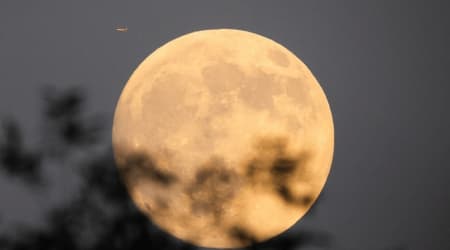
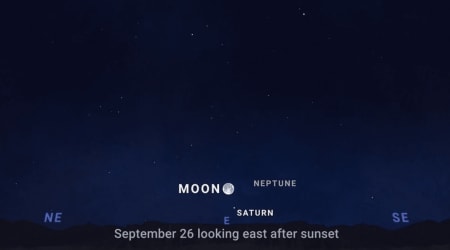
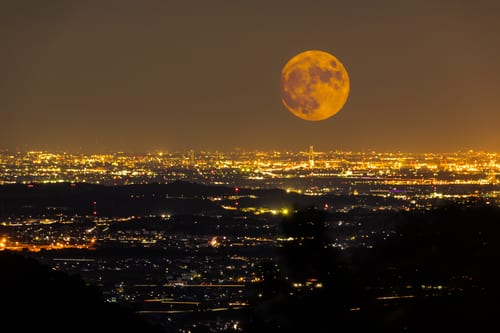
Skywatchers in the U.S. can see the next Full Moon rise over the eastern horizon among the stars in the constellation of Pisces on Saturday, September 26. It will take on a yellow-orange hue when it is close to the horizon and will reach peak illumination at 16:49 UTC (12:49 pm EDT) on the day, according to Time and Date. The moonrise and moonset timings, however, will vary based on where you are.
When to watch: City-wise timings
Here are city-wise moonrise and moonset timings for viewing the September Full Moon for skywatchers in the U.S., according to Time and Date.
| City | Moonrise | Moonset |
| New York | 06:34 p.m. EDT on 26th September, 2026 | 07:49 a.m. EDT on 27th September, 2026 |
| Los Angeles | 06:39 p.m. PDT on 26th September, 2026 | 07:47 a.m. PDT on 27th September, 2026 |
| San Francisco | 06:53 p.m. PDT on 26th September, 2026 | 08:08 a.m. PDT on 27th September, 2026 |
| Seattle | 06:44 p.m. PDT on 26th September, 2026 | 08:22 a.m. PDT on 27th September, 2026 |
| Boston | 06:21 p.m. EDT on 26th September, 2026 | 07:38 a.m. EDT on 27th September, 2026 |
| Chicago | 06:29 p.m. CDT on 26th September, 2026 | 07:47 a.m. CDT on 27th September, 2026 |
| Washington, D.C. | 06:48 p.m. EDT on 26th September, 2026 | 07:59 a.m. EDT on 27th September, 2026 |
| Houston | 07:08 p.m. CDT on 26th September, 2026 | 08:07 a.m. CDT on 27th September, 2026 |
| Dallas | 07:12 p.m. CDT on 26th September, 2026 | 08:16 a.m. CDT on 27th September, 2026 |
| San Antonio | 07:21 p.m. CDT on 26th September, 2026 | 08:20 a.m. CDT on 27th September, 2026 |
What gives the Moon its yellow-orange glow?
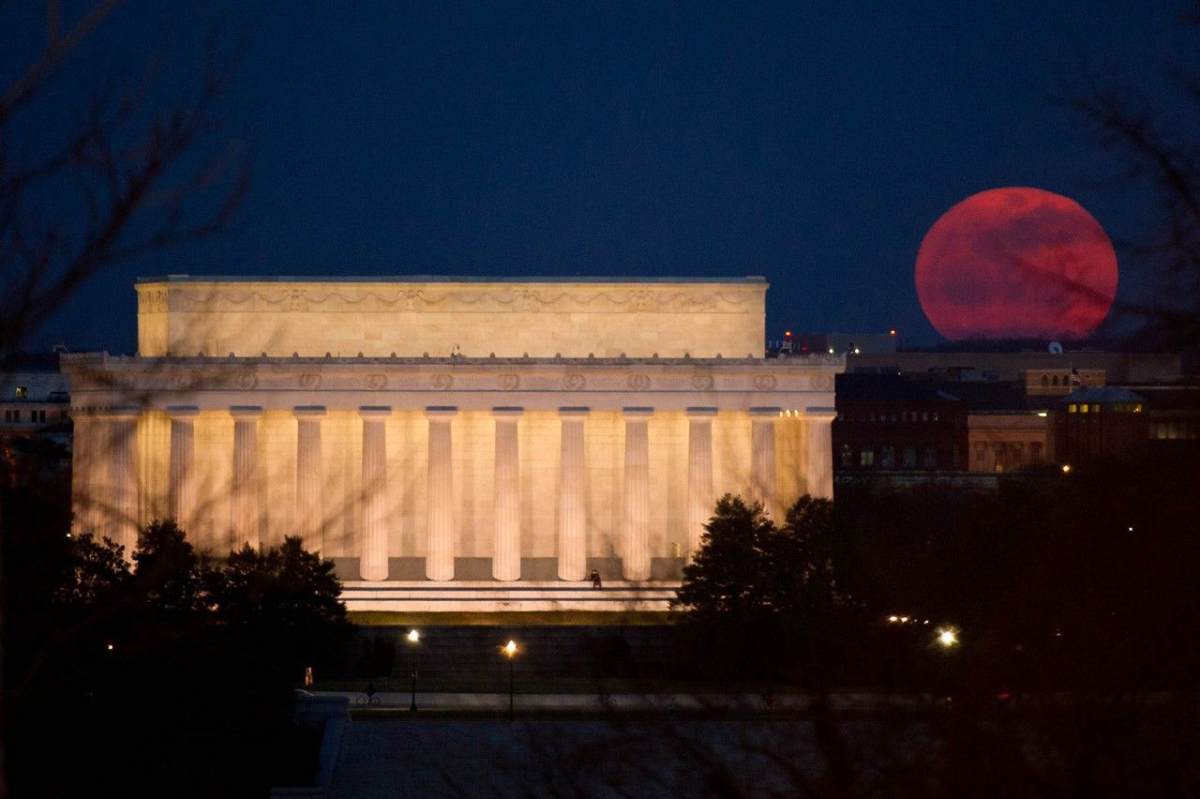
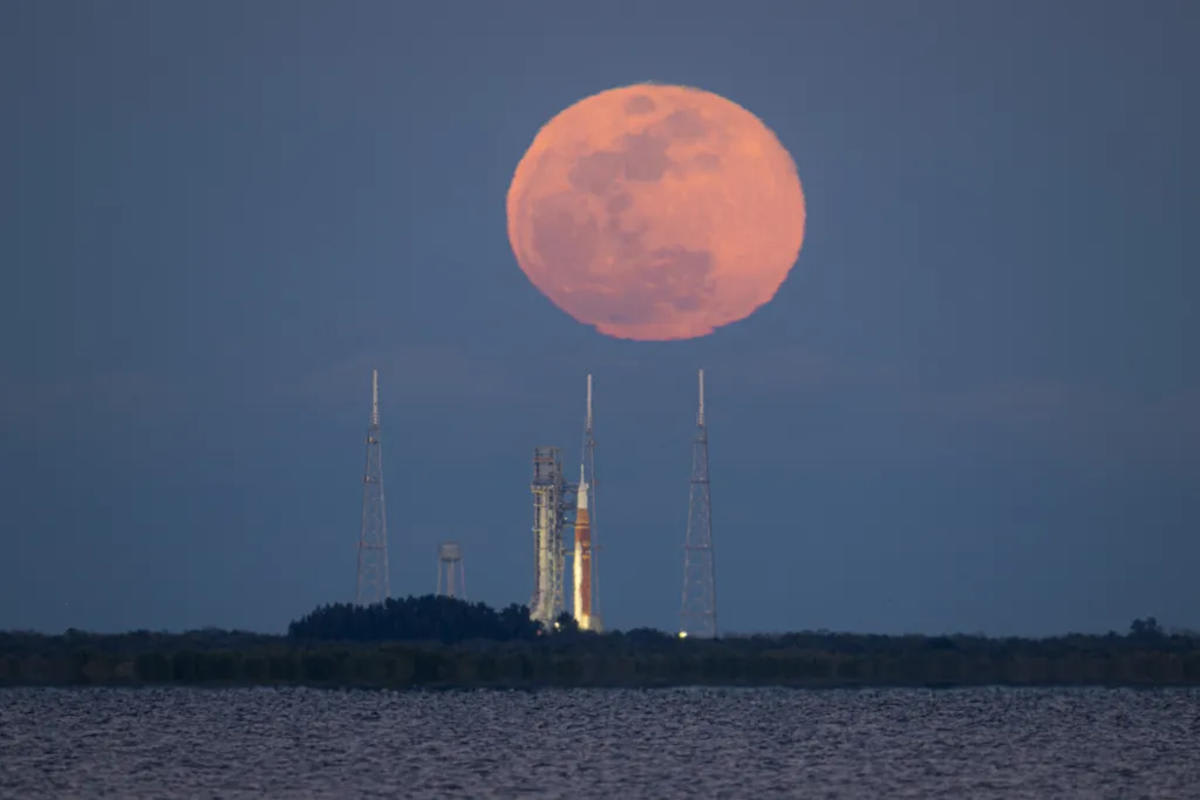
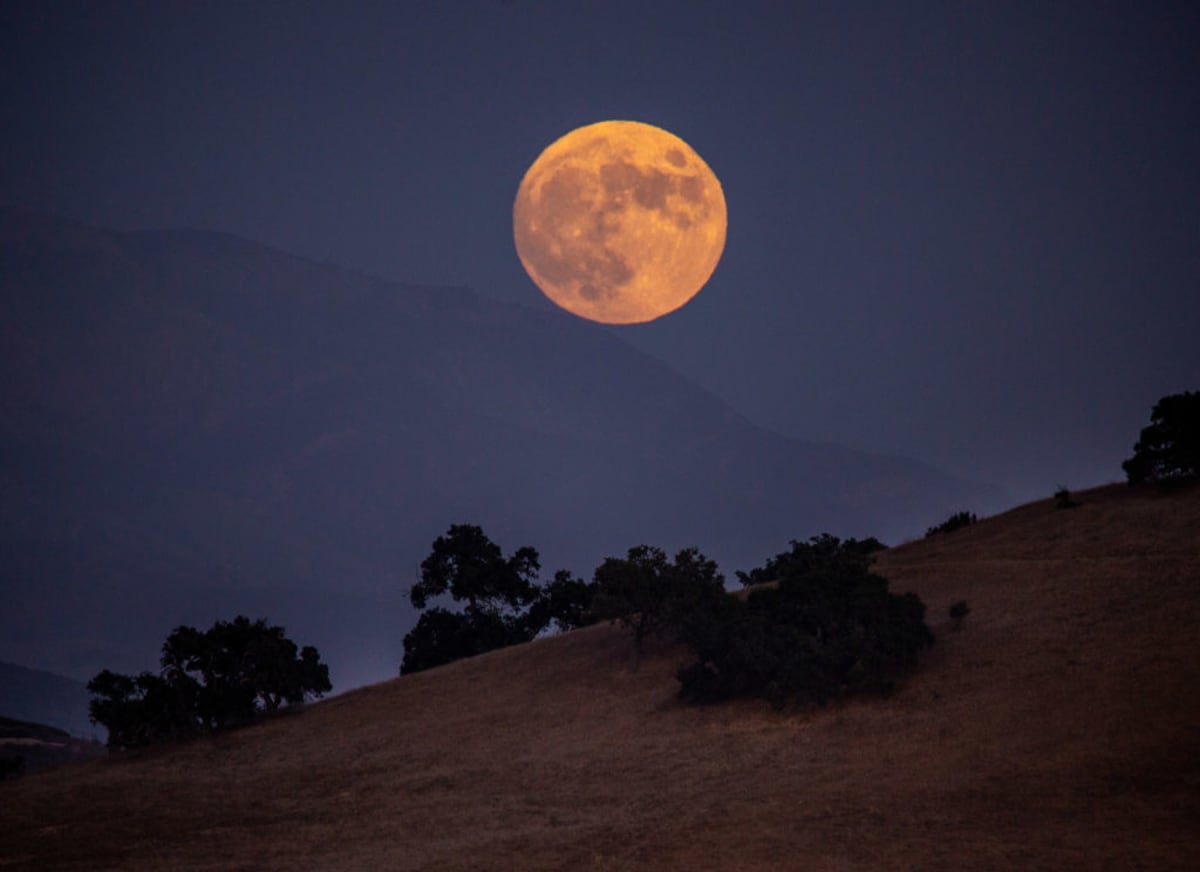
When the Moon is low on the horizon, its reflected light passes through a denser atmosphere than when it's overhead, causing scattering of shorter, bluer wavelengths of light. This leaves out the longer, redder wavelengths in the light beam, which in turn causes the Moon to sparkle with a yellow-orange glow while rising. As the Moon soars higher, this color eventually fades. Also, an interesting phenomenon called the "Moon Illusion" occurs when the Moon is close to the horizon, causing the lunar disk to appear larger than it actually is.
What is September's Full Moon called and why
The Full Moon in September is also known by its traditional name—the Harvest Moon—the name given to the Full Moon that is nearest to the autumnal equinox in the Northern Hemisphere. While the Harvest Moon usually appears in the month of September, it can occasionally be delayed till October, depending on how the lunar cycle aligns with the Gregorian calendar. Around this time, the Moon rises shortly after sunset for several evenings in a row. In the past, this provided farmers some extra moonlight in the evenings, enabling them to continue harvesting crops after the daylight faded.
The September Full Moon is also often called the Corn Moon, which refers to the time the crop was ready to be harvested, according to the Old Father's Almanac. Other interesting names are the Turning Leaves Moon, used by the Native American Anishinaabe people; the Falling Leaves Moon, used by the Ojibwe Tribe; and the Yellow Leaf Moon, used by the Assiniboine people, each referring to the autumnal transformation of trees.
The timing of the September Full Moon in 2026 overlaps with China’s Mid-Autumn Festival, a 3000-year-old tradition, according to Space.com. It is also associated with the start of the Pitru Paksha tradition, which involves honoring ancestors in Hinduism.