2025 Harvest Moon will make a rare October appearance—when and where to watch the spectacle

The Harvest Moon will grace the night sky on October 6, 2025, an occurrence that marks a relatively rare calendar placement for this astronomical event. The Moon officially reaches its full phase, the point directly opposite the sun, on October 7 at 03:48 GMT. For North American viewers, this moment translates to 11:48 p.m. EDT on October 6 and 8:48 p.m. PDT on October 6, according to Space.com.
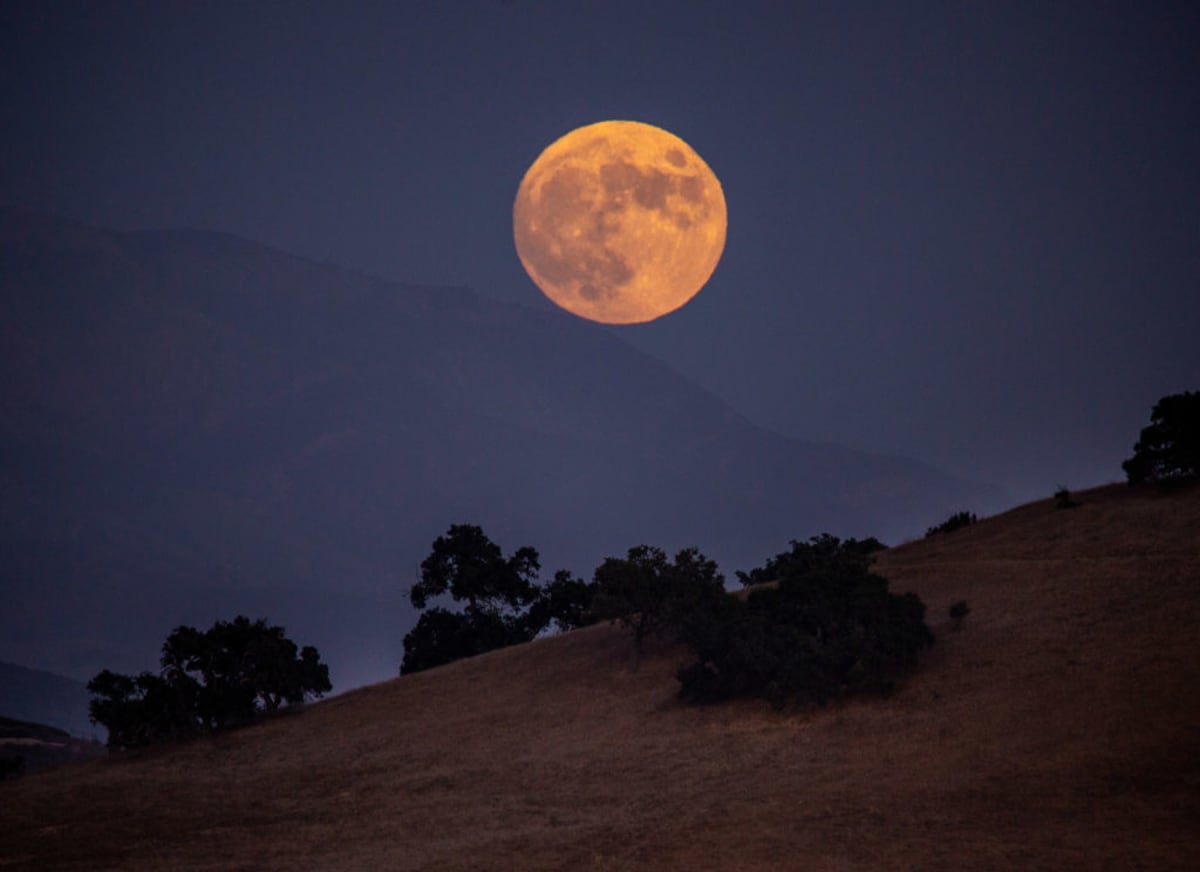
This full moon is designated the Harvest Moon because its timing is the closest to the September equinox. While traditionally falling in September, the 2025 Harvest Moon occurs later than usual, pushing it into October. An analysis of the calendar shows the October 6 full moon is roughly 14.4 days after the equinox, making it nearer to the celestial midpoint than the September 7 full moon, which occurred 15 days before the equinox. This later October appearance is not unprecedented, having last happened in 2020 and scheduled to occur again in 2028.
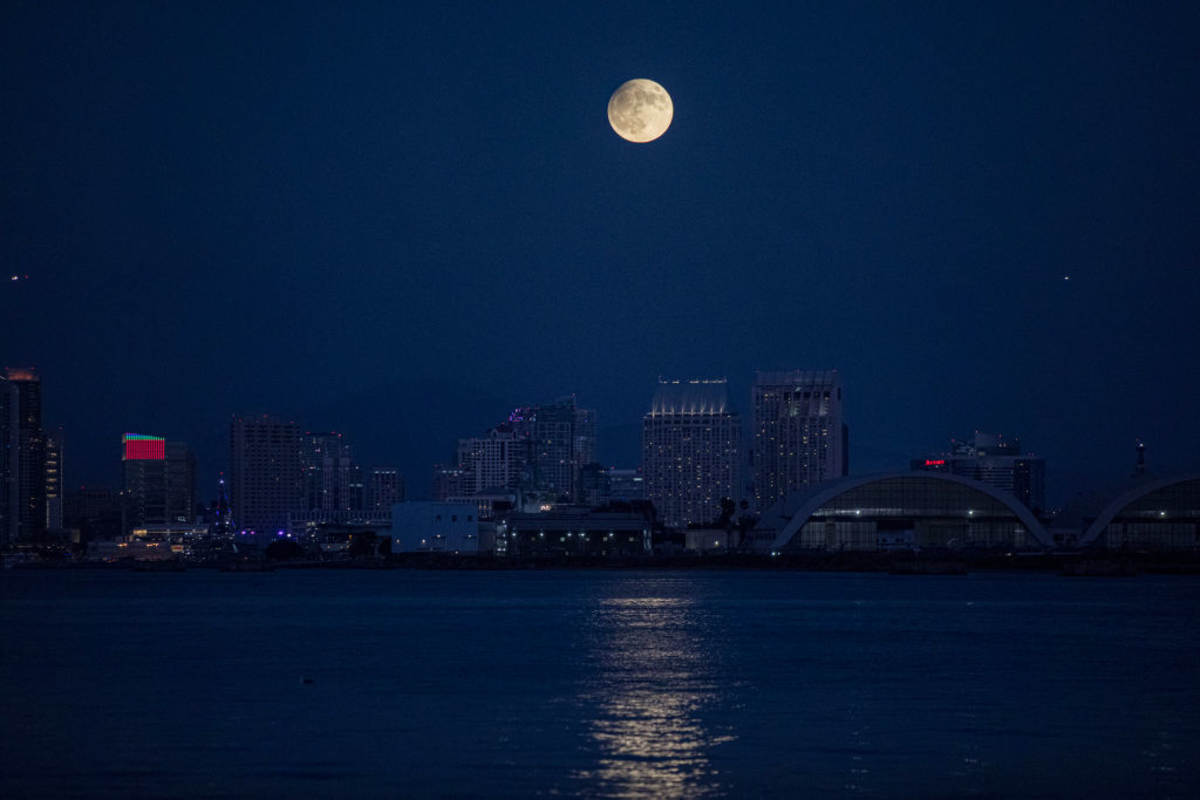
The Harvest Moon earns its name and special distinction not because it stays aloft longer; that title belongs to the full moon nearest the winter solstice, but because of its unusual rise time. For several nights surrounding the full phase, the Moon appears to rise at nearly the same time each evening, defying the typical pattern of rising approximately 50 minutes later each night. Historically, this shorter period of darkness was beneficial to farmers, allowing them to work late into the night during the peak harvest of staple crops like corn and squash.
For example, in Boston, Massachusetts, the moonrise times are: 5:32 p.m. on Oct. 5, 5:55 p.m. on Oct. 6, and 6:20 p.m. on Oct. 7. This reduces the daily moonrise delay to an average of just 24 minutes during this period, compared to the standard 50-minute delay. This phenomenon is a result of the ecliptic (the sun's apparent path) making its shallowest angle with the horizon at this time of year in the Northern Hemisphere.
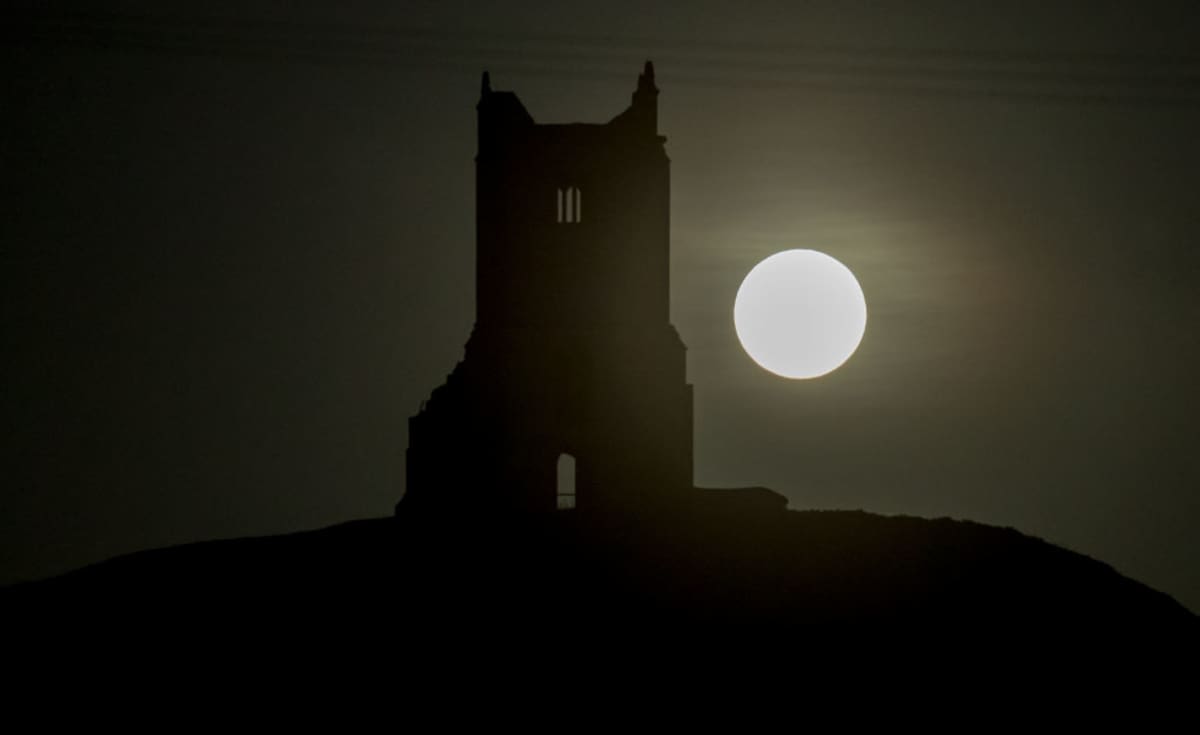
The effect's magnitude is dependent on latitude. Southerly locations in the Northern Hemisphere see a greater nightly delay in moonrise; Miami, Florida, experiences an average 37-minute difference. Northerly locations see a more dramatic reduction in the delay. In Edmonton, Alberta, the average delay is only 11 minutes. A geographic paradox occurs near the North Pole. In Barrow, Alaska (latitude 71.3 degrees N), the moonrise times are: 7:16 p.m. on Oct. 5, 6:39 p.m. on Oct. 6, and 5:51 p.m. on Oct. 7. This means the Moon will appear to rise approximately 43 minutes earlier each successive night, a complete reversal of the usual pattern, as mentioned by the outlet.
Conversely, in the Southern Hemisphere, the ecliptic stands almost perpendicular to the horizon during this period, causing the night-to-night moonrise delay to exceed the 50-minute average. Christchurch, New Zealand, for instance, will see a delay of about 81 minutes.
More on Starlust
Ceres, the only dwarf planet in the inner solar system, reaches opposition on October 2—how to watch
October 2025 skywatching guide: Harvest supermoon, Draconid meteor shower and more