Mercury may be far hotter inside than we thought and BepiColombo could help us find out
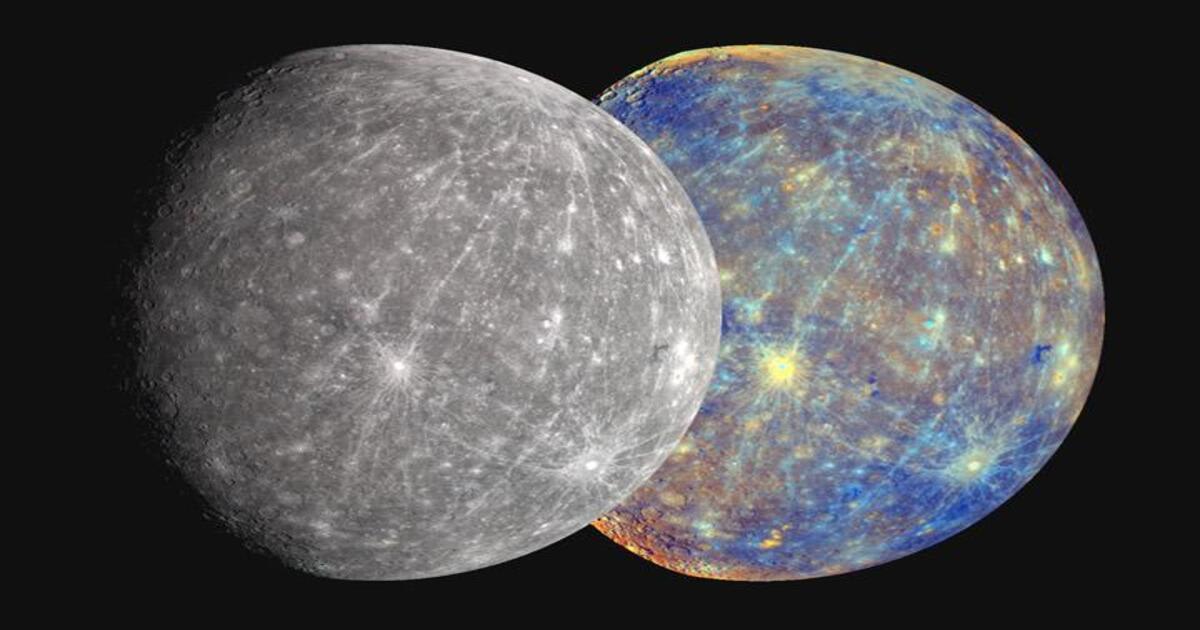
Mercury, the small, rocky planet closest to the Sun, evolved differently from Earth and is believed to have a continuous, solid rocky crust. Now, scientists have found a new clue in its surface composition that suggests Mercury's ancient volcanic rocks may have formed from material that melted much deeper inside the planet and under hotter conditions than previously thought. Furthermore, the BepiColombo mission, which is slated to reach Mercury in a few months' time, could help verify the same.
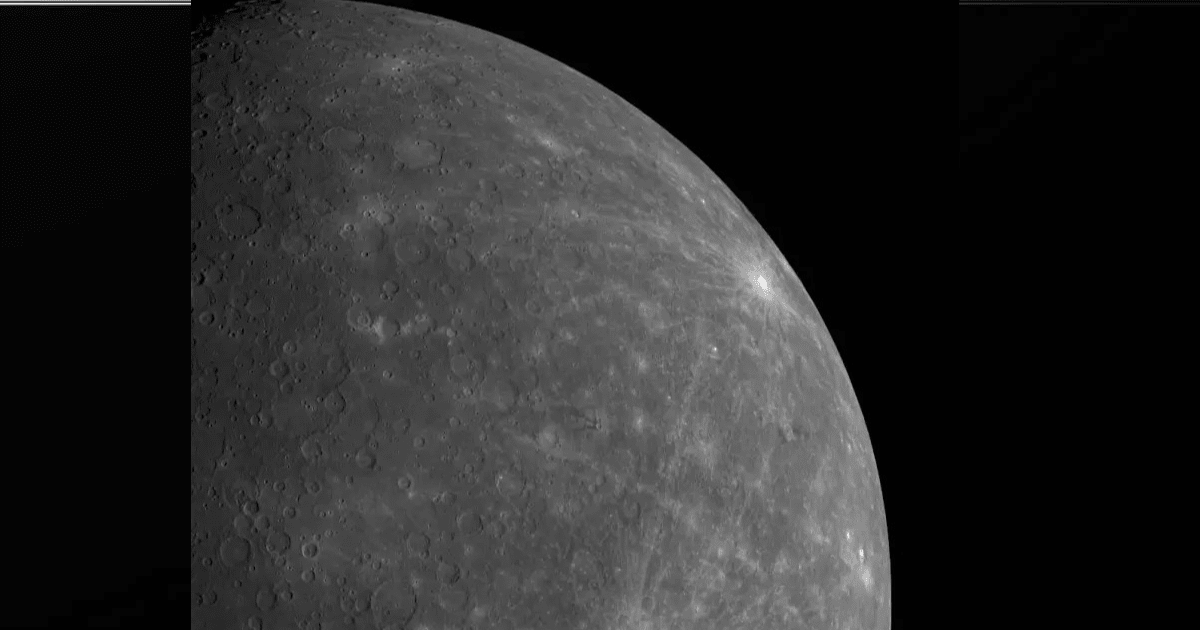
The interesting part is that scientists have found this clue using infrared light from Mercury's surface, rather than rock samples. Now the question is: How can the composition of surface rocks of Mercury tell scientists about its ancient interior?
Reading Mercury’s surface in infrared
A new study by the Max Planck Institute for Solar System Research and researchers from the Universities of Münster and Göttingen closely examined the composition of Mercury. The peer-reviewed study, published in Planetary Research on August 27, 2026, saw researchers specifically investigate the amount of silicon dioxide present on Mercury's surface.
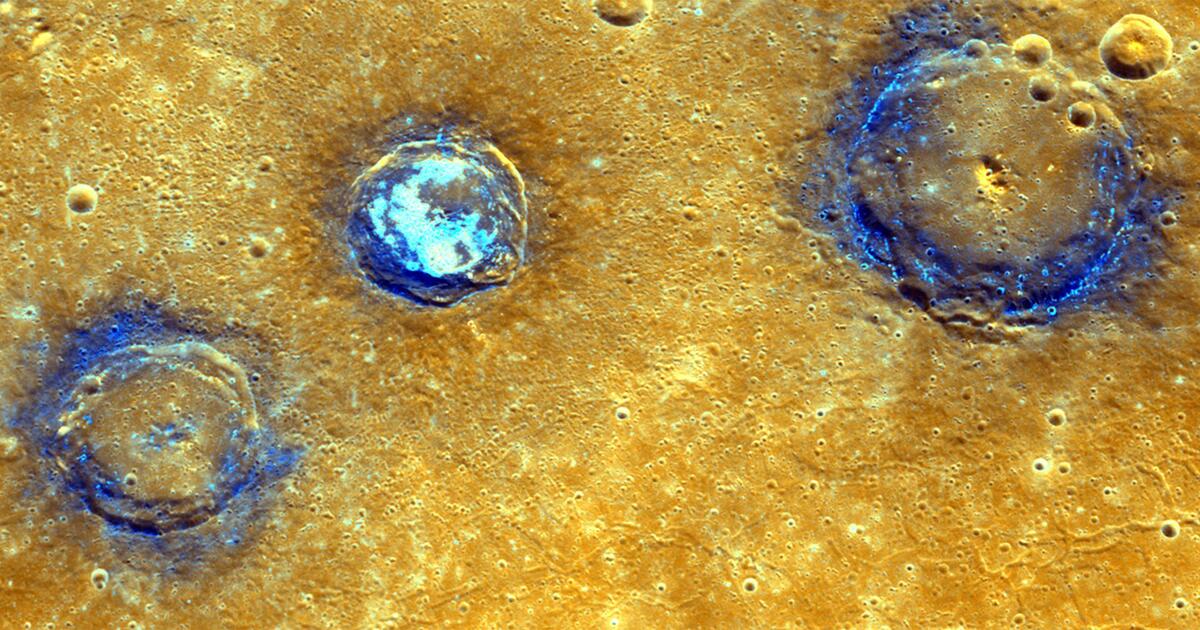
Analyzing the surface rocks of Mercury is difficult, as scientists don't have rock samples from the planet. That's why researchers used the infrared radiation coming from Mercury's surface. They specifically studied a particular feature in the infrared spectrum called the Christiansen Feature. The position of this feature changes with the amount of silicon dioxide (SiO₂) present in the surface material. Using this relationship, scientists can estimate the amount of silica present on Mercury's surface.
To get a clearer understanding of how different amounts of SiO₂ affect the infrared signal before applying the method to Mercury's surface, researchers first carried out experiments in the laboratory. They prepared tiny glass beads with different concentrations of SiO₂ and analyzed their infrared properties.
Mercury has less silica than scientists thought
Earlier, researchers used this infrared method on the Moon, where the remote observations were compared with the lunar rock samples. After this validation, they applied it to Mercury's infrared observations.
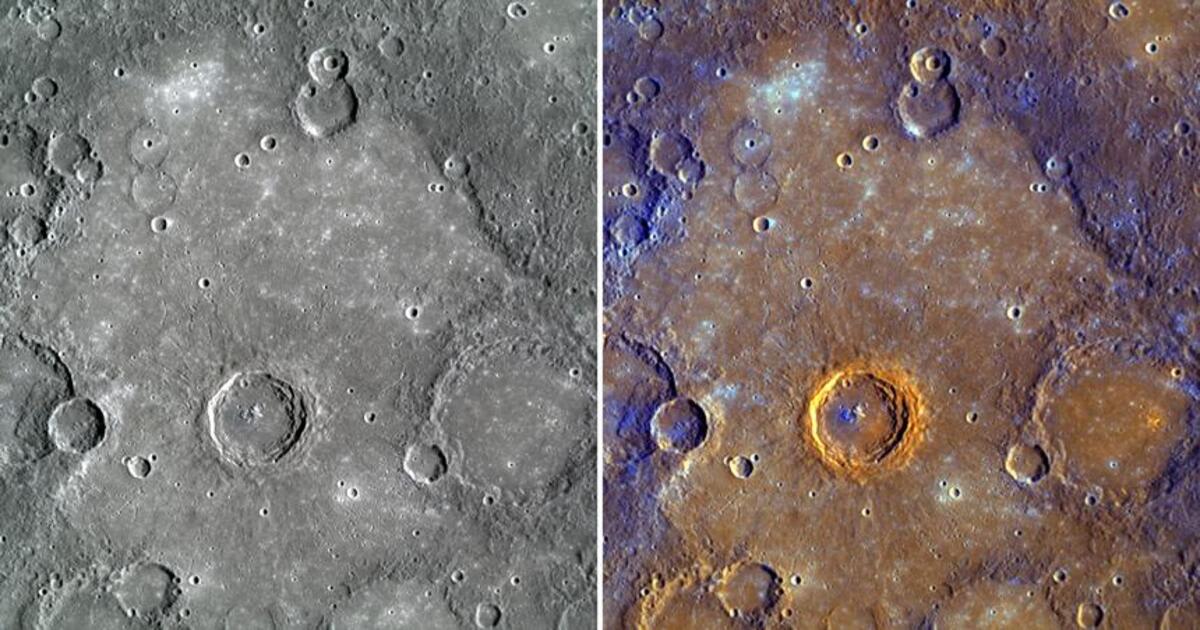
According to the researchers' analysis, the surface of Mercury contains around 37% silicon dioxide. This is much lower than previous estimates. For instance, a 2009 study by Sprague and colleagues estimated Mercury's SiO₂ content at around 49-55% using mid-infrared observations, a type of infrared measurement that can reveal clues about the minerals on Mercury's surface. The difference was not just a number but very useful data that can change the way scientists think about how Mercury's volcanic rocks actually formed.
What could have caused Mercury's low silica content?
One implication is that Mercury's volcanic rocks may have formed from much deeper melting inside the planet. Researchers say this deeper melting suggests that Mercury's interior reached higher temperatures than initially thought during the formation of these rocks. Lead author of the Mercury study, Christian Renggli, said, "Our findings suggest that the volcanic rocks on Mercury formed from more deeply melted mantle material than previously assumed."
But the researchers also suggested another possibility: Mercury could have lost oxygen over time, because of which some of the silicon may no longer be present in the form of SiO₂. So, as of now, it is not confirmed whether the low silica content was caused only by deeper, hotter melting or by another process.
BepiColombo could put it to the test
That said, the ESA and JAXA mission BepiColombo can help test this finding. MERTIS (Mercury Radiometer and Thermal Infrared Spectrometer), a thermal infrared instrument on board the spacecraft, can observe the mid-infrared wavelengths coming from the surface of Mercury, through which scientists can study its composition in more detail.
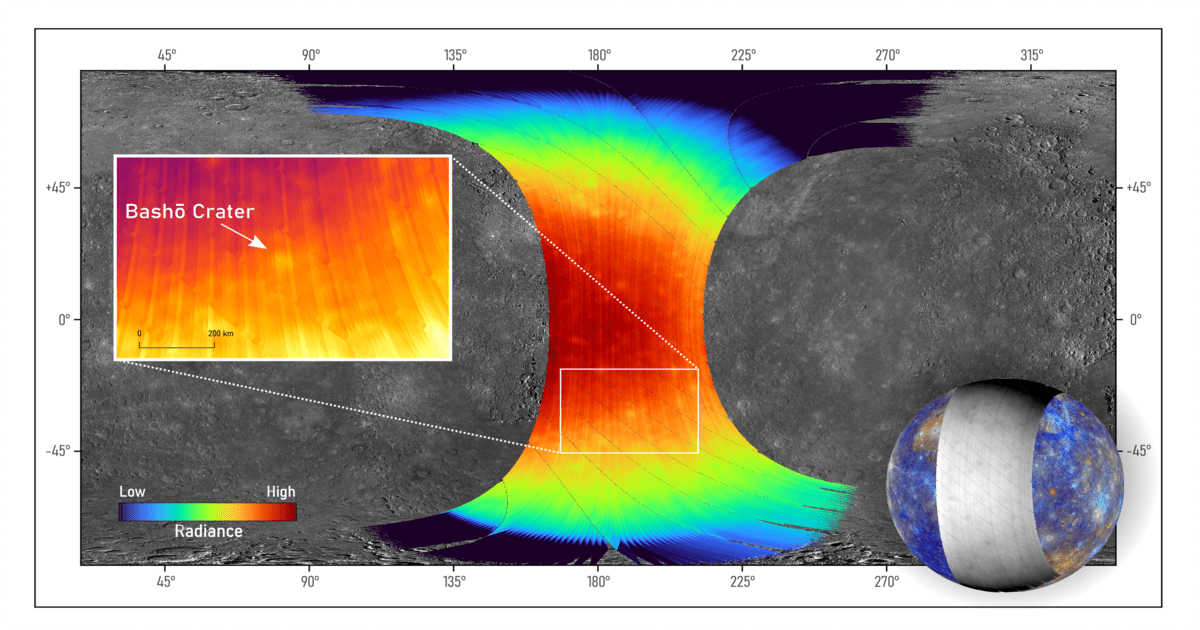
Researchers are hoping that detailed observational data from MERTIS will help confirm Mercury's low silica content and provide a more precise measurement. Lead author Christian Renggli said, "Our study lays the groundwork for deriving the most accurate information possible about the silicon dioxide content of Mercury's surface from BepiColombo's measurements."
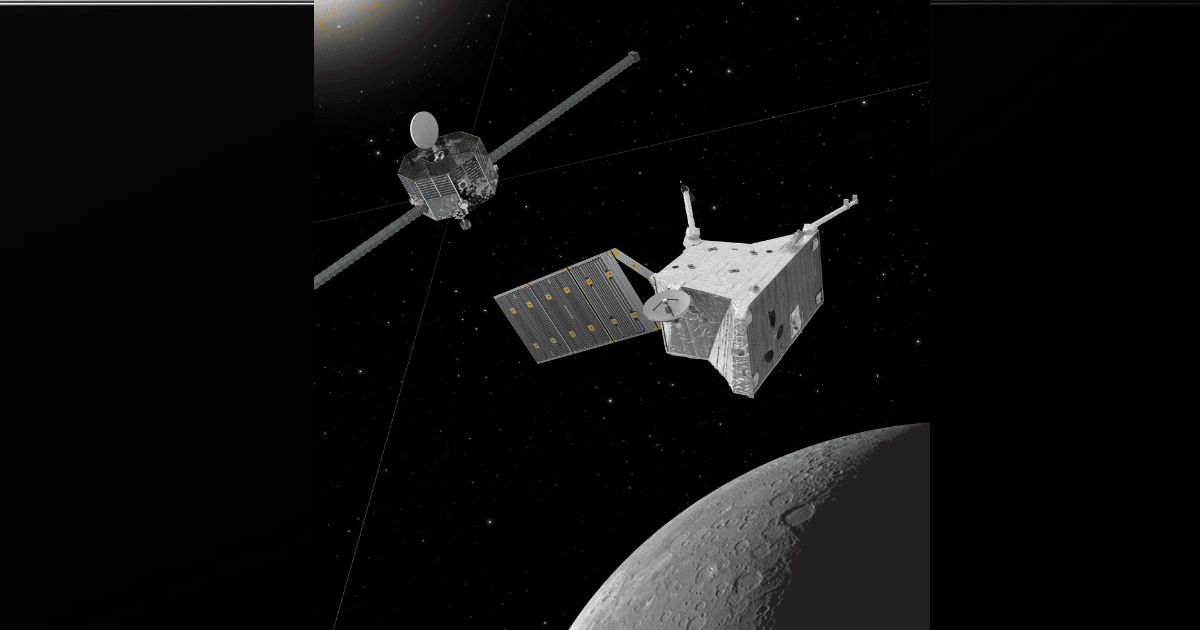
BepiColombo carries two science orbiters: the Mercury Planetary Orbiter (MPO) built by the European Space Agency (ESA), and the Mercury Magnetospheric Orbiter (MMO), also known as Mio, built by the Japan Aerospace Exploration Agency (JAXA). The two orbiters are expected to enter Mercury's orbit on November 21, 2026, with science operations to begin in April 2027. Their observations may give scientists a more detailed view of the surface composition of Mercury and allow scientists to refine the current SiO₂ estimate.
More on Starlust
Mercury may have accumulated all its water ice deposits in just 'one day'
Mercury is not a 'dead planet': Bright streaks on the planet indicate activity