Mercury has been shrinking faster than we realized. Here’s what that means
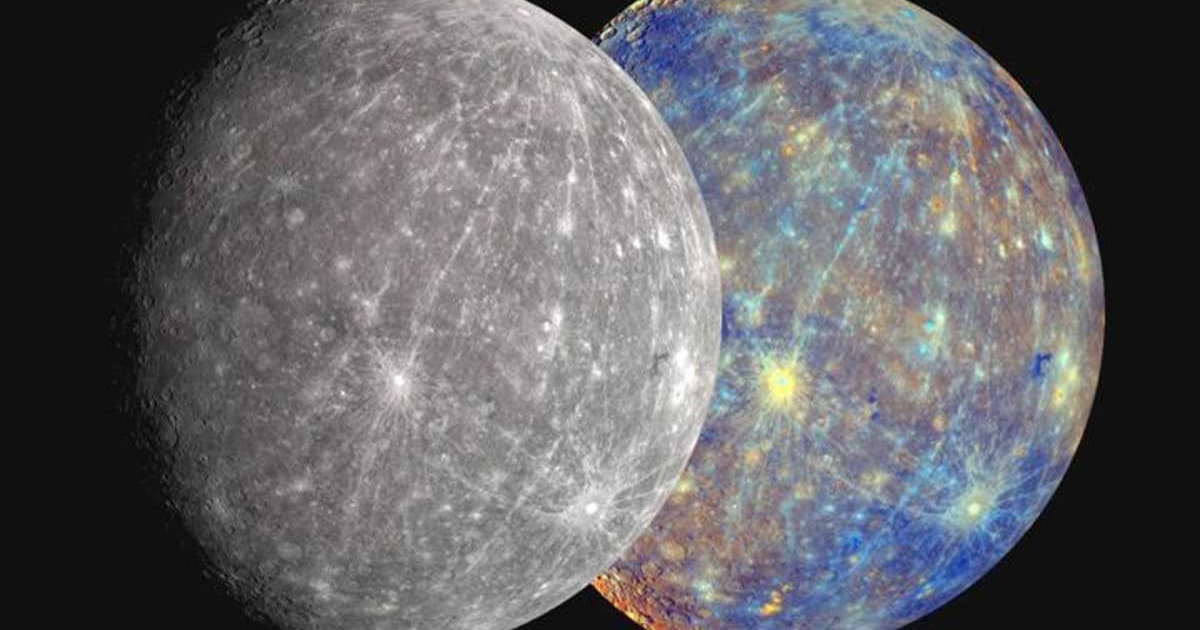
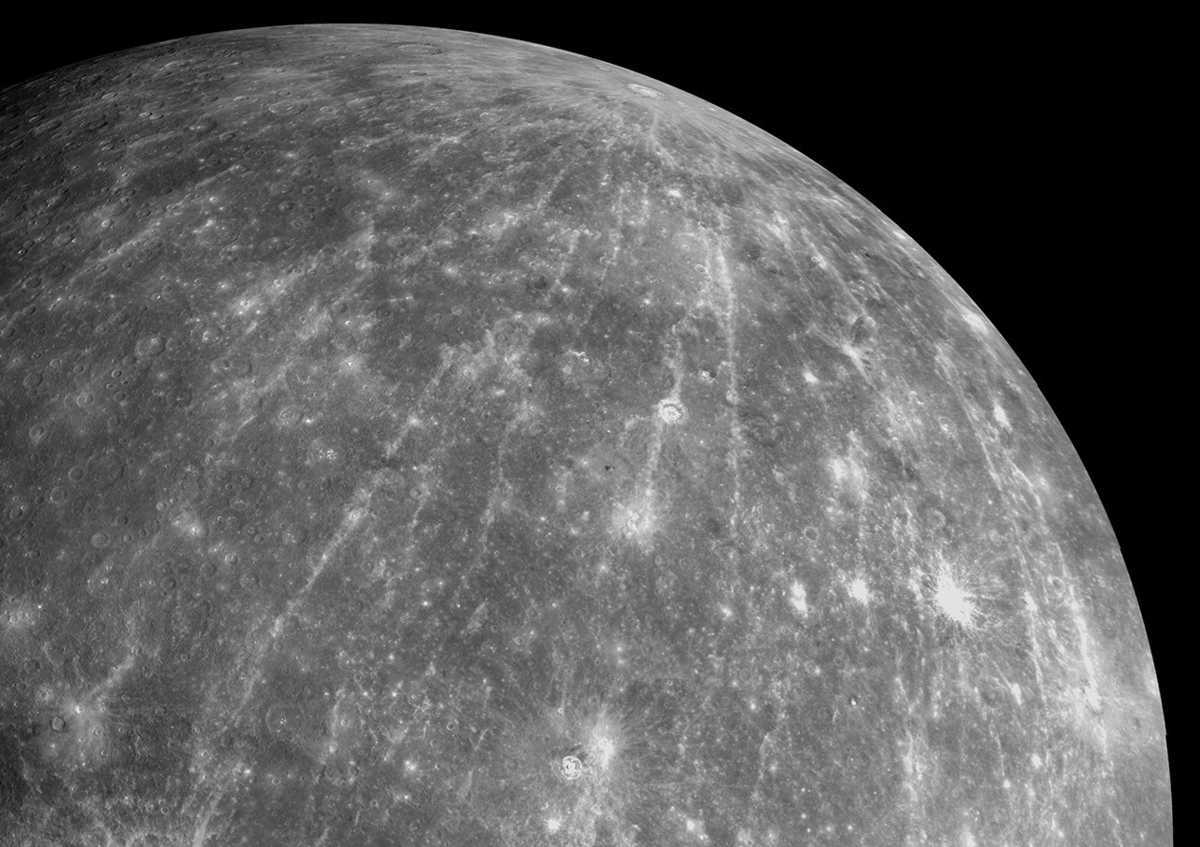
In a new study, scientists have found that Mercury, the smallest planet in our solar system, has been shrinking ever since it was created 4.5 billion years ago. In fact, the planet is shrinking 10% to 30% faster than earlier estimates suggested. That means it has now lost nearly 12 miles (19 kilometers) from its total diameter since it formed. This discovery could change how scientists understand what’s really happening deep inside the planet.
Commenting on the findings, research lead Gaku Nishiyama of the German Aerospace Center’s Institute of Space Research said, "More shrinking means Mercury could have a larger metal core, less light elements like silicon mixed into the metal core, or a higher starting temperature.” He further added, "30% is a little bit surprising, but the corrected amount of contraction actually makes sense to me.”
Why did so much of Mercury’s shrinking go undetected?
If you look closely at pictures of Mercury, you'll notice odd wrinkle-like ridges and steep, cliff-like drops scattered across its surface, which are called scarps. These form as the planet’s interior cools down and then forces the outer crust to buckle inward on itself.
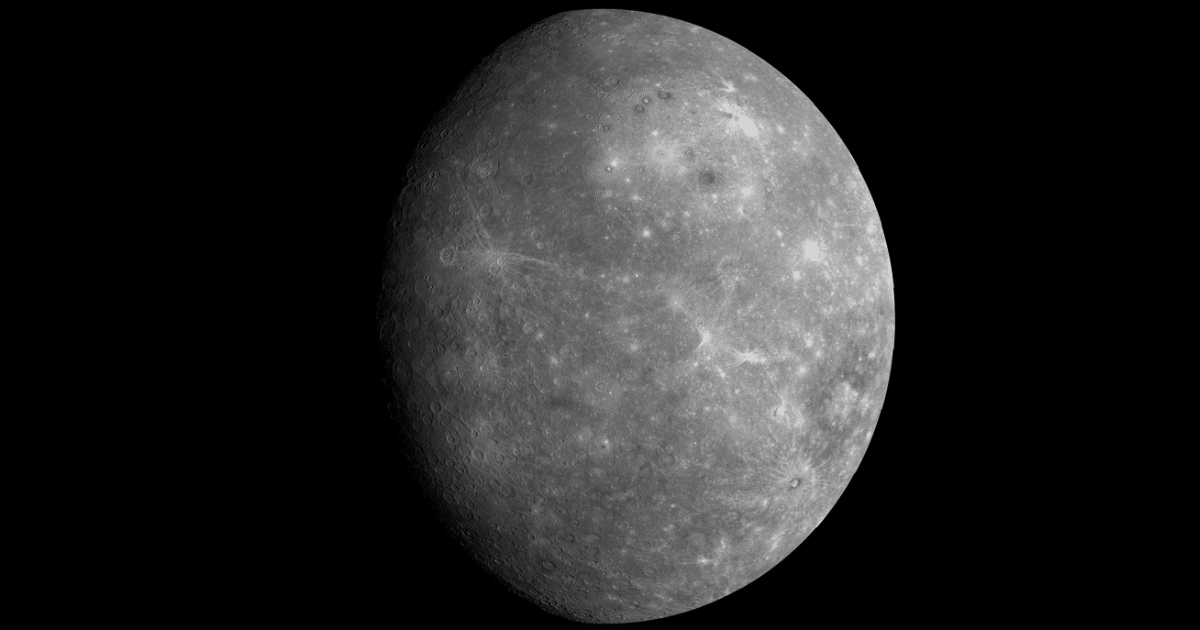
Scientists have used these features to study exactly how much the planet has shrunk. But now, this new research argues that previous calculations may have missed a lot of these wrinkles. This happened because asteroid impacts have buried or damaged much of the evidence over the years, which made some of these ancient features difficult to detect.
How did scientists calculate the hidden shrinkage?
For this study, the team compared the existing geological maps with fresh measurements of surface roughness across the entire planet. They found that the bumpiest, most cratered regions of Mercury had noticeably fewer visible wrinkles than smoother areas. "It made us think that there's a process obscuring shortening structures," Nishiyama added. He pointed out that debris scattered by impacts could be hiding in the roughest terrain.
Then, with the help of clearer regions as a baseline, the researchers calculated how much additional shrinkage was likely hidden in the debris-covered areas. Their math points to Mercury's total diameter shrinking by as much as 14.5 miles (23 kilometers) over its lifetime, well above the previous range of 2.5 to 10 miles (4 to 16 kilometers).
The next mission could reveal even more
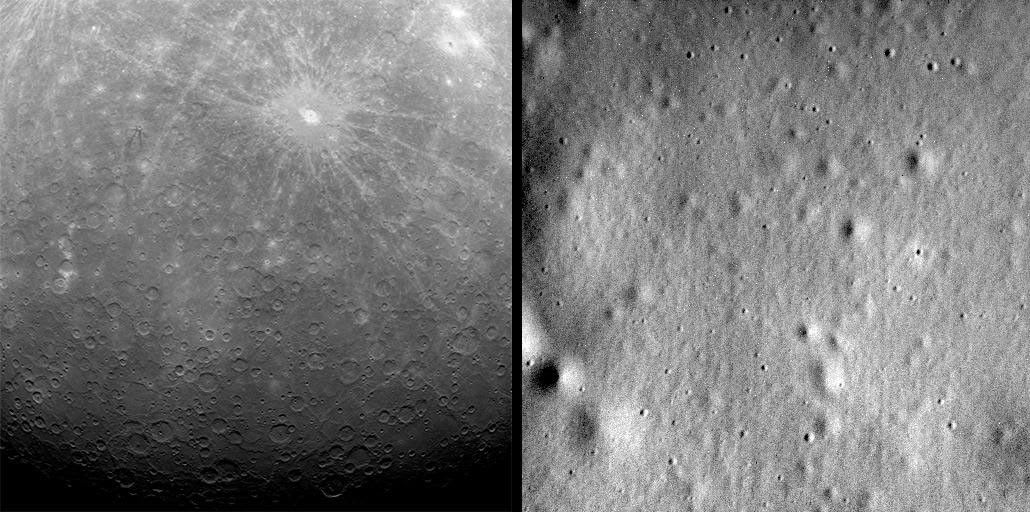
There’s still a good chance this new figure is too conservative. The estimate relies on data from NASA's MESSENGER spacecraft, which wrapped up its mission in 2015 and could only pick out surface features larger than about 3 miles (5 kilometers) across.
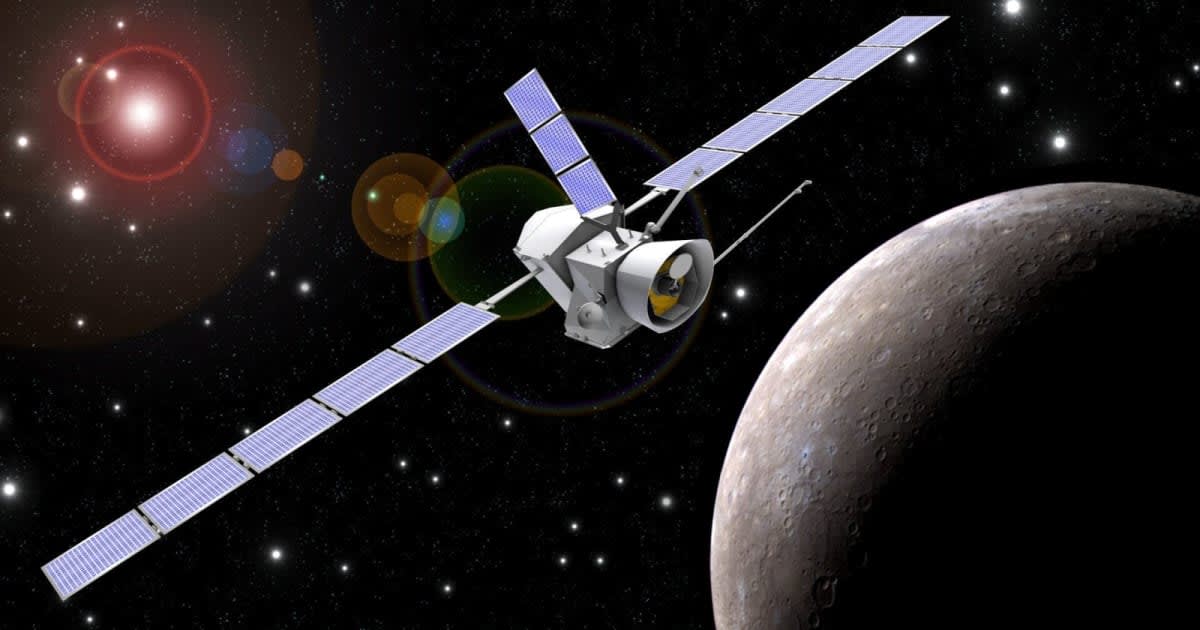
This will change in November 2026 with the European-Japanese BepiColombo mission, as it will begin mapping Mercury's surface at much sharper resolution. This will help scientists potentially uncover wrinkles too small for MESSENGER to have caught and push the shrinkage estimate even higher.
More on Starlust
Scientists say the universe could tear itself apart. Here's how