Europe and Japan’s BepiColombo to enter tricky 'Mercury Arrival Phase' eight years after launch: Watch it live
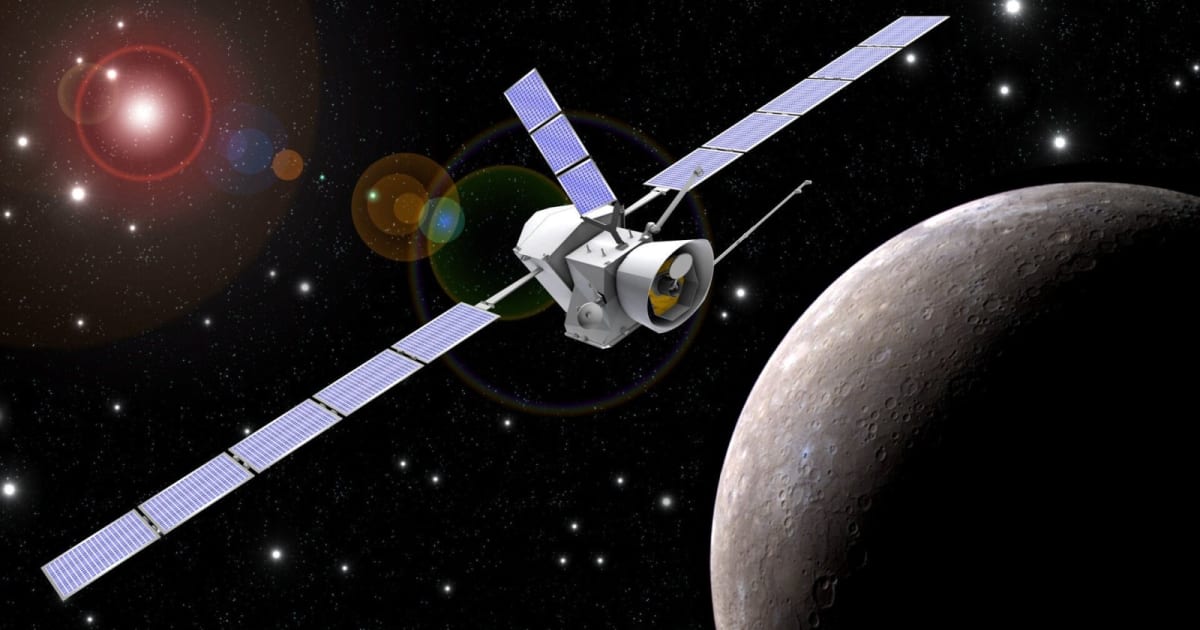
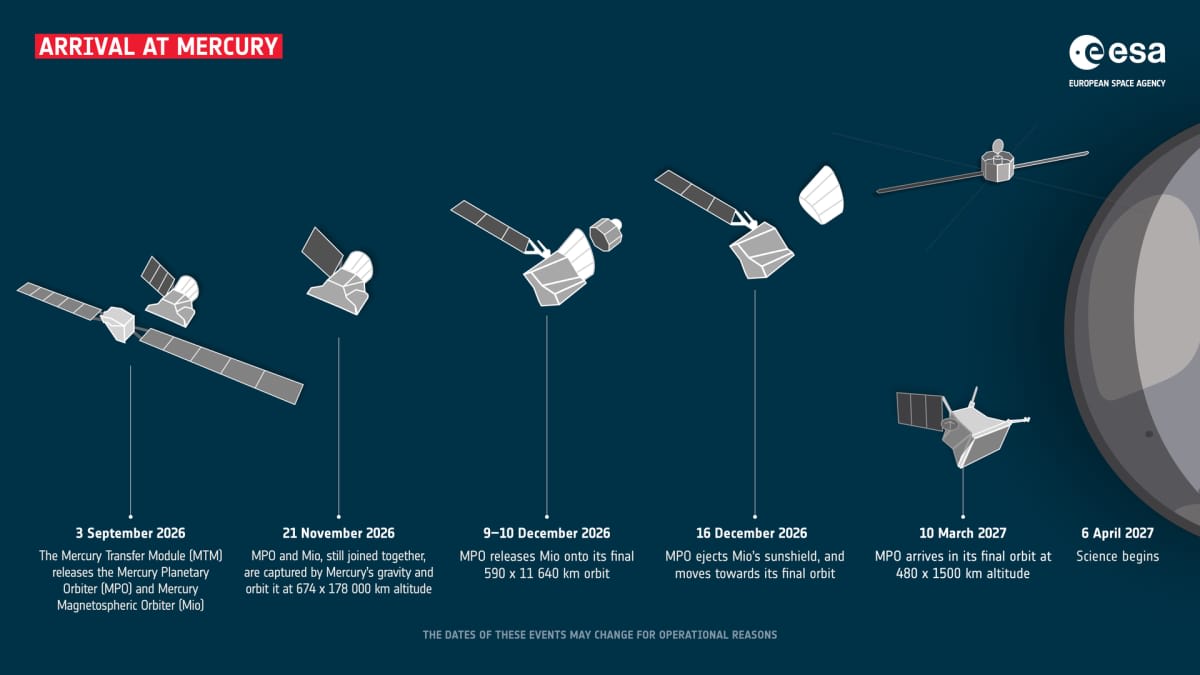
The BepiColombo mission will begin its 'Mercury Arrival Phase' on September 3, eight years after its launch. According to the European Space Agency (ESA), the two orbiters stacked together will separate from the Mercury Transfer Module (MTM) at 8 am EDT. The MTM is the module that has powered BepiColombo’s journey to the rocky world.
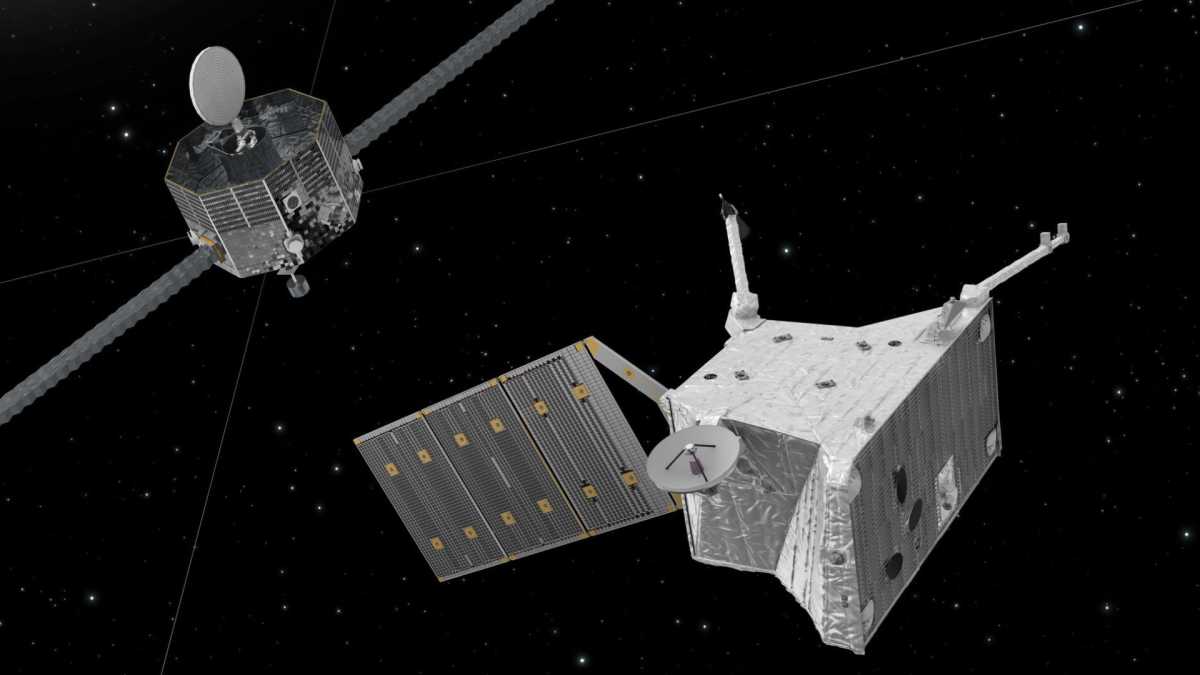
A joint endeavor by the ESA and the Japan Aerospace Exploration Agency (JAXA), BepiColombo was launched in October 2018. It is the world's first dual-spacecraft mission to Mercury, besides being only the second mission ever to orbit around the planet. The separation of the two orbiters—Japan’s Mercury Magnetospheric Orbiter (MMO or Mio) and Europe’s Mercury Planetary Orbiter (MPO)—from MTM will mark the first major step in what the ESA says will be "one of the most operationally challenging planetary arrival sequences" ever attempted by the space agency.
How to watch the arrival live?
The ESA has scheduled a livestream of the arrival phase starting at 7:45 am EDT (13:45 CEST) on its official YouTube channel. The following is the sequence of events and when they will take place.
8 am EDT (14 CEST): MTM separation
8:30 am EDT (14:30 CEST): One-hour break in livestream
9:30 am EDT (15:30 CEST): Livestream resumes
9:53 am EDT (15:53 CEST): Earliest expected acquisition of signal after separation, followed by a spacecraft status check
10:15-10:45 am EDT (16:15-16:45 CEST): Livestream ends
When will BepiColombo start its operation?
Once the MTM separation is successful, the ESA says that mission teams on Earth “will listen for BepiColombo’s post-separation acquisition of signal and carry out the first checks to confirm the spacecraft is healthy and that the operation has gone to plan.” The next major step would be the separation of the orbiters in Mercury’s orbit, which is scheduled for December this year. When the MMO-MPO separation is complete, operations will begin in the first week of April 2027.
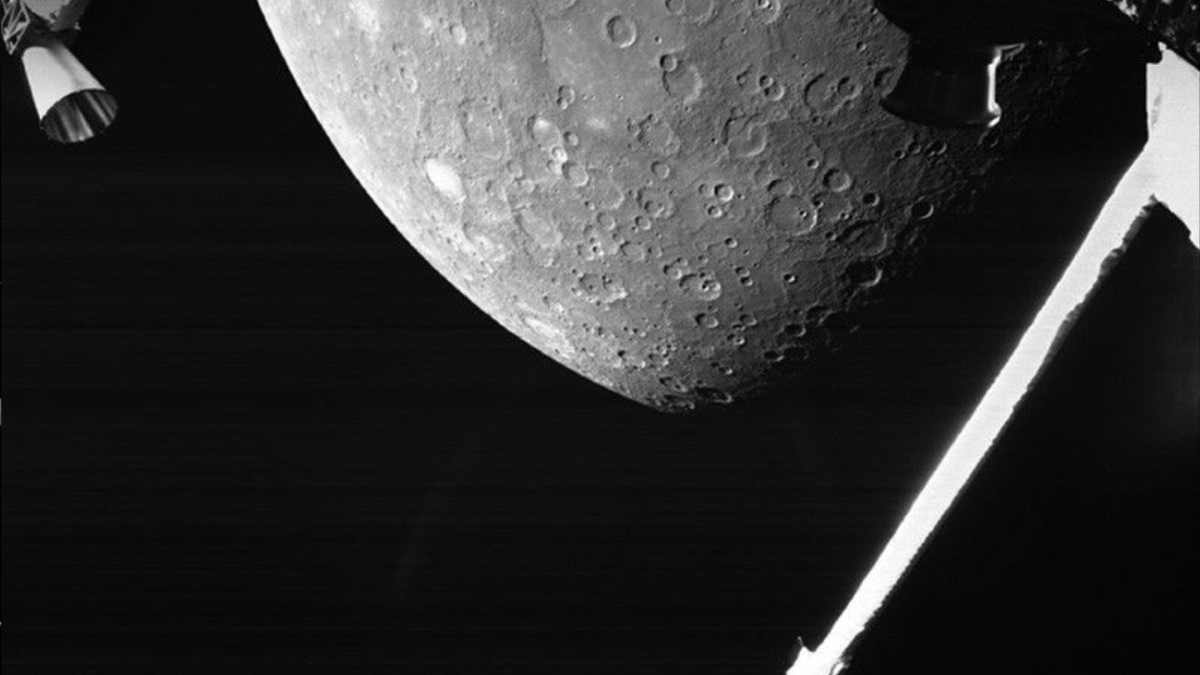
Before separation, the two spacecraft will orbit Mercury in a highly elliptical orbit (674x178,000 km). Around December 9-10, the MPO will release the MMO onto a final 590x11640 km polar orbit and move towards its own final orbit. That is scheduled for March 2027, when the MPO will occupy a 480x1500 km polar orbit. When they're in position, the mission teams will conduct a series of instrument checks to confirm they are ready for operations.
Named after Italian mathematician and engineer Giuseppe (Bepi) Colombo, BepiColombo will study all aspects of the planet. While the MMO is equipped with five instruments, the MPO carries 11. Together, they will map the planet's mineralogy and elemental composition, study Mercury’s magnetosphere and its interaction with the solar wind, and document the planet’s form, interior, structure, geology, and craters, among other tasks. Both orbiters have an operational lifespan of one year with a possible extension of another year.
More on Starlust
80,000-year mission to Alpha Centauri 4.4 light-years away: Nonprofit eyes launch by 2029