Massive asteroid once feared a threat to Earth set for close flyby on September 18
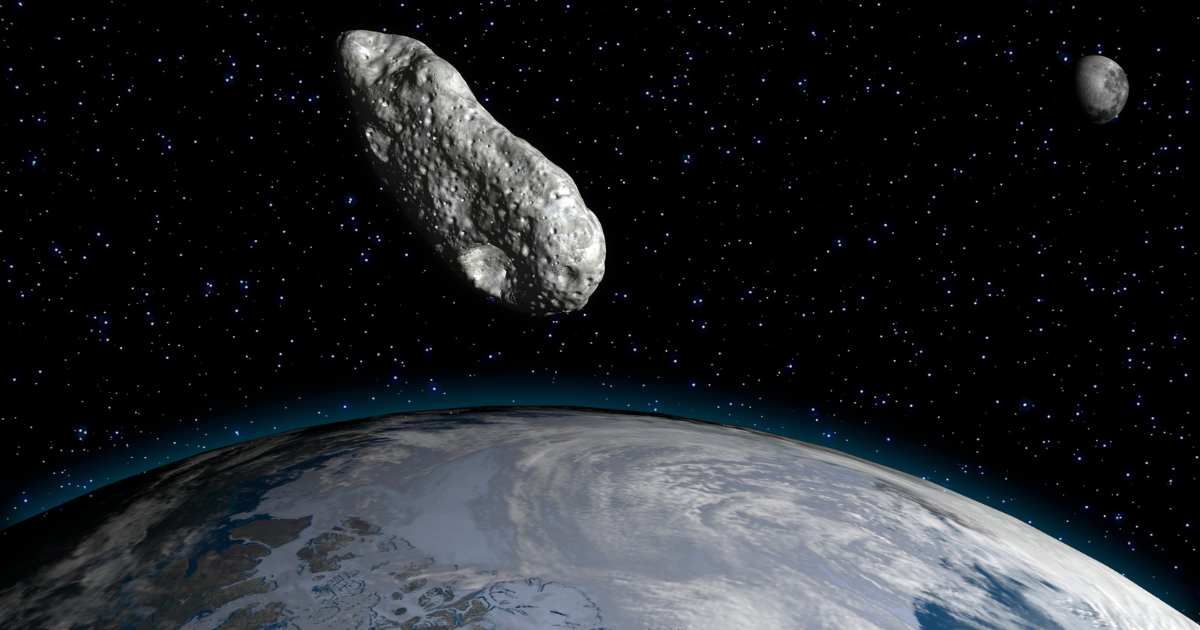
A massive asteroid, once considered a potential threat to Earth, is scheduled for a close but safe flyby on Thursday, September 18. The event will serve as a critical opportunity for scientists to test and refine their planetary defense capabilities, as mentioned by ESA.
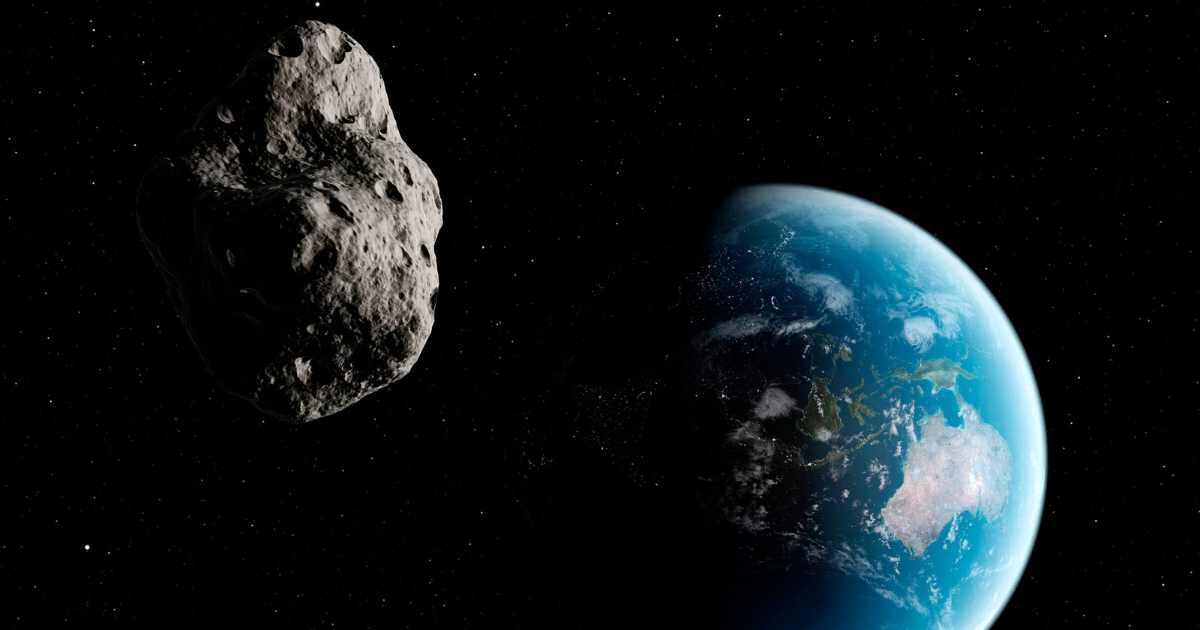
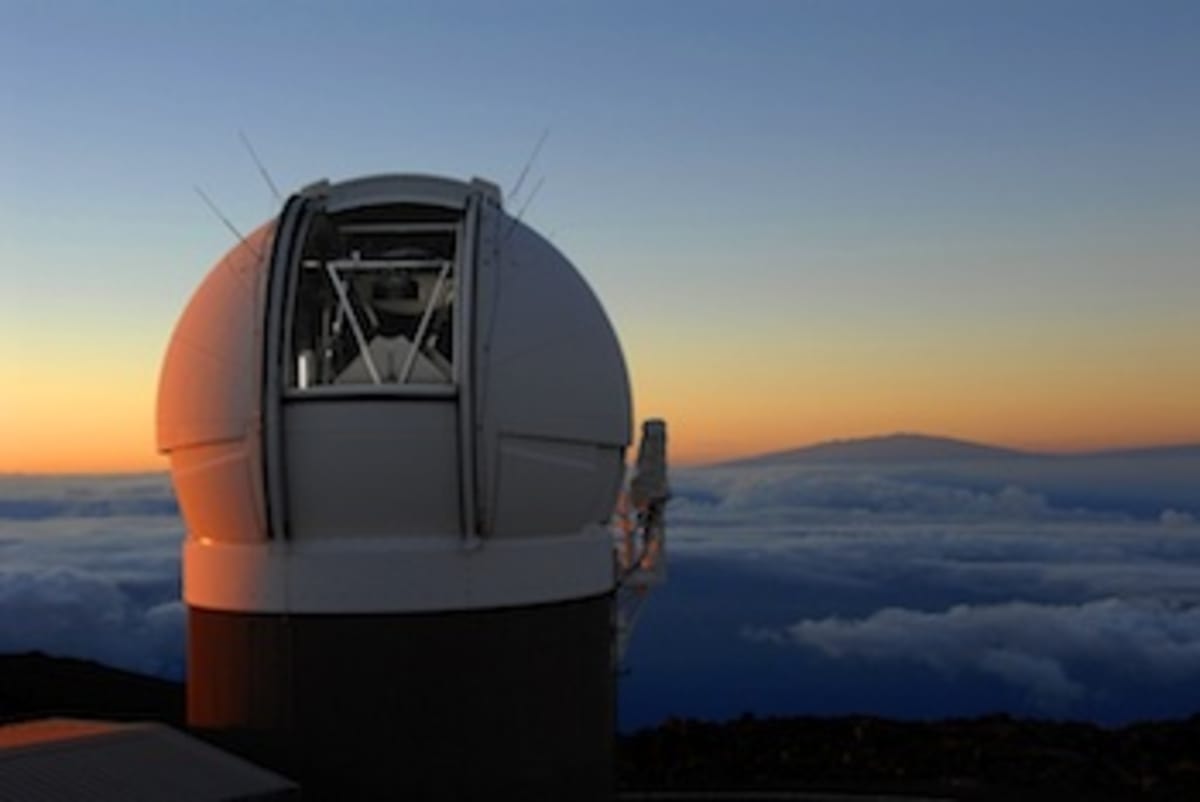
The asteroid, designated 2025 FA22, is estimated to be up to 130 and 290 meters across, roughly the height of a skyscraper. According to Minor Planet Center, it is set to make its closest approach at 07:41 UTC, passing at a distance of approximately 2.19 lunar distances. Discovered in March by the Pan-STARRS 2 telescope, initial tracking data from the European Space Agency (ESA) raised concerns, briefly placing it at the top of their risk list due to a small, non-zero chance of a 2089 impact. However, subsequent high-priority observations quickly allowed astronomers to recalculate its trajectory, and the object was officially cleared of any collision risk in May.
While no longer a threat, the close approach offers a rare chance for the global planetary defense community to practice its response. The International Asteroid Warning Network (IAWN) has organized a comprehensive campaign to study the asteroid's orbit and physical characteristics. This coordinated effort involves global collaboration and information sharing, with the ESA’s Near-Earth Object Coordination Center playing a leading role.
During the campaign, scientists will focus on two primary areas: astrometry, the precise measurement of the asteroid's position and motion, and polarimetry, a remote sensing technique that analyzes how sunlight scatters off its surface. Polarimetry helps determine the asteroid's texture, composition, and reflectivity, which are crucial factors in understanding how it might react to a deflection attempt in the future. This week's flyby provides a valuable real-world scenario to hone the skills and technology needed to protect Earth from a future cosmic impact. The event will be streamed live, allowing the public to witness this important scientific exercise.

The now-safe flyby will be shared with the public via a free livestream hosted by the Virtual Telescope Project, which will use a telescope in Manciano, Italy, to track the object, according to Live Science. The broadcast is set to begin at 11:00 PM EDT on Wednesday, September 17. During its closest approach, the asteroid is expected to reach an apparent magnitude of 13. This makes it just bright enough for a backyard telescope or a decent pair of stargazing binoculars to spot. You can use TheSkyLive.com to find its exact position in the night sky.
While this flyby is entirely harmless, astronomers are already looking ahead to a future close approach. After 2025, the asteroid is predicted to make the closest approach to Earth (though still not as close as in 2025) in 2100, but it would be harmless. However, the 2089 flyby is predicted to have some risk concerns, per the data shared by the European Space Agency's Space Safety Programme.
More on Starlust
Halley's Comet will return in 2061—for 1980s kids, it will be a full-circle moment
New comet SWAN25B discovered in September 2025—here are viewing tips and its likely coordinates