Halley's Comet will return in 2061—for 1980s kids, it will be a full-circle moment
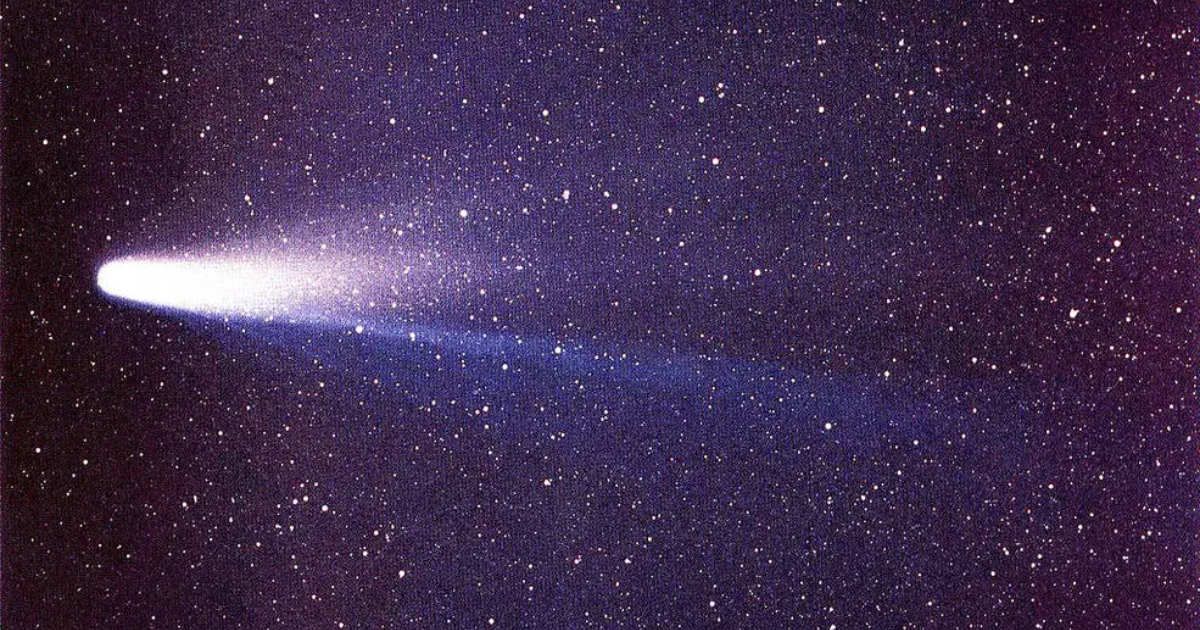
Halley's Comet, one of the most celebrated comets, is scheduled for a comeback in 2061, marking a generational milestone for those who witnessed its last appearance in 1986. This celestial event carries historical significance as it was the first comet identified as a recurring visitor to our solar system, according to NASA.
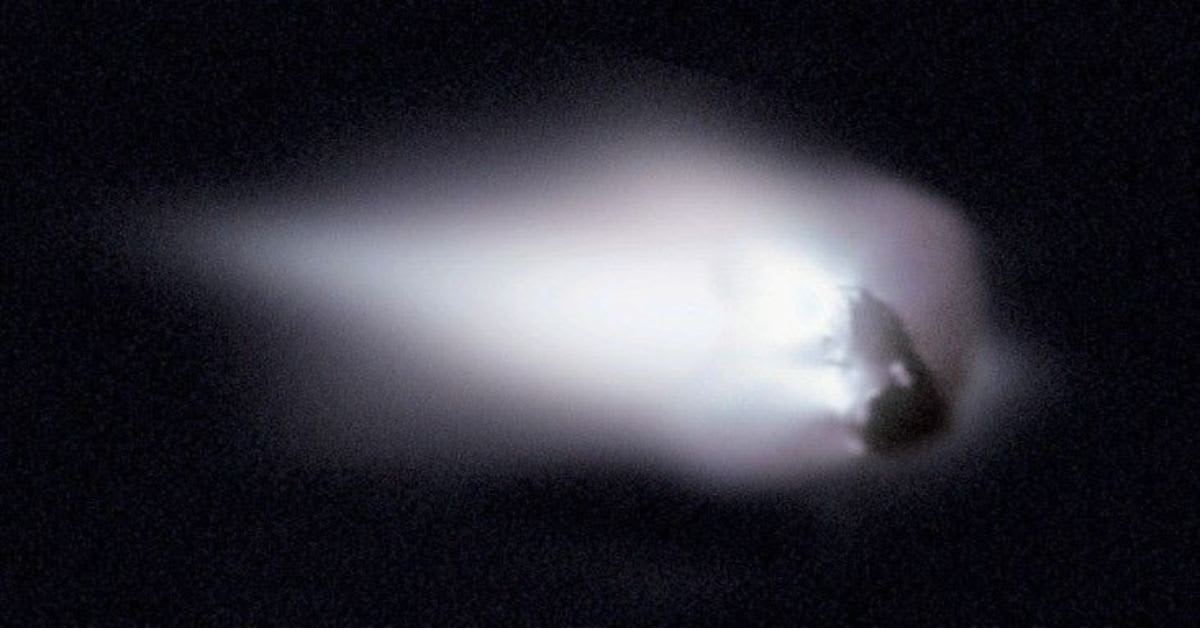
Scientists have successfully tracked its appearances for over two millennia. Its 1986 pass was a landmark event for space exploration, met by a fleet of international spacecraft for the first time. This unprecedented mission included the Soviet Union’s Vega 1 and Vega 2, Japan's Suisei and Sakigake, and the European Space Agency's Giotto, all of which provided invaluable data. NASA’s Pioneer probes also contributed to this historic scientific effort.
Before the 18th century, comets were believed to be one-time visitors. However, astronomer Edmond Halley revolutionized this understanding in 1705. Using Sir Isaac Newton's laws of motion, Halley observed the similar orbits of comets from 1531, 1607, and 1682, accurately predicting they were the same object and would return in 1758. This discovery established the concept of periodic comets, and the object was later named in his honor. Halley's Comet's historical sightings are well-documented, with a notable depiction in the Bayeux Tapestry chronicling the Battle of Hastings in 1066.

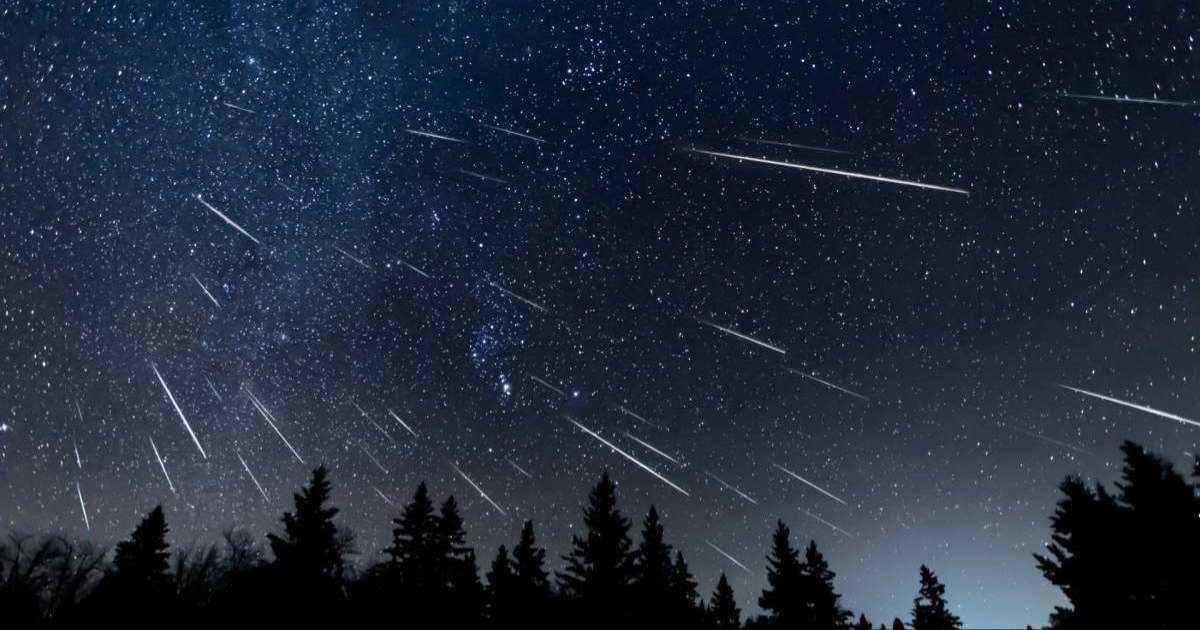
As Halley's Comet makes its regular journey, its nucleus sheds ice and rocky fragments. This trail of debris is responsible for two annual meteor showers: the Eta Aquarids in May and the Orionids in October. Measuring approximately 9.3 by 5 miles, Halley is one of the darkest objects in our solar system, reflecting a mere 3% of the sunlight it receives.
On its return journey, Halley's Comet is expected to cross the orbits of several planets before reaching its closest point to the Sun, or perihelion, on July 28, 2061, per Space.com. Its 20-year journey back to the inner solar system will see it first cross Neptune's orbit on May 7, 2041, followed by Uranus on May 1, 2053. It will then pass through the inner solar system, crossing the orbits of Saturn, Jupiter, and Mars before its closest approach to Earth's orbit on June 19, 2061. This predictable path is a testament to the scientific breakthroughs that began with Edmond Halley, allowing us to anticipate its arrival with remarkable precision.

For those who were underwhelmed by the comet’s last pass in 1986, the 2061 return promises a far more spectacular viewing opportunity. Its next appearance will be a mirror image of the last one. In 1986, Halley was out of sight on the opposite side of the Sun during its closest approach to Earth, making it a faint and disappointing sight for many, especially in the Northern Hemisphere.
This time, the comet will be in full view on the same side of the Sun as Earth during its mid-summer peak, appearing at least 10 times brighter. For people born after 1982, there's a strong chance to see it, with the average U.S. life expectancy at 79 years. During late spring and early summer, the comet will be visible in the morning sky, favoring viewers in the Northern Hemisphere. It will then rapidly descend into the evening sky in early August, where it should still be a noteworthy sight low in the west-northwest, though it will favor more southerly locations.
More on Starlust
New comet SWAN25B discovered in September 2025—here are viewing tips and its likely coordinates