New comet SWAN25B discovered in September 2025—here are viewing tips and its likely coordinates
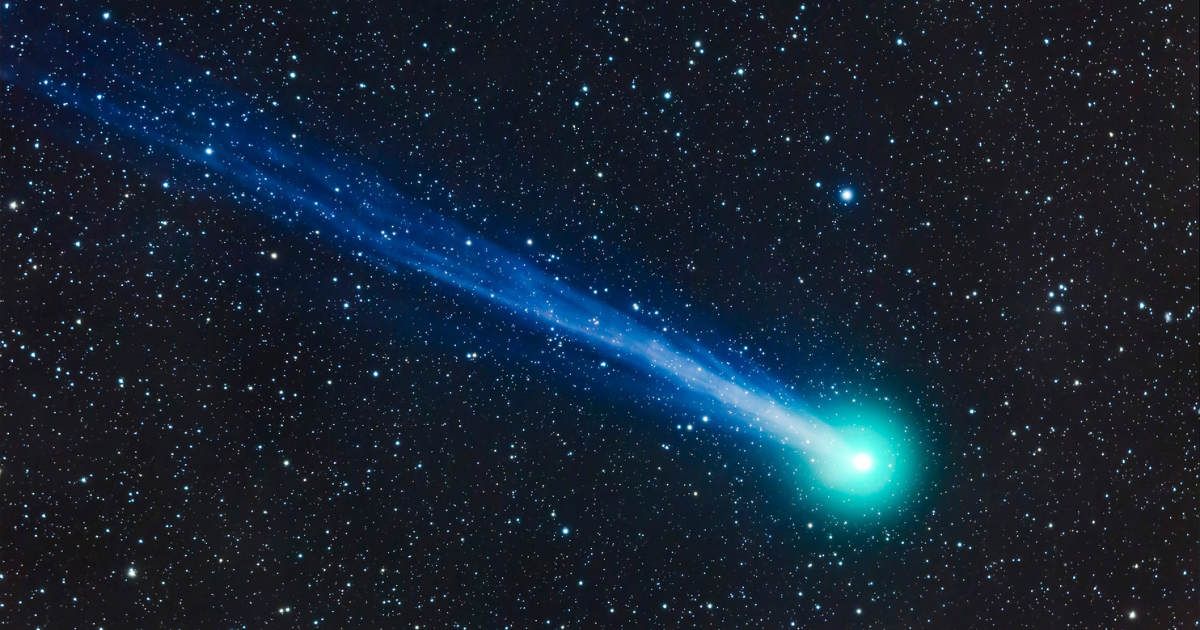
A newly identified comet, SWAN25B, is becoming a subject of interest for astronomers and enthusiasts worldwide after its recent discovery on September 12, 2025. The celestial body was first spotted by the Solar Wind Anisotropies (SWAN) instrument aboard the SOHO spacecraft. Initial observations have pegged its brightness at around magnitude 7, which is too faint for the naked eye but can be seen with binoculars or a camera equipped with a telephoto lens, according to EarthSky.org.
The comet is currently located within the constellation of Virgo. Its trajectory is under analysis, but early projections suggest it may be increasingly visible to observers in the Northern Hemisphere as it moves away from the sun’s glare. While its current position favors viewers in the Southern Hemisphere, its upward trajectory each evening offers hope for those in the north. SWAN25B is a temporary designation, with an official name pending from the International Astronomical Union. According to the Minor Planet Center, the comet's most recent coordinates are Right Ascension (RA) 13h 08.5m and Declination (Dec) -09° 10'. These are astronomical coordinates, with RA representing celestial longitude and Dec celestial latitude.

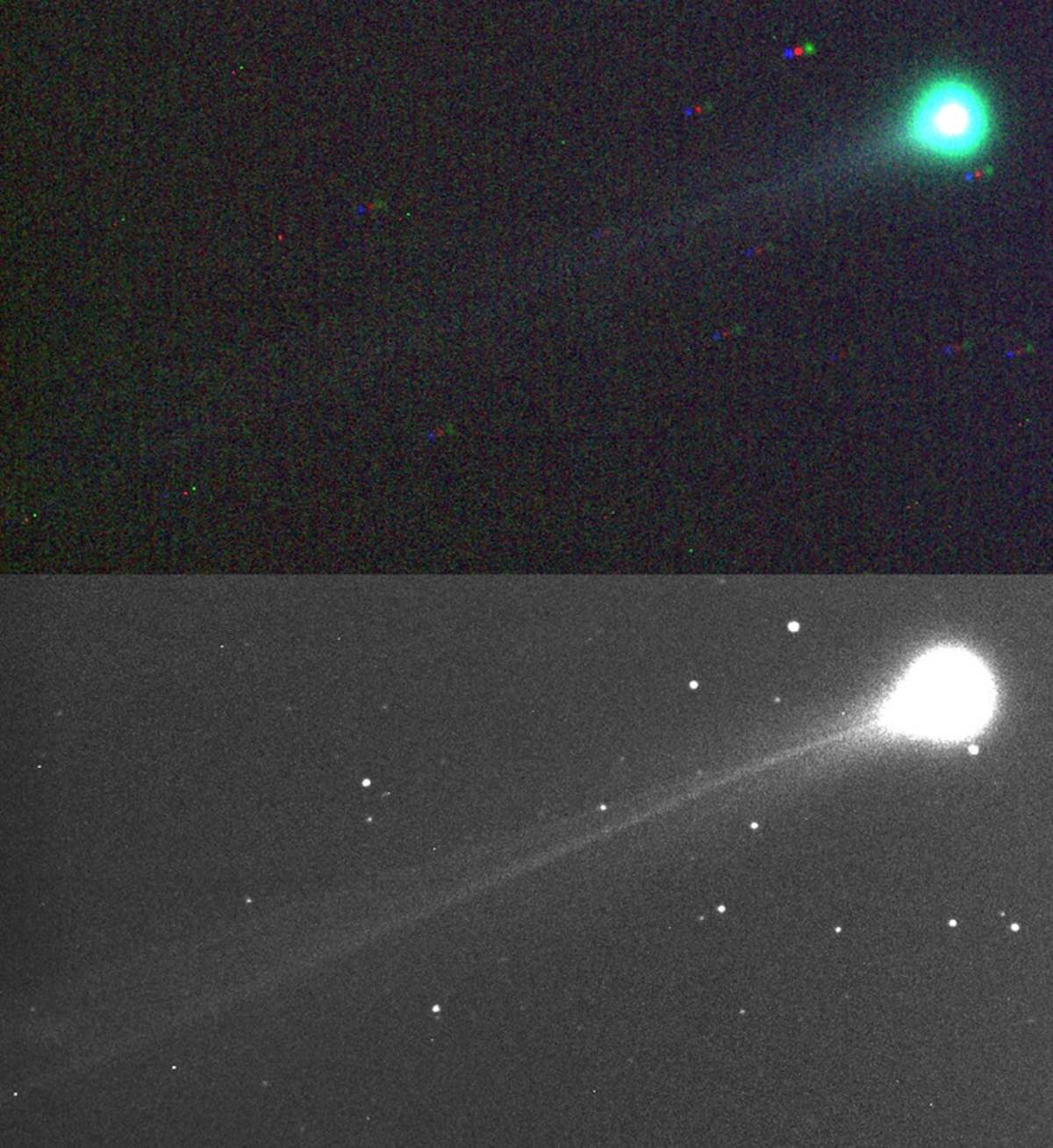
Recent images, including one captured by Australian comet expert Michael Mattiazzo on September 14, reveal an impressive tail extending approximately 2.5 degrees, roughly five times the apparent diameter of a full moon, per EarthSky.org. However, because cameras are more sensitive than the human eye, this does not mean the tail will be as prominent in visual observations. Mattiazzo and other observers note that the comet's brightness has already increased to approximately magnitude 6.9. While still a challenging target, observers in Mexico and Arizona have already succeeded in capturing faint images, hinting that the comet could soon be a viable viewing target for more sky-watchers across the U.S.
According to Space Weather, an expert tip for finding the recently discovered comet, SWAN25B, is to point your telescope toward the star Spica. A gaseous plume below the first-magnitude star serves as a guide, leading directly to the comet. This method was successfully used by observer Ujvárosi Beáta, who captured an image on September 14 using a remote-controlled telescope in Namibia. "Using a remote-controlled telescope in Namibia, I took a quick image hoping to catch all of the tail of this newly-discovered comet," Beáta said. "The FSQ106 telescope has a huge field of view (3° 54' x 2° 38'), but still, it looks like the tail is too long to fit into the image."
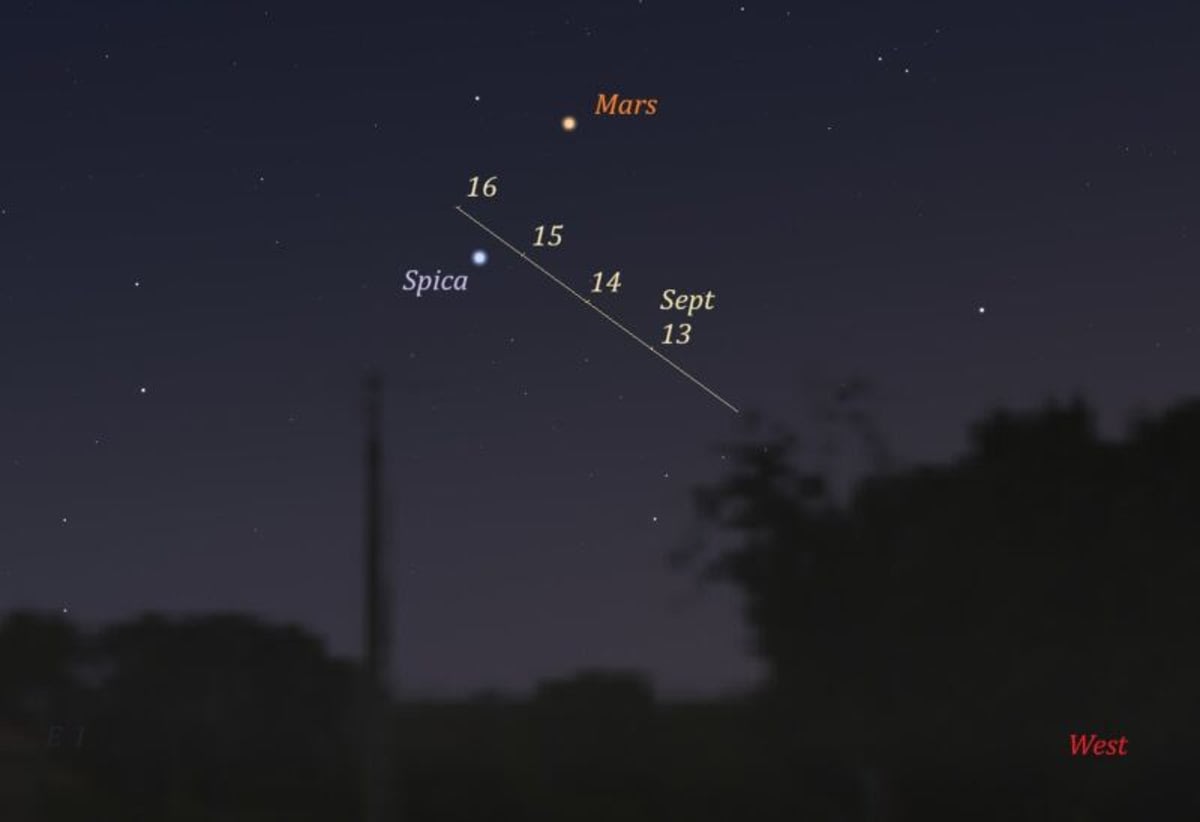
The comet’s emergence from behind the sun last week took astronomers by surprise. It was first spotted on September 11 by amateur astronomer Vladimir Bezugly, who noticed it in images from the SWAN camera. The camera specializes in mapping hydrogen in the solar wind, leading to speculation that the comet is rich in the element. In a matter of days, the comet has tripled in brightness, now nearing 6th magnitude, which is on the cusp of naked-eye visibility. However, for now, only observers in the Southern Hemisphere have a clear view. While its orbit is still being calculated, initial astrometry data suggest a potential close approach to Earth in mid-October, at a distance of 0.25 AU. If these projections hold right, the best is yet to come for this celestial visitor.
More on Starlust
Our third interstellar visitor, comet 3I/ATLAS, has a largely carbon dioxide-infused 'coma'