NASA confirms a plane-sized asteroid will pass Earth on July 28: 'If there were a threat...'
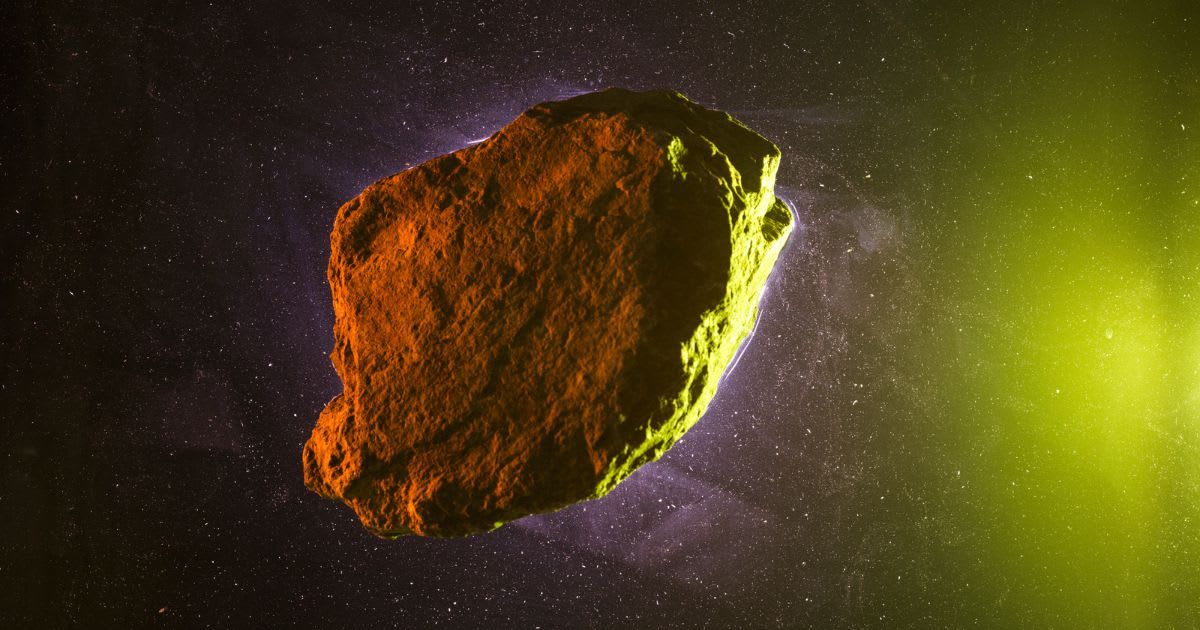
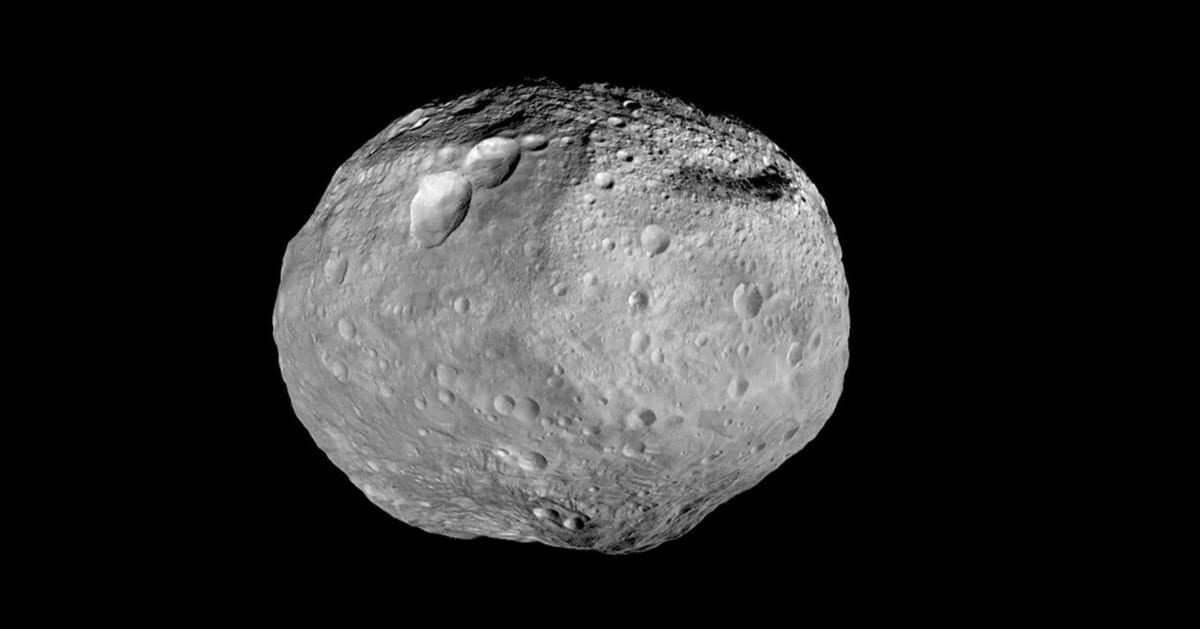
A sizable asteroid, designated 2025 OW, is scheduled for a close but harmless flyby of Earth in the last week of July, NASA announced. Despite its considerable dimensions, estimated at 210 feet (approximately 64 meters), roughly the length of a passenger jet, experts assure the public that this event is a routine celestial occurrence, posing no threat to our planet, as mentioned on ABC News.
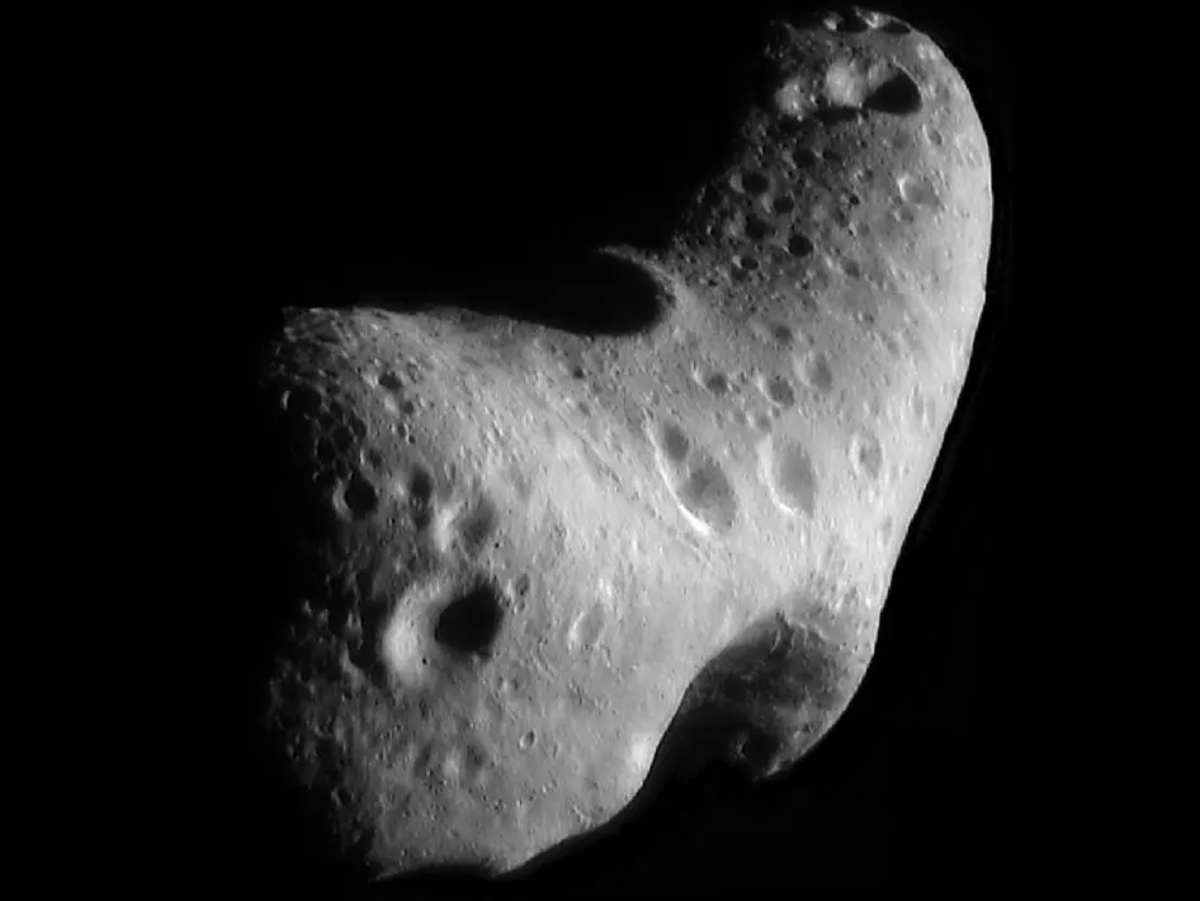
Set for July 28, asteroid 2025 OW will pass at a distance of about 393,000 miles (632,000 kilometers), a span roughly 1.6 times the average distance to the Moon. Traveling at an astonishing speed of 46,908 miles per hour (75,494 kilometers per hour), its trajectory is well-understood by scientists. "This is very routine," Ian J. O'Neill, media relations specialist at NASA's Jet Propulsion Laboratory (JPL). "If there were a threat, you would hear from us. We would always put out alerts on our planetary defense blog."
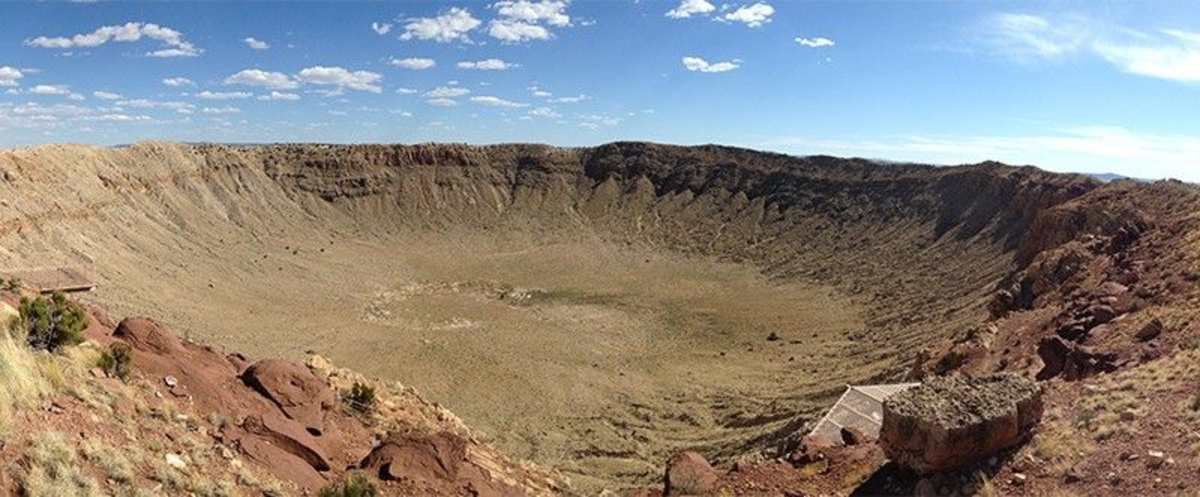
Davide Farnocchia, an asteroid expert with the Center for Near-Earth Object Studies (CNEOS), reiterated that such close approaches are a common aspect of our solar system's dynamics. His team consistently tracks multiple near-Earth objects; indeed, five are currently under observation for next week alone. While 2025 OW is significant enough to warrant scientific interest, its predictable orbit ensures it presents no danger.
For aspiring stargazers, 2025 OW will not be visible without specialized equipment. However, Farnocchia highlighted a far more dramatic event on the horizon: the 2029 approach of asteroid Apophis. This considerably larger asteroid, measuring approximately 1,115 feet (340 meters), is projected to come within 38,000 kilometers (23,600 miles) of Earth in April 2029, which is closer than many geostationary satellites. Due to its exceptional proximity, Apophis is expected to be visible to the naked eye, offering a rare public viewing opportunity.
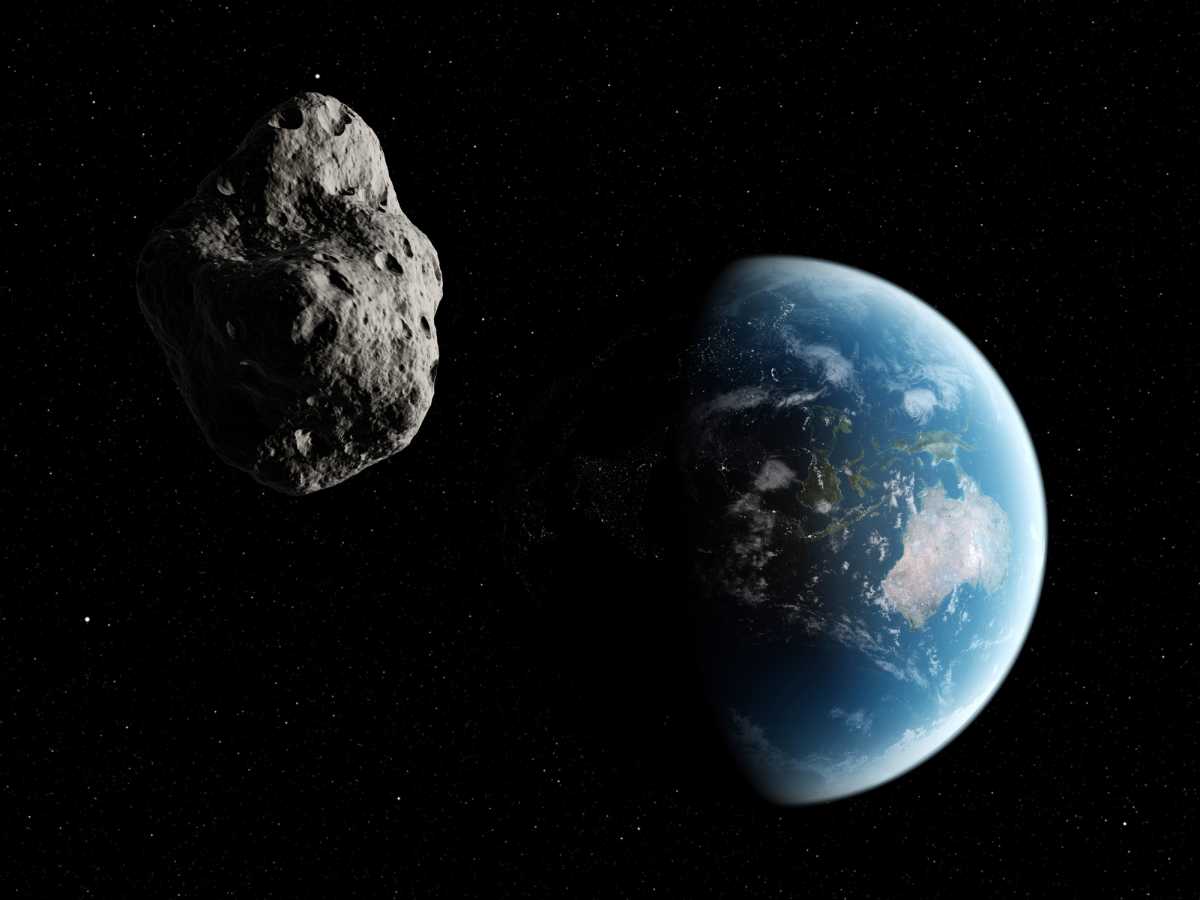
Both O'Neill and Farnocchia emphasized that while Earth is constantly bombarded by about 100 tons of space material daily, the vast majority consists of harmless dust. Significantly, potentially hazardous impacts from larger objects are exceedingly rare. "For an object the size of 2025 OW, while close approaches might happen yearly, an actual Earth impact would only occur roughly every 10,000 years," Farnocchia noted.
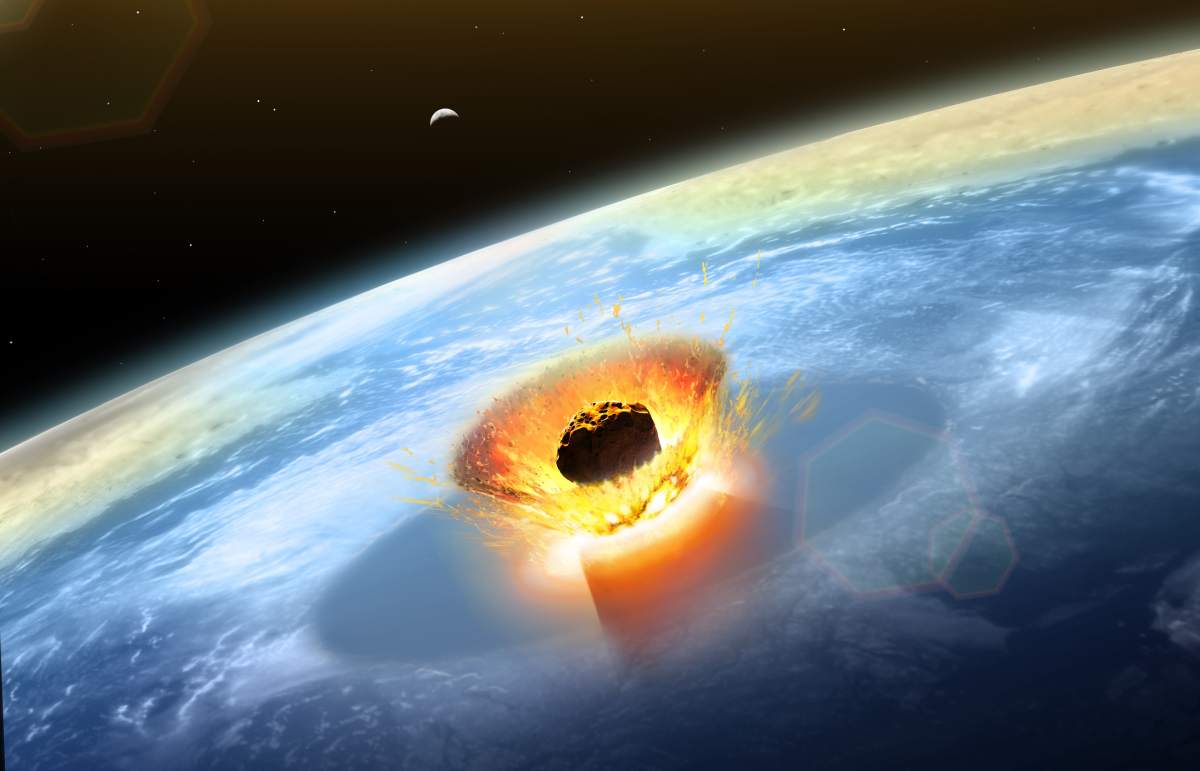
In related news, a recently discovered asteroid, 2024 YR4, is generating increased attention among astronomers due to a notable rise in its calculated probability of striking Earth in December 2032, as per ABC News. Discovered just after Christmas, the likelihood of an impact from 2024 YR4 has more than doubled in recent weeks. Initially, when its detection was announced in January 2025, the projected probability of impact was a modest 1.3%. However, this figure has since climbed to 3.1%. While still considered a low overall probability, Farnocchia described a greater than 2% chance of an asteroid strike as "uncommon." "Getting something with a probability ... like 2% is high for us," he commented.
On the Torino scale, a method used to categorize the impact hazard of near-earth objects, 2024 YR4 currently ranks at three out of 10. Farnocchia noted that most space objects typically register a zero on this scale. The object was identified in late December during a close approach to Earth and is currently moving away from our solar system.