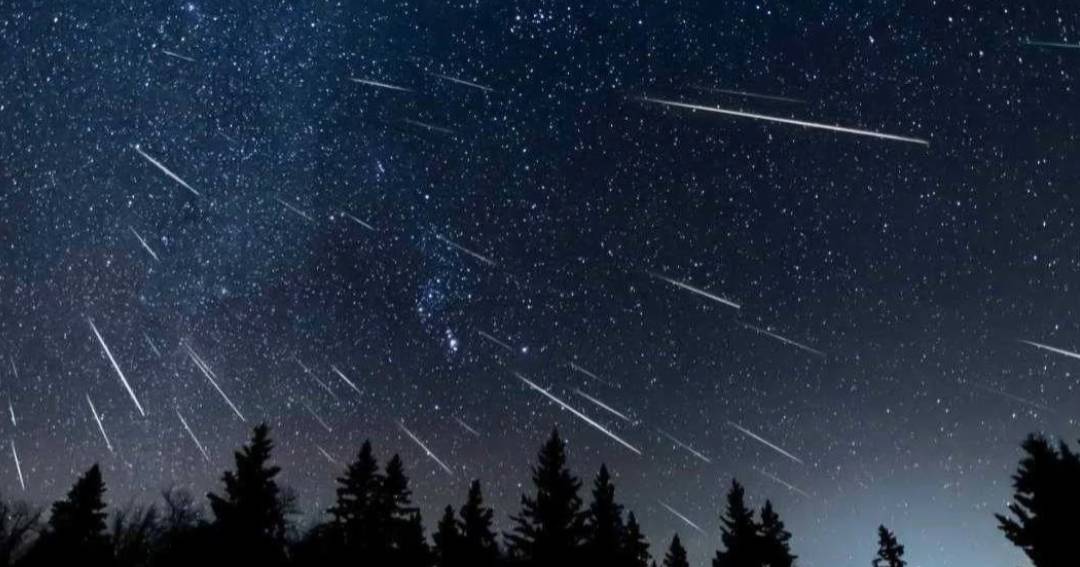
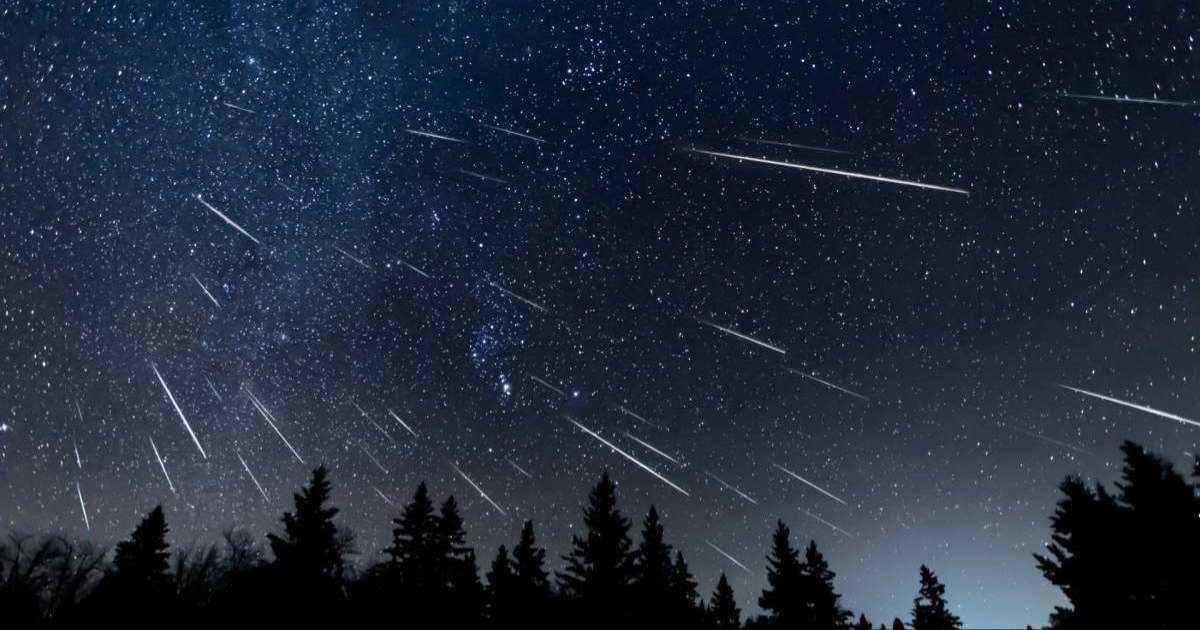
The special Northern Taurids meteor shower peaks tonight—how and when to watch it
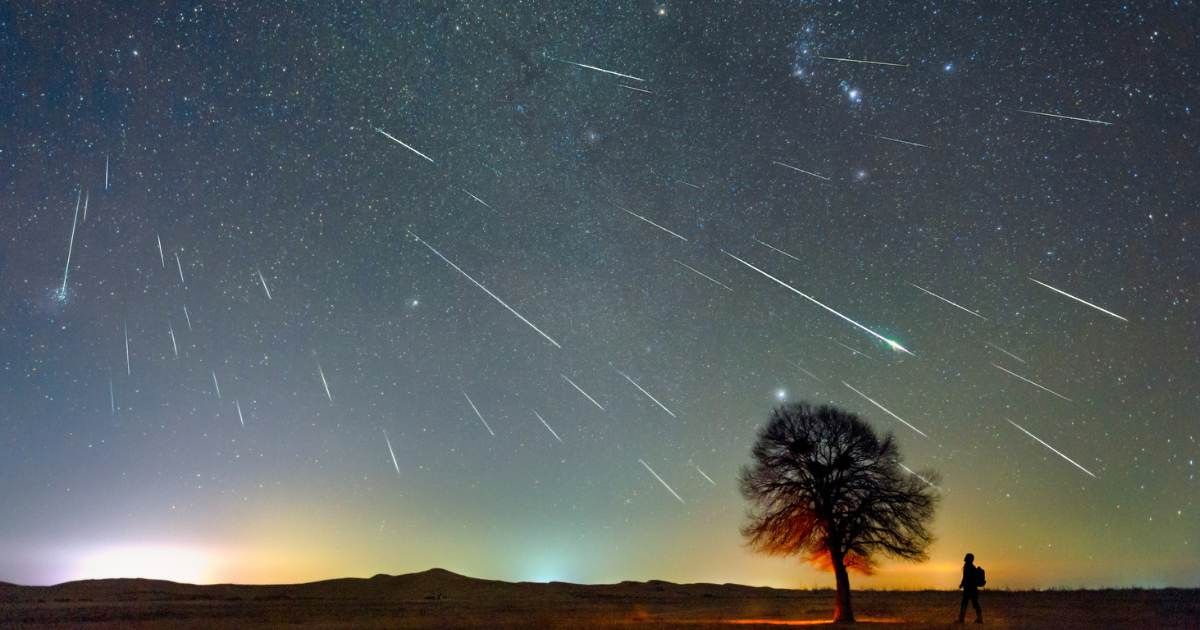
The Northern Taurids meteor shower is set to reach its maximum activity around November 11-12, 2025, though observers should keep their expectations moderate for a spectacular display. The event, which is active from late October through early December, is known for its low yield, typically producing a maximum of just five meteors per hour (ZHR 5), according to Starwalk.

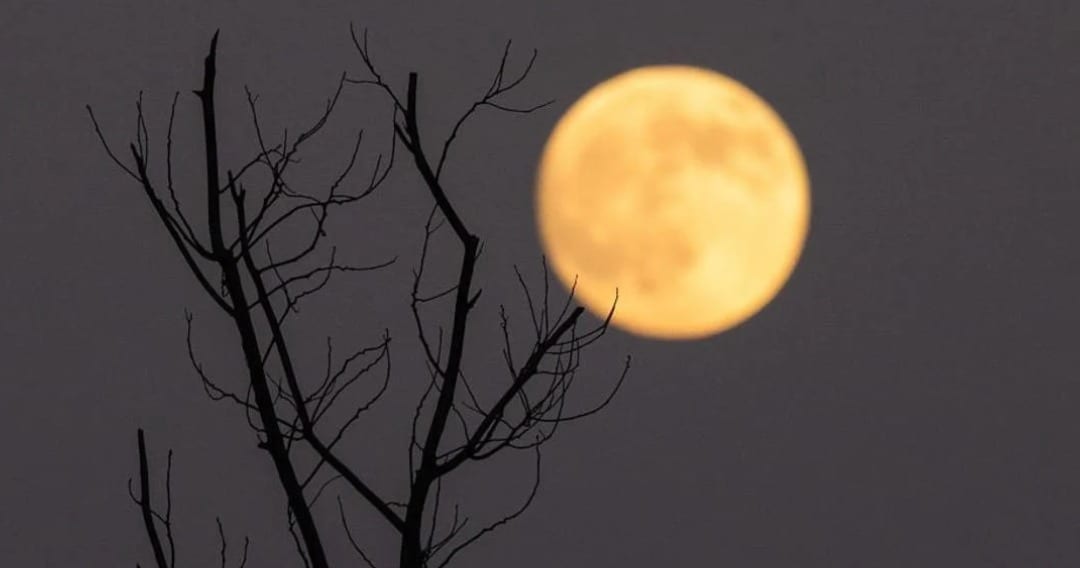
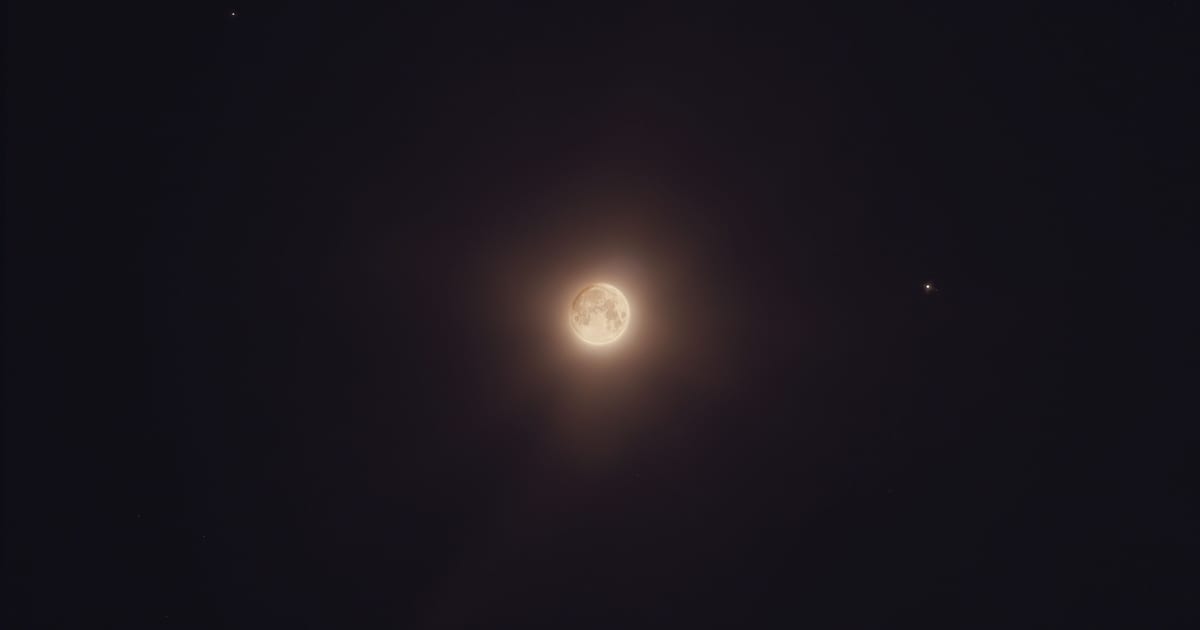
Despite the limited quantity, the Northern Taurids hold a special distinction for generating a high number of brilliant fireballs. This year, experts from the International Meteor Organization (IMO) predicted a potential surge in brighter Taurids approximately one week prior, around November 3. However, this period unfortunately coincided with a near Full Moon (61% illumination at peak), meaning that the bright lunar glare significantly hampered visibility for observers hoping to catch the enhanced activity.
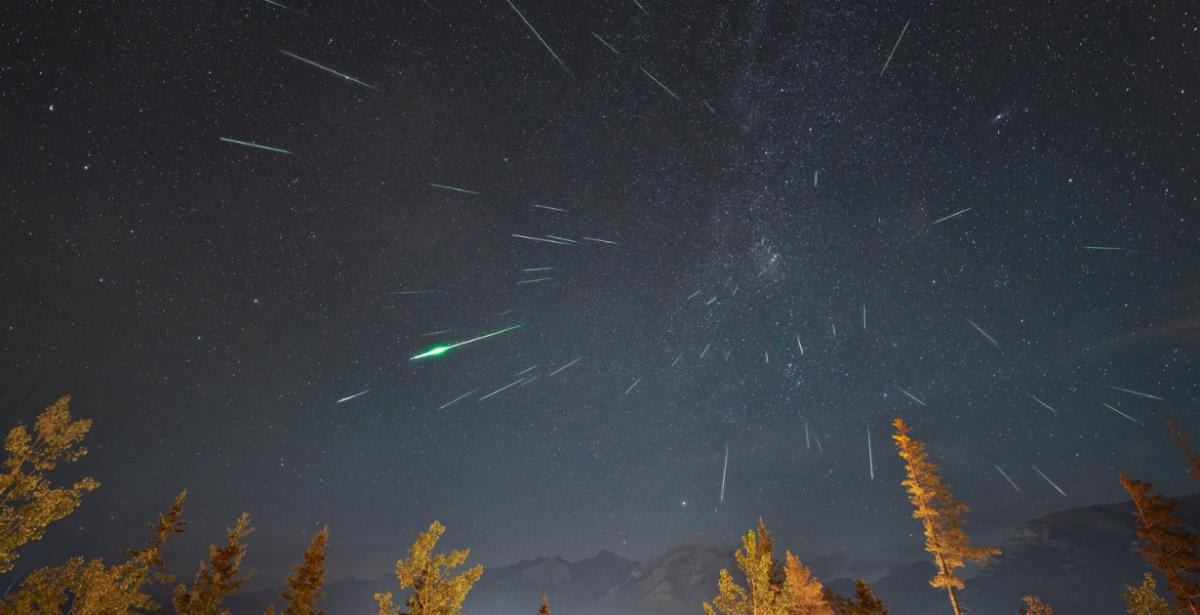
The stream's radiant, the point from which the meteors appear to originate, is situated in the constellation Taurus and is visible globally. According to the American Meteor Society, these slow-moving cosmic fragments enter the atmosphere at a moderate speed of about 18 miles per second (29 km/sec).
Unlike most meteor showers that offer a brief window of visibility, the Taurids boast one of the longest durations, with meteors visible from mid-October right into mid-November. The period between November 5 and November 12 traditionally offers the best chances to spot these slow, majestic meteors, per Space.com. Unfortunately, the 2025 display was initially severely hindered by a brilliant Moon. The Full Moon occurred on November 5, flooding the night sky and effectively washing out all but the most luminous meteors. However, viewing conditions are now incrementally improving. As the Moon has waned in brightness and shifted in its rise time, reaching its Last Quarter on Wednesday, November 12, it has created a widening window of dark sky hours.
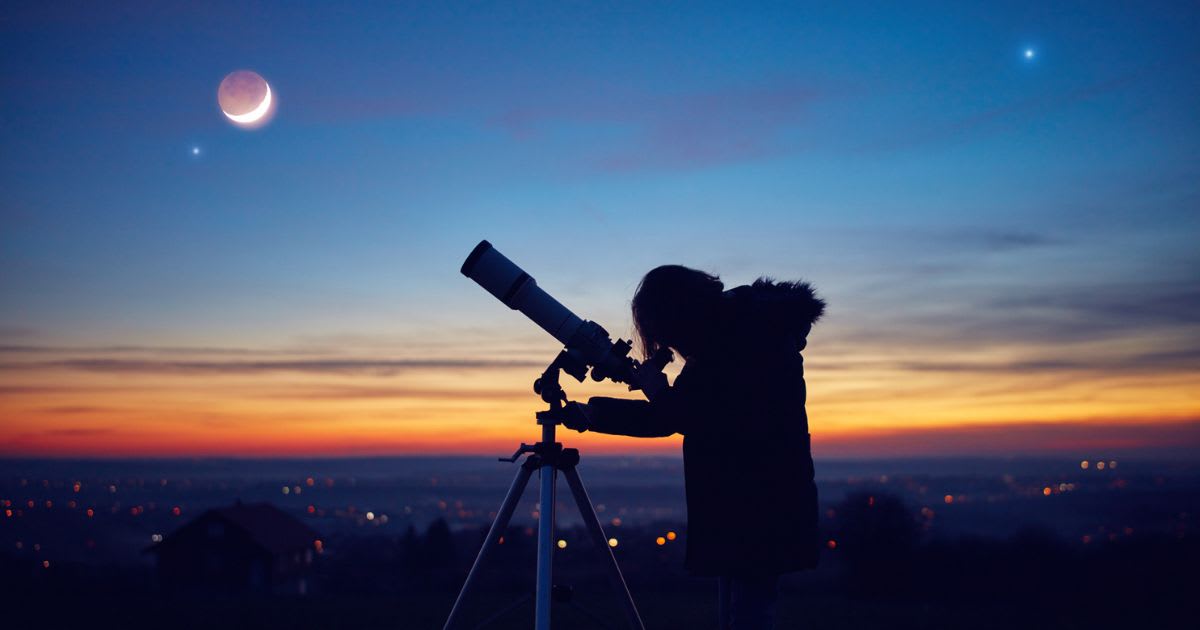
Optimally, Wednesday night (November 12) is shaping up to be the most favorable night for observers. This evening will offer approximately four hours of dark, moonless skies before the Moon rises just after midnight, early Thursday morning. During these moonless hours, observers may spot up to 15 meteors per hour, often described as having a yellowish-orange color and a characteristically slow speed. They appear to radiate from the constellation Taurus, the Bull, which can be located low in the east a couple of hours after sunset and moves nearly overhead by 1:30 a.m.
The Northern Taurids are remnants of the extensive Taurid stream, a debris field with a fascinating history tied to the Encke Complex. According to Earth Sky, scientists link the meteor shower's parent body not directly to the famous Comet 2P/Encke, but to the related asteroid 2004 TG10. Astronomers theorize that the asteroid, discovered in 2004, and periodic Comet Encke were once fragments of a much larger, singular object. The prevailing theory suggests that roughly 20,000 years ago, a colossal parent body fractured, dispersing the components that now form the Encke Complex, which includes the Northern Taurids, Comet Encke, and several related asteroids. This lineage highlights the dynamic and ancient history of the material currently traversing Earth's orbital path, marking a subtle yet significant celestial event.
More on Starlust
Watch out for fireballs as Taurid meteor shower 2025 set to begin on October 20