Bootid meteor shower to light up the night sky on June 27 — a treat for stargazers

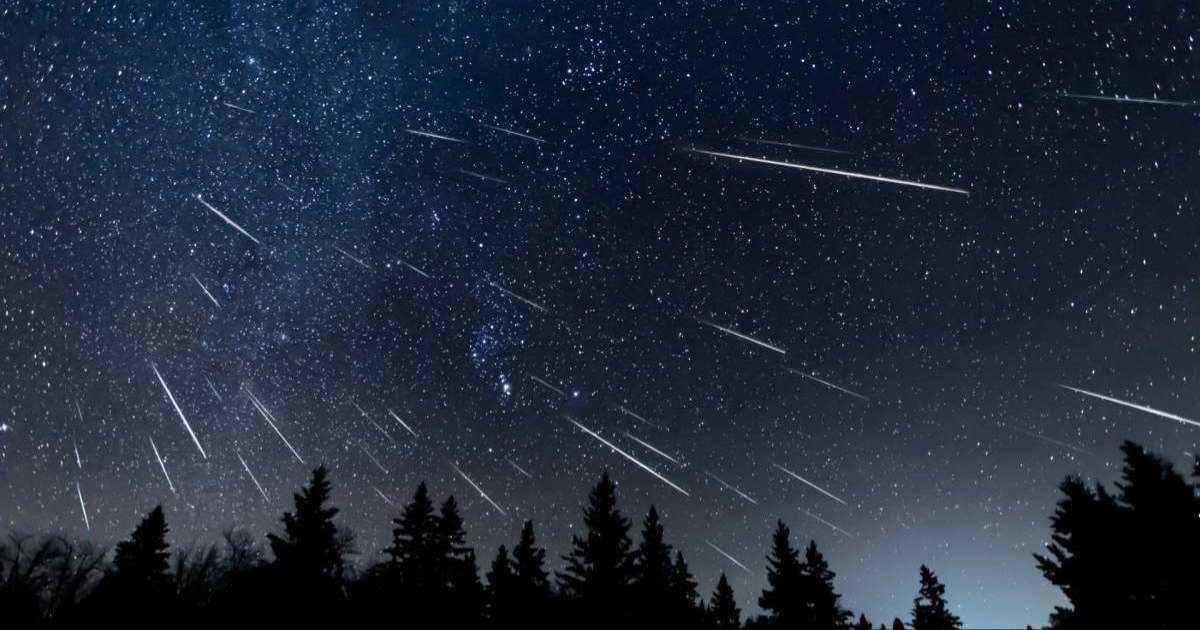
Stargazers are preparing for the annual Bootid meteor shower, which is expected to reach its maximum visibility around June 27. This celestial event, characterized by incandescent streaks across the night sky, results from Earth's annual passage through ancient cosmic debris, as mentioned on Space.com.

According to NASA, our planet daily accumulates approximately 48.5 tons of material from the early solar system. These particles ignite upon atmospheric entry, creating the luminous trails commonly known as meteors. This phenomenon intensifies into a "meteor shower" when Earth intersects the orbital path of a comet, encountering the dust and rock fragments it has shed. The June Bootids are specifically linked to Comet 7p/Pons-Winneckle, a 3.1-mile-wide icy body.
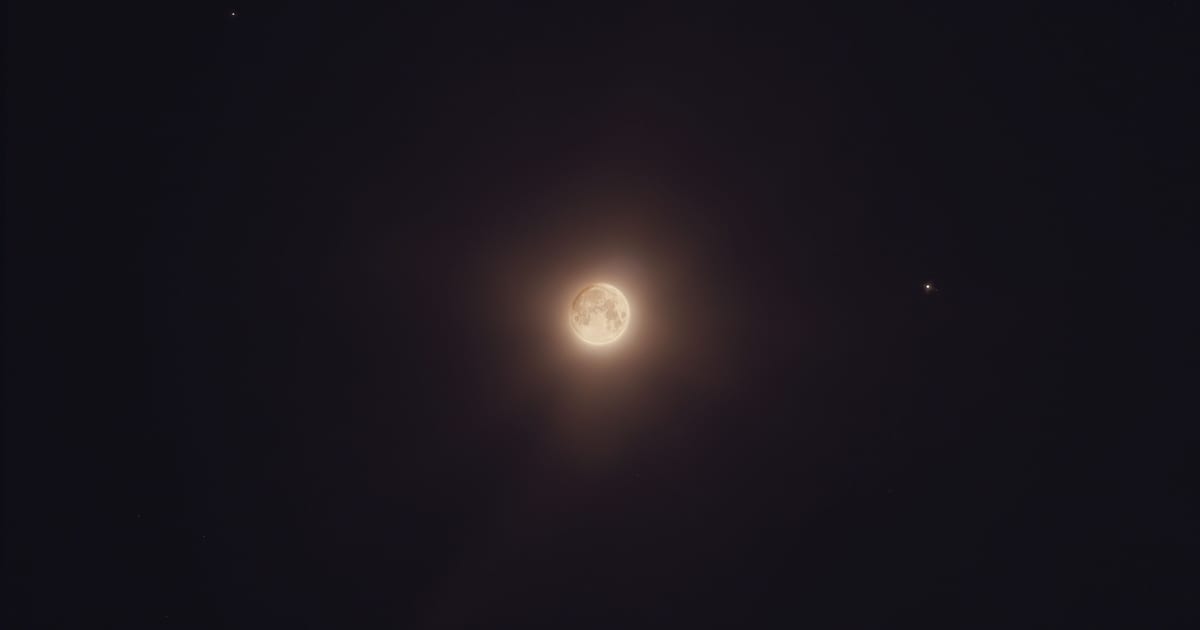
The International Meteor Organization confirms the Bootid shower's activity period spans from June 22 to July 2. During this window, meteors appear to originate from a specific point, or "radiant," within the constellation "Bootes," hence the shower's designation. On June 27, the radiant will remain above the horizon throughout the night. However, in-the-sky.org advises that the prime viewing hours will be immediately after dusk, as the radiant will be highest in the sky just before sunset. Fortuitously, the moon will be nearing its new phase, ensuring optimal dark sky conditions for observing these transient interplanetary visitors.

Despite the favourable viewing conditions, aspiring meteor watchers should temper their expectations. The American Meteor Society classifies the June Bootids as a "Class III' variable meteor shower. This designation indicates that while the shower can occasionally produce "strong activity," it is equally likely to yield only a single visible meteor per hour. In contrast, major showers like the Perseids or Geminids can deliver over 100 meteors per hour at their peak.

For those hoping to maximize their chances of spotting the longest meteor trails, experts recommend looking approximately 40 degrees away from the radiant in the direction of the zenith. A practical guide for estimating this angle involves holding a clenched fist at arm's length, which approximates a 10-degree angle. Therefore, positioning oneself to view roughly four fist-widths above the constellation Bootes, which can easily be located with a smartphone stargazing application, offers the most promising observation area.

Beyond the meteor shower, June presents another compelling astronomical opportunity for Northern Hemisphere observers: the peak "core season" for viewing the Milky Way galaxy. During this period, the brilliant central region of our own galaxy becomes exceptionally discernible. To fully appreciate this celestial marvel, enthusiasts are advised to seek out secluded locations, far removed from the obscuring effects of urban light pollution.

As articulated by NASA's Jet Propulsion Laboratory (JPL), "This is the time of year when the Milky Way is visible as a faint band of hazy light arching across the sky all night. You just need to be under dark skies, away from bright city lights, to see it." JPL further clarifies that what we perceive is the bright central core of our home galaxy, seen edge-on, from our position within the galaxy’s disk.” While it may seem counterintuitive to observe our galaxy from within, our perspective differs significantly from external photographs of other galaxies like Andromeda, which depict an entire, spiraling structure. Our view of the Milky Way is intrinsically from the interior looking outward.