James Webb Space Telescope provides never-seen-before map of the universe
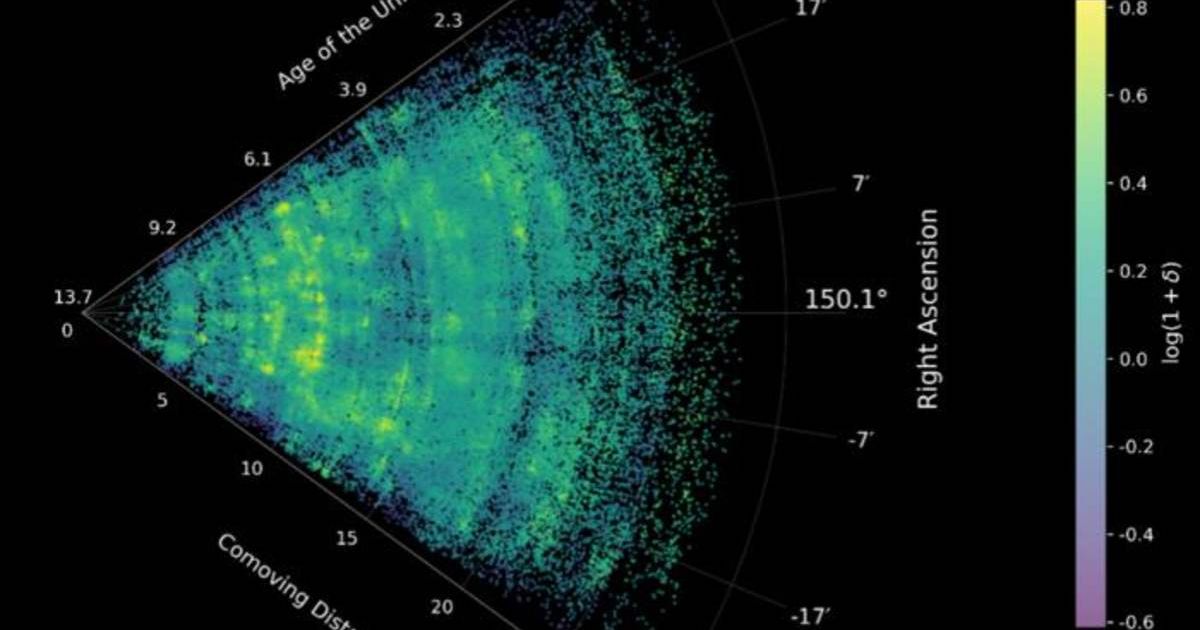
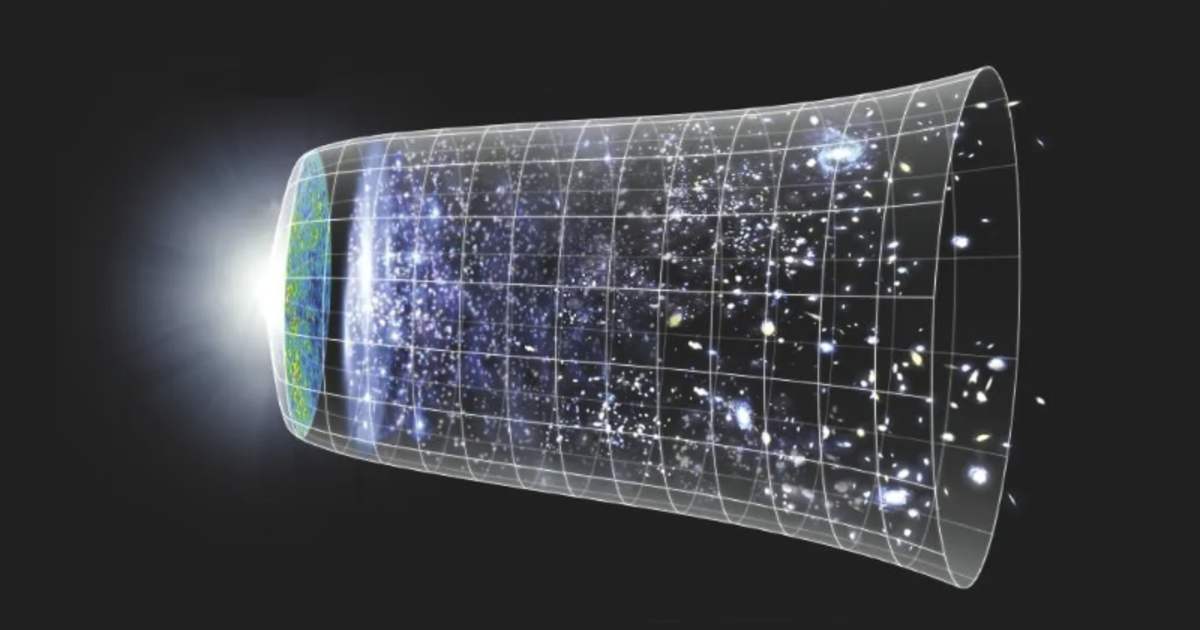
The universe has undergone immense evolution since its birth. Over the years, it has formed a web, a vast architecture made of galaxies and their clusters that are still shaped by gravity and invisible dark matter. Now, a research team at the University of California Riverside (UCR) has produced the clearest portrait yet of that hidden architecture – and the view is astonishing. The study, published in The Astrophysical Journal, used the extraordinary power of the James Webb Space Telescope (JWST) to provide the most detailed map ever made of the cosmic web. This map helped the researchers to peer back in time to a point when the universe was only one billion years old.
Astronomers have mapped pieces of this web before, especially using the Hubble Space Telescope. Earlier observations often blurred together fine structures or missed faint galaxies entirely. But the JWST changes the game. Since its launch in 2021, JWST’s sensitivity and sharpness have changed the trajectory of research on astronomy. Its powerful infrared visions can detect even faint, distant galaxies that were invisible to earlier observatories, allowing scientists to see further back in time. Harnessing the power of this telescope, the researchers conducted a survey – the COSMOS WEB, the largest General Observer (GO) program.
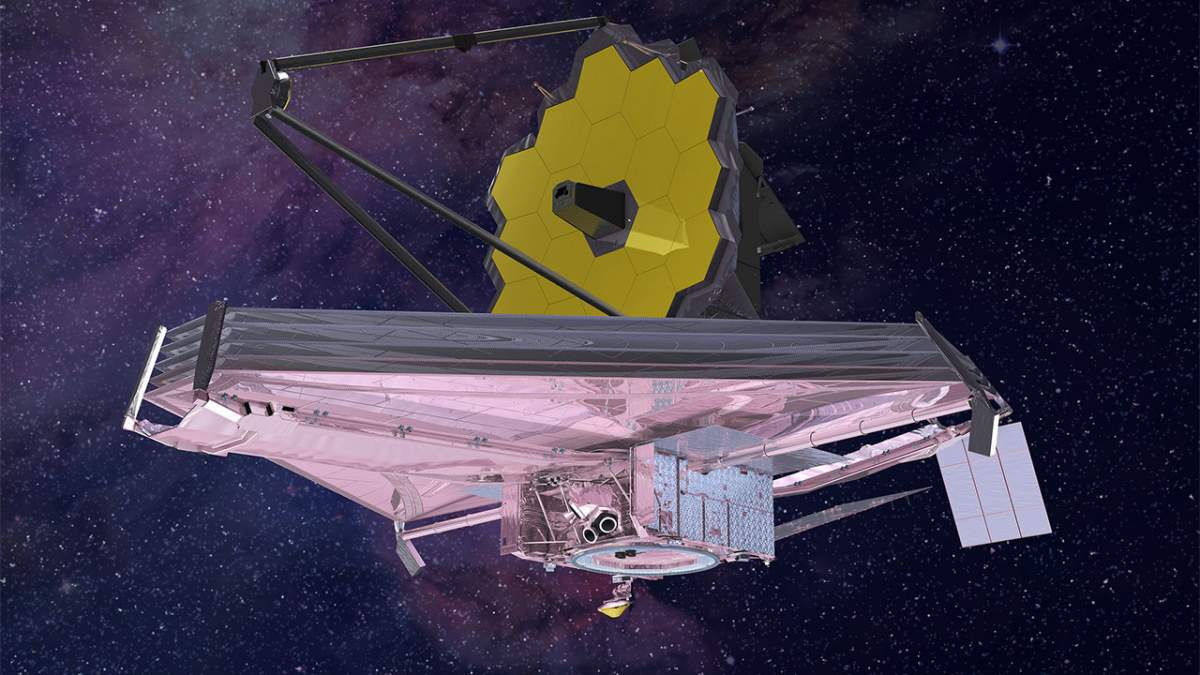
The researchers gained access to the telescope by using the GO program. They aimed to trace how galaxies form a network across 13.7 billion years of cosmic history. The survey allowed them to chart the deep universe across an area of sky roughly equal to three full Moons placed side by side. “JWST has completely changed our view of the universe, and COSMOS-Web was designed from the start to give us the wide, deep view we need to see the cosmic web,” said Hossein Hatamnia, a graduate student at UCR and Carnegie Observatories, and lead author of the study, in a statement. “For the first time, we can study the evolution of galaxies in cluster and filamentary structures across cosmic time, all the way from when the universe was a billion years old up to the nearby universe.”
This means that the team has been able to figure out how cosmic structures evolved from the earlier time of the universe up to nearby universe. The nearby universe refers to our cosmic neighborhood that lies within approximately 1 billion light-years. “The jump in depth and resolution is truly significant, and we can now see the cosmic web at a time when the universe was only a few hundred million years old, an era that was essentially out of reach before JWST,” said Bahram Mobasher, a distinguished professor of physics and astronomy at UCR and Hatamnia’s advisor. “What used to look like a single structure now resolves into many, and details that were smoothed away before, are now clearly visible.”
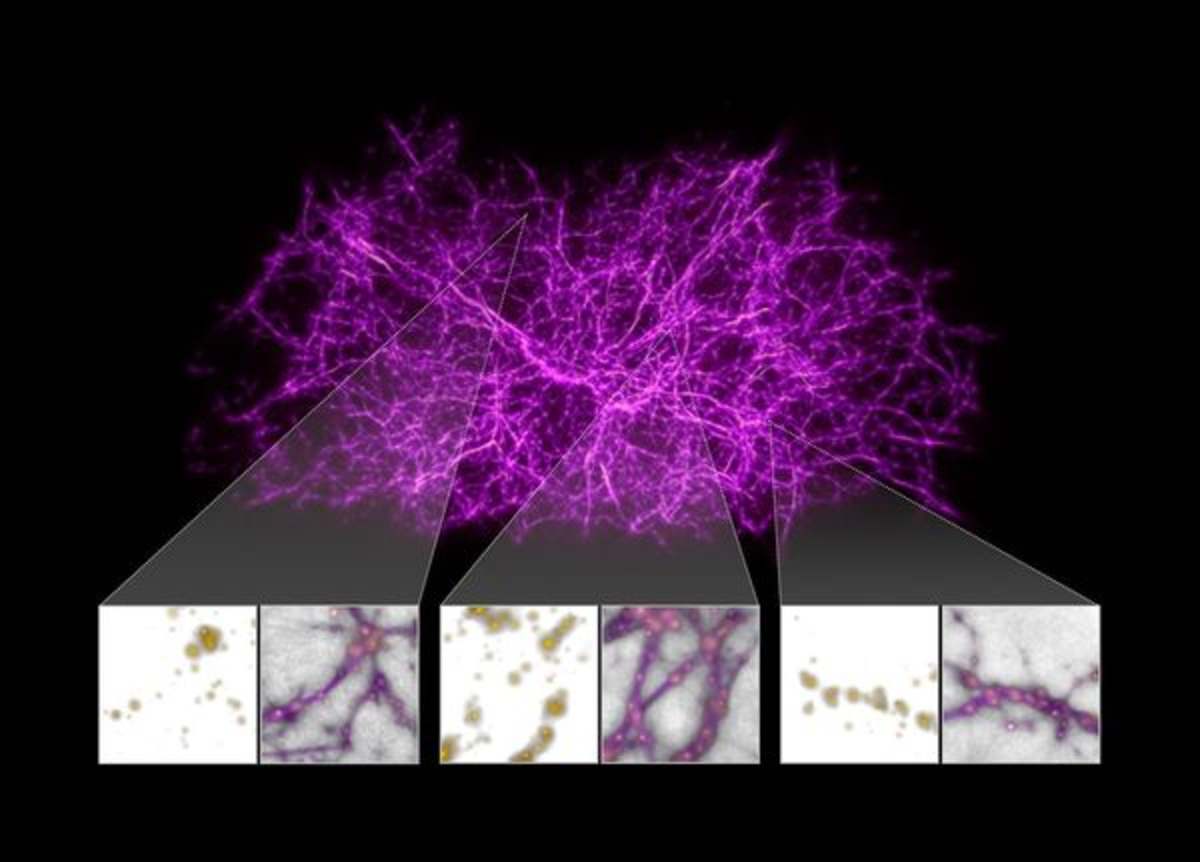
“The telescope detects many more faint galaxies in the same patch of sky, and the distances to those galaxies are measured far more precisely,” Hatamnia said. To retain the tradition of open science, the researchers are releasing the large-scale structure maps publicly. “The pipeline used to build the map, the catalog of 164,000 galaxies and their cosmic density, and a video showing the cosmic web evolving across billions of years, has been released to the public,” Mobasher said.
More on Starlust
Cosmologist explains how the oldest Milky Way stars gave away the age of the universe
Tiny satellite galaxies orbiting the Milky Way could reveal the 'climate' of the early universe