Tiny satellite galaxies orbiting the Milky Way could reveal the 'climate' of the early universe
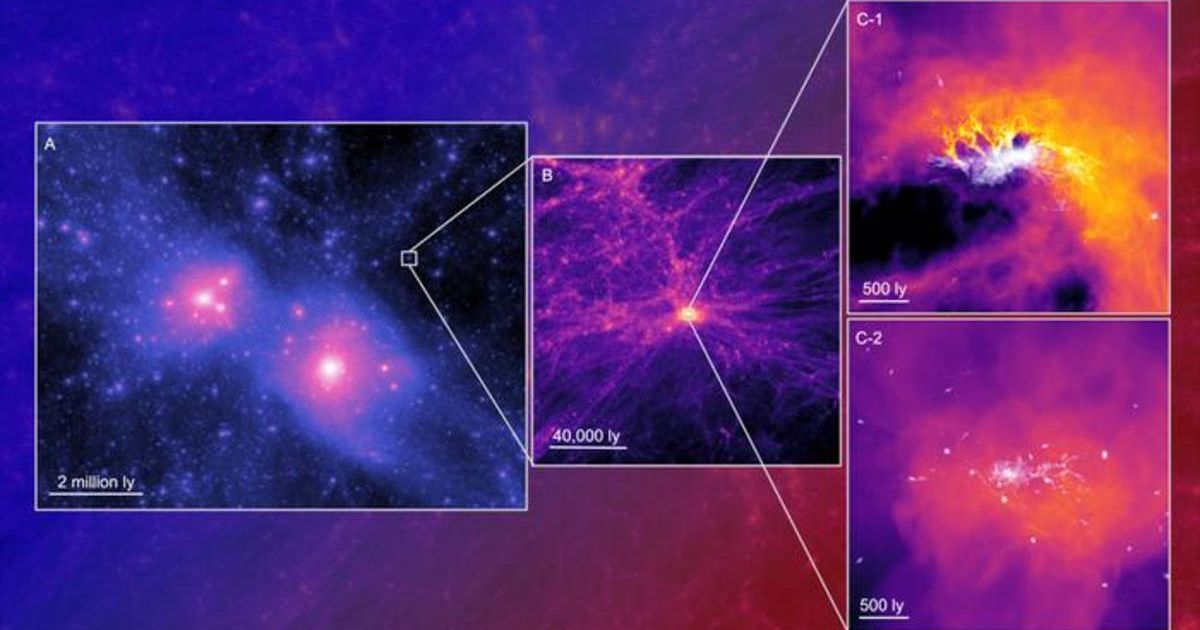
Ultra-faint dwarf galaxies, which orbit the Milky Way, may reveal what conditions prevailed in the early universe. New simulations, led by Dr Azadeh Fattahi at the Oskar Klein Centre (OKC) in Stockholm, decipher that the tiny galaxies may even tell us why some galaxies grew while others did not. They could also provide insights into the climate of the early universe—conditions such as the level of radiation—and other factors, which probably influenced whether and where stars formed. Dwarf galaxies, also known as small cousins of the Milky Way, are born in the halos of dark matter as predicted by the standard model of cosmology. Fattahi and colleagues have reported their findings in the Monthly Notices of the Royal Astronomical Society.
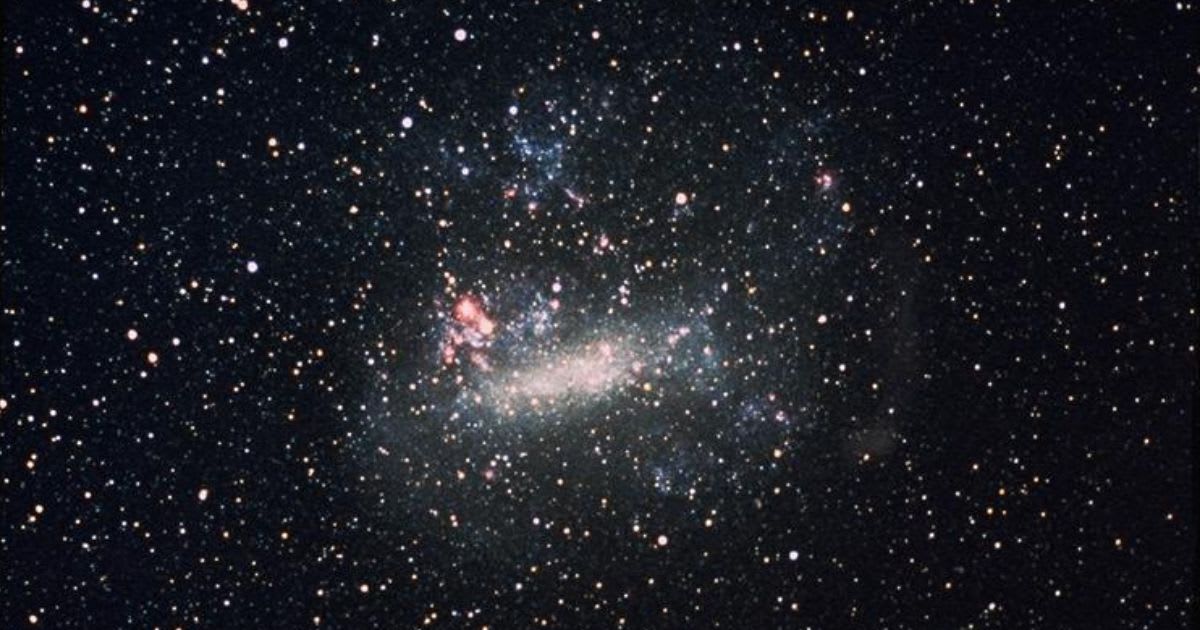
"In this work we presented a brand-new suite of cosmological simulations focused on the faintest galaxies in the universe, with an unprecedented resolution,” said Fattahi, who led the new study with the LYRA collaboration and with Durham University and the University of Hawaii, in a statement. "These are by far the largest sample of such galaxies ever simulated at these resolutions." The ultra-faint dwarf galaxies are the smallest galaxies, and they are a million times less massive than the Milky Way or even smaller. And it is because they are so small that they are difficult to model and simulate.
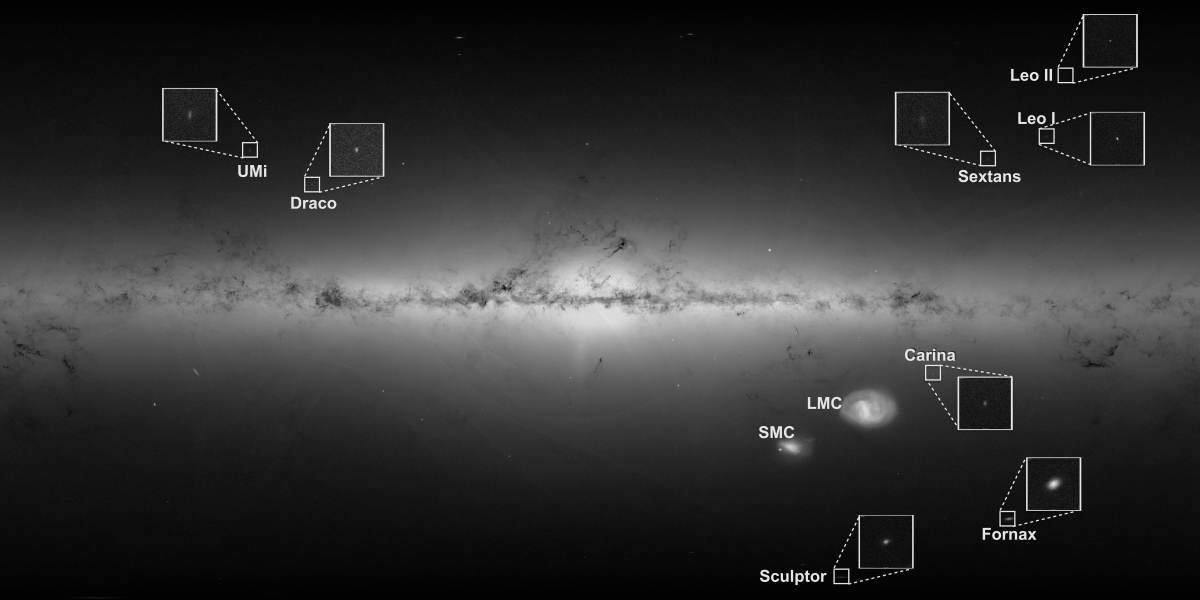
"A useful analogy… is to plants and crops and how the way they grow is sensitive to the weather conditions," said Shaun Brown, who led the study while working at OKC and Durham University. "In the same way that the yield of a crop in summer can indirectly tell you a lot about what the weather in spring must have been like, the properties of faint dwarf galaxies today can tell us a lot about the conditions, or weather, of the universe at a much earlier time."
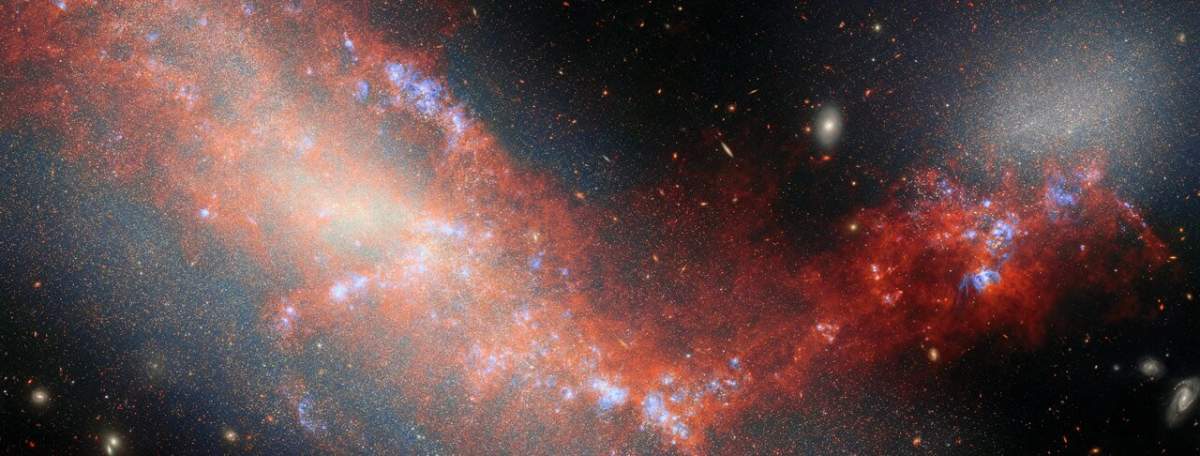
The team weighed different assumptions about the early radiation environment that might influence which small dark matter halos form stars. "In the paper, we studied two different assumptions about the properties of the early universe when it was less than 500 million years old to understand the effect on the properties of these small galaxies today when the universe is 13 billion years old," Brown explained. "We found that these small ultra-faint galaxies are very sensitive to these changes, while more massive galaxies, like our Milky Way, don't really care," he added.
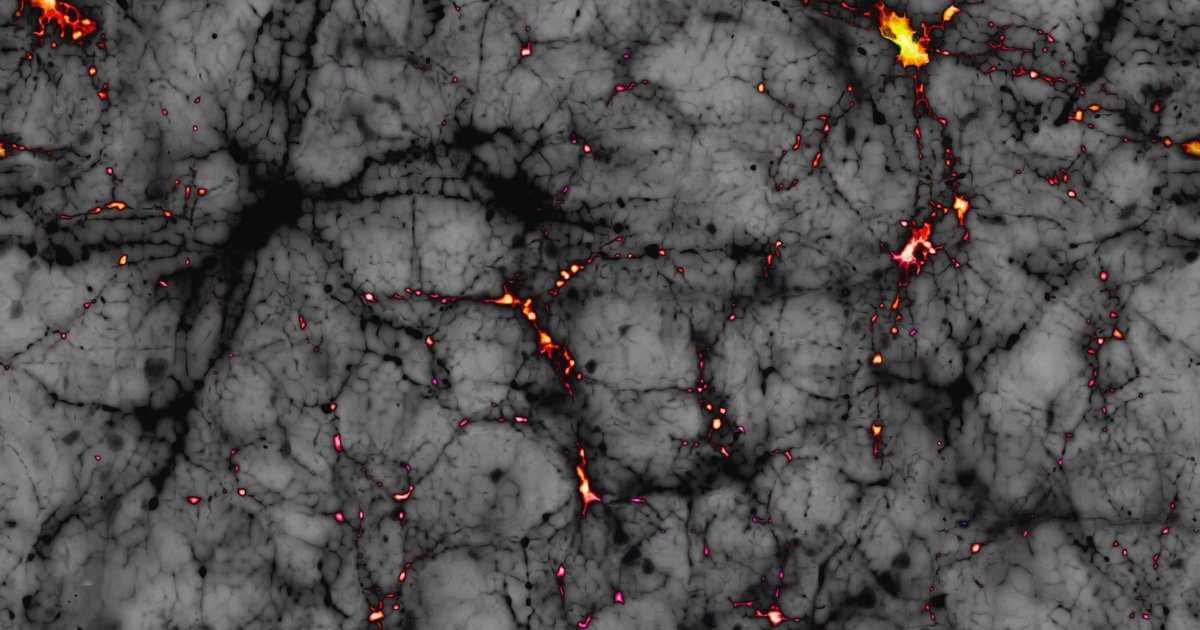
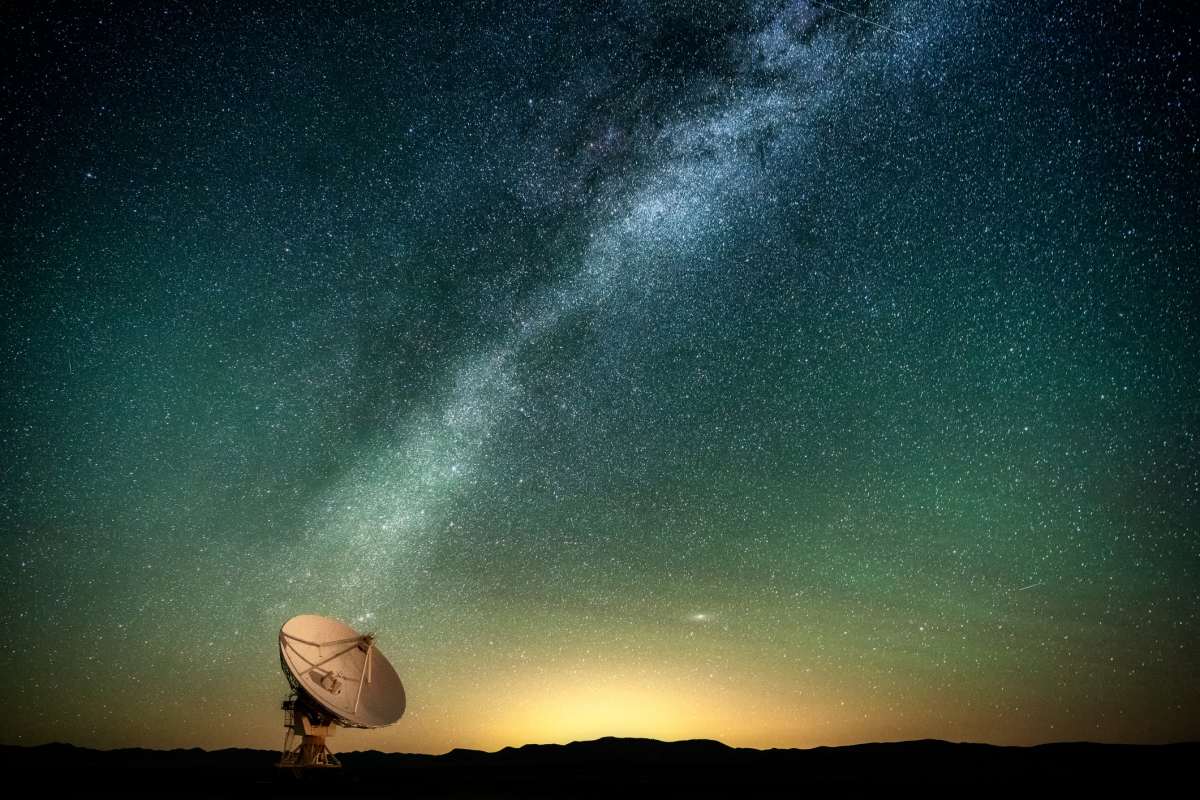
For the smallest galaxies, early conditions play vital roles. This could even decide whether they become visible galaxies or remain starless dark matter halos. This knowledge opens an avenue for testing early-universe physics with upcoming observations. In this regard, the Vera C. Rubin Observatory will be very handy to find such faint dwarfs in the Milky Way. Astronomers believe that Rubin can corroborate the findings of the new simulations by giving a near-complete census of the Milky Way satellite galaxies and even far beyond our local neighborhood. "Our work suggests that these upcoming observations of the very local universe will be able to constrain what the universe at its infancy looked like, something we currently cannot directly access with other observations," Dr. Fattahi added.
The simulation results are particularly relevant and important, as the James Webb Space Telescope has also shed light on the early universe, showing that some of its galaxies were surprisingly big and bright. “If the early universe is producing surprises at large distances, then local relics from the same epoch—ultra-faint dwarfs—may provide an additional route to understanding what happened,” said Dr. Fattahi. The simulations are expensive and tedious. It took Dr. Fattahi's team more than 6 months to run all the simulations. They don’t want to stop here. They want to locate where the first generation of stars formed in the universe and even solve the puzzle of dark matter by studying the ultra-faint dwarf galaxies more closely.
More on Starlust
Scientists may have finally found where stars stop forming in the Milky Way's disc