NASA awards SpaceX $946 million for three more crew missions to the International Space Station
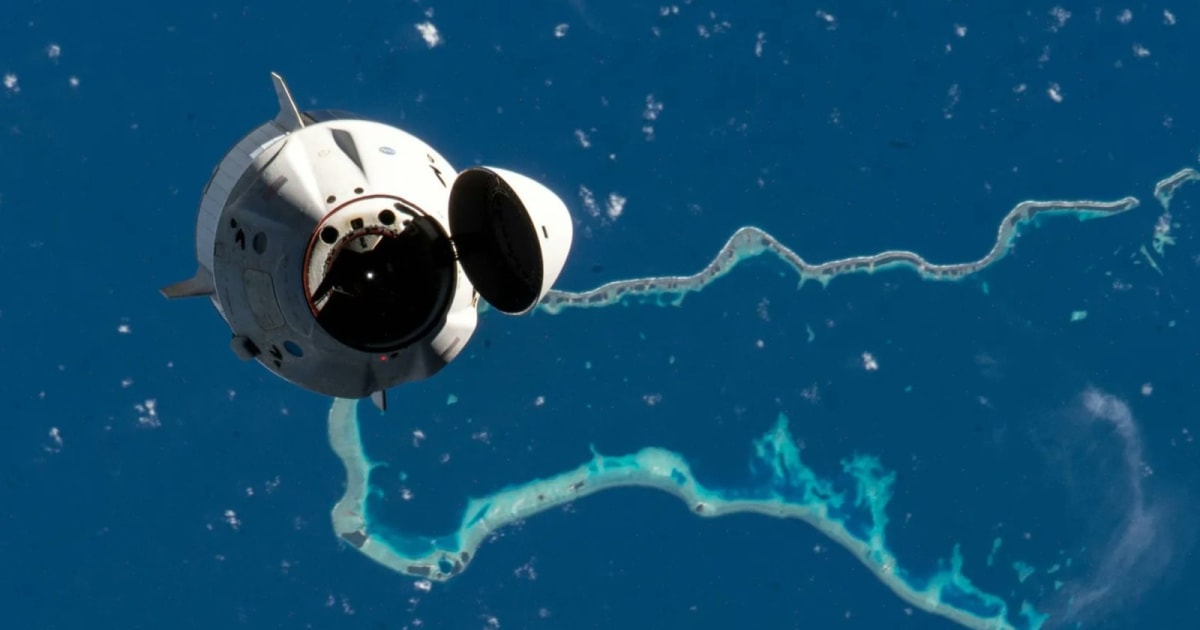
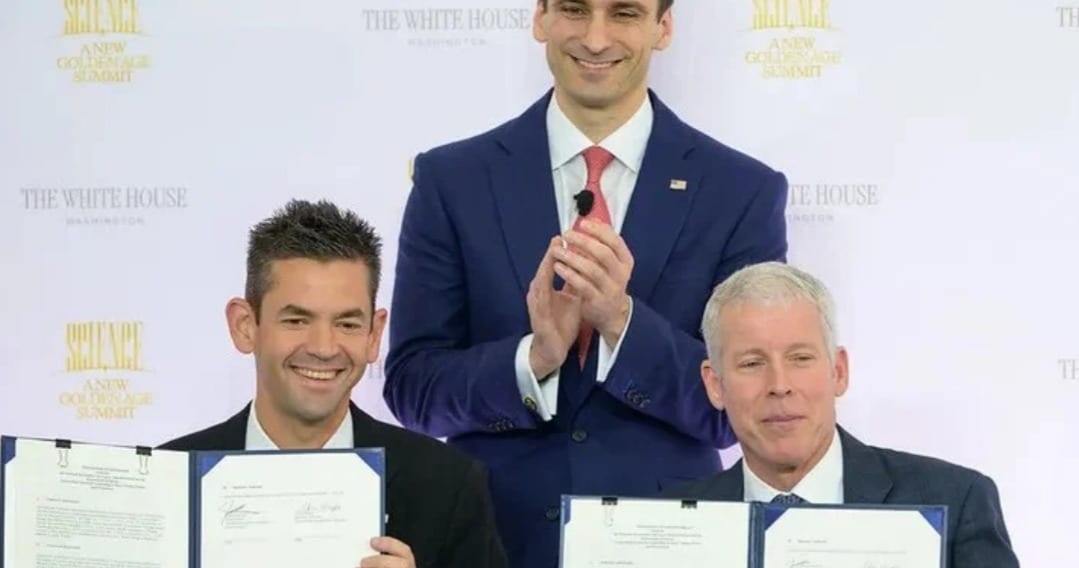
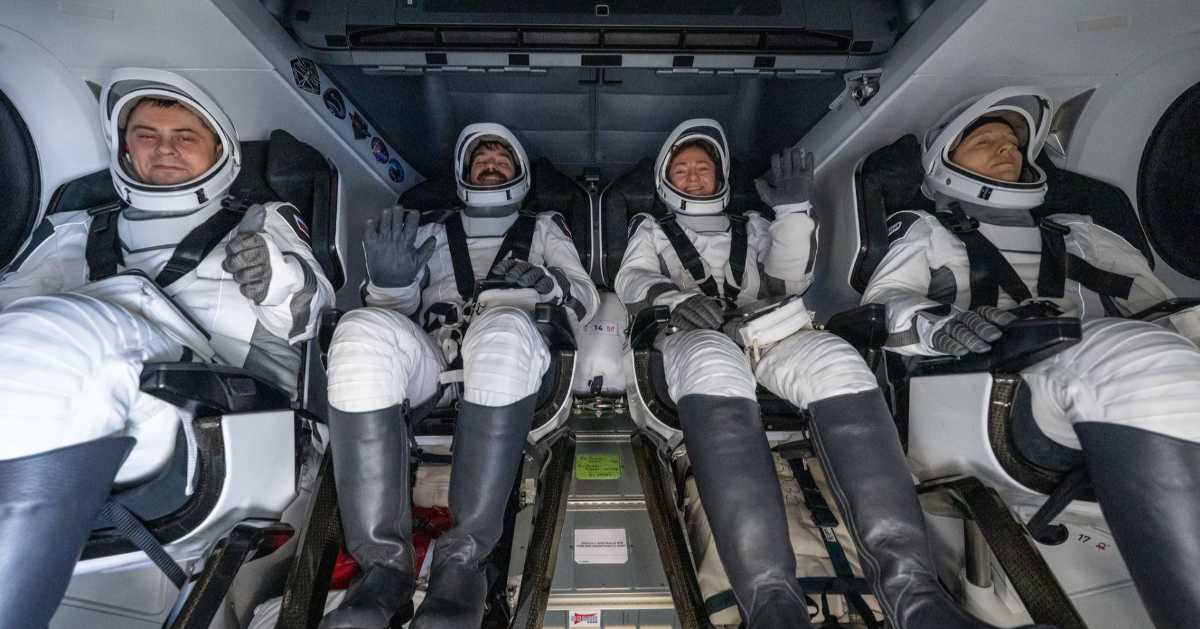
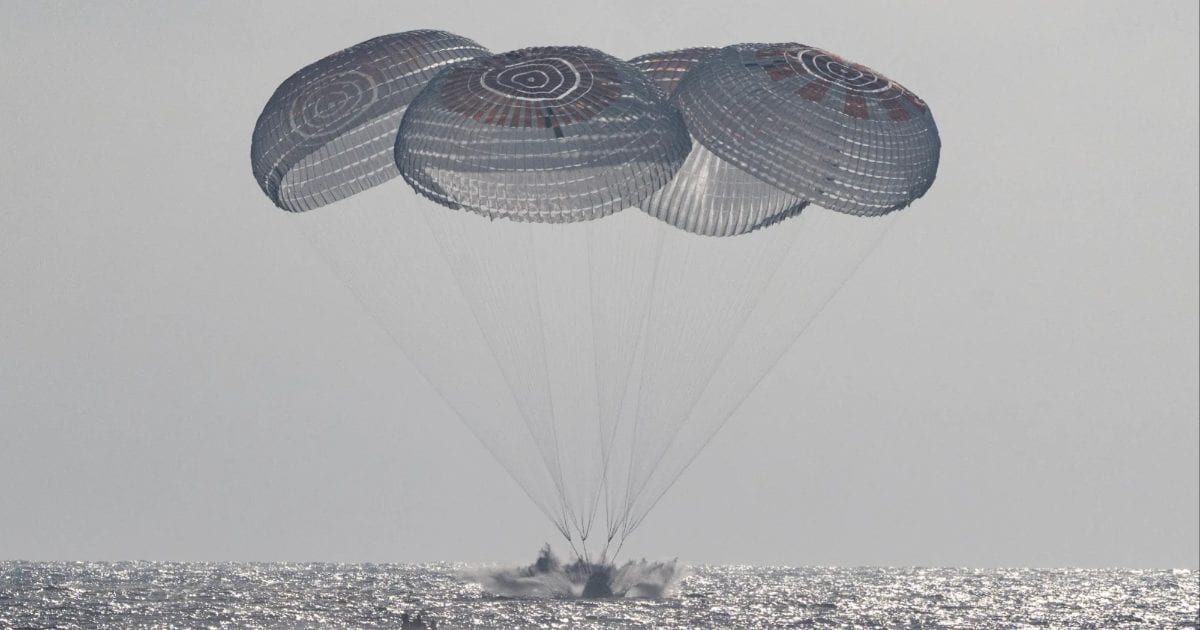
NASA announced on Friday that it will purchase three more missions from SpaceX to launch astronauts to the International Space Station (ISS). The agency has modified the Commercial Crew Transportation Capability (CCtCap) contract to SpaceX and has awarded $946 million for Crew-15, Crew-16 and Crew-17 missions. “The amount includes ground, launch, in-orbit, and return and recovery operations, cargo transportation for each mission, and a lifeboat capability while docked to the International Space Station,” an official statement read.
To continue regular crew transportation to the @Space_Station, NASA has awarded @SpaceX three additional missions through a contract modification.
— NASA Space Operations (@NASASpaceOps) September 18, 2026
As part of the agency’s Commercial Crew Transportation Capability (CCtCap) contract, this change brings the total missions for… pic.twitter.com/qUhHna2heA
The contract is valid until 2030 and these three missions are expected to be ready to launch in 2027- 2028. Crew-17 will mark the 17th crew mission SpaceX will launch for NASA under the CCtCap contract which is now worth $5.92 billion. The agency also stated that the current contract modification “does not preclude NASA from seeking future contract modifications for additional transportation services.”
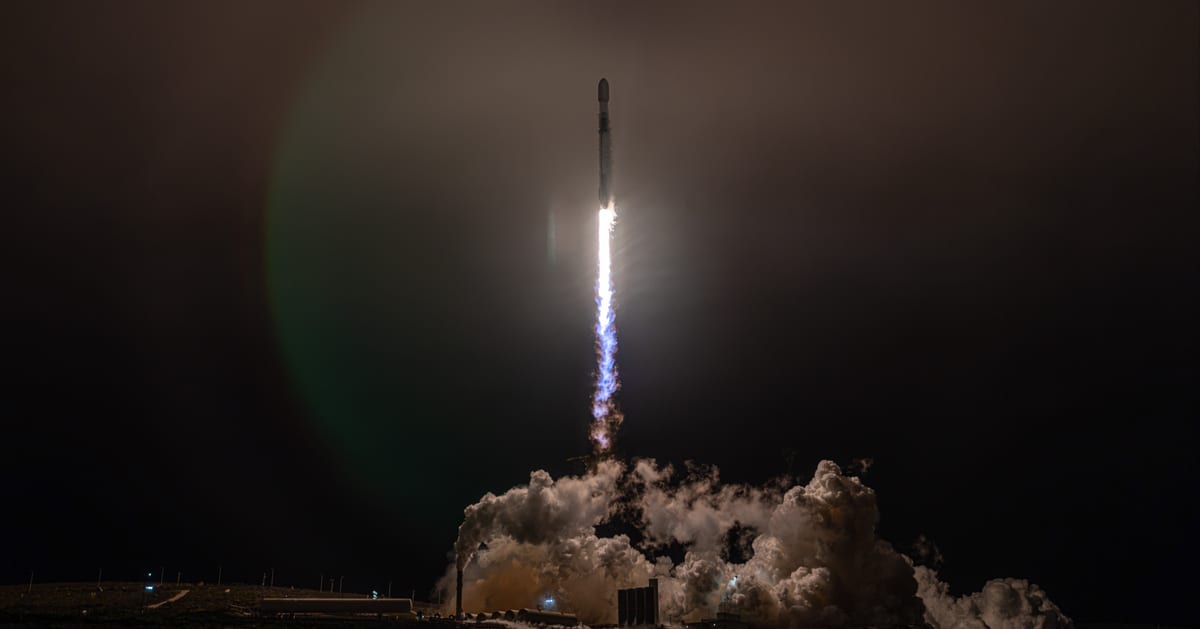
We’re excited for Falcon 9 and Dragon to launch @NASA’s Crew-15, 16, and 17 missions to the @Space_Station from Florida https://t.co/Qm16vVK9F3 pic.twitter.com/drg3s7GtuM
— SpaceX (@SpaceX) September 18, 2026
By the time the contract expires, SpaceX may retire the Dragon spacecraft so it can fully focus on developing its mega rocket Starship. By 2030, NASA along with its international partners may also start deorbiting the aging space station to make way for private habitats. In June 2024, NASA handed SpaceX a contract worth $843 million to build a deorbit vehicle that will pull the ISS from low-Earth orbit and crash it into the Pacific Ocean. The said vehicle will be a bigger and more powerful version of Dragon that will also destructively breakup along with station components during reentry.

SpaceX was first awarded the CCtCap contract in 2014 alongside Boeing to provide crew transportation services to the space station. The first order to SpaceX was worth $2.6 billion whereas Boeing received $4.2 billion—although the former was the first to get certified for crew flights. In 2020, SpaceX launched the Demo-2 mission with astronauts Bob Behnken and Douglas Hurley who became the first Americans to fly on an American rocket to space for the first time since the conclusion of the Space Shuttle in 2011. In February this year, SpaceX launched NASA’s Crew-12 mission with four astronauts which is likely to return next month. Prior to their return, SpaceX will launch the Crew-13 mission in early October that will last for at least six months.
More on Starlust
Watch: Russia’s Progress spacecraft docks with International Space Station carrying 3 tons of cargo