India’s Aditya-L1 catches early warning signs before major solar flares—it could be a life saver
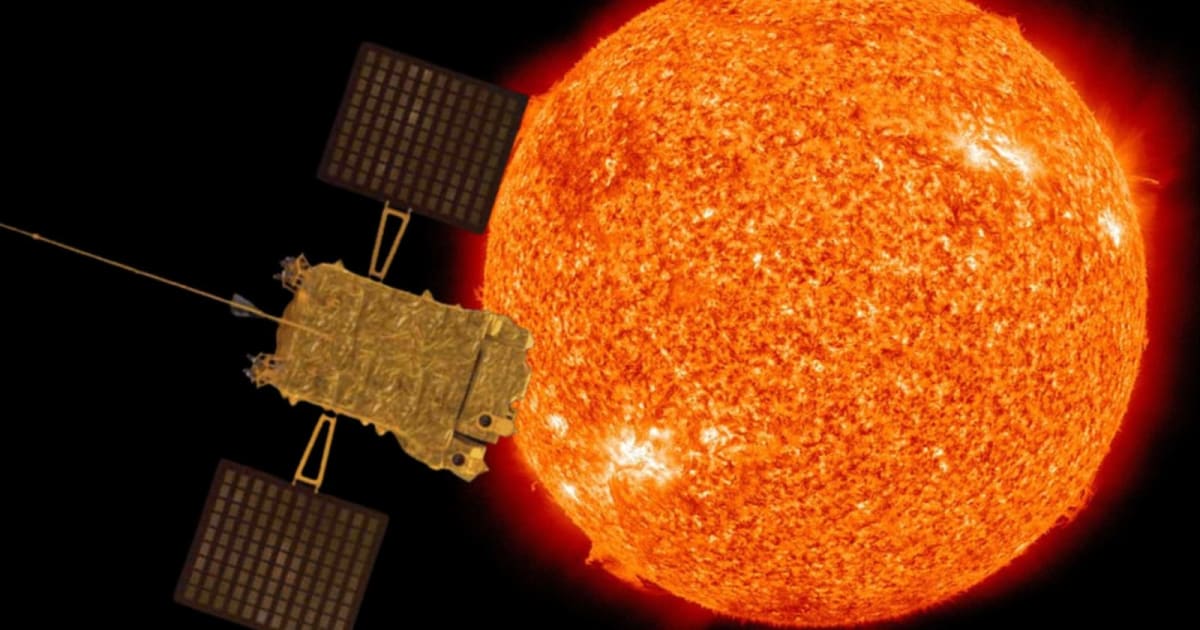
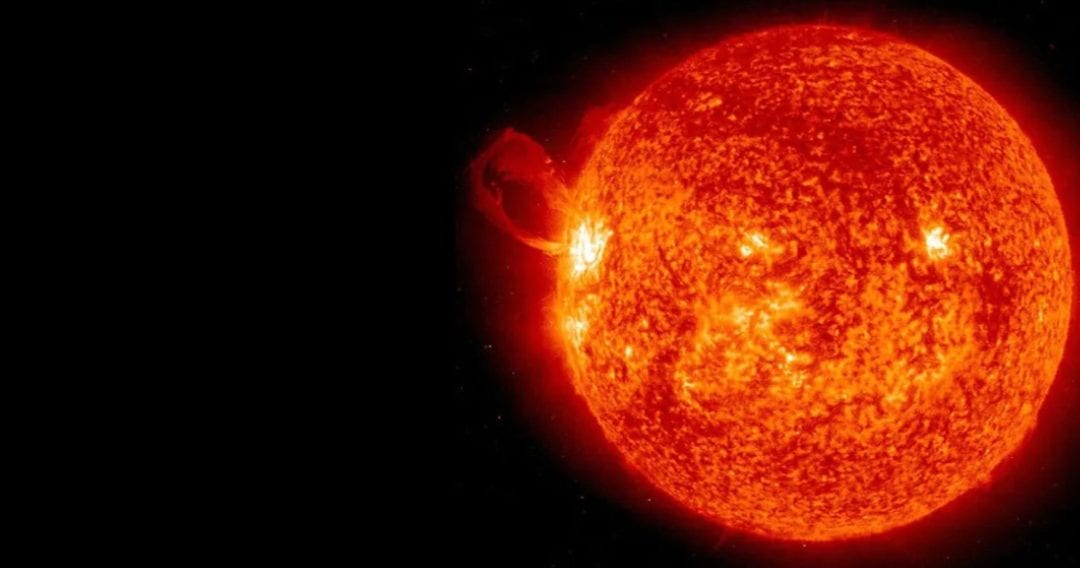
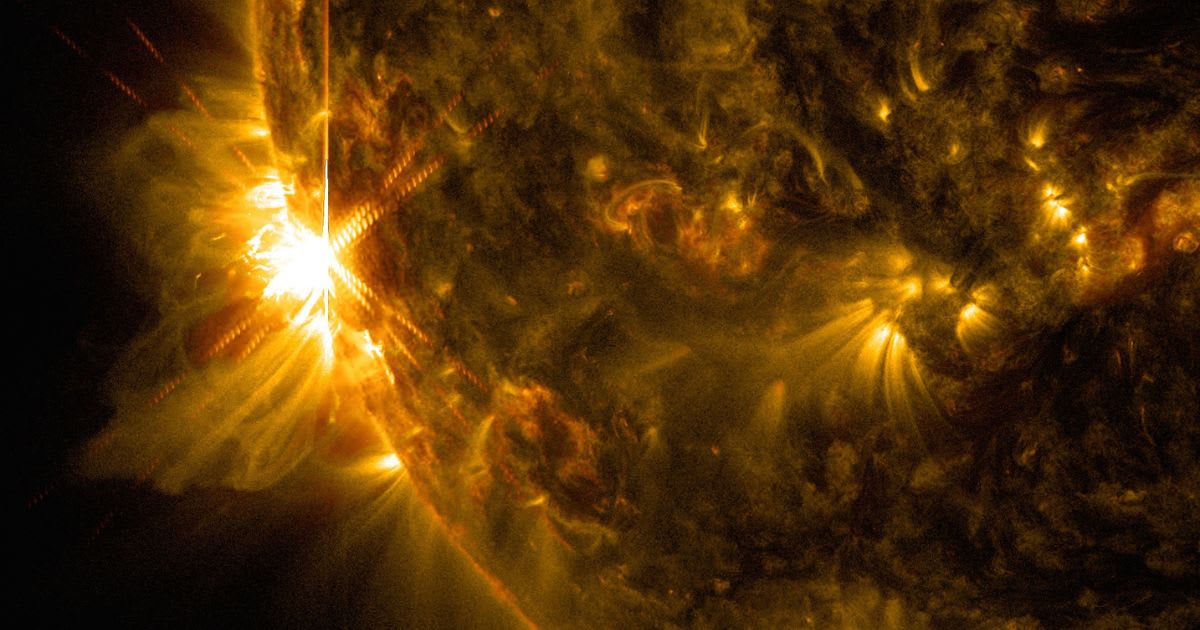
Indian scientists have reported a major finding on the Sun that could help improve space weather forecasting and provide safety from devastating solar flares. Based on findings from ISRO’s Aditya-L1 observatory, new research has revealed that small, short-lived brightenings occur in the Sun’s atmosphere around the same spot where major solar flares erupt hours later. These brightenings, also called transient events, are said to occur in active regions of the Sun’s surface where magnetic fields are very strong and energy release is very high.
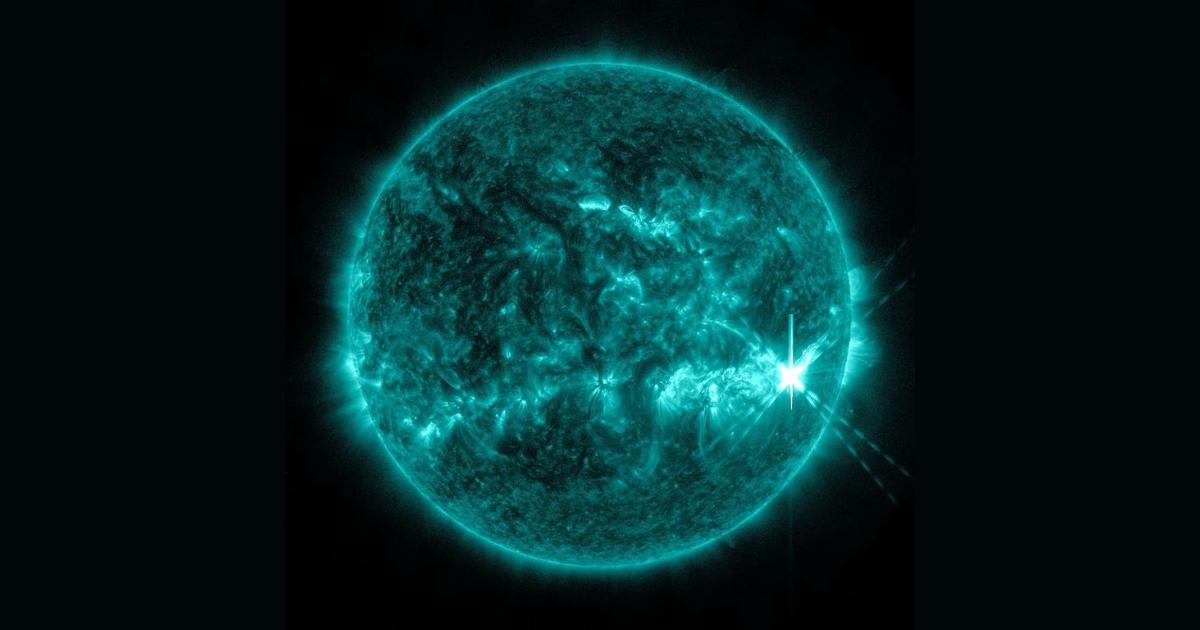
Solar flares are sudden and intense bursts of electromagnetic radiation. According to NASA, they are the most powerful explosions in the solar system, and they could have as much energy as a billion hydrogen bombs. Solar flares are feared because they pose serious threats to radio communication, navigation systems, functional satellites, and other spacecraft, along with astronauts living aboard the International Space Station (ISS). “Understanding how solar flares are triggered is therefore essential for improving space weather forecasting and protecting modern technological infrastructure,” ISRO said in a statement.
What did Aditya-L1 find?
The Aditya-L1 observatory launched on September 2, 2023, and it is India’s first space-based observatory to study the Sun. It is deployed in a halo orbit at the first Earth-Sun Lagrange Point, or L1, where it investigates solar activity using a suite of seven instruments. For the latest study, published in the Monthly Notices of the Royal Astronomical Society, Aditya-L1 used three of its instruments—the Solar Ultraviolet Imaging Telescope (SUIT), the Solar Low Energy X-ray Spectrometer (SoLEXS), and the High Energy L1 Orbiting X-ray Spectrometer (HEL1OS).
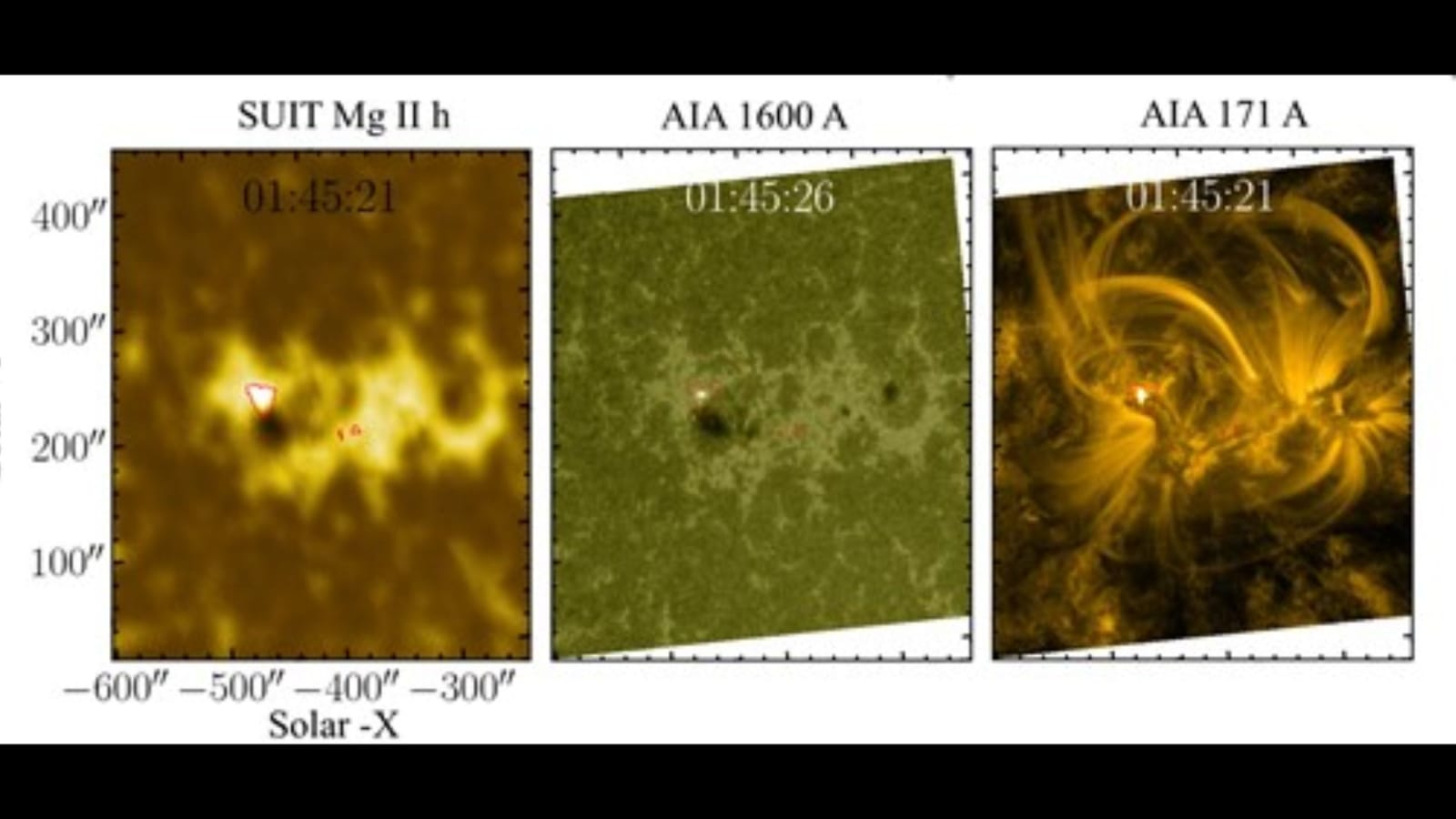
One of the advantages of the observatory’s deployment in space is that there’s no Earth atmosphere to absorb the ultraviolet rays, which makes observing solar activity in UV relatively easier. Furthermore, its specific position at L1 provides an uninterrupted, continuous view of the Sun without Earth ever eclipsing the view. Combining data from these instruments, the researchers tracked the transient events between July and November 2024 and noticed that some of them released X-rays—a sign of magnetic energy release.
“This study represents one of the first systematic investigations of pre-flare activity using simultaneous ultraviolet imaging and X-ray observations from a single observatory. The findings provide valuable insights into the physical processes that trigger solar flares and move scientists a step closer towards reliable flare forecasting — which will ultimately contribute to better space weather prediction, helping protect satellites, astronauts, communication systems and other critical technologies,” ISRO said.
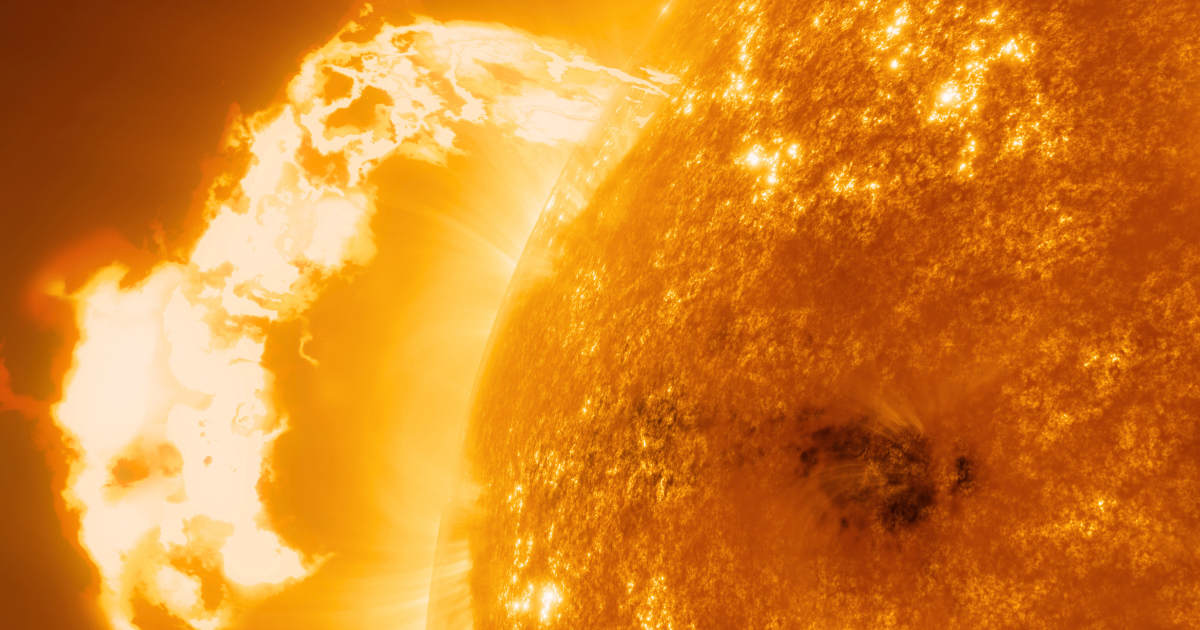
Solar flares are classified according to their strength and fall under classes A, B, C, M, and X (with A being the weakest and X the strongest). Each class is ten times stronger than the previous one, meaning a B-class flare has 10 times the energy of an A-class flare. Strong flares are sometimes coupled with a coronal mass ejection or CME—the expulsion of charged particles from the Sun that cause geomagnetic storms on Earth and bring auroras to the polar regions. Scientists have been studying these two phenomena for decades, as the reason behind such eruptions is still a mystery and precisely predicting them remains a huge challenge.
More on Starlust:
Will Earth survive the Sun’s death? Here’s what a new study found
Scientists discover the Sun has more silver than previously estimated