How to spot 'swan-shaped' Cygnus constellation in the September night sky
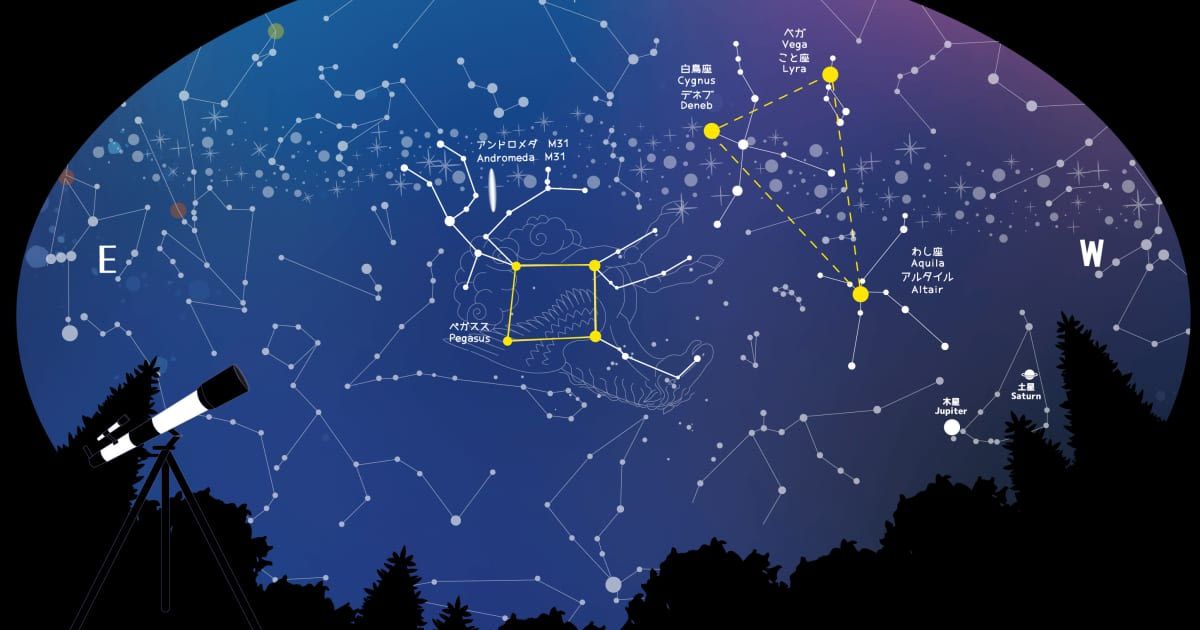
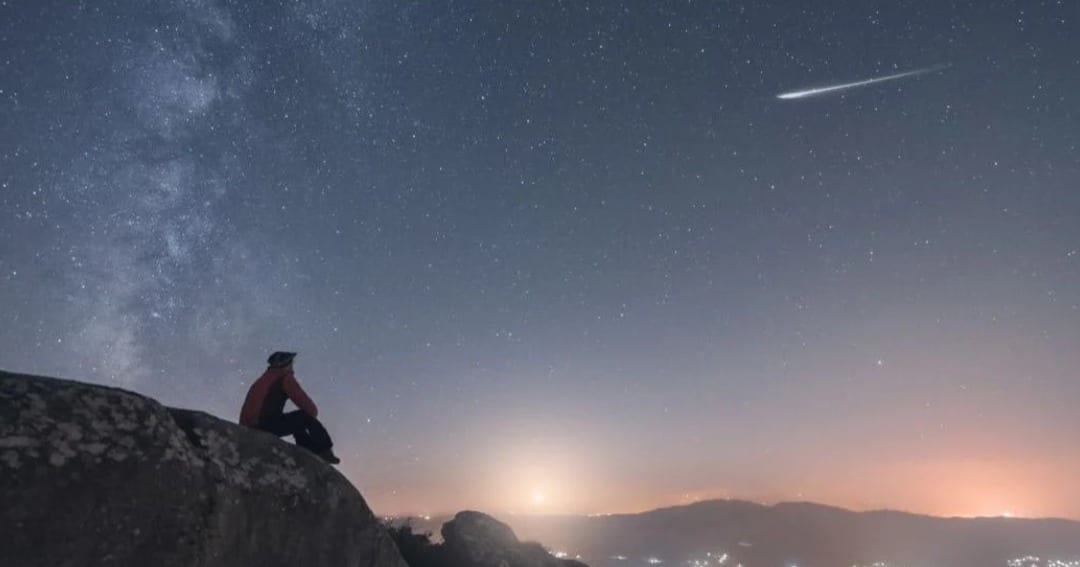
With the autumn equinox approaching, September nights are growing longer, providing an excellent opportunity for stargazers. One of the prime celestial targets is the Cygnus constellation, which appears directly overhead at dusk, as per Science Focus.
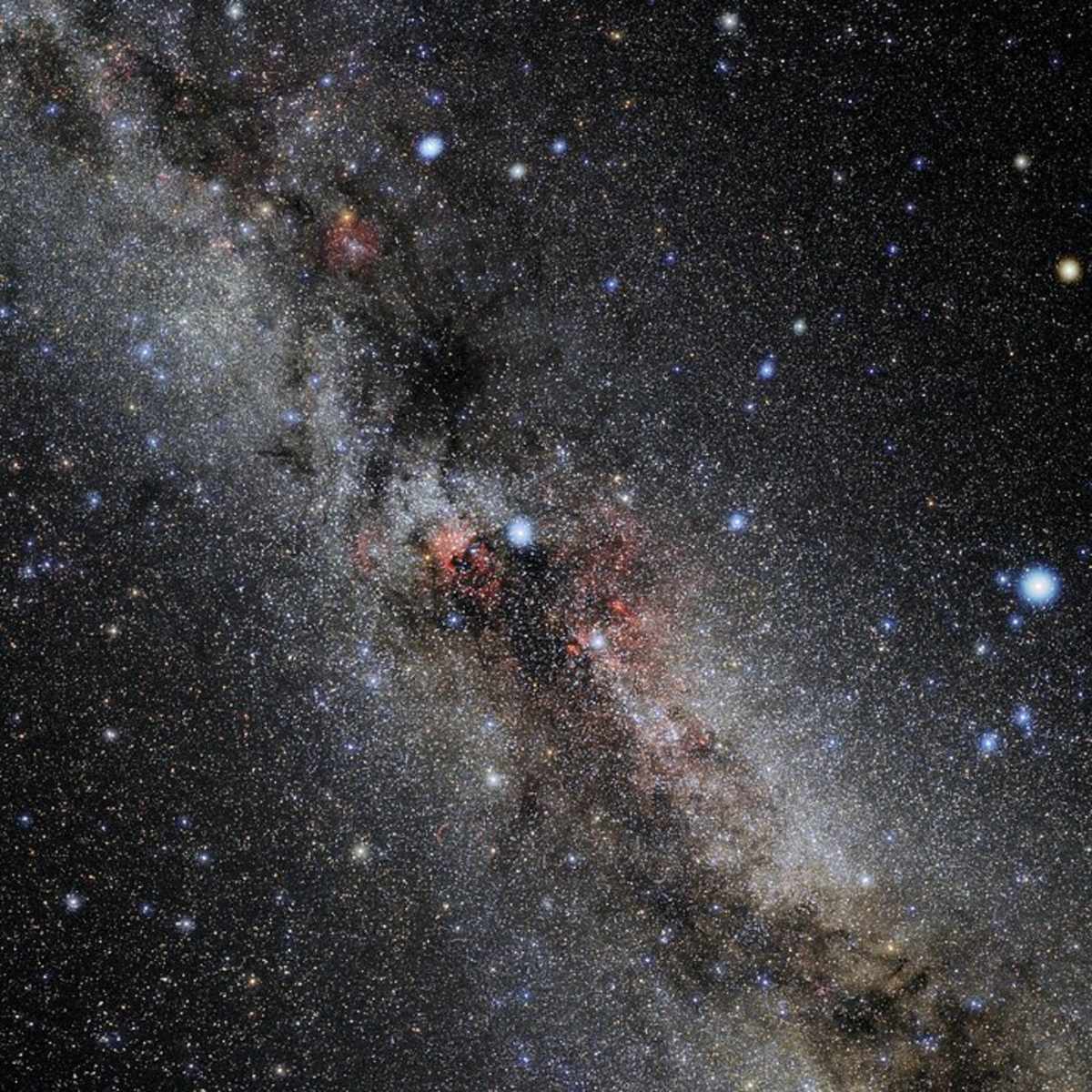
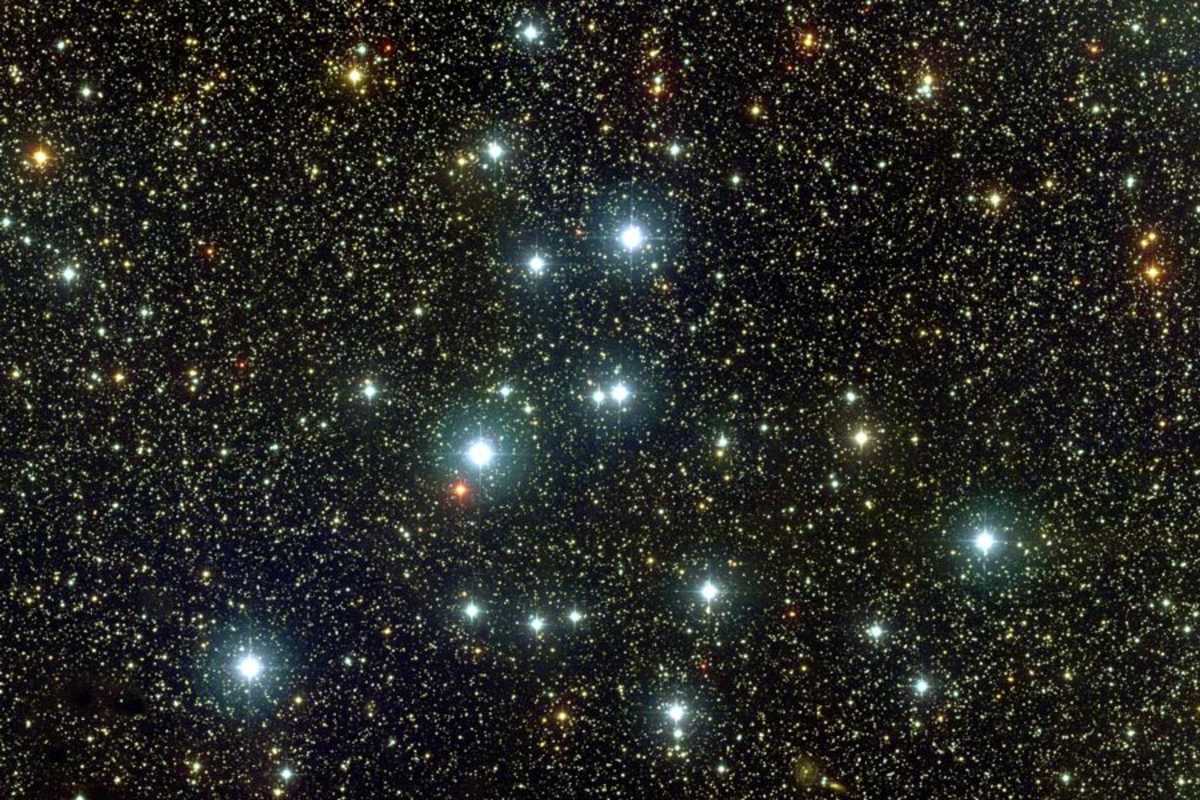
Cygnus, often called the Northern Cross, is the 16th largest constellation and gets its name from its resemblance to a swan in flight. Situated within the Milky Way's plane, it's a bustling region for astronomers, containing notable objects like the M29 and M39 star clusters, both visible with binoculars.
Even without a telescope, you can spot several of Cygnus's brightest stars. The most prominent is Deneb, a blue-white supergiant located roughly 1,400 light-years away. Deneb is a crucial marker as it's also a part of the larger Summer Triangle asterism. "If Deneb were as close [to Earth] as Alpha-Centauri (four light-years away), we could read by its light," reports Sky Tonight. To find the constellation, begin by locating Vega, one of the brightest stars in the summer sky. By drawing an imaginary line diagonally from Vega, you'll arrive at Deneb, which represents the swan's 'tail'. Following this line, you'll encounter Sadr, the swan's chest, and then Eta Cygni and Albireo, which form the swan's neck and beak, respectively.

While Albireo appears as a single star to the naked eye, a pair of binoculars will reveal its true nature as a binary star system. From Sadr, you can easily trace the two outstretched wings, completing the distinctive Northern Cross pattern.
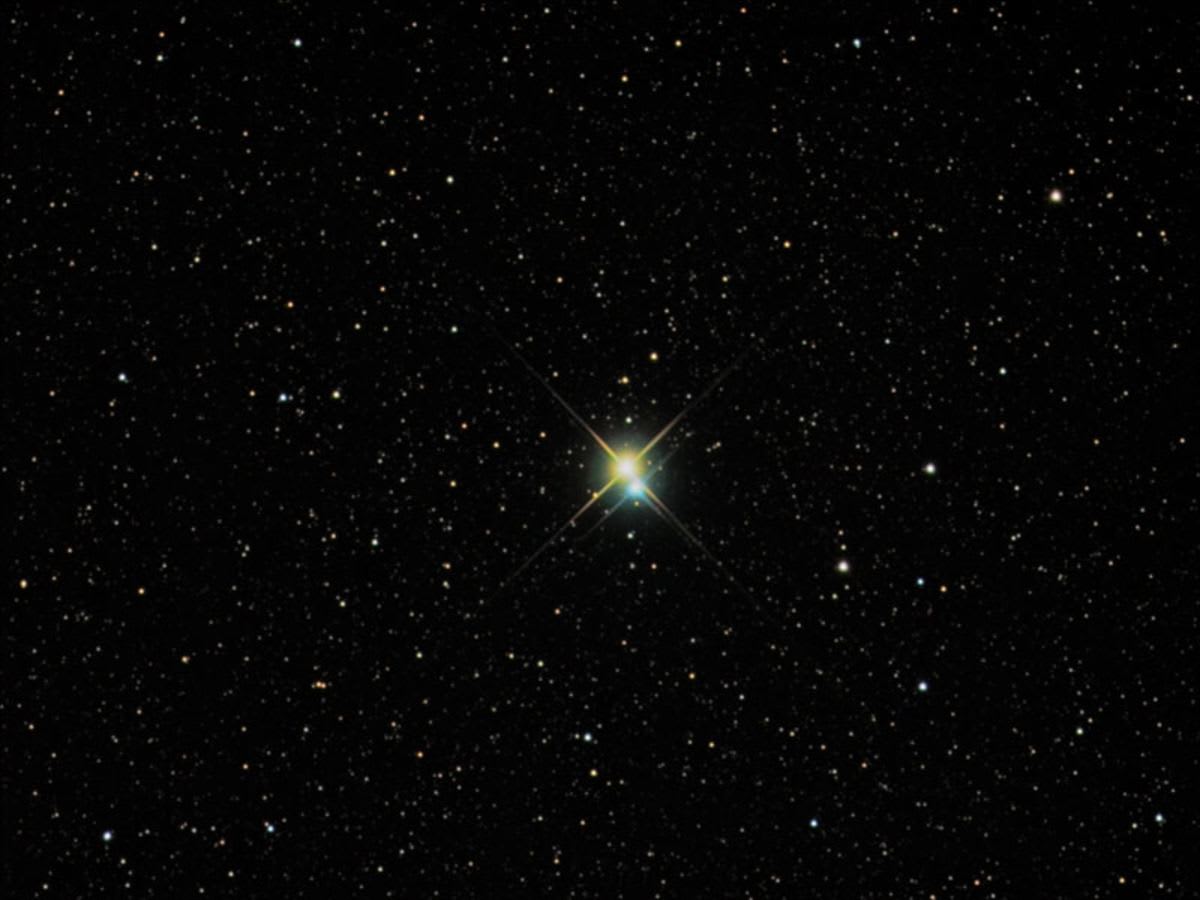
Beyond its main pattern, Cygnus is home to several fascinating cosmic features. Deneb, despite its great distance, is an incredibly luminous star, shining with the power of 60,000 suns, according to Sky Tonight. If it were as close as our brightest star, Sirius, it would be as bright as the Moon in our sky. Another highlight is Albireo, a stunning double star at the swan's beak. With binoculars, you can observe a vibrant contrast between its two components, one a brilliant gold and the other a deep sapphire blue.
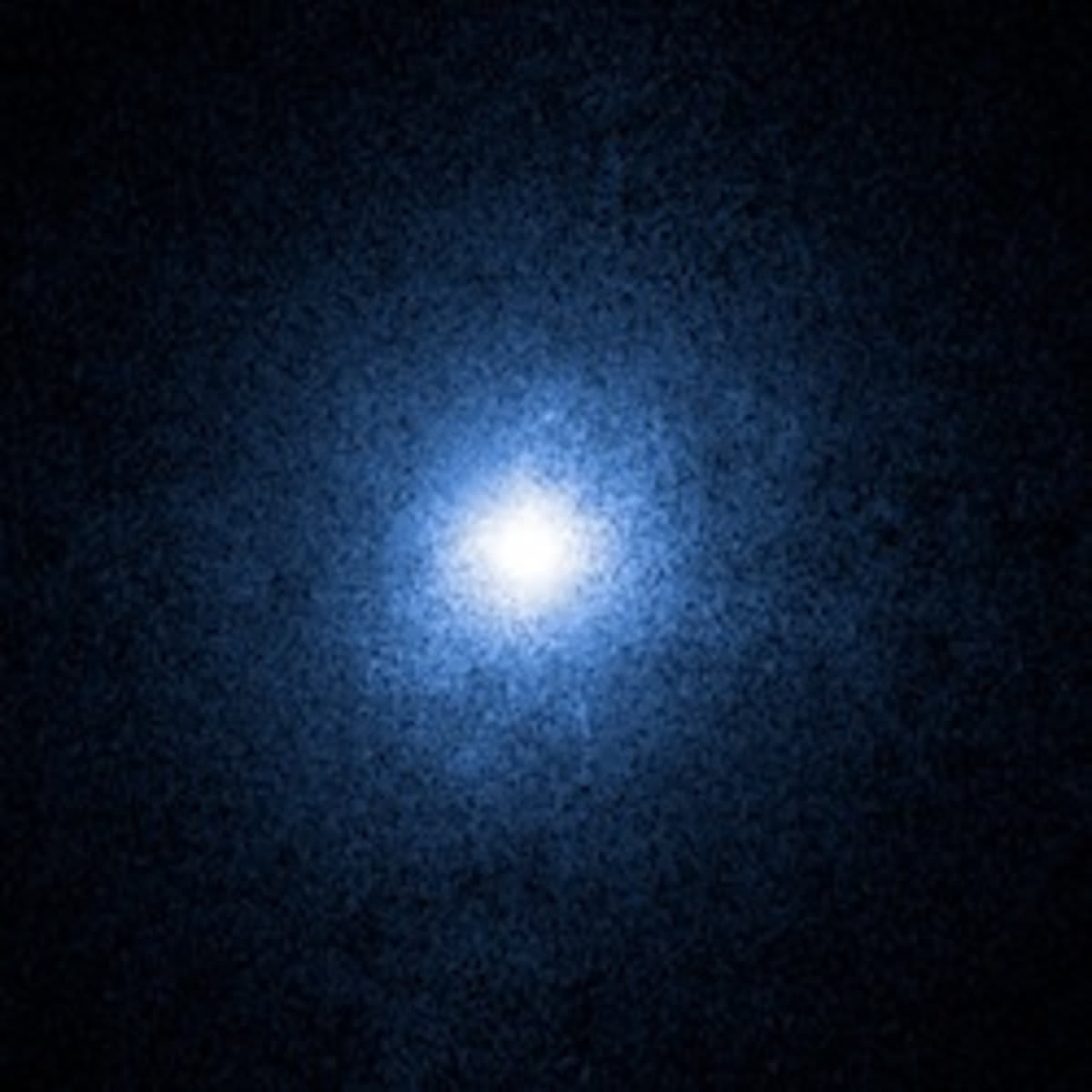
Deep within Cygnus, an invisible object known as Cygnus X-1 was discovered in 1965. Emitting intense, flickering X-rays, it's widely believed to be a black hole. As matter from a nearby blue star spirals into the black hole, it emits the powerful X-rays we can detect before disappearing forever. Just three degrees east of Deneb lies the North American Nebula (NGC 7000), a vast cloud of gas resembling the continent's shape and an excellent target for binoculars or a small telescope.
Ancient civilizations recognized Cygnus, including it in early star catalogs from Eudoxos, Aratos, and Ptolemy. Its presence in the sky is tied to various myths. One legend connects the constellation to Zeus, who transformed into a swan to visit Leda, the Queen of Sparta. Another story identifies the swan with Orpheus, the hero known for his enchanting harp. A third tale speaks of Phaethon, the son of the sun god Helius. After losing control of the sun chariot, Phaethon was struck down by Zeus. His devoted friend, Cygnus, tirelessly dove into a river to find his body. Out of pity for his exhaustion and loyalty, Zeus transformed Cygnus into a swan and placed him in the night sky.
More on Starlust
2025 partial solar eclipse: When and how to watch the astronomical phenomenon on September 21
Best time to see the September Epsilon Perseids—all you need to know