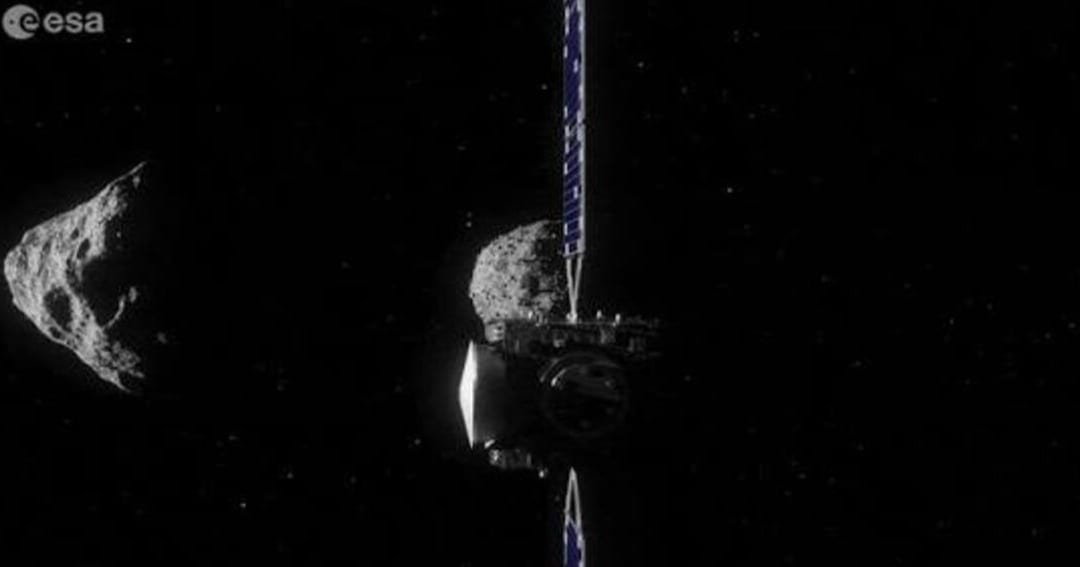
DoW's second set of UFO files reveals more Apollo anomalies: What's the science behind them?

The United States Department of War, under the direction of the Trump administration, released a second tranche of files related to UAP (Unidentified Anomalous Phenomena) sightings on May 22, 2026. The files contain accounts of Apollo 12 astronauts experiencing very bright flashes of light while attempting to sleep during their mission. The Pentagon stated that these flashes—a phenomenon that had also occurred during the Apollo 11 mission and was subsequently explained by cosmic rays—were different in nature from the UAPs alluded to in the first set of files released on May 8, 2026. These flashes were "internal to the astronauts’ vision rather than external light sources," according to the official website of the US Department of War.
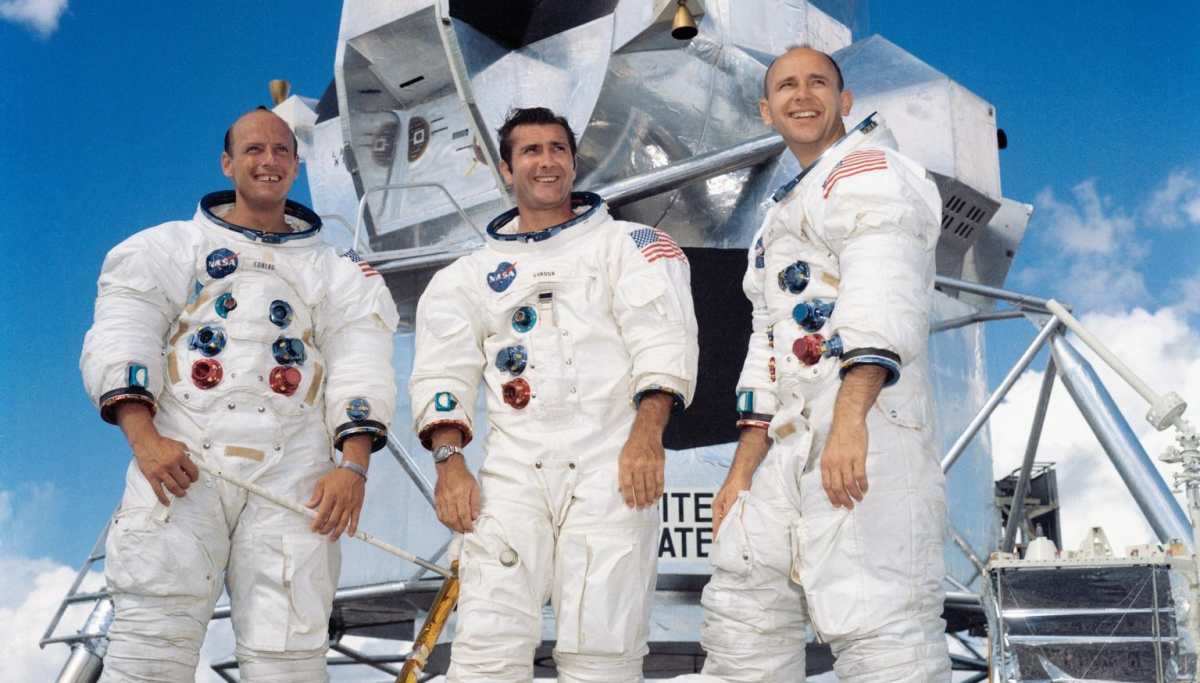
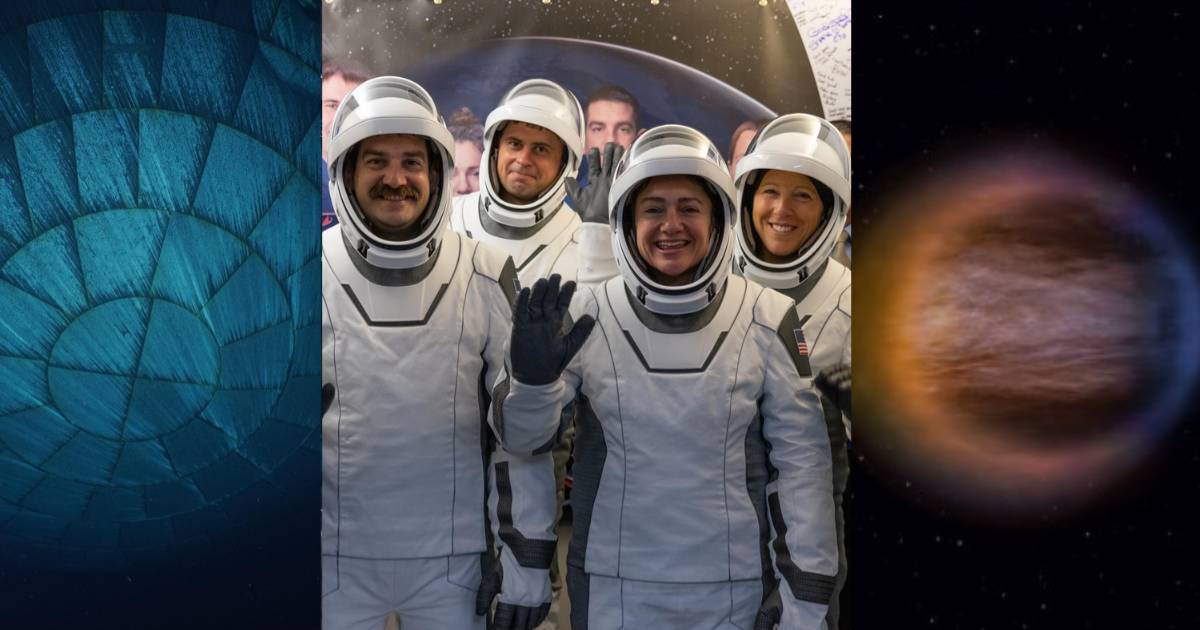
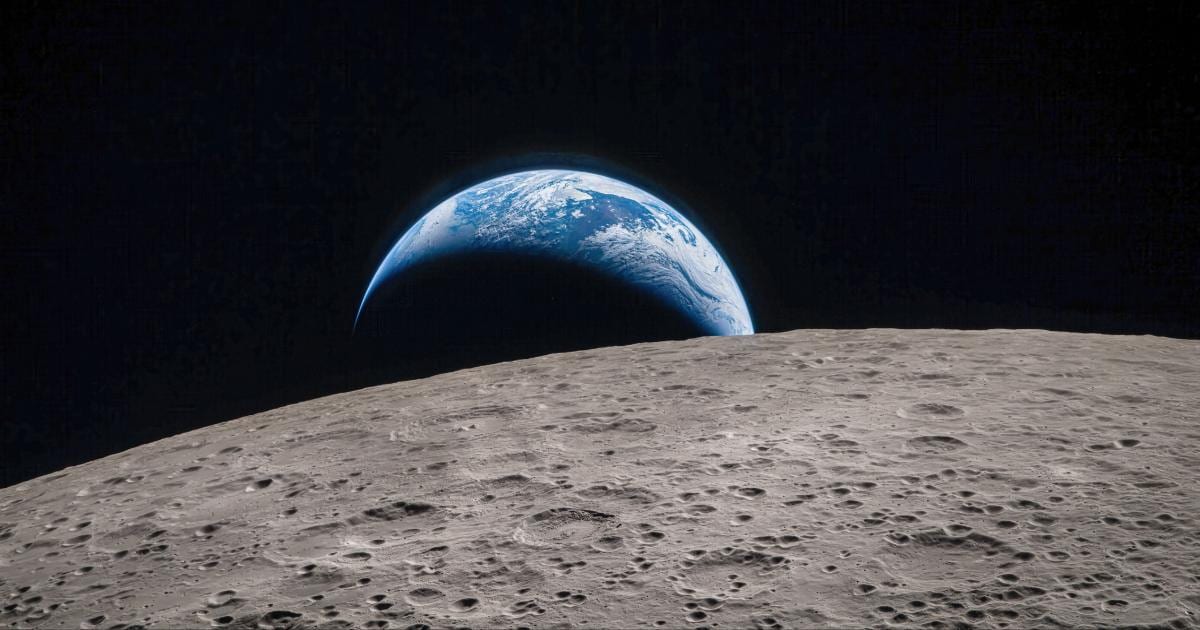
This specific file contained an audio clip of a conversation with NASA astronauts Charles Conrad, Richard F. Gordon, and Alan Bean in the aftermath of their November 1969 mission. Commander 'Pete' Conrad discussed two different phenomena while mentioning these flashes of light. While he noted "VHF radio noises, which could be discharges from someplace in space," he also described lights that flashed even when the astronauts' eyes were closed as the spacecraft orbited the Moon on its dark side. Here, flashes or streaks of light were observed, which he attributed to the direction of the particles' movement as they struck the eyes.
SECOND RELEASE OF UNIDENTIFIED ANOMALOUS PHENOMENA FILES 🛸⬇️https://t.co/kWE5tvdY9H pic.twitter.com/L959jf0G37
— The White House (@WhiteHouse) May 22, 2026
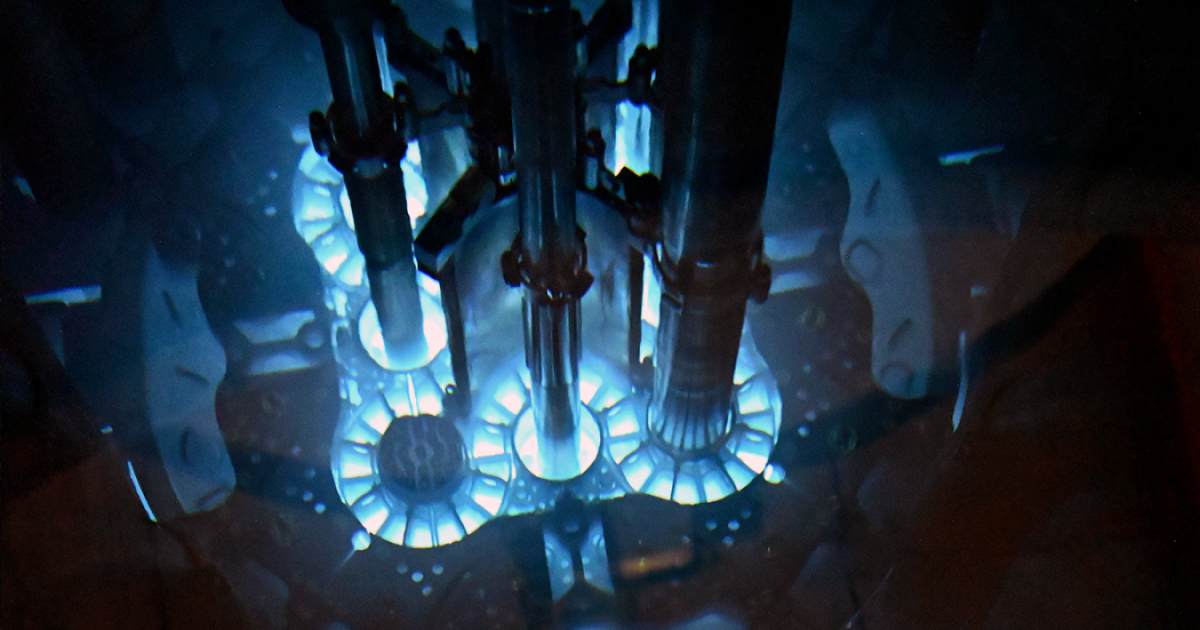
Verbal accounts from other members of the crew aligned with the DoW assessment that the flashes experienced by the astronauts were internal to their vision. Later, scientists determined that these visual anomalies were caused by charged cosmic rays interacting directly with the astronauts' retinas, or generating Cherenkov radiation inside the eye. While light travels at nearly 300,000 km per second in vacuum, it slows down considerably when travelling through different media, and Cherenkov radiation is a faint bluish optical glow that is produced when a charged particle travels through a clear, dielectric medium like water faster than the speed of light in that medium.
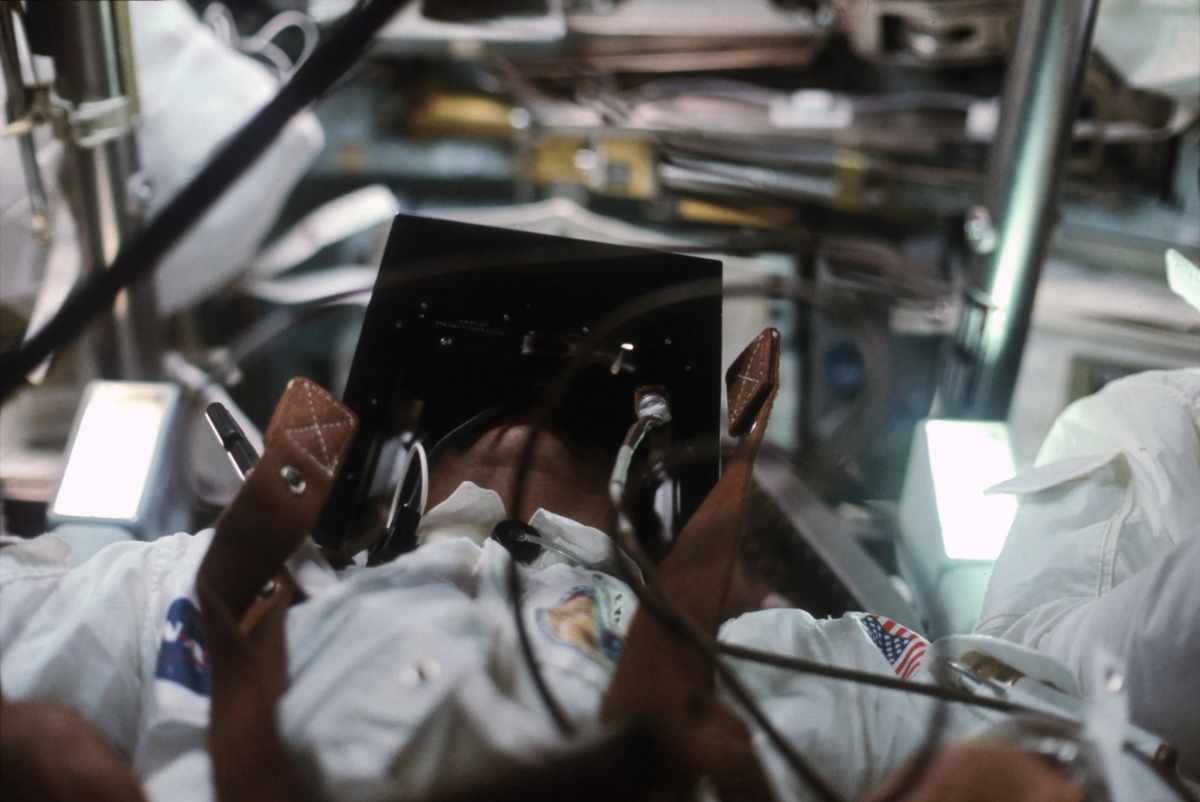
To understand this phenomenon, the science teams involved with later Apollo missions equipped the astronauts with a specialized helmet-like device called the Apollo Light Flash Moving Emulsion Detector (ALFMED). This device, instead of helping the astronauts "observe" the flashes, contained photographic plates designed to physically record the tracks of the cosmic rays hitting the ALFMED, allowing scientists to correlate the actual particle strikes with the astronauts' verbal reports. Transcripts of some of the other Apollo missions that formed part of the first tranche of UAP files also touched upon this phenomenon. However, the context of this experiment was missing from the transcripts shared by the Pentagon, even though the ALFMED data was never classified information.
More of the same can be found in another file, which refers to conversations with the very first set of NASA astronauts who had been part of the spaceflight-pioneering Mercury missions. Mercury-Atlas 9 mission Pilot L. Gordon Cooper described bits of bright fragments floating in space outside the spacecraft, which were described as "John’s fireflies”. This is in reference to astronaut John Glenn’s description of these floating fragments during an earlier Mercury mission. Just like many of the other phenomena that the astronauts found unusual at first glance—which is expected given the early days of spaceflight—these were also scientifically resolved. In this instance, the fragments were small pieces of frozen condensation separating from the spacecraft; as they reflected sunlight, the ice took on a green-white hue. A similar occurrence had also been explained by Jack Schmitt of Apollo 17, who remains the only professional scientist to walk on the Moon.
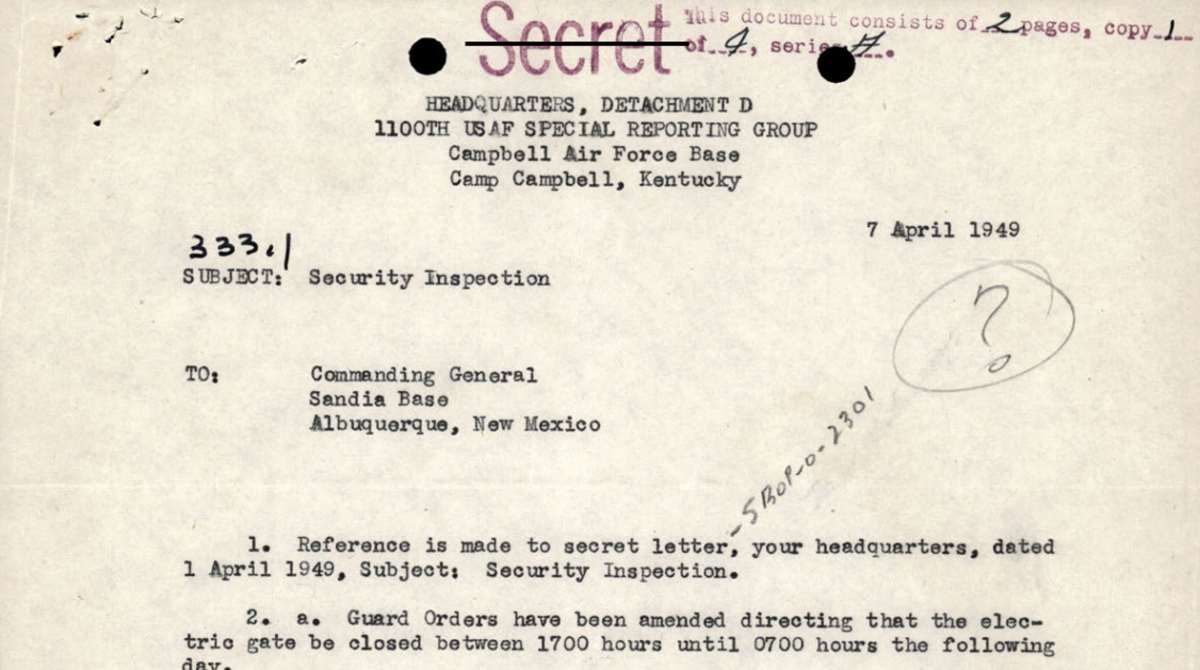
While the first tranche of these files, which have been dubbed the 'UFO' files in regular parlance, contained in excess of 150 pieces of information in the form of classified documents, video footage, and human accounts, this second release features a further 50 videos and documents. Even as considerable interest was generated when the first set of data was released by the Pentagon—with more than a billion visitors to the website according to the DoW—the lack of concrete evidence of otherworldly beings seems to have poured cold water on the US government's insinuations. Some of the other files in the second tranche appear to show UAPs captured by ground-based military surveillance systems, but lack the telemetry and specific details required for rigorous scientific analysis and research.
More on Starlust
Could scientists have missed signs of alien life? Study highlights risk of 'false negatives'
What should astrobiologists look for while they search for alien life? A new study has an answer