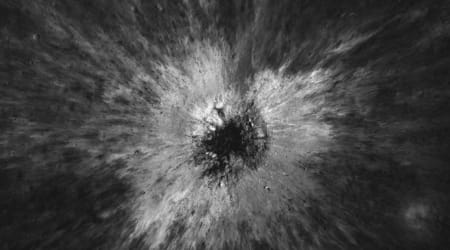
Hidden entrances uncovered on the Moon by AI, paving way for future lunar missions
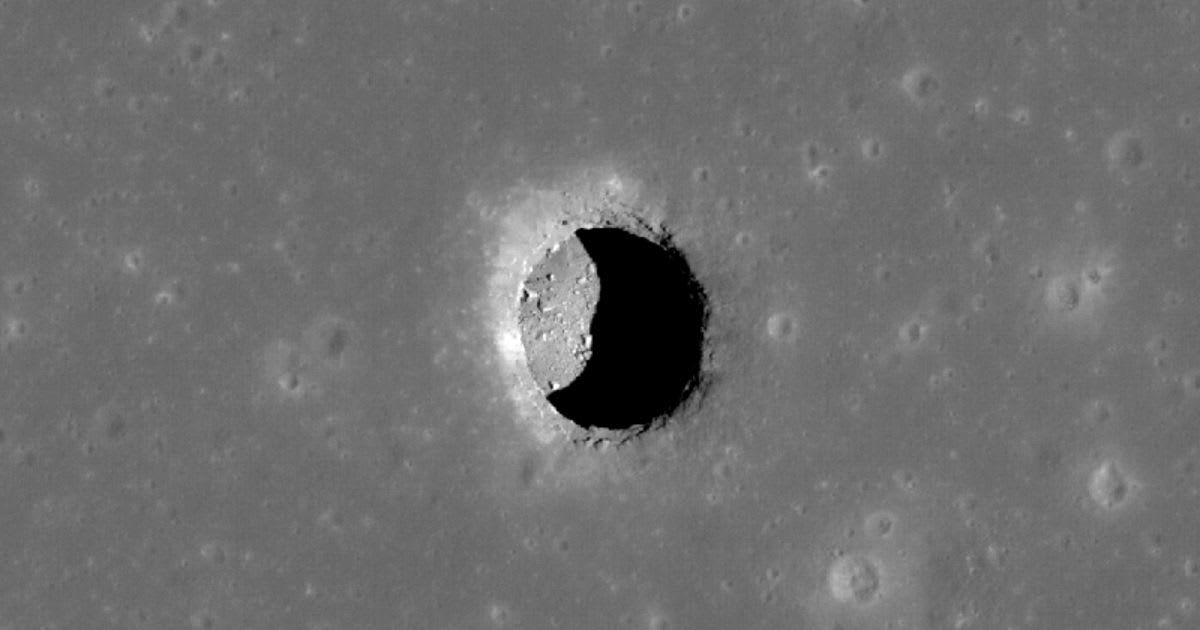
A new study leverages artificial intelligence to pinpoint previously undiscovered subsurface entry points on the Moon, a development with significant implications for future lunar exploration and scientific understanding. In this groundbreaking advancement, an international research team has successfully employed machine learning to efficiently identify lunar pits and skylights, which are essentially natural gateways to vast underground lava caves and tubes, as per Universe Today.
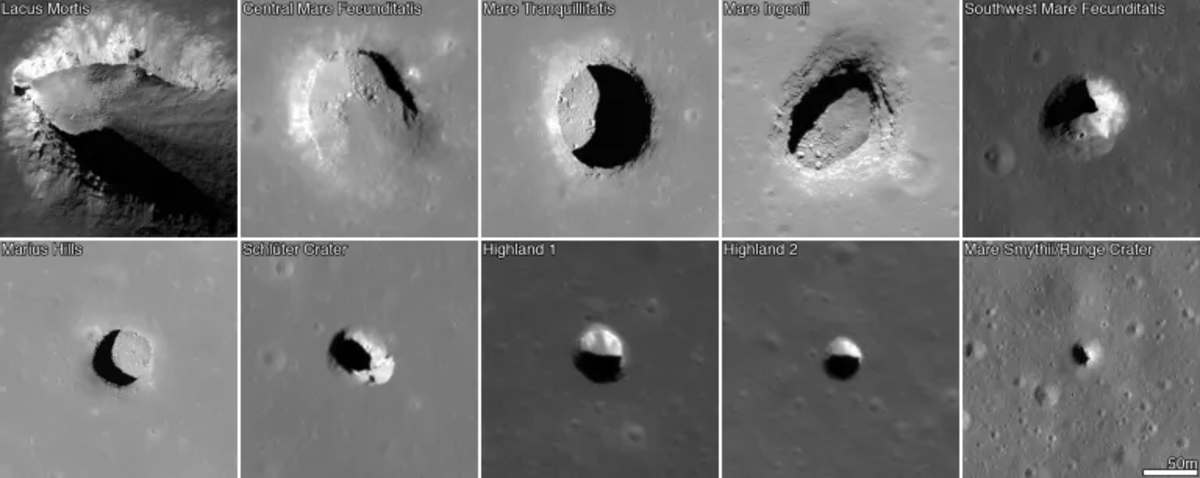
Published in the esteemed journal Icarus, this research introduces a novel approach to mapping crucial surface features on celestial bodies, potentially revolutionizing both robotic and human exploration efforts. The investigation utilized various deep learning models, training them on orbital imagery from both the Moon and Mars. The objective was to expand the known catalog of lunar pits and skylights beyond the 16 already documented in the Lunar Pits Atlas. Among the key training data was the well-known Mare Tranquillitatis Pit, a large formation estimated at 100 meters in radius and 105 meters deep.
The study highlighted the exceptional performance of a deep learning model dubbed ESSA (Entrances to Sub-Surface Areas). Despite analyzing a mere 1.92 percent of the Moon's volcanic plains, ESSA successfully identified two new skylights. Researchers noted that with continued application, ESSA could survey vast, unexamined regions of the lunar surface, prioritizing volcanic areas for potential cave entrances.
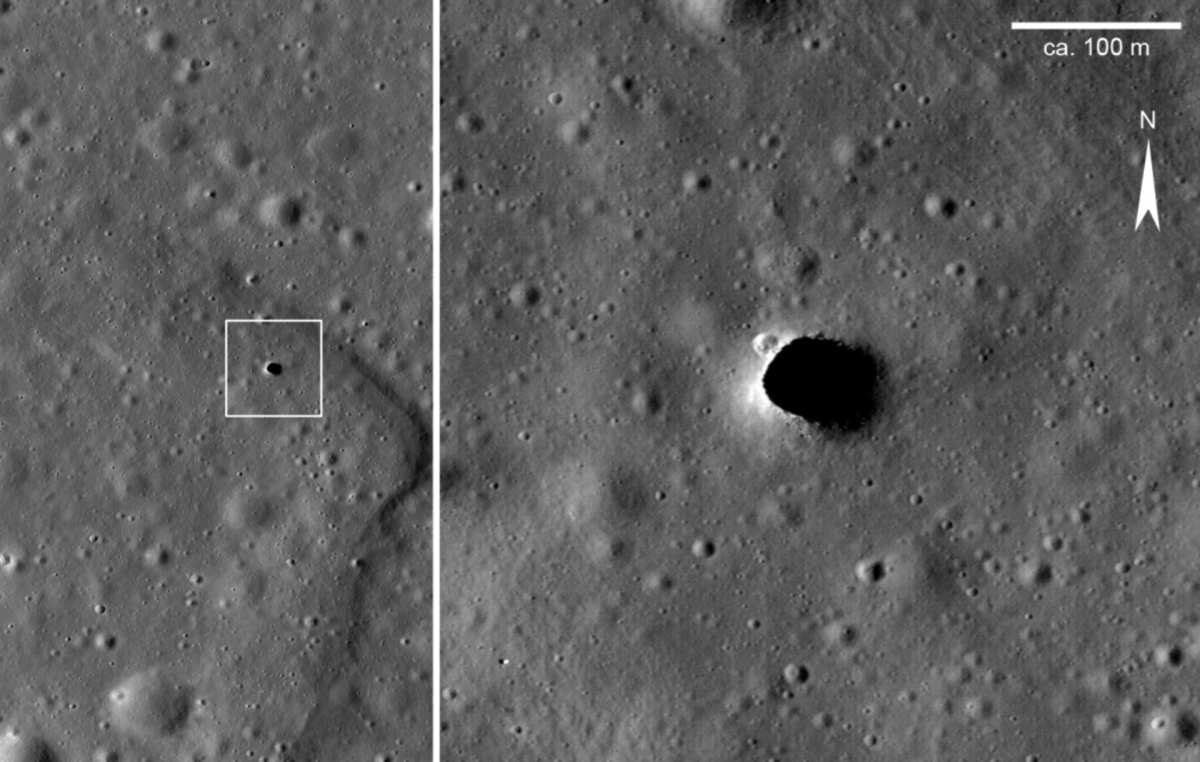
These subsurface formations are more than just geological curiosities; they represent vital shelters for future astronauts. Unlike Earth, the Moon lacks a protective atmosphere and magnetic field, leaving its surface exposed to hazardous solar and cosmic radiation. Lunar lava tubes offer a natural shield against these dangers, mirroring their fictional role as safe havens in the television series "National Geographic Mars."
This timely discovery aligns with NASA's ambitious Artemis program, which aims to return humans to the lunar surface in the coming years. While Artemis missions initially target the lunar south pole, distant from these specific lava features, this study underscores the transformative potential of AI and machine learning. Beyond identifying pits and skylights, these technologies could be instrumental in locating other critical lunar resources, such as water ice deposits in deep craters, crucial for in-situ resource utilization.
As humanity ventures further into space, the challenge of extended communication blackouts during long-duration missions to Mars and beyond becomes increasingly critical. To address this, researchers at Texas A&M University are developing Daphne-AT, a sophisticated virtual assistant designed to empower astronauts to independently manage spacecraft anomalies.

Led by Aerospace Engineering Associate Professor Dr. Daniel Selva, the team's work, detailed in The Journal of Aerospace Information Systems, outlines Daphne-AT's advanced approach to onboard problem resolution. Dr. Selva explained, "Daphne-AT uses a mix of logic and data-driven decision-making to help astronauts make informed decisions when a problem arises on a spacecraft."
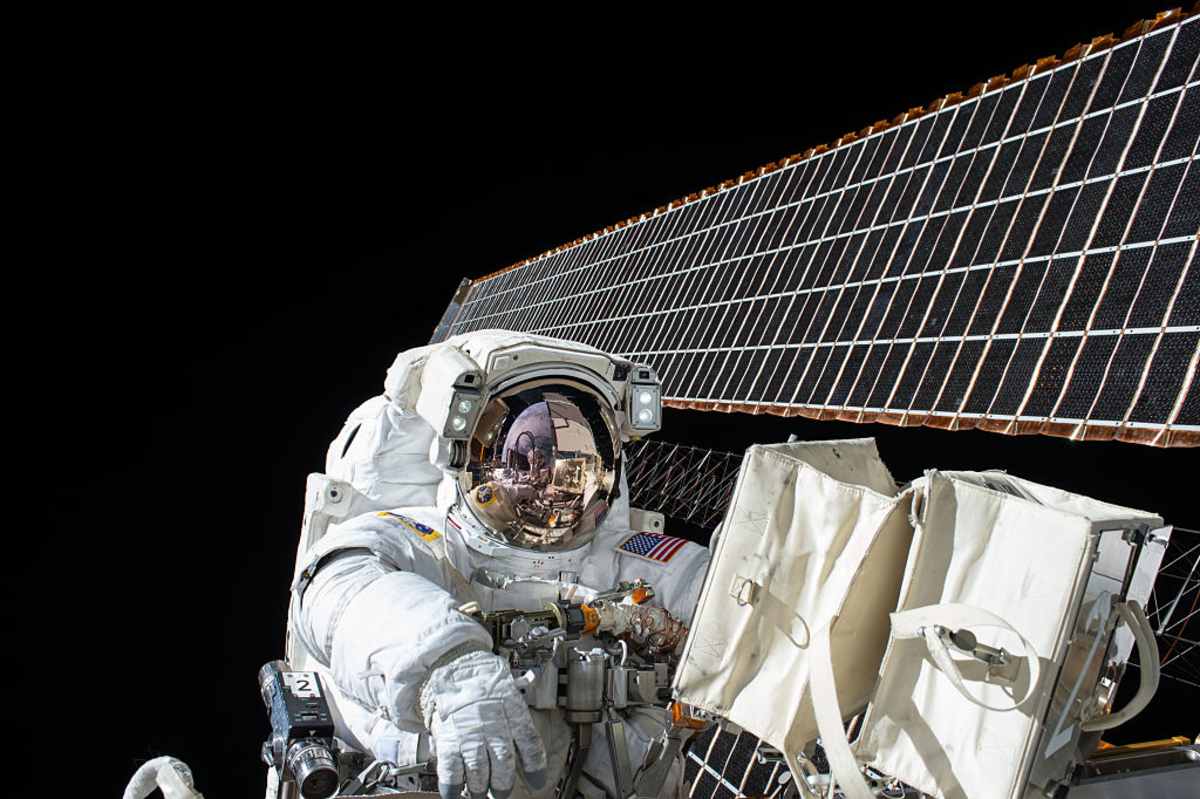
She further added, "The VA uses spacecraft data in real time to detect anomalies, hypothesize what is causing the issue, and give astronauts information on how to solve the problem." The system operates by continuously analyzing real-time spacecraft data, including vital environmental and life support parameters like oxygen and carbon dioxide levels. Upon detecting any deviation from normal operating ranges, Daphne-AT immediately alerts the crew, hypothesizes the cause of the issue, and provides actionable guidance for resolution. This capability is expected to be crucial for missions where real-time support from mission control is impossible, ensuring astronaut safety and mission success.