Moon to reach apogee—its farthest distance from Earth—on August 29. Details here
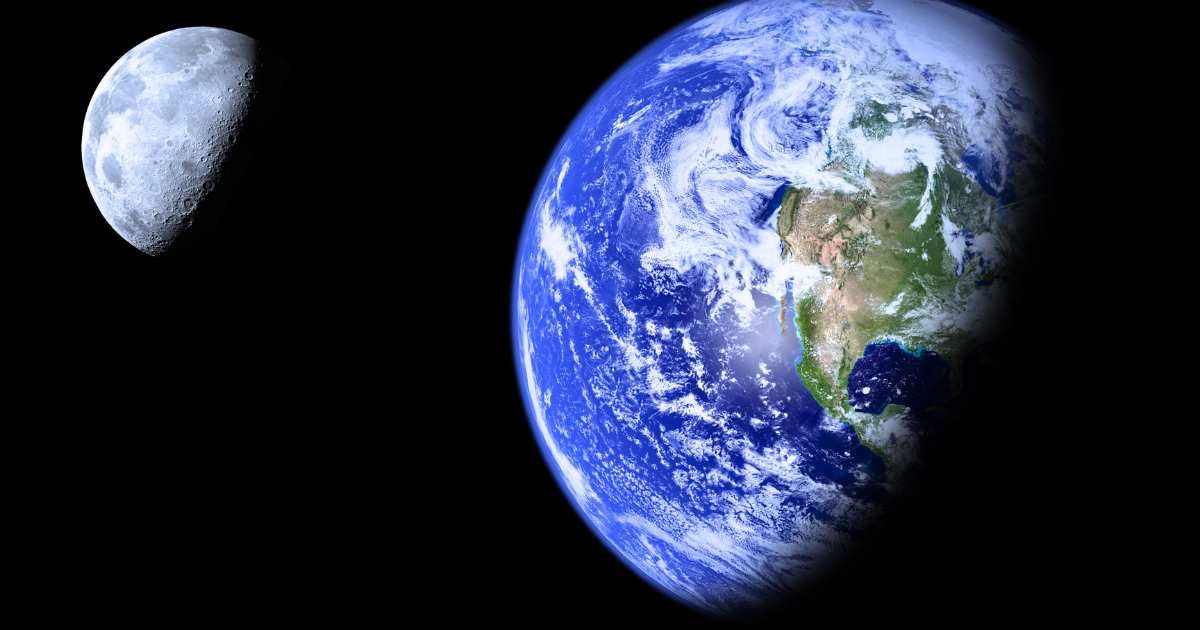
The Moon will reach its most distant point from Earth for the second time this month on August 29, an astronomical event known as lunar apogee. This phenomenon, which occurs as the moon orbits our planet in an elliptical path, will see it positioned 251,374 miles (404,548 kilometers) away at 4:00 p.m. UTC, per Earth Sky.
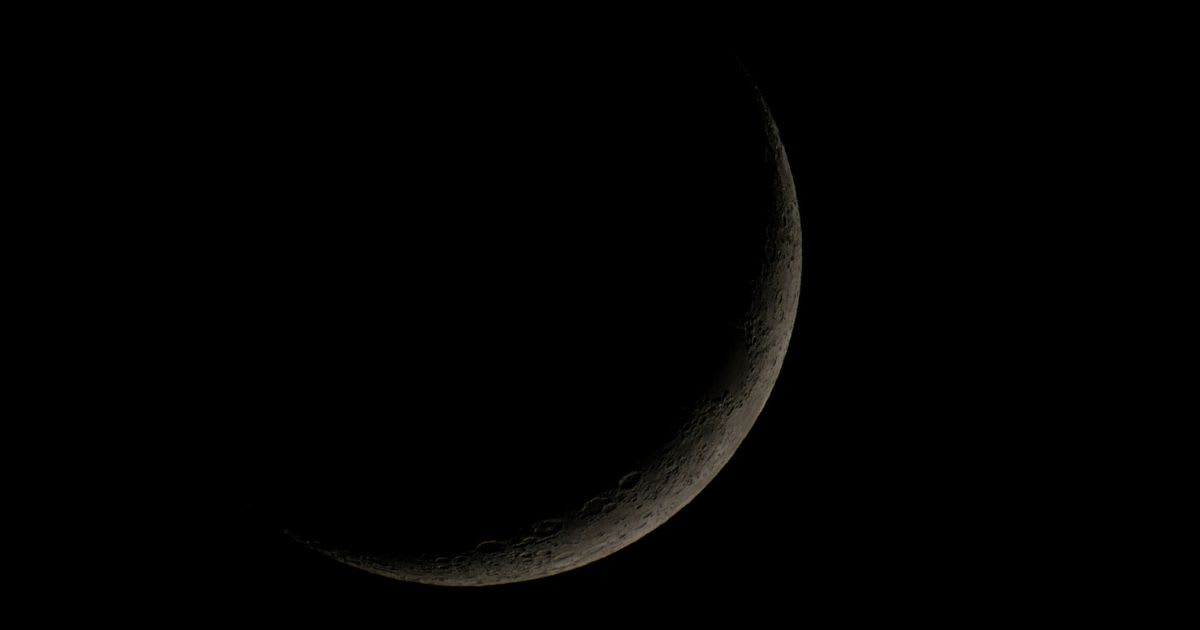
Apogee, a term derived from the two words apo (far away) and geo (Earth), marks the farthest point in the Moon's orbital journey, according to Space & Telescope. At this distance, the Moon will appear slightly smaller in our sky than usual. The exact distance of each apogee varies due to the gravitational pull of the Sun, which subtly alters the Moon's orbit.
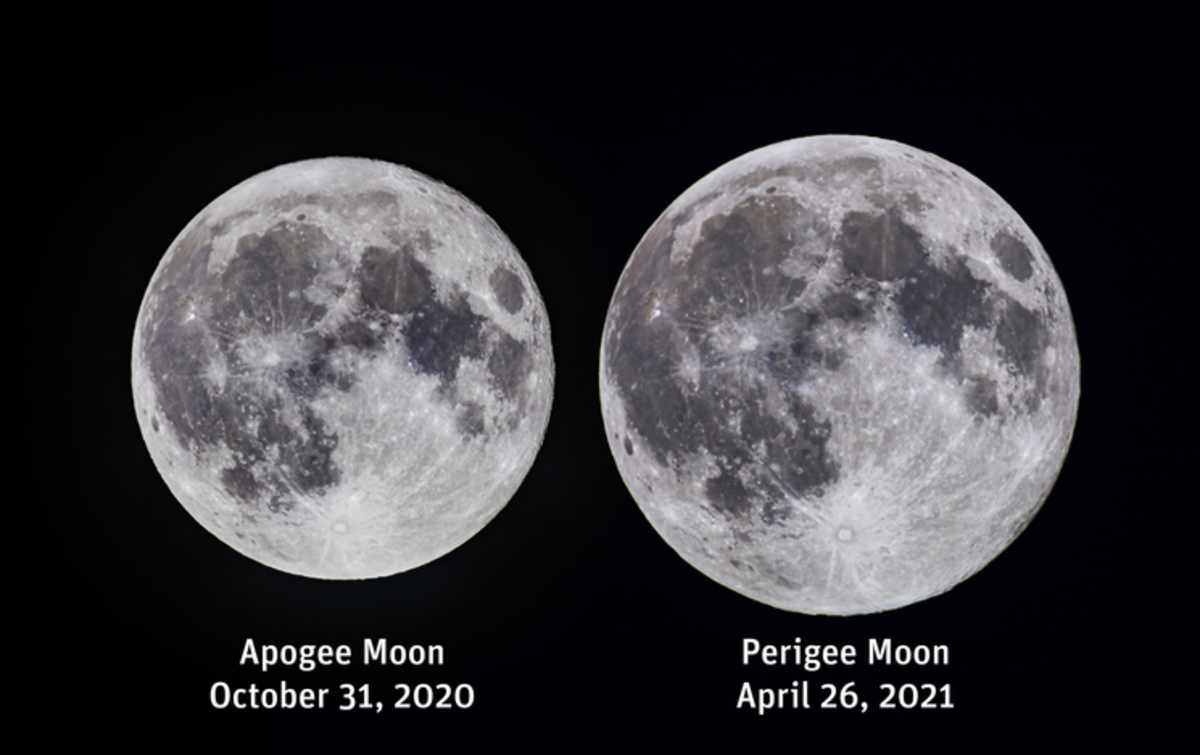
The Moon completes a full orbit around Earth relative to its apogee and perigee (closest point) approximately every 27.5 days. This is known as an anomalistic month. By comparison, a sidereal month, the time it takes for the Moon to complete an orbit relative to the background stars, is slightly shorter at 27.3 days. When a full moon coincides with a lunar apogee, it's referred to as a micromoon. A micromoon appears about 7% smaller than a standard full moon and 14% smaller than a supermoon, which occurs when a full moon is near its perigee.
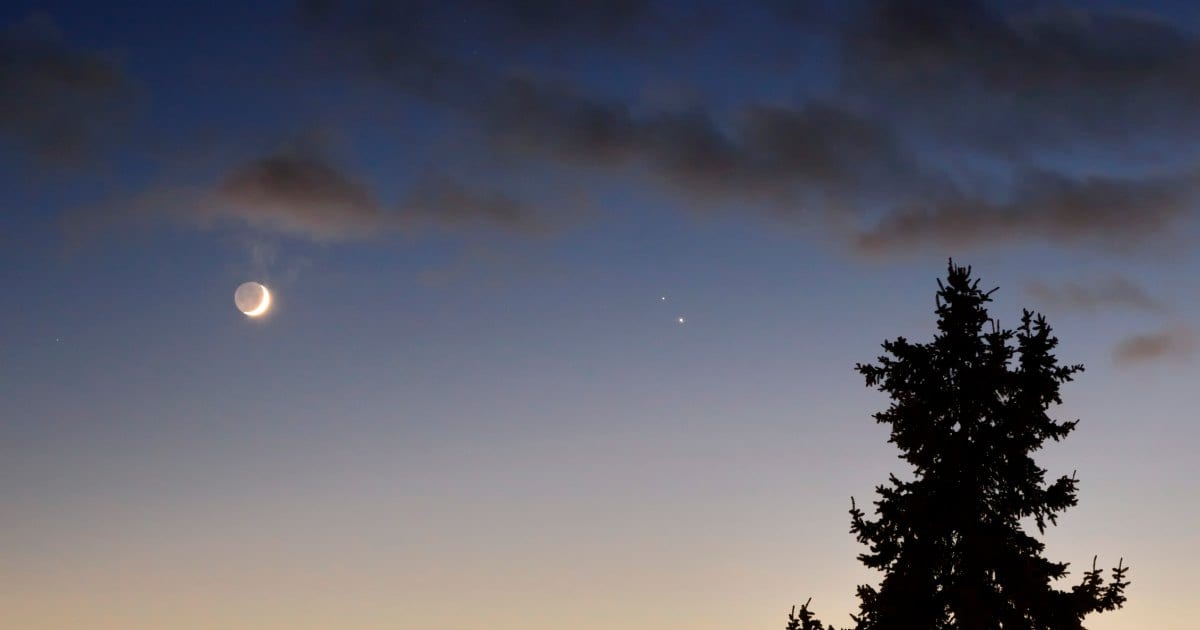
The upcoming lunar apogee on August 29 will not be a micromoon, as the Moon will be in a waxing crescent phase and only 34% illuminated. While this event is notable, it will not be the most distant lunar apogee of the year. That record will be set on November 20, 2025, when the Moon reaches its farthest point of the year at approximately 406,693 km away.
While the upcoming lunar apogee is a subtle but observable event, skywatchers are also anticipating a different kind of lunar rarity this month: a "Black Moon." However, those expecting a visual spectacle will be disappointed, as this celestial event is an invisible phenomenon.
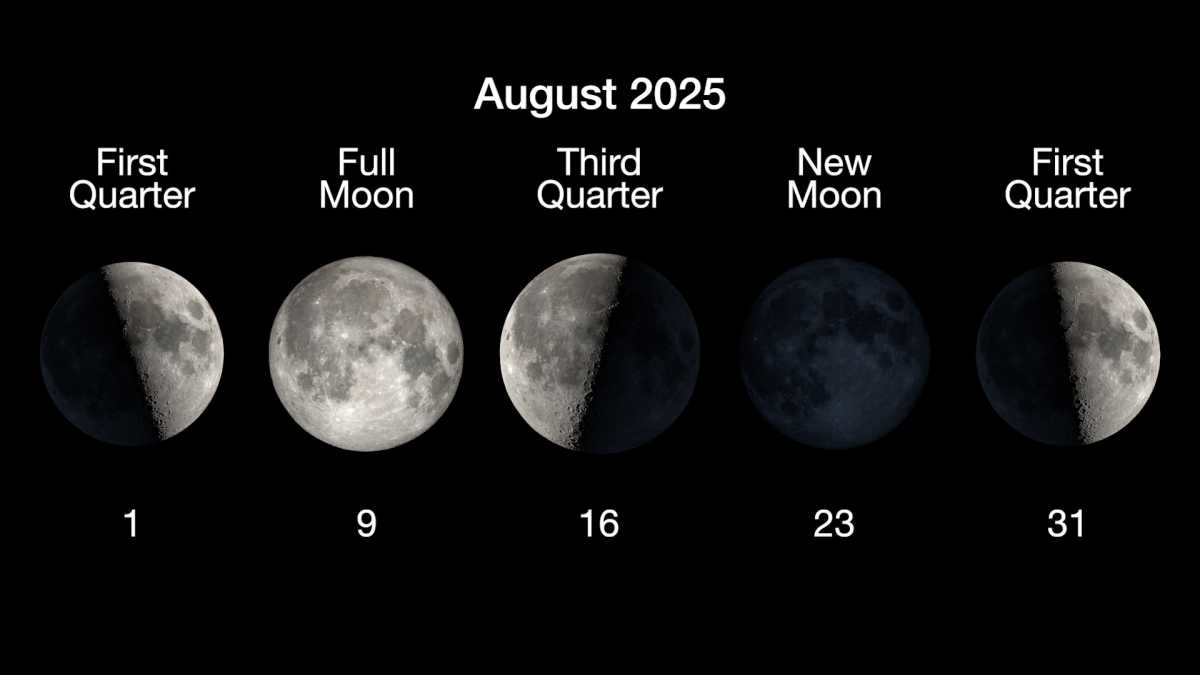
The term "Black Moon" is not an official astronomical designation but rather a popular name for a rare New Moon occurrence. It can refer to the second New Moon within a single calendar month, which happens approximately every 29 months. More rarely, it can describe the third New Moon in a season that has four New Moons, a phenomenon that occurs about every 33 months. This is the type of Black Moon that will take place on August 23, 2025, for most of the world, and on August 22 in Western time zones.
As a New Moon, this event marks the phase where the Moon is positioned between the Earth and the Sun, making its illuminated side face away from us. This alignment renders it invisible to the naked eye. Adding to its complexity, the "Black Moon" can also be defined by the unique nature of February. Due to the month's shorter length, a Black Moon can describe a February that contains no New Moon or no Full Moon, a phenomenon that happens approximately every 19 years. When February has no New Moon, the months of January and March each experience two New Moons. Conversely, a February without a Full Moon means both January and March will each feature two Full Moons, an event sometimes referred to as a "double Blue Moon."