Japanese astronomer captures double impact flashes on the Moon’s surface
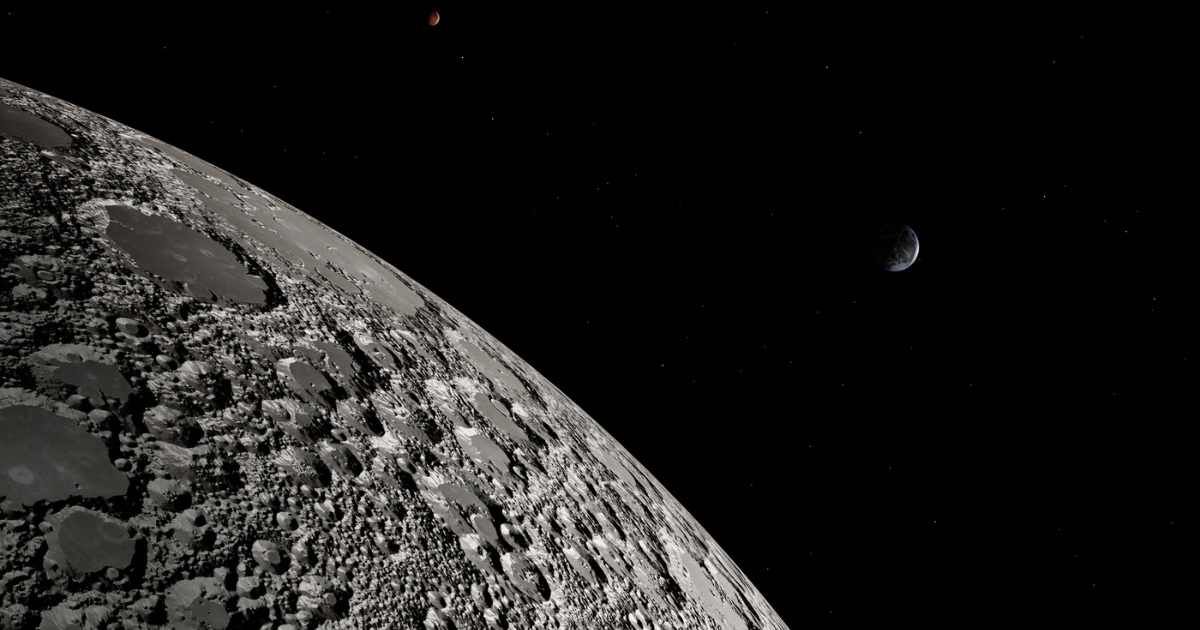
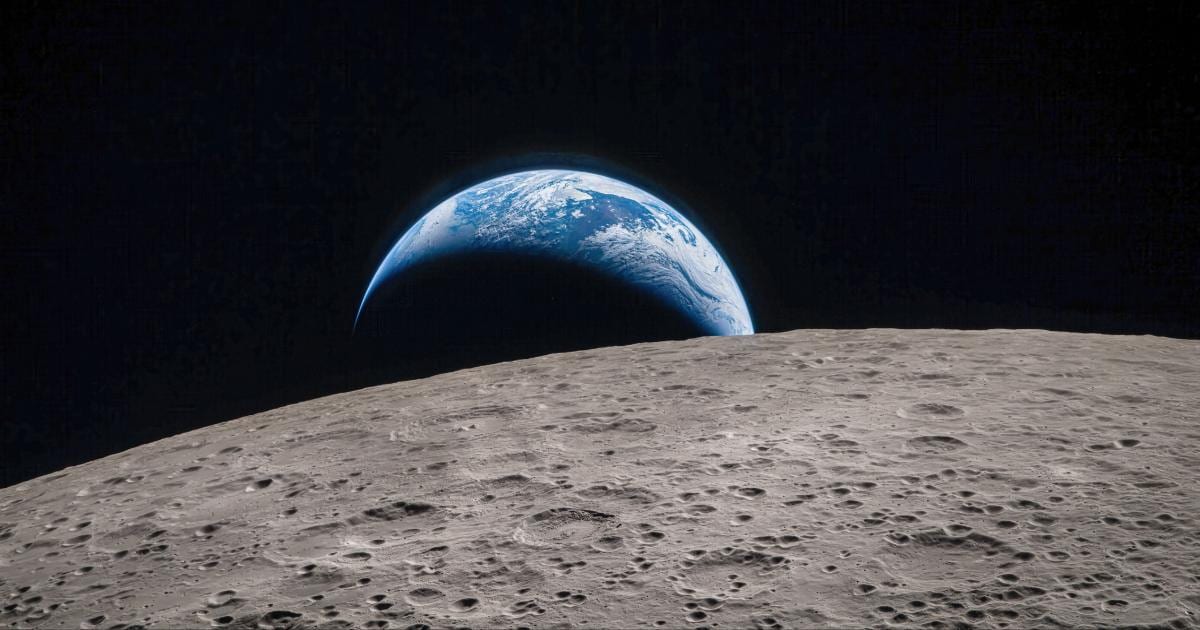
A Japanese astronomer has documented two separate, brilliant flashes on the Moon’s surface, indicating high-speed impacts by space debris. Daichi Fujii, curator at the Hiratsuka City Museum, recorded the fleeting explosions on Thursday, October 30, and Saturday, November 1, using cameras aimed at the lunar night side, according to Daichi's recent X posts.
昨夜は、上弦の月の夜側に月面衝突閃光が出現しました!2025年10月30日20時33分13.4秒の閃光です(270fps,0.03倍速再生)。月は大気がないため流星は見られず、クレーターができる瞬間に光ります。衝突領域から考えると、現在ピークを迎えている、おうし座南流星群や北流星群由来の可能性があります。 pic.twitter.com/MM3xleCZSJ
— 藤井大地 (@dfuji1) October 30, 2025
The brief but intense light events are characteristic of space rocks colliding with the Moon at significant velocity. Fujii released the high-speed footage, coinciding with the active period for the annual Taurid meteor showers, as per Space.com.
昨夜も月面衝突閃光が出現しました!2025年11月1日20時49分19.4秒の閃光です(270fps,0.03倍速再生)。月は大気がないため流星は見られず、クレーターができる瞬間に光ります。おうし座南流星群や北群由来の可能性があります。輝面比は78%もありましたが、太い月は観測時間を稼げるメリットもあります。 pic.twitter.com/HRLzSnke4h
— 藤井大地 (@dfuji1) November 1, 2025
The initial strike occurred at 6:30 a.m. EST on October 30. Fujii's analysis suggests the object, possibly originating from the Taurid stream, struck east of the Gassendi Crater at an estimated speed of 27 km/s (16.8 miles per second). The object was calculated to weigh about 0.4 pounds, creating a transient crater estimated to be 3.3 yards (120 inches) wide, with the flash lasting only 0.1 seconds. Fujii noted that the intensity of the event likely saturated his camera's sensors, suggesting the actual brightness may have exceeded recorded values.
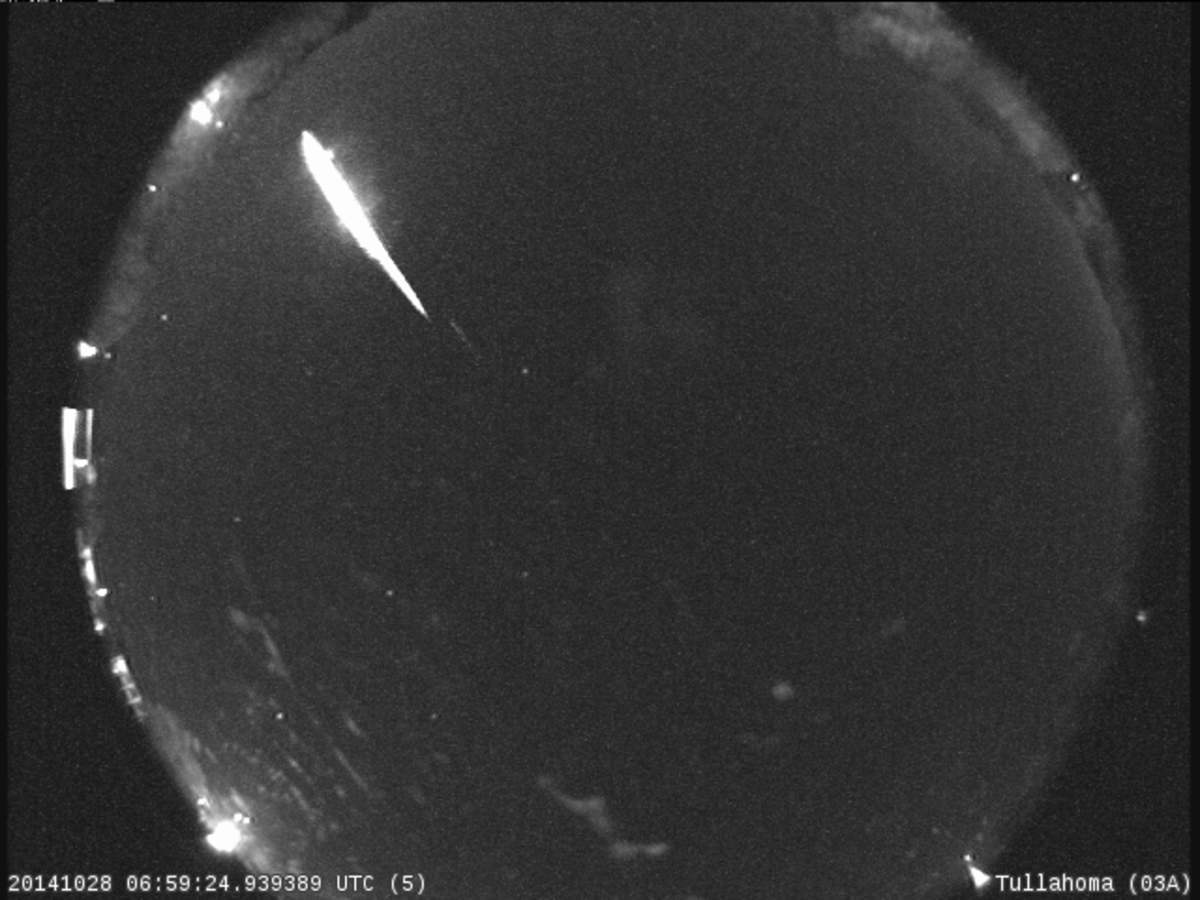
The second impact was observed on November 1, west of Oceanus Procellarum, at 6:49 a.m. EST (7:49 a.m. EDT). While confirmation is pending on whether both events are tied to the Taurids, with the Southern Taurids peaking near November 5 and the Northern Taurids following on November 9, the timing is deemed consistent with increased stellar activity. Fujii has established himself as a key observer of these events, regularly tracking transient luminous phenomena on the Moon.
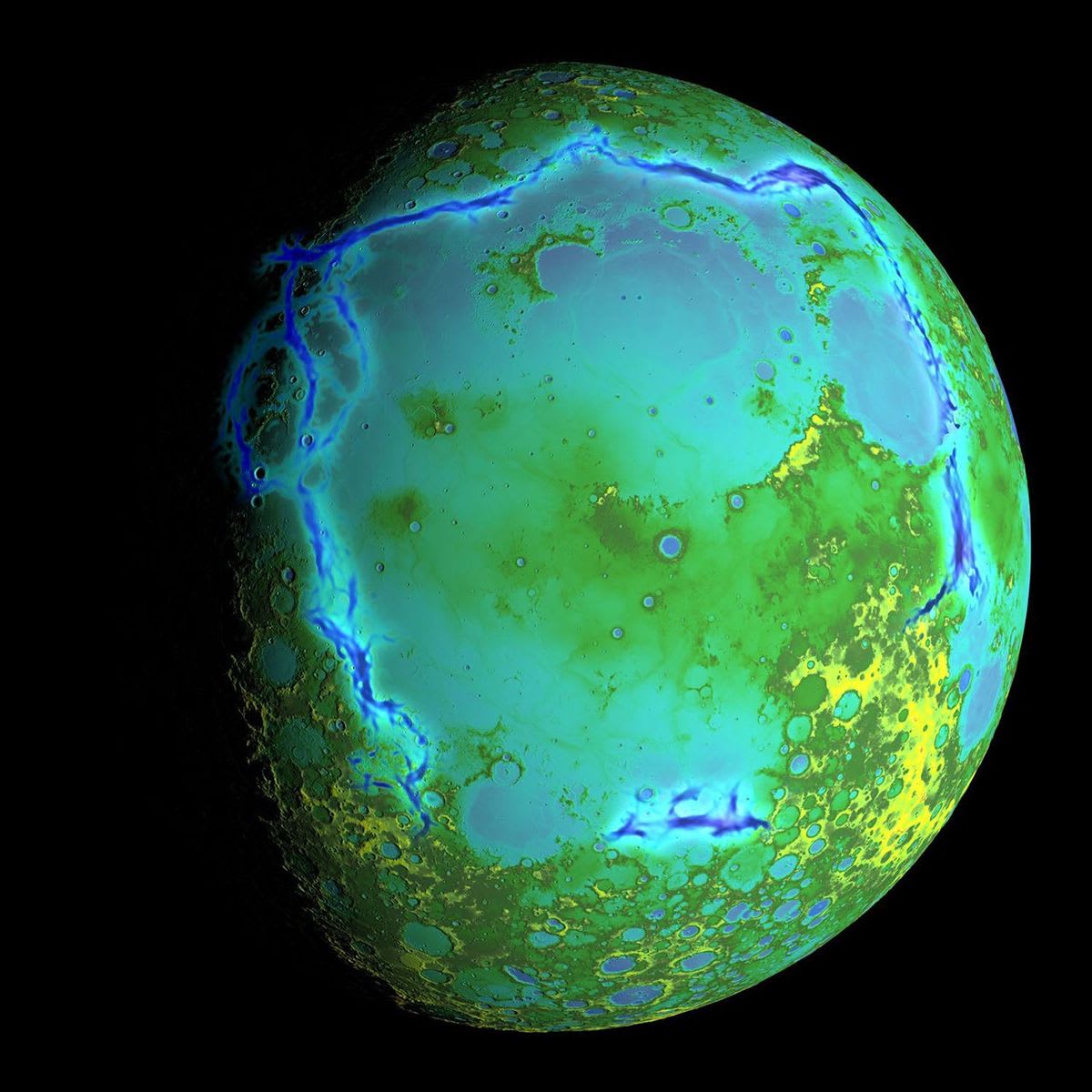
These visible flashes occur because the Moon lacks the substantial atmosphere that protects Earth. Without this shielding, incoming meteoroids, traveling between 45,000 to 160,000 mph, slam directly into the surface. This process releases powerful bursts of light and heat, excavating significant craters several yards across. Such impacts can generate surprisingly large disturbances; for instance, an 11-pound rock can excavate a crater over 10 yards wide and displace nearly 73.8 imperial tons of lunar material.
Fujii’s success is the result of years of dedicated searching. He explained his commitment to this specialized observation, stating, "I started observing lunar impact flashes around 2011 and have been continuously observing since 2020," adding that even with his 20 cm (7.8 inches) telescope, successful observations are challenging due to the Moon's brief visibility as a thin crescent and atmospheric interference. "I typically detect about one impact flash every few dozen hours of observation," he said. "I only observe a few dozen flashes per year."
While documenting these impacts is crucial, space agencies like NASA emphasize that simply counting them isn't enough to assess the risk to future crewed missions. To accurately gauge the danger posed by larger meteoroids, scientists must determine how much of the impactor's kinetic energy is converted into visible light. This efficiency factor, known as luminous efficiency, is not constant. It "depends on the speed of the meteoroid and the nature of the lunar surface where it hits," according to NASA. Accurately calculating this ratio is key to understanding the size of the impactor and its potential threat level.
More on Starlust
Moon dust collected by Chang'e 6 reveals water rich asteroids were common in the early solar system
A 'quasi-moon' asteroid has been orbiting Earth for 60 years—and scientists are just finding out