Mega-constellations of satellites could soon interfere with astronomical observations, warns study
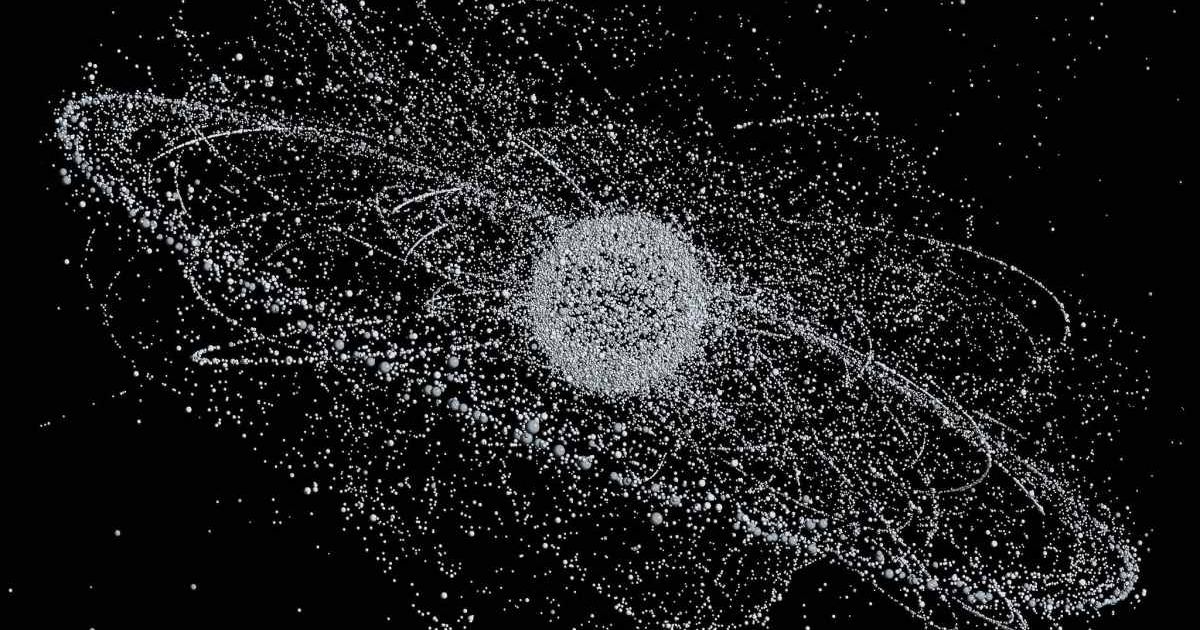
The growing number of artificial satellites orbiting Earth is reaching a tipping point that could soon interfere with our ability to study the universe. A new study submitted to the Astronomy & Astrophysics journal warns that the sheer volume of these objects, particularly those in "mega-constellations", is creating a haze of light and visible streaks that obstruct ground-based telescopes. While current deployments are already noticeable, the planned launch of over 1.7 million objects poses a substantial threat to astronomical observations. These satellites impact the sky in two ways: by leaving bright trails across images, and by reflecting sunlight, which creates a diffuse glow that makes the natural dark sky appear much brighter than it actually is.
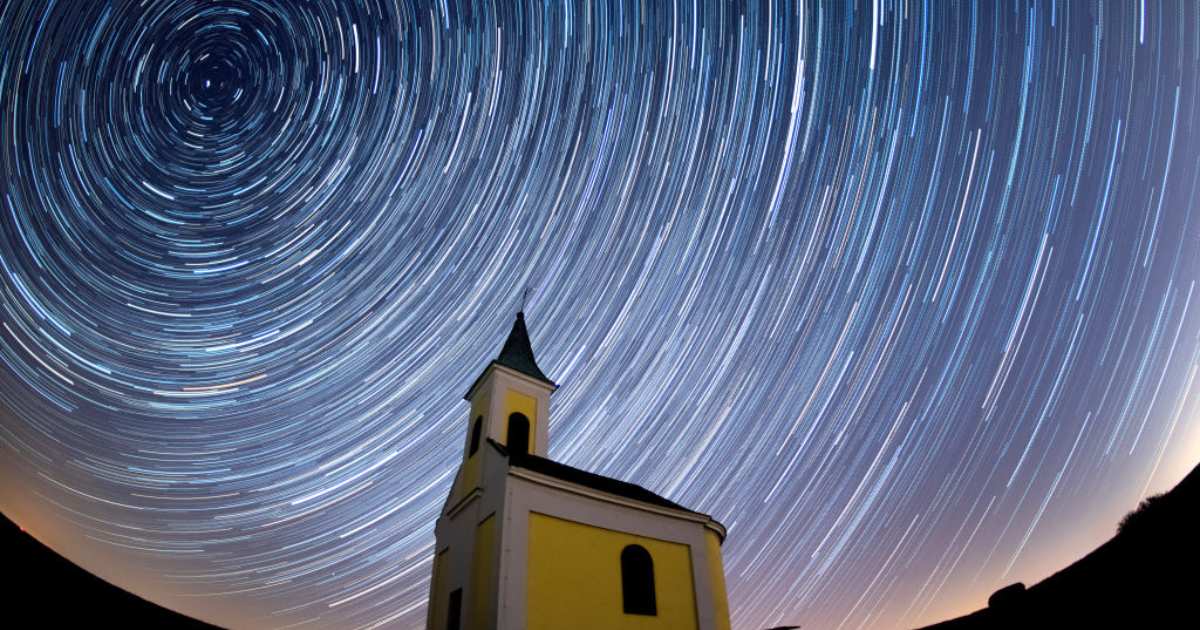
For professional astronomers, the darkness of the sky is the most important factor in determining the quality of their work. High-end observatories are intentionally built in remote locations to avoid light pollution from cities, preferring sites where artificial light is almost non-existent. When the sky becomes brighter due to artificial light, telescopes must be pointed at objects for much longer periods to get clear data. The study authors also note, citing extant literature, that even a 10% increase in sky brightness is enough to make a site incompatible with state-of-the-art research, which would defeat their purpose. If the sky is filled with too many bright objects, it essentially creates a global form of light pollution that astronomers cannot escape by simply moving to a more remote mountain.
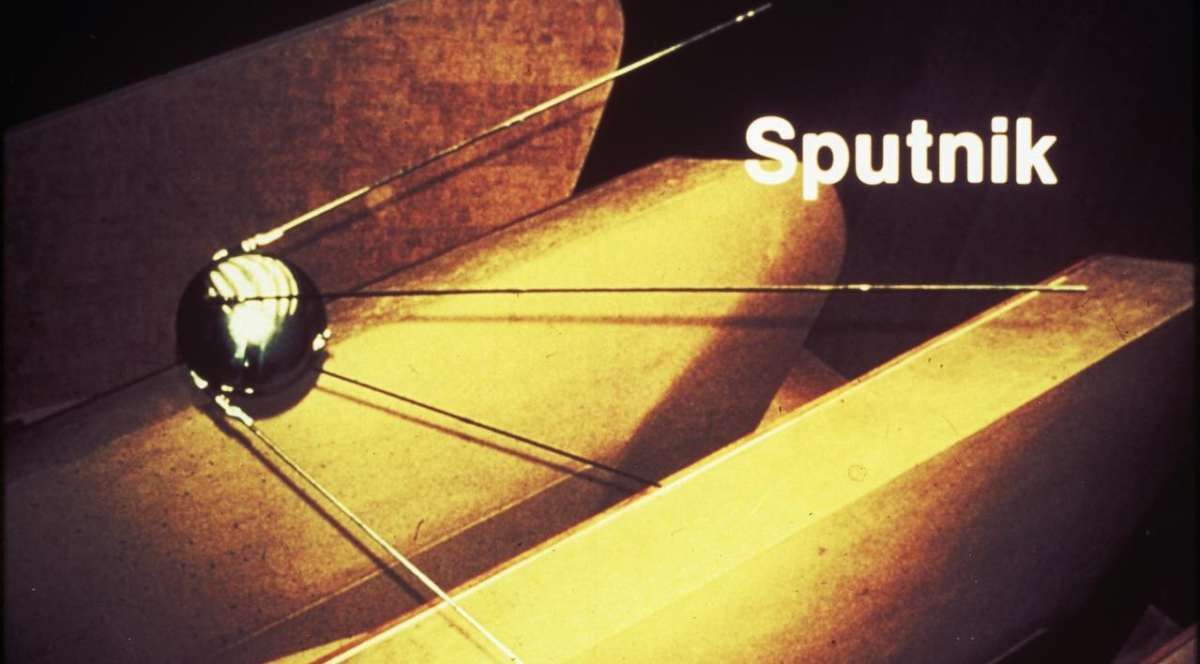
While 1957's Sputnik from Russia was the first satellite to orbit the Earth, the scale of the problem has escalated rapidly only in recent years. Since 2019, the number of active satellites has jumped from 2,000 to over 14,000, and when including space junk and dead hardware, that number rises above 32,000. Researchers found that if the total population stays around 60,000 well-managed satellites, the effect on sky brightness will remain tiny. However, proposed mega-constellations of one million or more satellites would make light streaks pervasive, ruining long-exposure photographs taken by ground-based observatories. Even a moderate number of extremely bright satellites can be devastating, as they can flood sensitive camera sensors with too much light, rendering them useless.

Beyond just the visible streaks, these satellites change the physics of the night sky by scattering light through the atmosphere. Naturally, the night sky gets its faint glow from high-altitude molecules, interplanetary dust, and distant starlight. New simulations show that certain proposed "reflector" satellites that are designed to be exceptionally bright could increase this background light by 20% to 30%. In more extreme scenarios, involving 50,000 very bright satellites, the background sky brightness could surge by as much as 300%. This would effectively drown out the faint signals from distant galaxies and cosmic rays that scientists work hard to detect. While mitigation strategies such as adjusting satellite attitudes and dielectric mirror films that reflect sunlight into space have been mooted by researchers and aerospace companies alike, these are expected to have a limited mitigation effect in the face of the sheer volume of planned satellites.
While the immediate concern is the loss of our view of the stars, the massive increase in satellite traffic introduces broader environmental and safety risks for the future as well. The sheer volume of launches required to build these mega-constellations, especially those by firms such as SpaceX and Amazon, contributes to atmospheric pollution and increases the likelihood of creating dangerous space debris. The growing volume of space debris poses the risk of setting off a chain reaction, creating even greater numbers of dangerous, orbiting trash in a devastating scenario known as the Kessler syndrome.
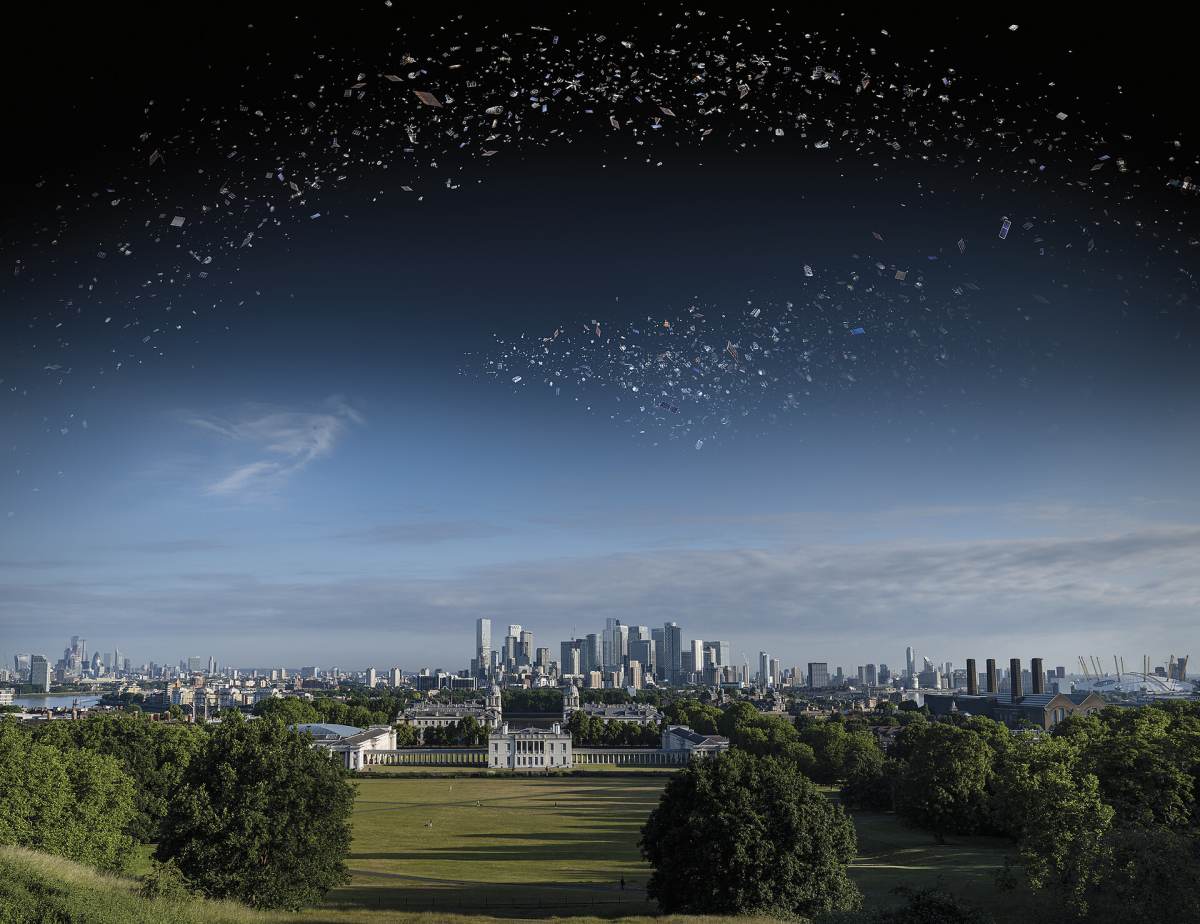
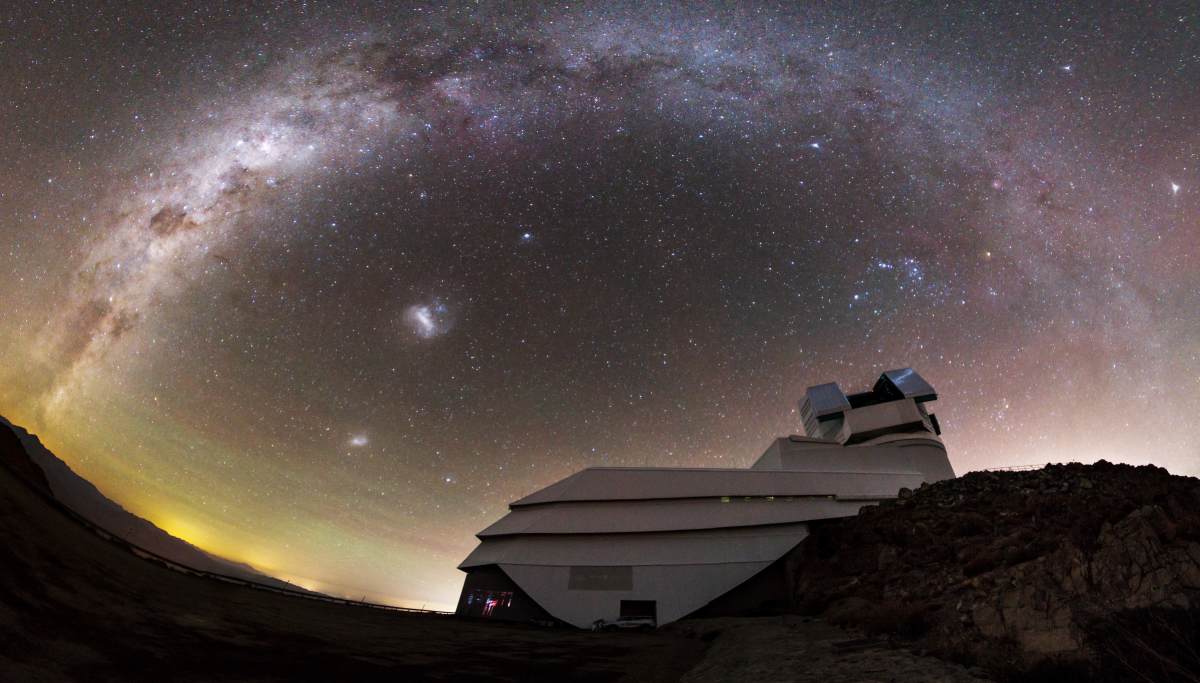
Famed science communicators like Neil deGrasse Tyson have already been outspoken in warning against such an eventuality, which could wipe out entire communications and global navigation infrastructure. Moreover, the eventual "death" of these satellites poses another distinct problem pertaining to pollution, as they are designed to burn up in the upper atmosphere upon re-entry, which releases considerable aluminum oxides and other metals into the atmosphere. Further, a study has also detected lithium pollution in the atmosphere tied to the re-entry of a SpaceX Falcon 9 rocket, raising questions about the environmental impact of large-scale launches for putting mega constellations into orbit. These factors suggest that the sustainability of parking satellites in low-Earth orbit is becoming just as much of a concern as the light pollution that these satellites leave behind, affecting not just telescopes like the Vera C. Rubin Observatory, but the very environment we live in and call our home.
More on Starlust
First commercial asteroid mining could happen 'within years, not decades.' But is space law ready?